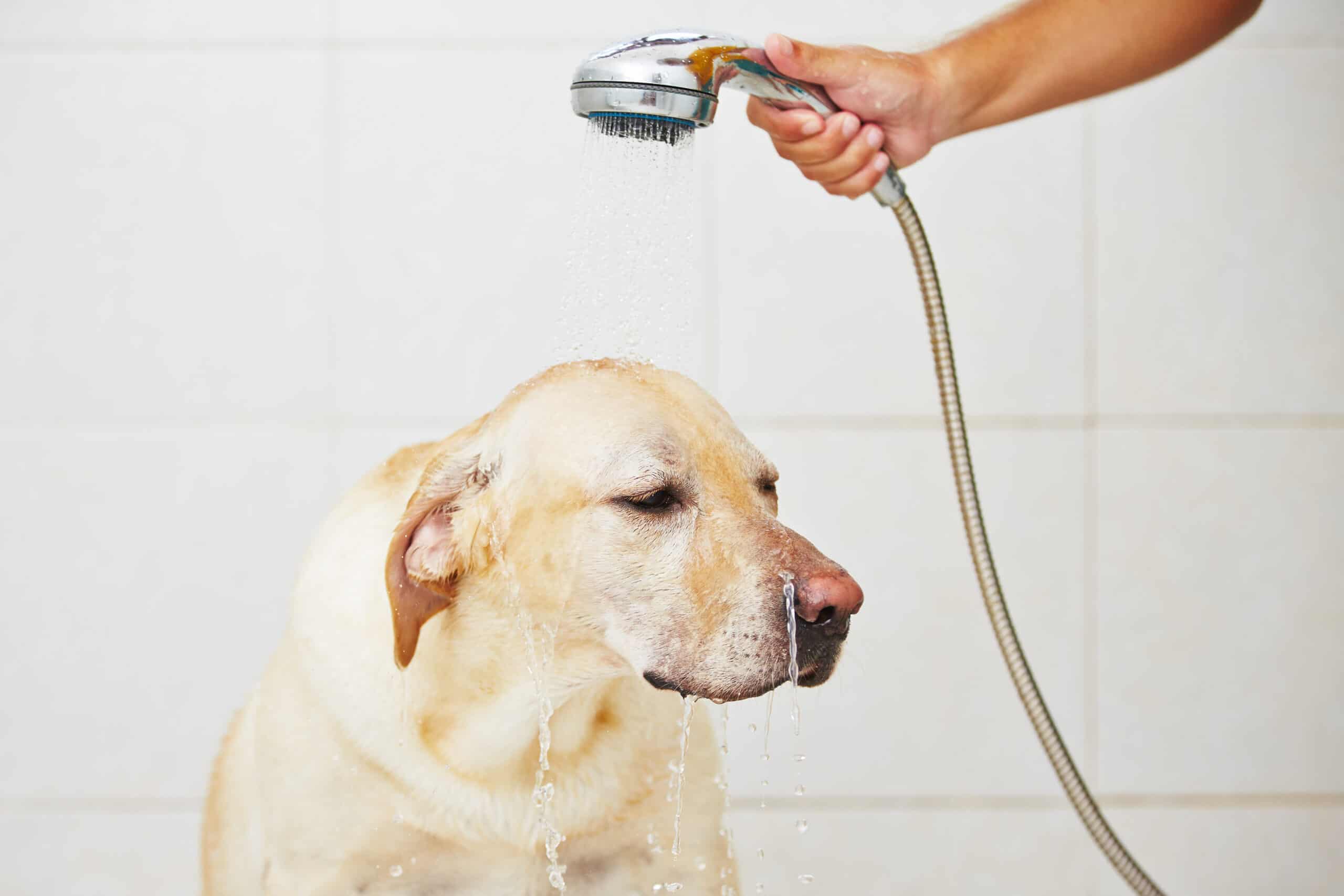
At the end of the grooming session, you may find yourself hugging a new and clean version of your pet. But what if your dog stops acting the same? That begs the question—”How long will my dog act weird after grooming?” Below, we’ll tackle the knowledge you need to know before grooming your pet, what to do if your dog is traumatized, and why your other dogs may suddenly treat a freshly groomed housemate like a stranger.
How long will my dog act weird after grooming?
You will find your dog acting strange if the reduction of fur is odd to them. If they don’t like the experience of having the groomers cut their nails too short or having accidental cuts made on their skin, they will also be traumatized after a grooming session. Nail trims in particular are a common sore spot; we explain why dogs don't like getting their nails cut.
Some like their coat being cut off because it was matted, and some will hate it because it will be more cold and chilly. A grumpy dog is almost always expected after taking them to the groomers. However, this does not last long—a few hours or a few weeks, depending on what your dog’s temperament is like.
Even though grooming is essential, many pets don’t enjoy the feeling of being groomed. However, you must put them through the process to become more positive-behaving dogs and help them reach their maturity.
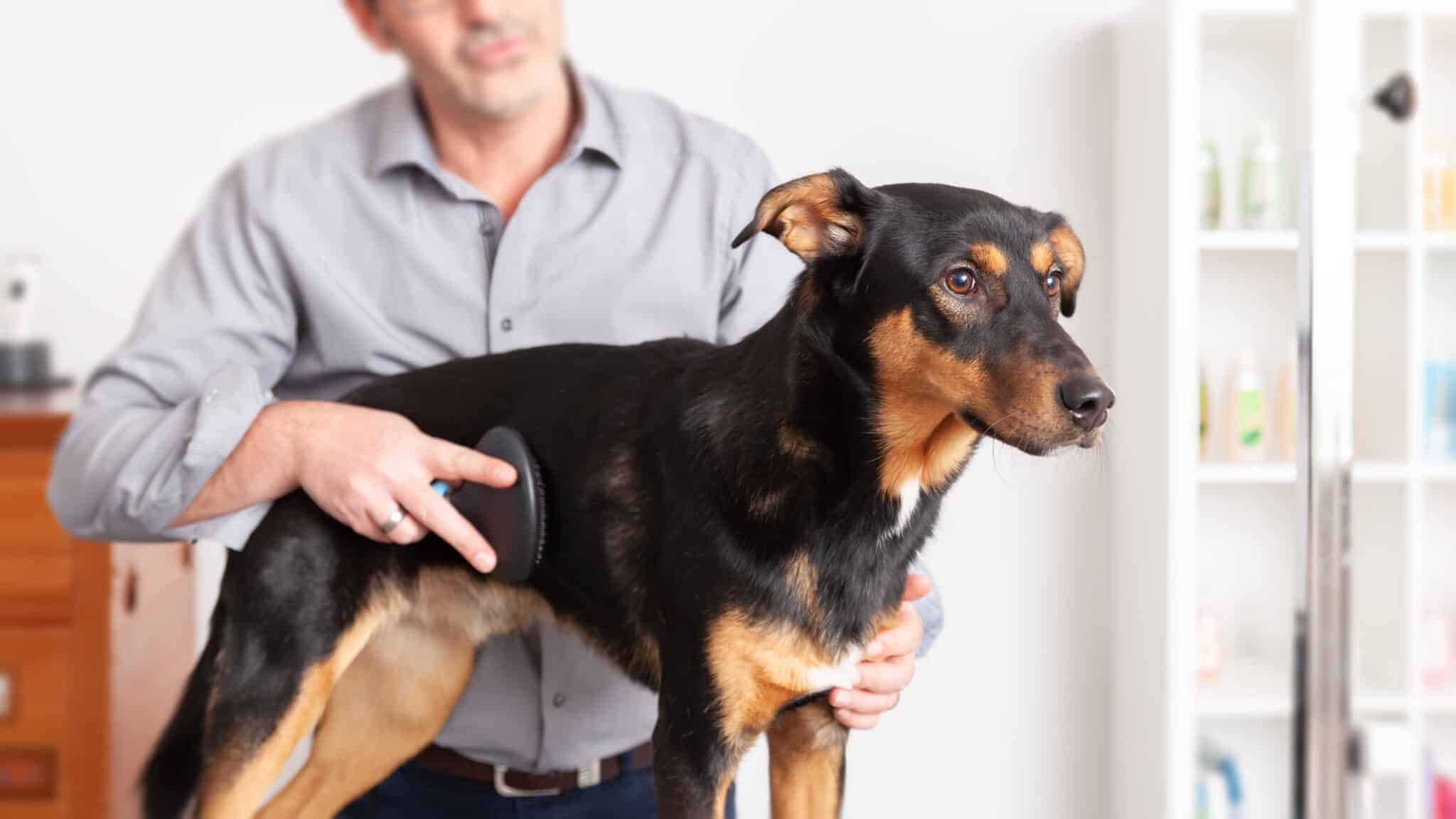
Why your other dog may not recognize a freshly groomed dog
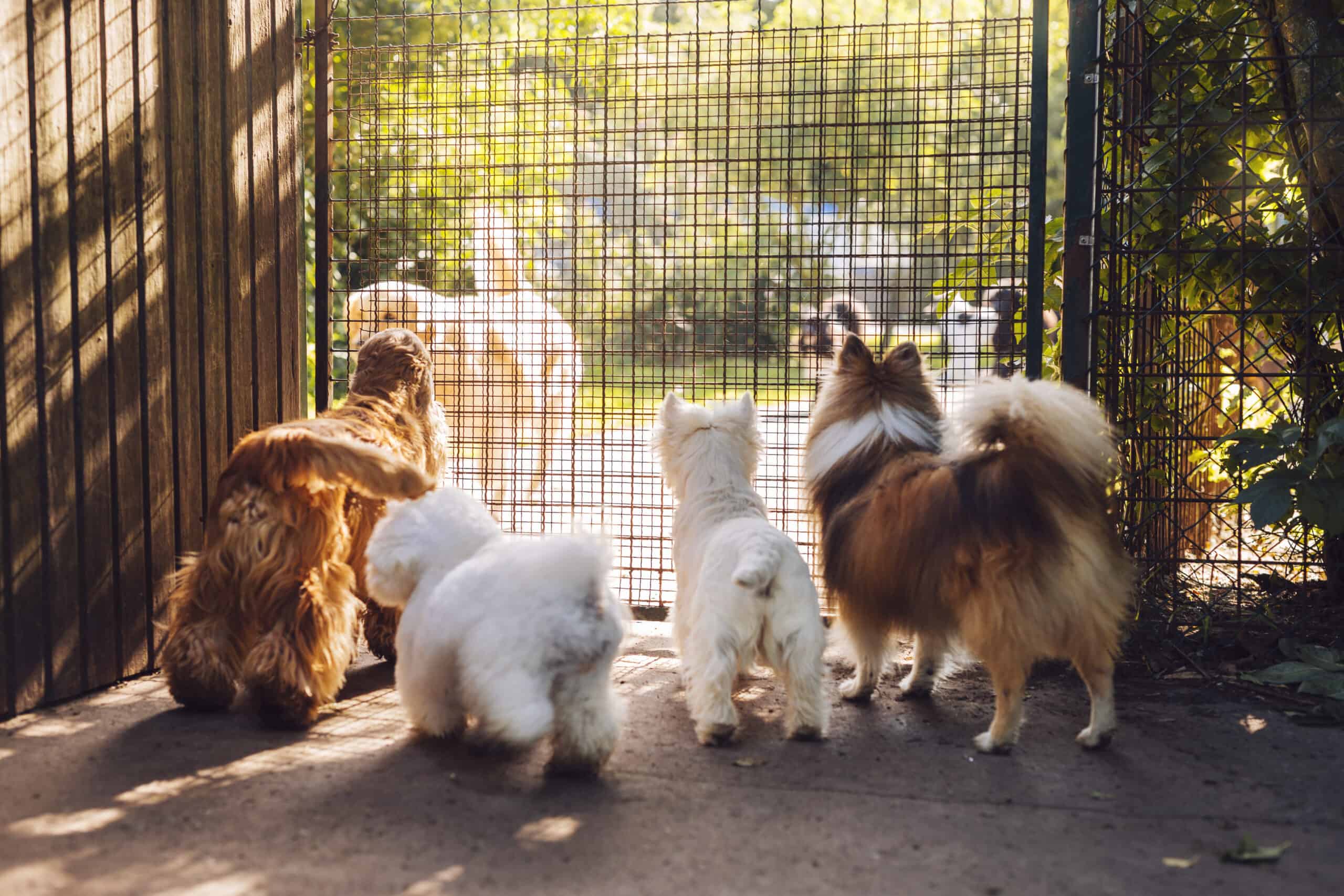
Grooming doesn’t only change how the groomed dog behaves. In multi-dog homes, it’s common for the dog who stayed home to act as if the newly groomed housemate is a stranger. It can look funny at first, but it can also be worrying if you don’t know what’s behind it.

Signs your dog doesn’t recognize the groomed dog
- They seem confused or startled when the groomed dog walks in
- They don’t greet the other dog the usual way (for example, no sniffing)
- They back away instead of approaching
Why it happens
The familiar scent is gone. Dogs identify each other mainly by smell. A bath, shampoo and trim wash away the scent your dog knows and replace it with salon products, so the groomed dog suddenly smells like someone else. A long-lasting dog shampoo can make this even more noticeable.
The groomed dog looks different. Dogs also use appearance. A short summer cut or a visible change in coat color can make a familiar dog hard to place at first.
Your dog isn’t feeling well. A dog that is unwell or stressed pays less attention to other dogs, which makes a changed housemate even harder to recognize.
The groomed dog is unsettled too. A dog fresh from the groomer may not be ready to socialize yet, and its tense body language can make the other dog wary.
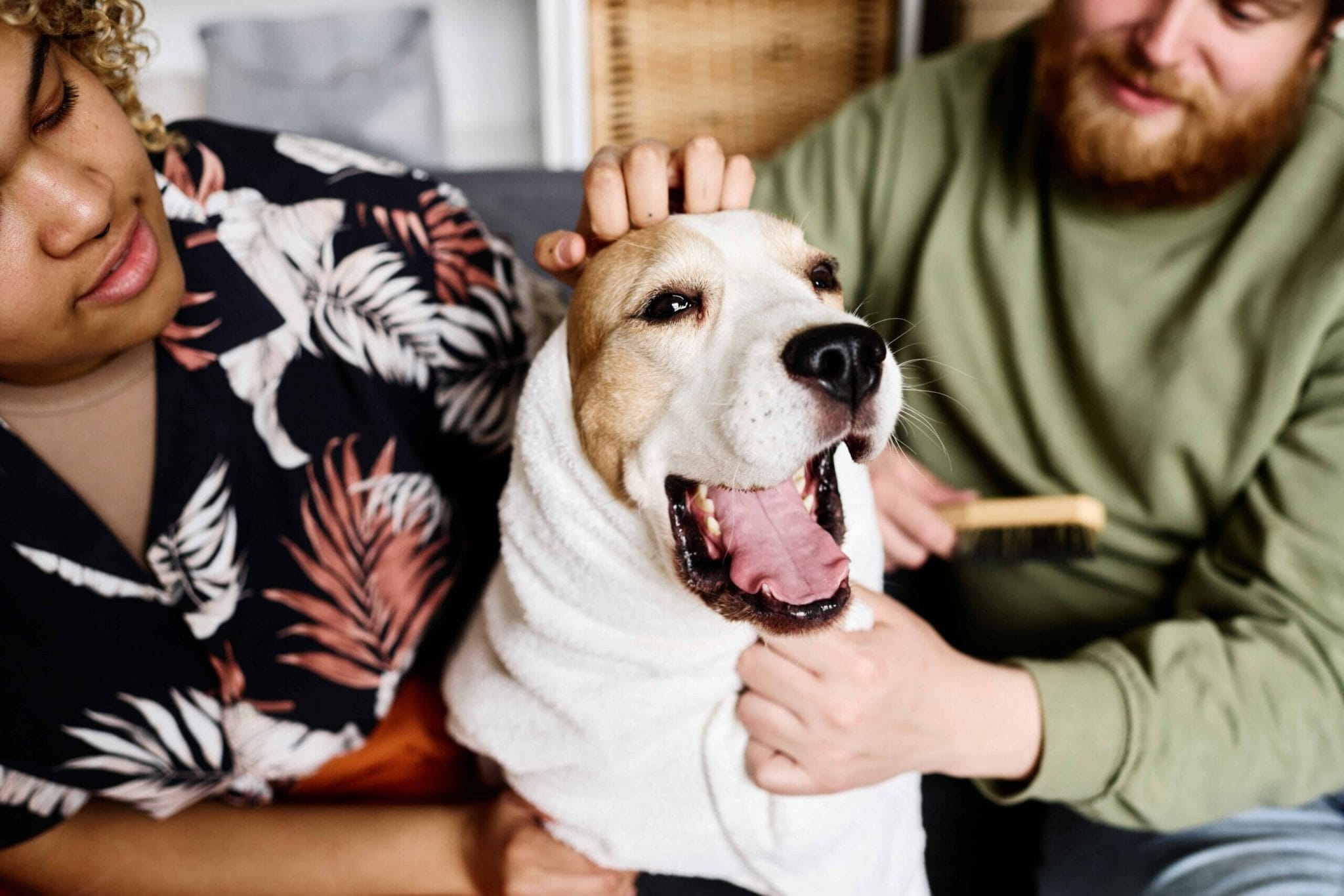
What to do and how long it lasts
Supervise the first meetings and let both dogs sniff each other at their own pace. Once the groomed dog’s natural scent starts to come back, most dogs recognize each other again within a few hours to a few days; occasionally it can take a couple of weeks. Keep both dogs on their normal routine with plenty of exercise and attention in the meantime.

If the confusion turns into growling, fights or lasting distress, talk to your vet or a certified animal behaviorist, who can give you specific advice for your dogs.
Is your dog itchy after grooming?
Sometimes “acting weird” after a groom is really itchy skin. Scratching, licking, rubbing along the carpet or scooting in the first day or two after a groom usually points to irritation rather than nerves. We cover this in more detail in dog scooting or licking its butt after grooming.
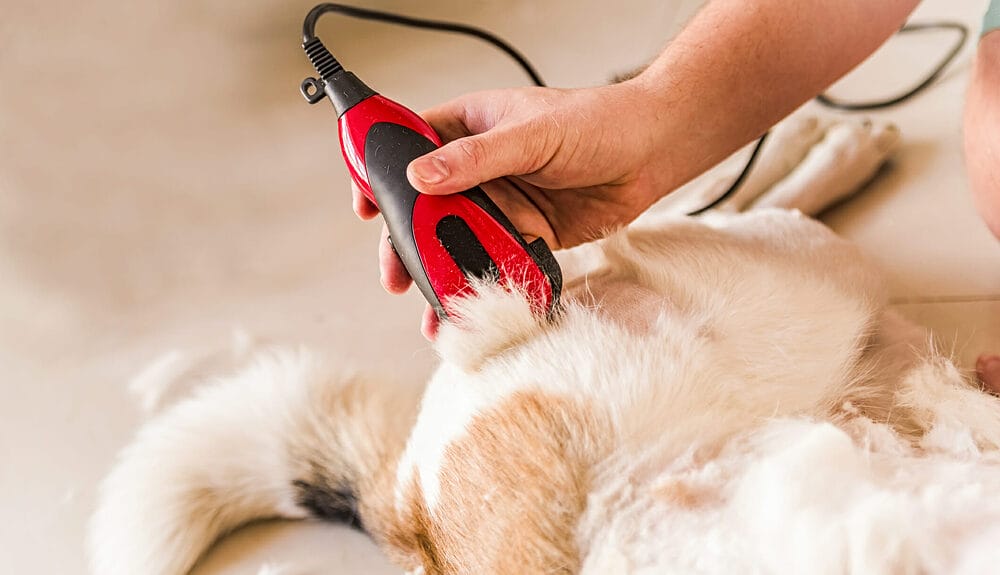
Why grooming can make dogs itch
- Clipper burn. Hot or dull blades, or clipping very close to the skin, can leave red, rash-like irritation. It shows up most on thin-skinned areas such as the belly, groin, armpits and around the bottom. (We cover red, irritated skin after grooming in male dogs separately.)
- Shampoo residue or a product reaction. Shampoo that isn’t fully rinsed out dries on the skin and irritates it. Some dogs also react to fragrances or other ingredients in shampoos, conditioners or finishing sprays.
- Sensitive or allergic skin. Dogs with allergies already have reactive skin, and a bath, blow-dry and brush-out can set off a flare.
- Over-brushing. Brushing too hard or too long, especially with a slicker brush, can scrape the skin.
- Small nicks. Accidental cuts from clippers or scissors can itch as they heal and can become infected if your dog keeps licking them.
How to soothe it at home
- Stop the licking and scratching. A cone or a soft T-shirt keeps your dog from making the skin worse while it heals.
- Cool it down. Holding a cool, damp cloth on irritated patches for a few minutes can ease the itch.
- Try a colloidal oatmeal rinse. A short, lukewarm bath with an oatmeal-based dog shampoo can calm itchy skin. Rinse thoroughly and pat dry instead of rubbing.
- Keep small cuts clean. Rinse them with clean water and watch for redness, swelling or discharge.
- Skip human creams. Don’t put human creams, essential oils or flea and insecticide products on irritated skin without asking your vet first. Dogs lick them off, and some are toxic.
Prevent it next time
Tell your groomer what you noticed. They can use a longer blade, keep blades cool, rinse more thoroughly or use a gentle hypoallergenic shampoo, or one you bring from home. Regular brushing between appointments helps prevent mats, which are a common reason dogs end up shaved close to the skin. If your dog has ongoing skin problems, ask your vet whether an omega-3 supplement or prescription anti-itch medication would help.
When to see the vet
Mild post-grooming itch should ease within a few days. See your vet if the skin is broken, oozing, swollen or hot, if the itching isn’t improving after two or three days, or if your dog seems unwell. Painful bumps or scabs along the back that appear a day or two after a bath can be a sign of post-grooming furunculosis, a rare but serious bacterial skin infection that needs prompt treatment.
How to prevent a traumatic grooming experience?
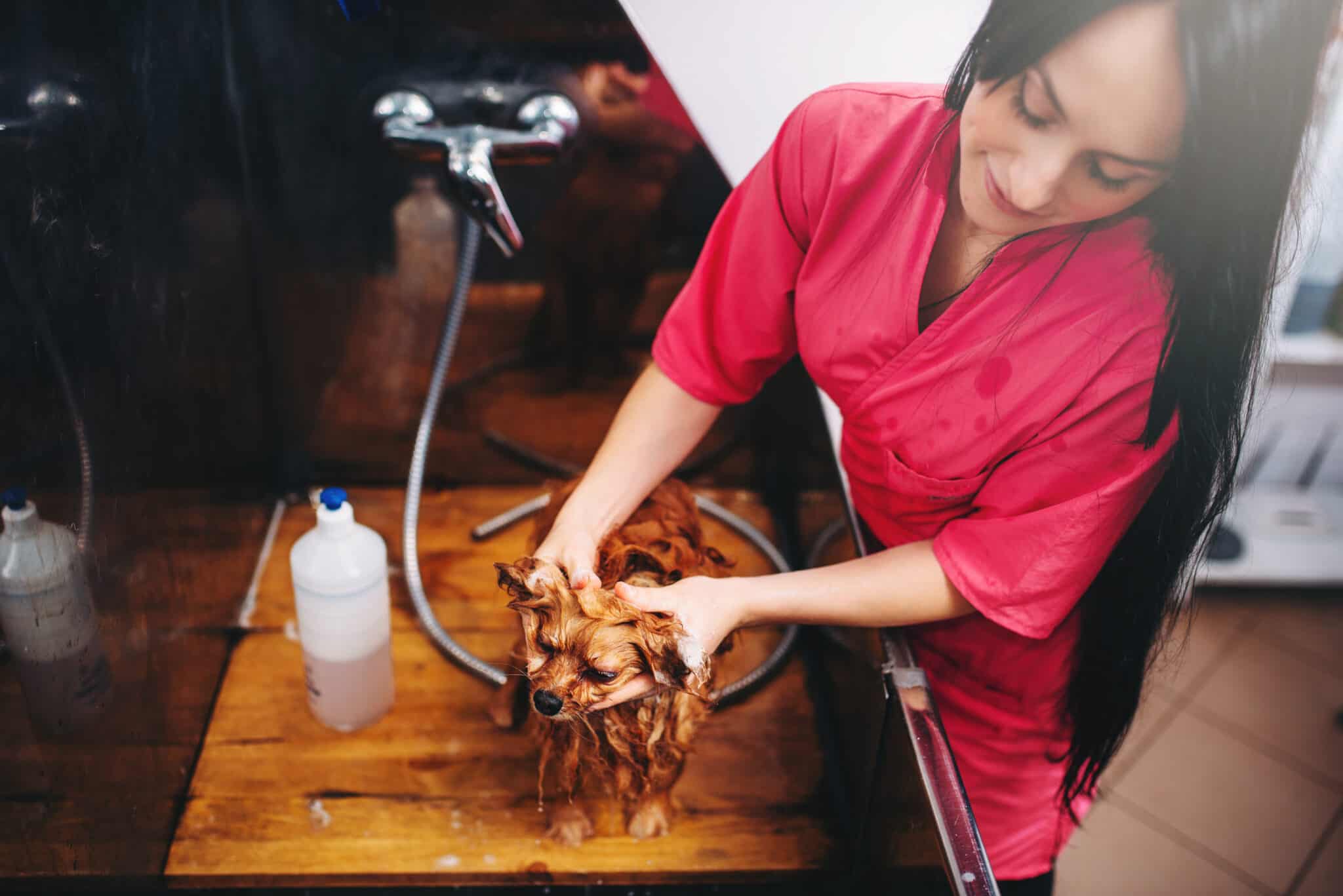
Grooming brings about the most essential benefits of raising a pet. Although having your pet groomed will help their mental health, sometimes it destroys it and ends up being a traumatic event for them. You can do certain things to help your dog avoid acting strangely after a day at the groomers, such as:
1Plan Regular Grooming Appointments
This is beneficial for your dog’s coat as well as behavior. It helps get rid of any mats or knots that are forming at the earliest and also allows the canine to get used to the process of grooming.
2Visit The Vet
In case of anxiety attacks or any reaction that’s overblown during grooming, the veterinarian will be able to help your dog by providing medication to help with stress. They can also offer supplements or natural remedies to help your dog cope.
3Frequent Brushing
Brushing will help your dog understand how the process feels and will not scare them. They will grow accustomed to having people touch sensitive areas and will no longer panic.
4Provide Support & Comfort
You are required to be there for your dog during times that are stressful, such as this one. Seeing your face may just help them feel calmer, and cuddles and kisses will help them feel much better much quicker.
Why is dog grooming vital?
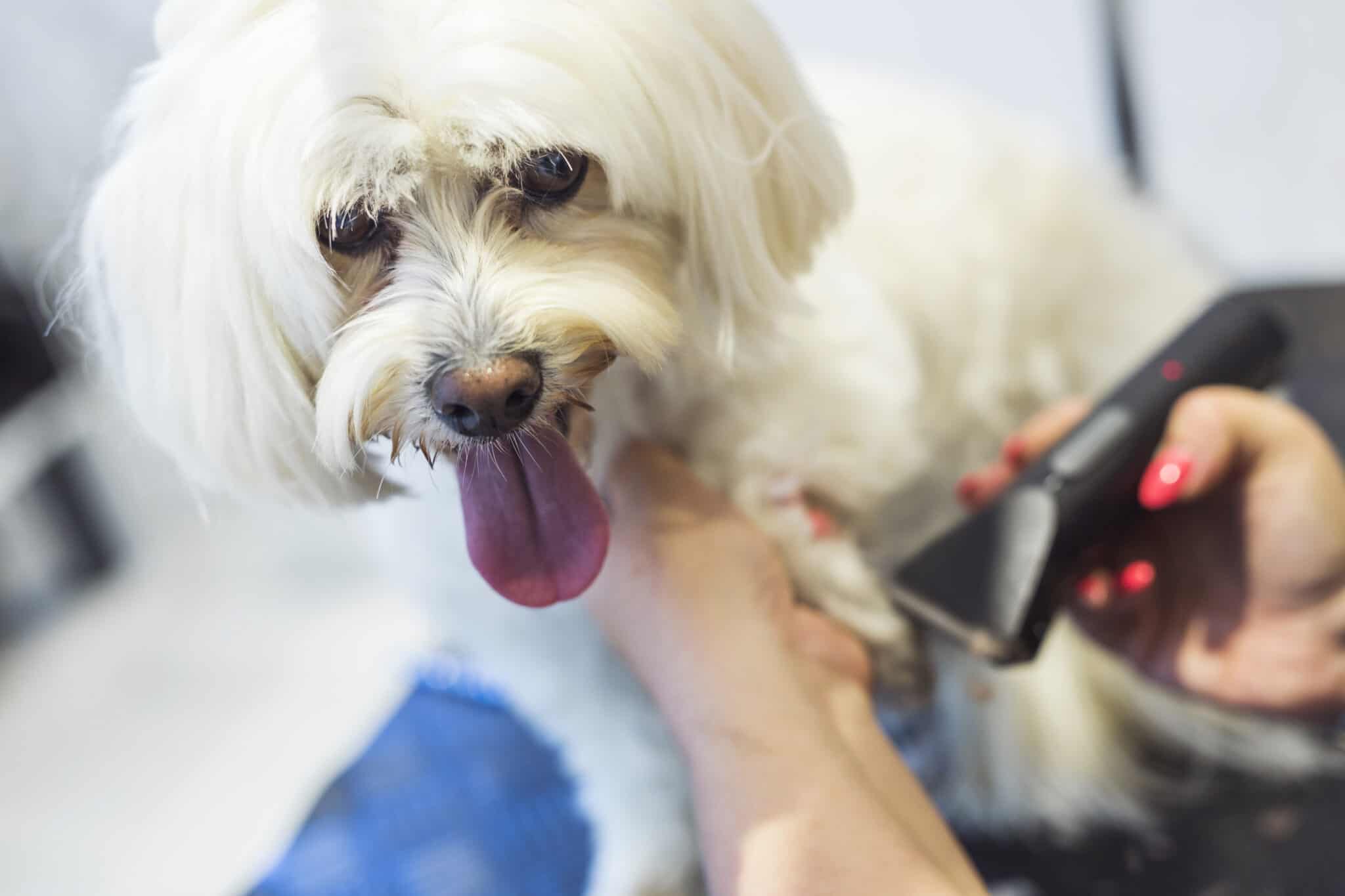
Grooming is one factor that comes in the package when you get a dog. You cannot raise your pet without taking it to the groomers once in a while to freshen up. It is necessary for a pet because it enhances their well-being and health in general.
Taking your dog to the groomers will help eliminate any type of shedding, ticks, fleas, and other health problems. If your pet is facing any issues, but they seem invisible to you, grooming them will allow you to find out what exactly is bothering them, as diseases can be underlying. Other benefits include:
1Fur Maintenance
We observe, in a lot of movies, where the dog gets sprayed down with a hose, and people call that a day and believe their dog is clean. Although we all want an easier way out, dogs require seasoned grooming to help them get rid of shedding and fleas.
Your dog may look clean, but if it’s a hairy dog, it can have a lot of stuck undercoats and want to come out. If your dog’s hair is not brushed regularly, it’ll end up getting tangled and cause mats. Grooming is essential to help your dog avoid the pain and discomfort created by matting.
2Joint Pain Relief
Like human nails, dogs’ also grow. Sometimes we like to paint them and make the dog’s feet look pretty without thinking about the discomfort long nails will put them through. Dogs experience a lot of joint pain due to nails that are not being cut.
Because this is a widespread issue with regard to dogs, grooming has become one of the best ways to avoid it. Some dogs even walk messily because of their rumpled pads. Trimming their nails helps them by preventing the nails from curling. This also is beneficial as germs cannot enter through the nails.
3Detect Preventable Diseases
If you are consistent in taking your pet to grooming sessions, another beneficial factor is the detection of any underlying issues, as mentioned earlier. For example, if the dog suffers from infections or inflammations, rashes, lumps, or lesions, a groomer can find them and tell you immediately.
It’s for these sorts of issues to remain naked in the eyes of the owner, but with the help of a groomer, they can detect it quickly and seek help. The treatment process can become shorter, and the effectiveness will improve. Therefore, a combination of regular exercise and regular visits to the vet will ensure that your dog lives a long life.
Conclusion
An excellent-smelling pet is great to have around. Spending the day at the groomers can even beneficially enhance their behavior and how they react to stressful situations. It’s essentially like a spa day for dogs and will help them relax and stay calm throughout the process.
Once your dog grows accustomed to grooming, you must take them for regular sessions. This will help your dog’s groomer keep an eye out for any underlying conditions. Subsequently, you can visit the vet and get your buddy out of harm’s way quicker and more efficiently.