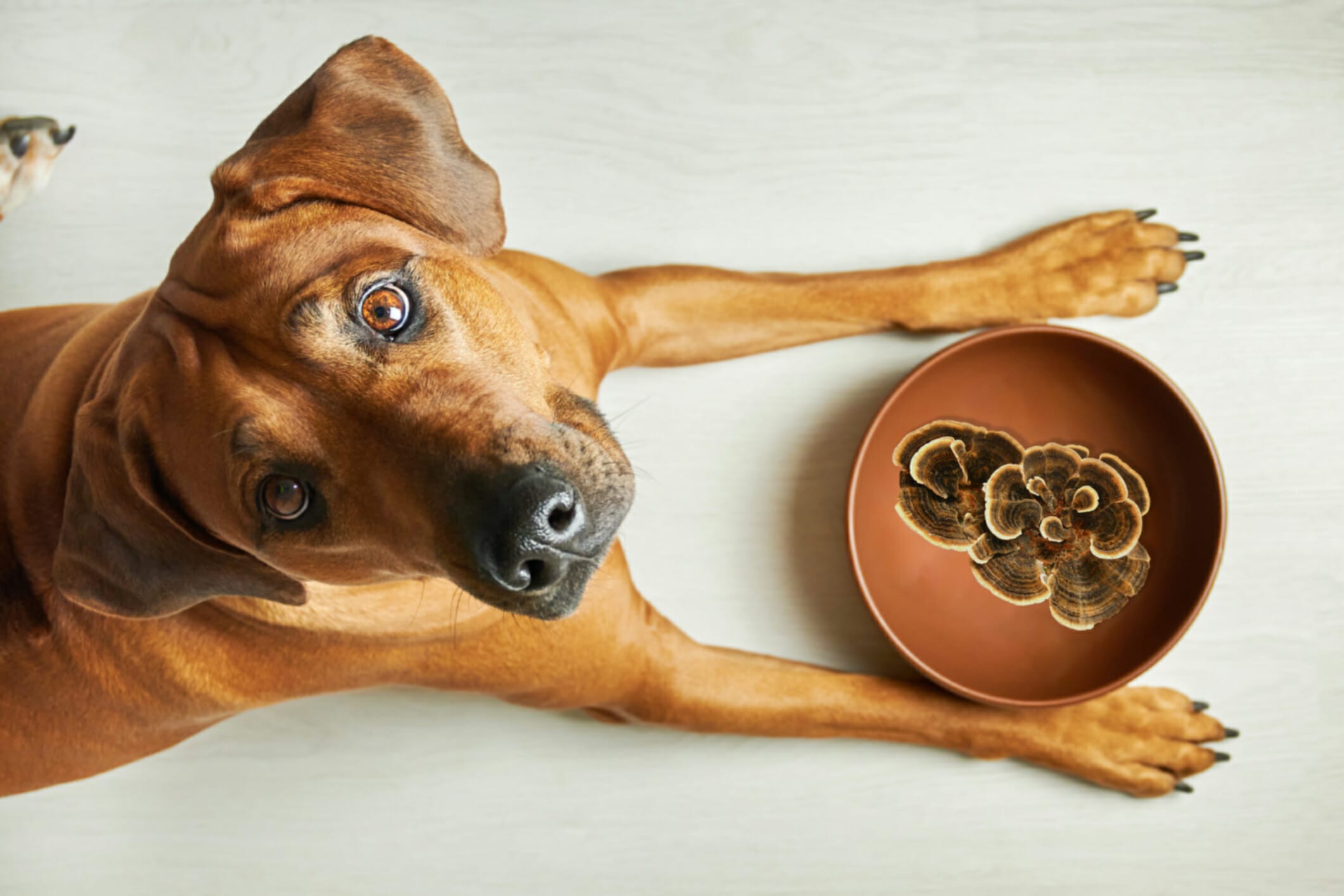

The main potential benefits of lion's mane mushroom for dogs are support for brain and nerve health (especially in senior dogs), gut and immune support, and antioxidant and anti-inflammatory effects. Keep in mind that most of the research so far comes from lab, animal and small human studies rather than trials in dogs, so think of it as a supplement that may help, not a proven treatment.
Lion's mane is a large, white, edible fungus that is generally considered safe for dogs when you use cultivated mushrooms or a product made for pets. Its best-known potential benefit is for the brain and nervous system.
Want to learn more about how lion’s mane mushroom can benefit your dog? Keep reading!
What is Lion’s Mane Mushroom?
The scientific name for the lion’s mane mushroom is Hericium Erinaceus. It’s a type of tooth fungus native to North America, Asia, and Europe. This edible mushroom has been used for centuries in traditional Chinese medicine and is now gaining popularity as a natural supplement for dogs.
Never seen a lion’s mane mushroom before? Just imagine a big, white, spiky blob! These strange-looking mushrooms can grow up to 15 inches in diameter and have a hairy appearance (hence the name “lion’s mane”). They may even remind you of a cute, little Bolognese.
Flavor
________ Rated 4 out of 5
Natural
________ Rated 4.6 out of 5
Quality
________ Rated 4.6 out of 5
Price
________ Rated 4 out of 5
Overall
________ Rated 4.5 out of 5
Are Lion’s Mane Mushrooms Edible for Dogs?
Yes, lion’s mane mushrooms are generally considered safe for dogs to eat. They contain fiber, some protein, and antioxidants, as well as compounds that may support your dog’s immune system.
Only give your dog lion's mane from a store or a supplement made for pets, never mushrooms picked in the wild. Many wild mushrooms are highly toxic to dogs and can be hard to tell apart, so if your dog eats an unknown mushroom outdoors, call your vet or a pet poison helpline right away. If you feed fresh lion's mane, cook it plain, without butter, oil, salt, onion or garlic.
However, if you’ve never given your dog mushrooms before, it’s always best to start with a small amount. This will help you gauge their reaction and ensure they don’t have any allergies. Better yet, talk to your veterinarian first to see if giving your dog mushrooms is the right decision.

Benefits of Lion’s Mane Mushroom for Dogs:
There are several potential benefits of feeding your dog lion’s mane mushrooms. Let’s discuss 5 of the most promising ones:
1Boosts Cognitive Function
As mentioned earlier, one of the most notable benefits of the lion’s mane mushroom is its cognitive-enhancing properties. Small studies have suggested it may support memory and cognitive function in humans, and it may do the same for dogs, although this hasn't been properly tested in dogs yet.
Laboratory and animal studies also suggest that compounds in Lion’s Mane (hericenones and erinacines) may stimulate nerve growth factor and support nerve repair. Hence, these mushrooms may particularly benefit senior dogs or those with neurological conditions.
Some owners also use Lion’s Mane for dogs with CCD (Canine Cognitive Dysfunction, sometimes called doggy dementia). If your dog is showing signs of forgetfulness or confusion, see your vet first, as other illnesses can cause similar signs and there are proven treatments and diets for CCD; lion's mane can then be discussed as an add-on.

2Boosts Immune Health
Did you know that a large part of your dog’s immune system lives in his gut? This is why maintaining a healthy gut is essential for your pup’s overall health. The good news is, Lion’s Mane mushrooms can help with that. These fungi contain prebiotic fibers, such as oligosaccharides and beta-glucans, that may feed the good bacteria in your pooch’s gut. Note that a healthy gut microbiome is essential for a strong immune system.
In addition to that, Lion’s Mane mushrooms are also rich in antioxidants. These compounds help neutralize free radicals in your dog’s body, which may support a healthy immune system.

3Improves Heart Health
Lion’s Mane mushrooms are also believed to support heart health. They contain antioxidants such as ergothioneine that may help protect cells from oxidative stress, and some animal studies suggest they may help with blood fat and blood sugar levels. These effects haven't been shown in dogs yet.
The risk of heart disease tends to be higher in obese or overweight dogs. If your furry friend falls into this category, the most important steps are a vet-guided weight loss plan and regular exercise; a supplement like Lion's Mane is a small extra at best.

4May Help Prevent Cancer
Cancer doesn’t just affect humans; dogs can get it too. Medicinal mushrooms are being studied for their possible role in supporting dogs with cancer, and Lion’s Mane is one of them. Along with this, you can add Turkey Tail mushrooms and Reishi mushrooms to your dog’s diet as well.
These three mushrooms are rich in antioxidants and anti-inflammatory compounds, and they contain beta-glucans that may stimulate the immune system. Lab studies have shown some anti-cancer effects, but there is no proof that lion's mane prevents or treats cancer in dogs. If your dog has cancer, talk to your vet or veterinary oncologist before adding any supplement, as some can interact with treatment.

5Packed with Antibacterial Properties
Lion’s Mane mushrooms may also have antibacterial properties. In lab studies, extracts have shown activity against some bacteria, including Helicobacter pylori and Staphylococcus, but that doesn't mean eating the mushroom will treat an infection in your dog.
It's true that antibiotics should only be used when they're really needed, as overuse can lead to resistance and upset the good bacteria in your pup’s gut. But if your vet diagnoses a bacterial infection and prescribes antibiotics, give the full course as directed. Lion's mane is not a replacement for antibiotics or any other prescribed treatment.

Adding Lion’s Mane Mushrooms To Your Dog’s Diet:
Now that you know all the amazing health benefits of Lion’s Mane mushrooms for dogs, you must be wondering how to add them to your furry friend’s diet. The best way is to feed your dog dried or powdered Lion’s Mane mushrooms.
You can either mix the powder with your dog’s food or sprinkle it on top. Start with a small amount and gradually increase it as needed. The exact dosage of Lion’s Mane mushrooms for dogs will depend on several factors like their age, weight, and health condition. So, it’s always best to ask your vet for advice.

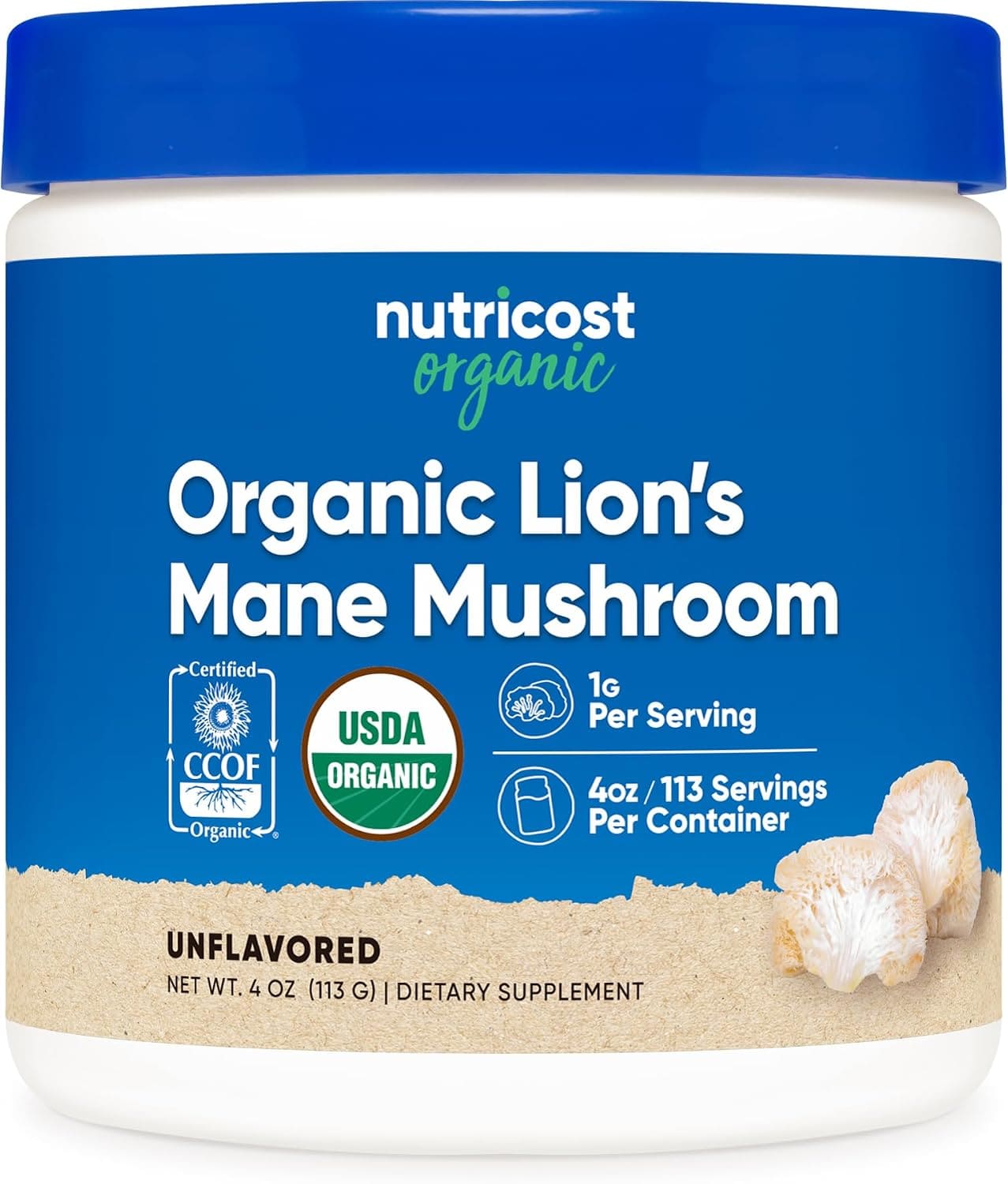
You can also give your dog Lion’s Mane supplements. But, make sure to choose a high-quality product specifically made for dogs. Again, consult your vet before starting your furry friend on any new supplement.
Lion’s Mane mushrooms are generally safe for dogs. But, in rare cases, they may cause digestive issues like gas, soft stools or an upset stomach, or an allergic reaction. If you notice any of these side effects, stop feeding your dog Lion’s Mane, and call your vet if your dog has itching, swelling, vomiting or diarrhea that doesn't settle.
Pregnant or nursing dogs should also avoid Lion’s Mane mushrooms. Apart from that, if your dog is on any medication, check with your vet first before giving them Lion’s Mane.
The Bottom Line
Lion’s Mane mushrooms are a promising supplement for dogs. These fungi are high in antioxidants, anti-inflammatory compounds, and beta-glucans, which may support your dog’s brain, gut and immune system. Research in dogs is still limited, though, so see them as a possible extra rather than a cure.
If you’re looking for a natural way to support your dog’s health, Lion’s Mane mushrooms may be worth trying. However, make sure to check with your veterinarian first, especially if your dog is pregnant, nursing, or on any medication.

Get The Ideal Dog Routine, free
A 10-page guide written by a vet: a sample daily routine, exercise and alone time, and grooming and vet check schedules.
We'll email you the download link. Unsubscribe anytime.