Why Does My Dog Wait for My Other Dog to Finish Eating?
 Written by Tim de Jong
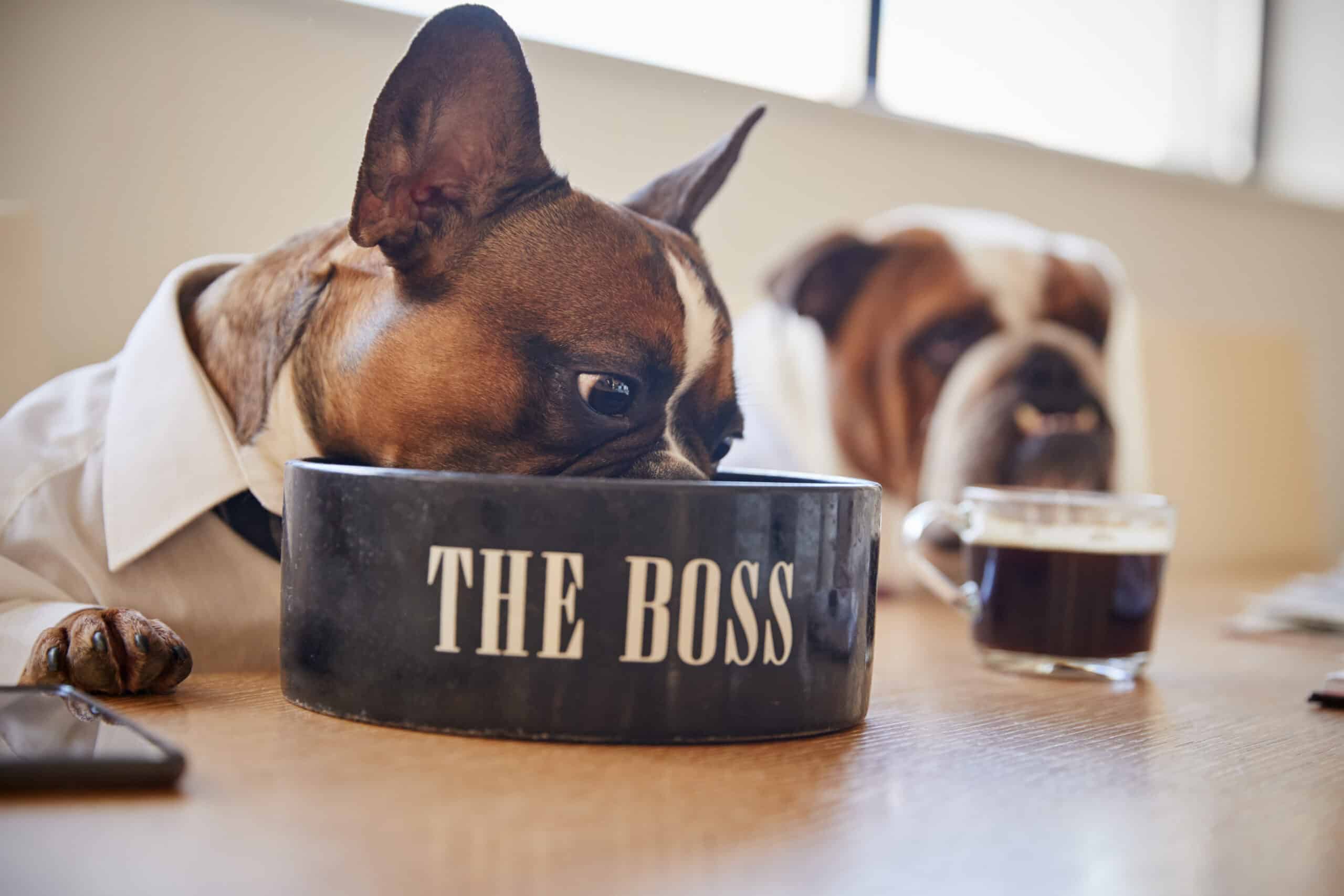
A dog that won’t eat until your other dog finishes is usually deferring to that dog to avoid conflict. Often the other dog has signaled, sometimes very subtly with a stare or a stiff posture, that it cares a lot about food, so the waiting dog plays it safe. The easiest fix is to feed your dogs apart, in separate rooms or crates, so each one can eat in peace.
Let’s go over the most common questions about why your dog waits to eat and how to feed two dogs without stress. Let’s d-i-g in!
Why does one of my dogs wait for the other dog to finish eating?
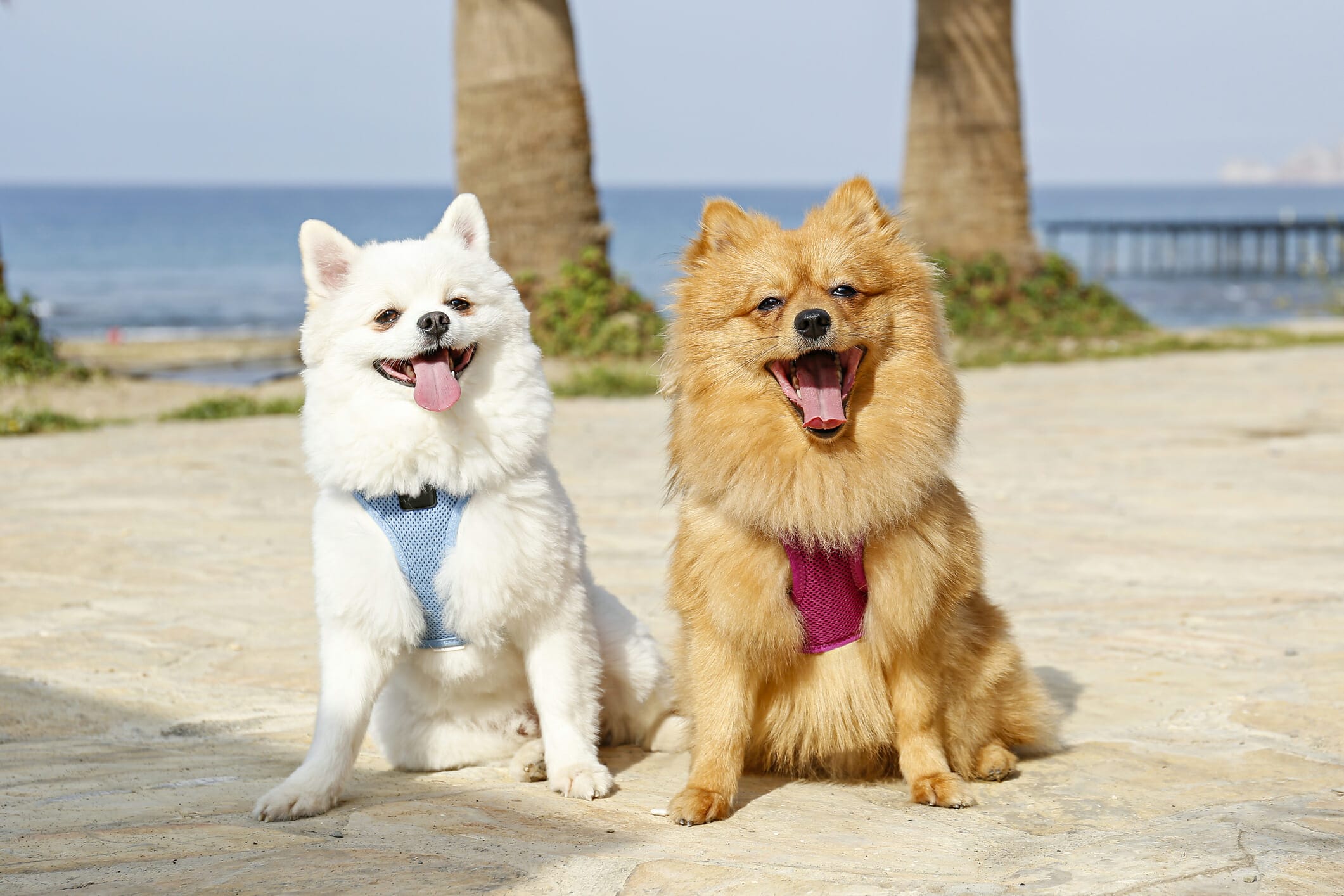
If you’ve ever had two dogs, you may have noticed that one of them always seems to wait for the other to finish eating. There are a few possible explanations for this behavior. (If you're still deciding on a second dog, see how much harder it is to have two dogs.)

The most common one is that the dog is being deferential: it has learned that the other dog values food highly, and waiting is its polite way of avoiding a squabble. Another possibility is that the dog simply prefers to eat in peace and quiet and knows it won’t get that opportunity while the other dog is hovering nearby. Some dogs are also just anxious eaters, or are hoping to check the other dog’s bowl for leftovers once it walks away.
Whatever the reason, this behavior is often seen in pairs of dogs. It isn’t a problem as long as the waiting dog eventually eats its full meal and stays at a healthy weight. If the waiting dog starts skipping meals, loses weight, or the behavior appears suddenly, check with your vet, as a drop in appetite can also be a sign of illness or dental pain. A related behavior is why one dog always wants what the other dog has.
Why doesn’t my dog let my other dog eat?
There are a few possible reasons why your dog might not be letting your other dog eat.

The most likely reason is resource guarding: your dog sees food, and the area around the bowls, as something worth protecting. Guarding is a normal dog behavior rooted in insecurity rather than a bid for “dominance”, but it can escalate into fights if dogs are fed too close together.
Watch for signs like stiffening over the bowl, eating faster when the other dog approaches, staring, lip-lifting or growling. If your dog has always been relaxed around food and this is new, pain or illness may be making him grumpier than usual, so a vet check is a good idea.
If the guarding is intense or has led to fights, feed the dogs completely separately and consult a veterinarian or a qualified animal behaviorist. Don’t punish the guarding dog, as that tends to make guarding worse.
Does the dominant dog eat first or last?
There’s no fixed rule. The old idea of a strict “alpha” that always eats first came largely from studies of unrelated wolves kept together in captivity. In wild wolf families, parents often let their young eat, and relationships are more flexible than a simple ranking.
In pet dogs, the dog that eats first or controls the food is usually simply the one that cares most about food at that moment. One dog may control the food bowl while the other gets first pick of the toys or the best spot on the couch.

So, rather than worrying about which dog is “dominant”, focus on making mealtimes calm and safe for both dogs. If one dog consistently waits, that’s its way of keeping the peace, and giving each dog its own space at mealtimes removes the tension altogether. Dogs show their relationship in other ways too, such as when one dog licks the other dog's ears.
Can 2 dogs share a food bowl?
While it may be tempting to let your two dogs share a food bowl, it’s important to know that there are some risks involved.
Many dogs naturally guard their food, and sharing a food bowl can lead to conflict. In addition, if one dog is a faster or pushier eater, the other may not get enough to eat, and you can’t tell how much each dog actually ate.
For these reasons, it’s generally best to provide each dog with its own food bowl. This way, you can avoid potential problems and ensure that both dogs get the nutrition they need.

Should I feed my dogs together?
There is no one answer to the question of whether or not you should feed your dogs together.
Some dogs eat happily side by side with no tension at all. For others, eating close together leads to problems such as gulping food, stealing from each other’s bowls, or fighting over food.

Ultimately, the decision of whether or not to feed your dogs together depends on your individual situation and the temperament of your dogs. If you have multiple dogs that get along well and both eat in a relaxed way, feeding them in the same room with plenty of space between bowls may be fine.
However, if one dog guards food, waits anxiously, or steals from the other, it’s better to feed them separately. Watch your dogs closely at mealtimes for a while to see what works best for them.
How do you feed two dogs at the same time?
One common challenge that pet owners face is how to feed two dogs at the same time. While it may seem like a simple task, there are actually a few things to consider in order to ensure that both dogs are getting the nutrition they need.

One option is to feed them separately. This allows you to control how much each dog eats and prevent any fighting over food. However, it can be time-consuming if you have a lot of other things to do. Another option is to feed them at the same time but in different rooms, behind a baby gate, or in their own crates. This way, they can’t see each other and are less likely to fight over the food, and the waiting dog can relax and eat. Finally, if your dogs are relaxed around each other, you could feed them from separate bowls placed well apart, ideally on opposite sides of the room.
Whichever setup you choose, pick up the bowls once each dog has finished, so empty bowls don’t become something to squabble over, and give your slower eater enough time to finish without the other dog hovering nearby.
The bottom line
No matter what option you choose, the most important thing is to make sure that both dogs are getting the nutrition they need. Feeding them separately is usually the best way to ensure this, but you may also want to try different techniques to see what works best for you and your dogs.
Get The Ideal Dog Routine, free
A 10-page guide written by a vet: a sample daily routine, exercise and alone time, and grooming and vet check schedules.
We'll email you the download link. Unsubscribe anytime.