The Rottweiler temperament is confident, calm, loyal and protective: a well-bred, well-socialized Rottie is affectionate and playful with its family, naturally watchful and reserved with strangers, and fearless without being aggressive. That good temperament depends heavily on early socialization and consistent, reward-based training, because this is a powerful dog with strong guarding instincts.
There’s no denying that Rottweilers are imposing dogs, with their muscular bodies and intimidating looks (we look at whether they really have a six-pack in dogs with abs). Below, we look at each side of their personality, how they do with children and other dogs, their history and health, and tips for living with one.
Rottweiler Temperament
Rottweilers are generally considered to be imposing, yet their gentle and loving nature should not go unnoticed. To get the best out of these noble canines, it is important to understand their temperament. Here are the traits that define it:

1Rottweiler Temperament Fearless
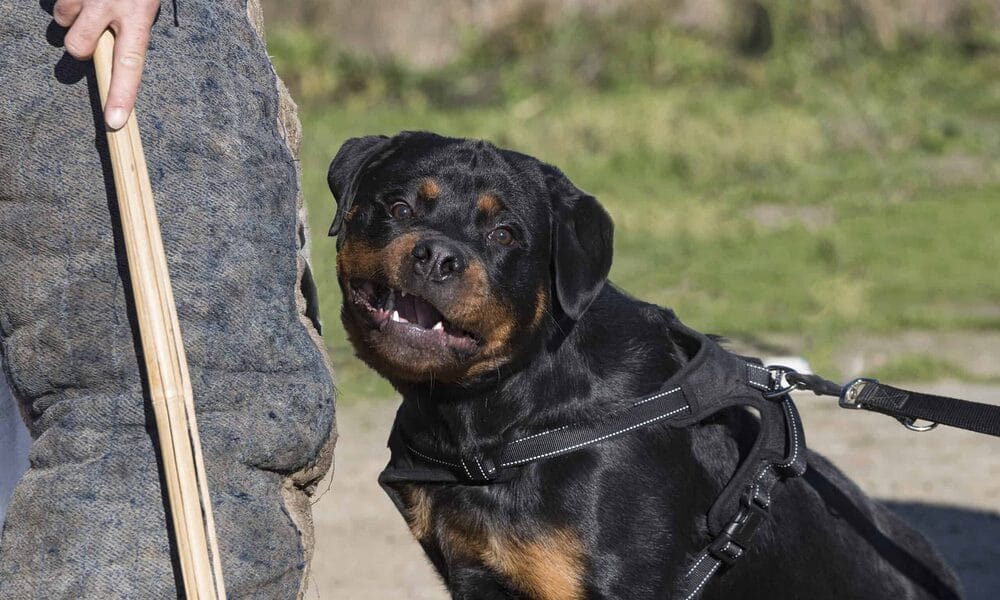
If you’re looking for a faithful, brave guardian to join your family, look no further than the rottweiler. These dogs are loyal and unafraid of defending their owners, yet they still need proper socialization and training at an early age in order to keep their aggression under control.
With these tools in place, a rottweiler can be a great protector – perfect for anyone who wants an unwavering companion!
2Rottweiler Temperament With Other Dogs
Rottweilers are typically viewed as being hostile to other pooches, yet this isn’t necessarily so. If the Rottie is exposed to early and continual socialization with canines of all sizes and ages, they have the potential to be incredibly friendly companions.
It’s essential that owners start introducing their Rottweiler pup to other dogs at an early age so they stay on good terms with them; without this, a powerful adult dog may react badly to unfamiliar dogs. Some Rottweilers, particularly two adults of the same sex, may never get along with every dog, so introduce new dogs slowly and on neutral ground.

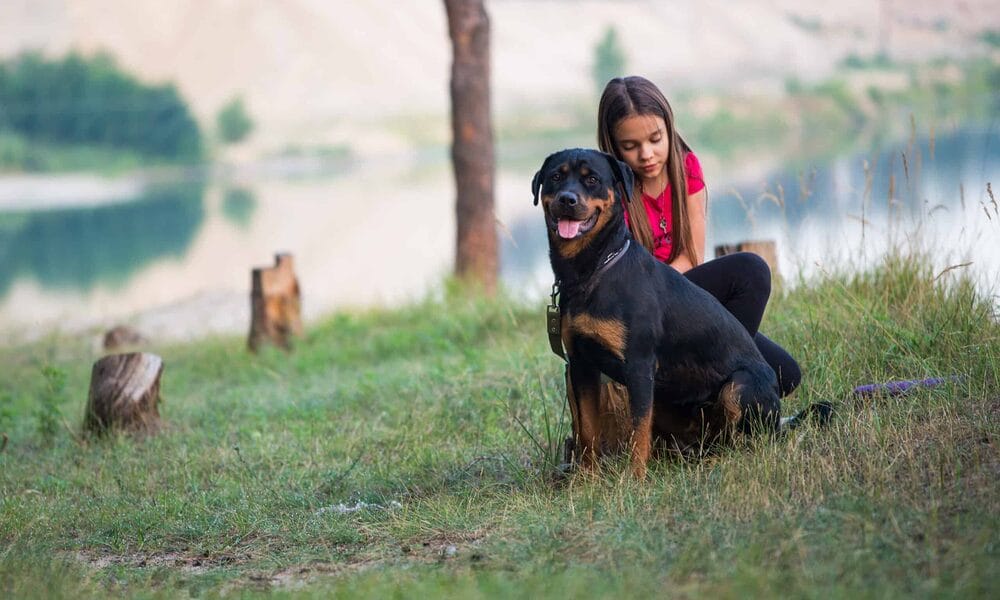
3Rottweiler Temperament With Children
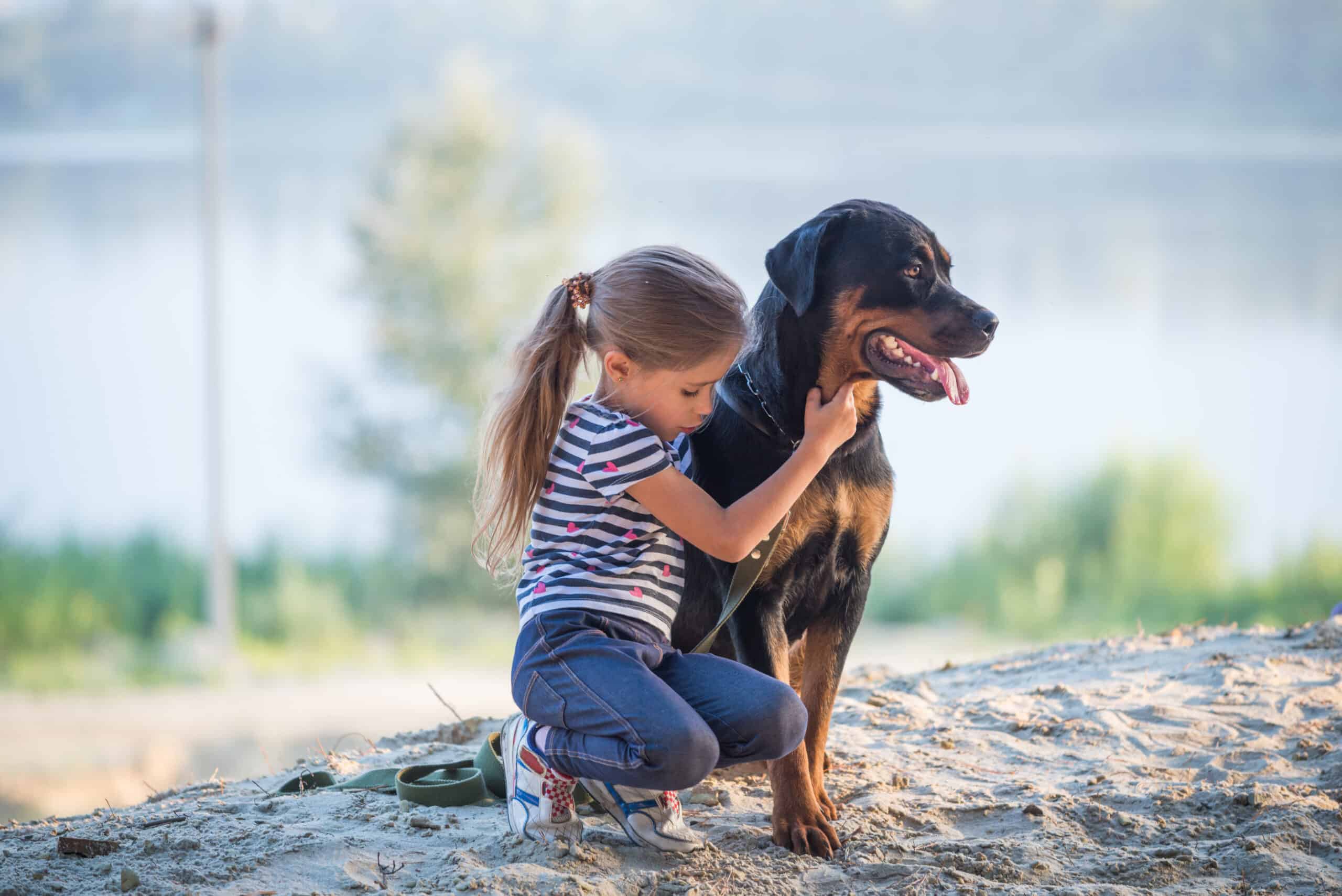
Rottweilers are celebrated for being superb family dogs: they show tremendous loyalty and love toward their families, including children. Still, due to their instinctual alertness and protective nature towards those in their homes, it is imperative that Rottweilers get used to small kids early on and are supervised around them at all times. Their size alone means a playful Rottie can knock over a toddler, and children's rough play can look like a threat to a protective dog.
If properly trained from a young age however, Rottweilers can be excellent animals to share your home with!
4Rottweiler Temperament Obedient
Rottweilers are intelligent pooches that thrive on pleasing their masters, and they will often put time in to learn commands and tricks. That said, these dogs can be quite stubborn if not trained from a young age with calm, firm consistency and plenty of rewards.
If you don’t take the initiative to provide sufficient training for your Rottweiler, it might become disobedient or out of control. To ensure maximum obedience levels, proper training is key!

5Rottweiler Temperament Self-Assured
Boasting a bold, self-assured bark that sounds like an authoritative “I’m here!” and radiating safety around its family members, Rottweilers are not easily intimidated. These loyal companions will stand their ground against anyone they believe is threatening them or those they love, including the family's other pets.
Although their stubbornness can make training tricky at times, these dogs flourish with clear guidance combined with consistency.

6Rottweiler Temperament Alert
Rottweilers are vigilant guardians who keep a keen eye out for potential danger. They will sound the alarm if they sense something is amiss and can be counted on to safeguard their families from any harm that may come their way. To ensure these noble creatures don’t become an annoying nuisance, it’s essential to practice proper training with them so they know when barking is appropriate and silence is required.

7Rottweiler temperament good-natured
Rottweilers are good-natured dogs that are friendly and loving with their families. When raised with them, many are tolerant of other animals and children, and they enjoy spending time with people.
However, Rottweilers can also be very protective of their families. Combined with their size and strength, this means they may not be the best fit for homes with very young children unless the adults have time to train and supervise carefully.
It’s important to introduce rottweilers to children early on and to supervise them closely when they are together.
Rottweilers can make great family pets if they are raised correctly.

8Rottweiler Temperament Steady
Rottweilers possess a great disposition, making them perfect guardians for families. These dogs are not only steady and composed in the face of potential danger, but they also remain undeterred by any distractions or surprises. Not to mention that their size can be intimidating enough to make anyone think twice about acting out!
Again, it’s essential to ensure appropriate socialization from an early age; otherwise, these majestic pooches may become fearful and manifest aggression as a result of anxiety.

9Rottweiler Temperament Devoted
Rottweilers are devoted dogs that form strong bonds with their families. They are protective of their loved ones and will do anything to keep them safe. Rotties are loving and affectionate with their families, but they can be standoffish with strangers.
This doesn’t mean that they’re aggressive, however; they simply need some time to warm up to new people. Once they know someone is trustworthy, they will be friends for life.
Rottweilers make great family pets, but they require owners who are willing to commit to training and socialization. Without these things, Rotties can become bored and destructive. However, when given the love and attention they deserve, Rotties are loyal, loving companions that will bring joy to your life.

The History Of The Rottweiler Breed
The Rottweiler is generally believed to descend from the drover dogs that Roman armies used to herd cattle across Europe. The breed takes its name from the market town of Rottweil in southern Germany, where these dogs drove cattle to market and pulled butchers' carts, which earned them the nickname "Rottweiler Metzgerhund" (Rottweil butcher's dog).
When railways replaced cattle drives in the 19th century, the breed lost much of its job and its numbers dropped sharply. Rottweilers made a comeback in the early 1900s as police and guard dogs, thanks to their intelligence, strength and steady nerves. The first breed standard was written in Germany in 1901, and the American Kennel Club recognized the breed in 1931.
Today, the Rottweiler is one of the most popular dog breeds across the globe, working as a family companion, guard dog, search-and-rescue dog and therapy dog.
Why Rottweilers Make Great Family Dogs
For the right family, Rottweilers are one of the best breeds around. Here are some of the reasons why:
First, Rottweilers are renowned for their unwavering loyalty and devotion, making them excellent guardians of a family home. In addition to that impressive trait, these powerful pups are also remarkably intelligent and learn quickly with reward-based training. Raised with children, they’re often gentle and loving towards them. Their short coat is low-maintenance, and while they need plenty of daily exercise and mental work, a well-exercised Rottie is calm and relaxed indoors. Their typical lifespan is around 9–10 years.
All of these qualities make rottweilers excellent family dogs. If you are looking for a loyal, intelligent, and loving companion, then a rottweiler may be the perfect breed for you.
Common Rottweiler Health Problems
Rottweilers are a robust breed of dog, but like all dogs, they are susceptible to certain health problems.
Among the most familiar medical conditions afflicting Rottweilers are hip dysplasia and elbow dysplasia, both of which can cause pain and lameness. Torn cruciate ligaments in the knee are also common in this heavy, athletic breed.
Rottweilers are also at higher risk than many breeds of bone cancer (osteosarcoma), which often shows up as lameness or swelling in a leg. Unlike a sprain, it is a malignant and aggressive cancer, so a limp that doesn't improve within a few days should always be checked by a vet.
Last but not least is bloat (gastric dilatation-volvulus, or GDV): a life-threatening emergency in which the stomach fills with gas and can twist on itself. Signs include a swollen belly, retching without bringing anything up, drooling and restlessness. We explain the warning signs in will a dog with bloat sleep.
Thankfully, there are precautions that all owners can take to reduce the likelihood of these health issues. Choosing a breeder who screens parents for hip and elbow dysplasia, keeping your dog at a healthy weight, and avoiding too much high-impact exercise while a puppy is growing all help protect the joints. Feeding two or more smaller meals a day and avoiding vigorous exercise right before and after meals may help reduce the risk of bloat.
Call your vet straight away if you suspect bloat, and book a visit for any lameness that lasts more than a few days, a new lump, or a sudden change in energy or appetite.

Tips For Living With A Rottweiler
Despite their fierce reputation, Rottweilers are actually fiercely loyal and exceedingly affectionate pets. With the correct training and socialization techniques, they can be a great addition to any household. Here’s how you can make life with your new pooch even more wonderful:
- To train your Rottweiler effectively, stay consistent. Although they are intelligent dogs, their stubbornness can make them difficult to handle at times. Use the same commands and the same rules every day, reward the behavior you want, and avoid harsh punishment, which can make a protective dog more defensive. Puppy classes and early socialization with lots of people, dogs and places are a must.
- To keep your Rottweiler healthy and content, you need to ensure they have regular physical activity. A vigorous daily walk or run is ideal but with some ample playtime in the yard everyday, it will be more than enough to meet their energy needs.
- As you consider bringing a Rottweiler into your home, remember that they are known for drooling and shedding. Make sure to keep some cloths nearby in order to wipe up any messes as quickly as possible. Furthermore, regular brushing is essential when it comes to keeping their shedding under control!
- Give them lots of love and attention. Rottweilers are incredibly loving dogs that need human interaction to be happy; make sure you give them plenty of hugs, pats, and belly rubs!
Conclusion
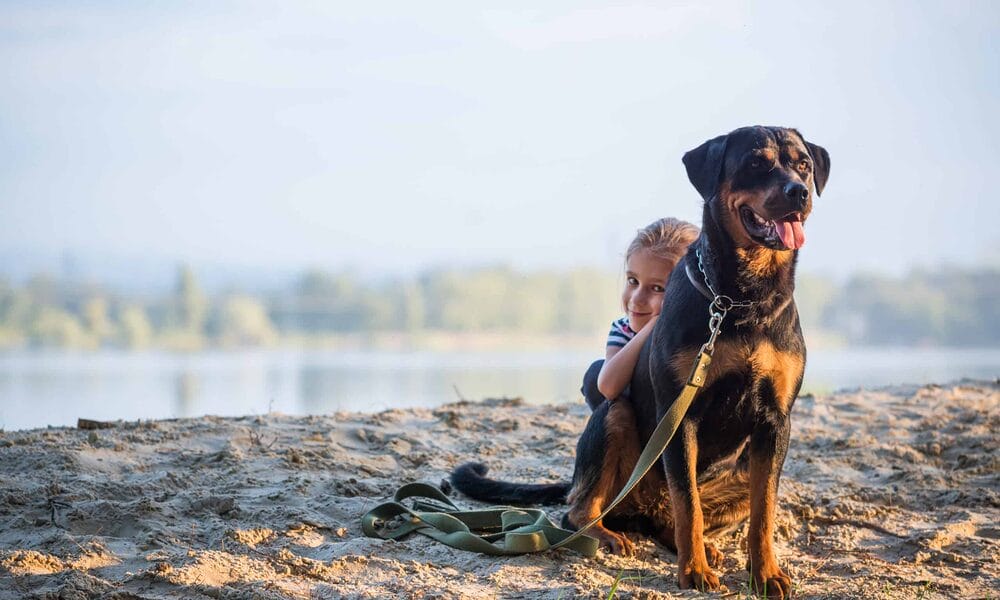
If you and your family are searching for a fully devoted companion, then look no further than the loyal rottweiler. These affectionate and protective canines will watch over everyone, and they learn quickly when trained with patience and consistency.
Of course, it is essential that you be aware of common health issues relating to this breed so that preventive measures may be taken quickly if needed. With proper exercise and attention, a rottweiler as part of your household will bring joyfulness while keeping all secure from any potential harm!

Get The Ideal Dog Routine, free
A 10-page guide written by a vet: a sample daily routine, exercise and alone time, and grooming and vet check schedules.
We'll email you the download link. Unsubscribe anytime.