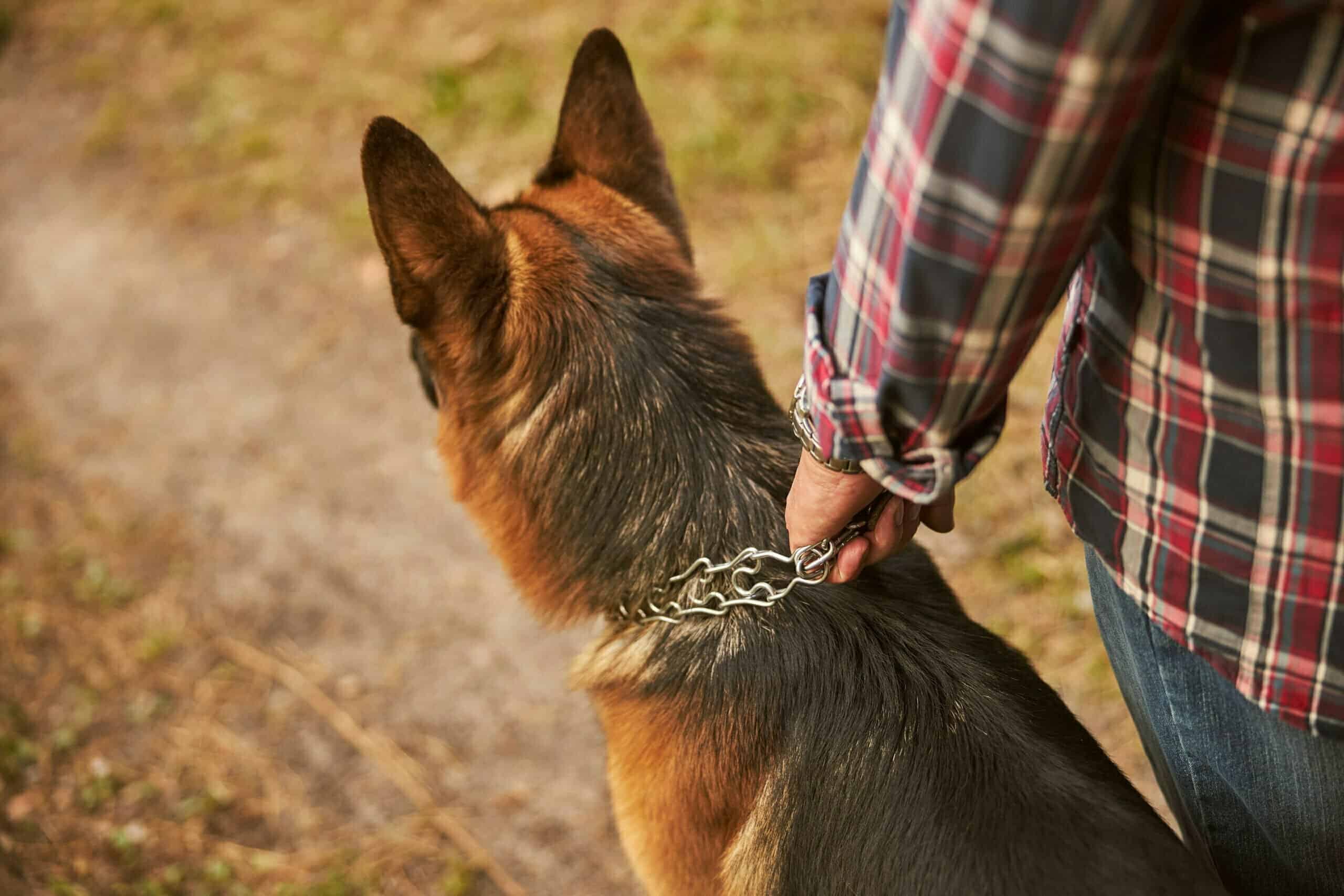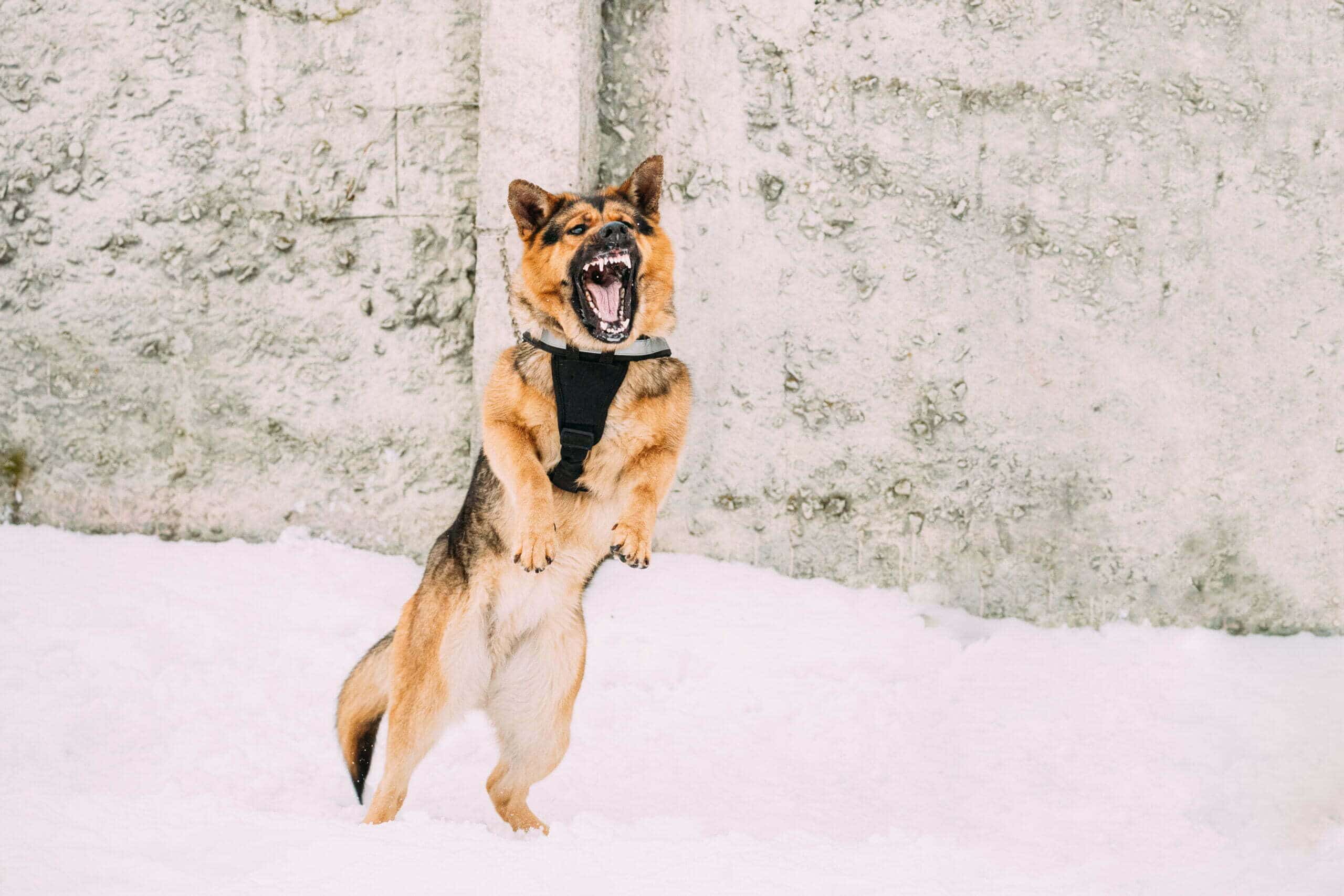
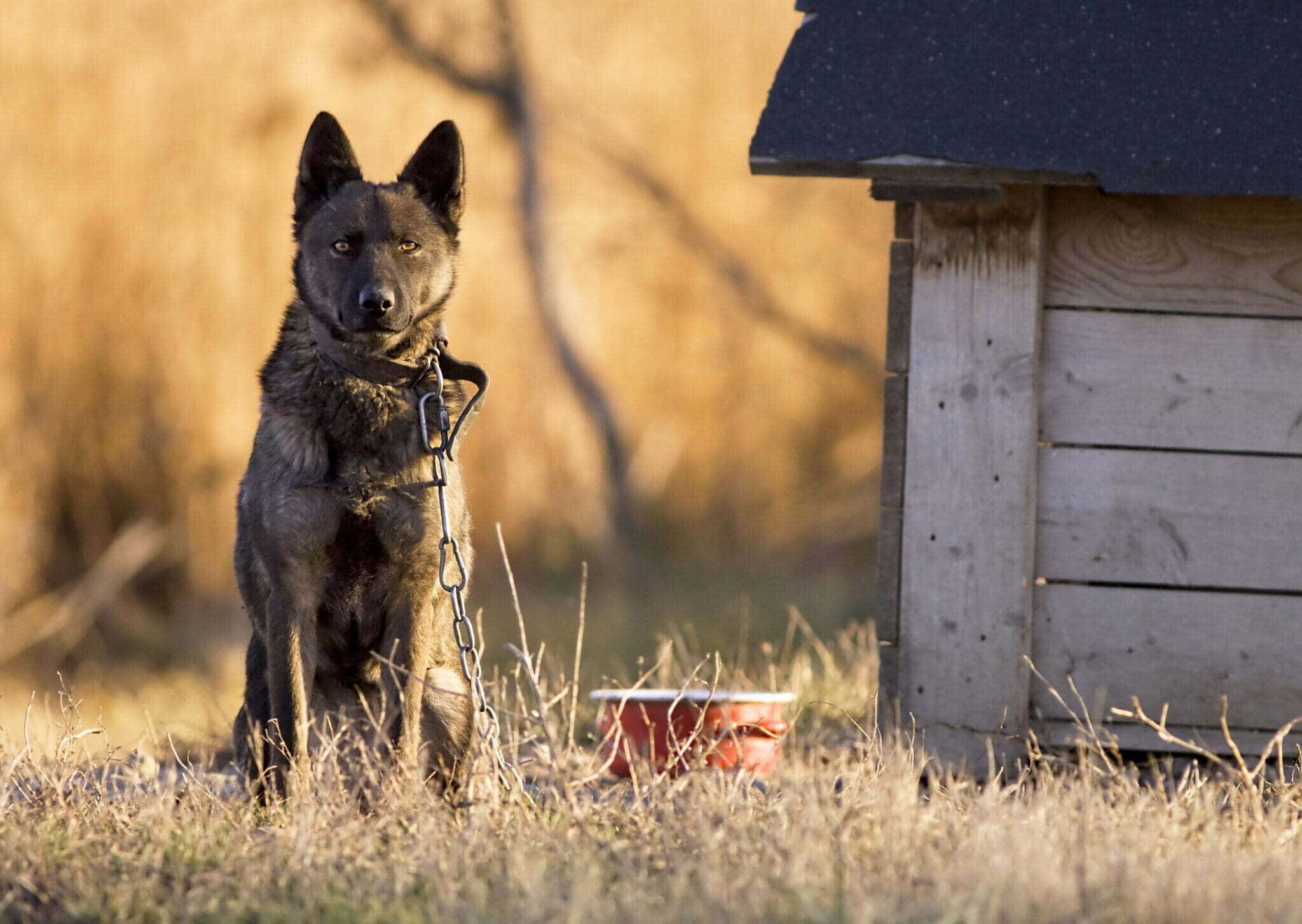
Chaining a dog has been shown to increase the risk of aggressive behavior, but does that mean all chained dogs are aggressive? Not necessarily. Many factors can contribute to aggression in dogs, and chaining is just one of them. Let’s take a closer look at how chaining can lead to aggression, and what you can do to prevent it.
How chaining a dog can lead to aggression
Chaining a dog can lead to aggression for several reasons:
1Form of confinement
First of all, it is a form of confinement, and dogs are social animals who thrive on companionship. When you chain your dog, he is isolated from the rest of the family and can become anxious and frustrated. This can lead to aggressive behaviors such as barking and lunging. This frustration-driven reaction is closely related to barrier aggression in dogs.
2Limited socialization
Another reason chaining can lead to aggression is that it limits your dog’s socialization. When your dog is chained, he cannot interact with other people and animals as he would normally. This lack of socialization can make your dog fearful and suspicious of others. And because a chained dog can't escape from something that frightens him, such as a child or another dog wandering into his space, he is more likely to defend himself by biting.
3Lack of exercise
Another factor that can contribute to aggression is a lack of exercise. Dogs need to burn off energy, and when they are chained up all day, they don’t have the opportunity to do so. This can lead to frustration and even aggression.
4Lack of human interaction
Finally, another reason chaining can lead to aggression is a lack of human interaction. When your dog is chained up, he isn’t getting the attention he needs from you. This can lead to boredom, separation anxiety, and ultimately, aggression.

How to prevent aggression when chaining a dog
First of all, we are against chaining dogs for any length of time. It is inhumane and can lead to aggression. Many states, cities and countries also restrict or ban tethering dogs for long periods, so check your local laws. Better alternatives include a securely fenced yard, a kennel run, or keeping your dog indoors with the family. However, if you must tether your dog for a short time, there are some things you can do to keep him safe and prevent aggression.
1Only chain your dog for short periods
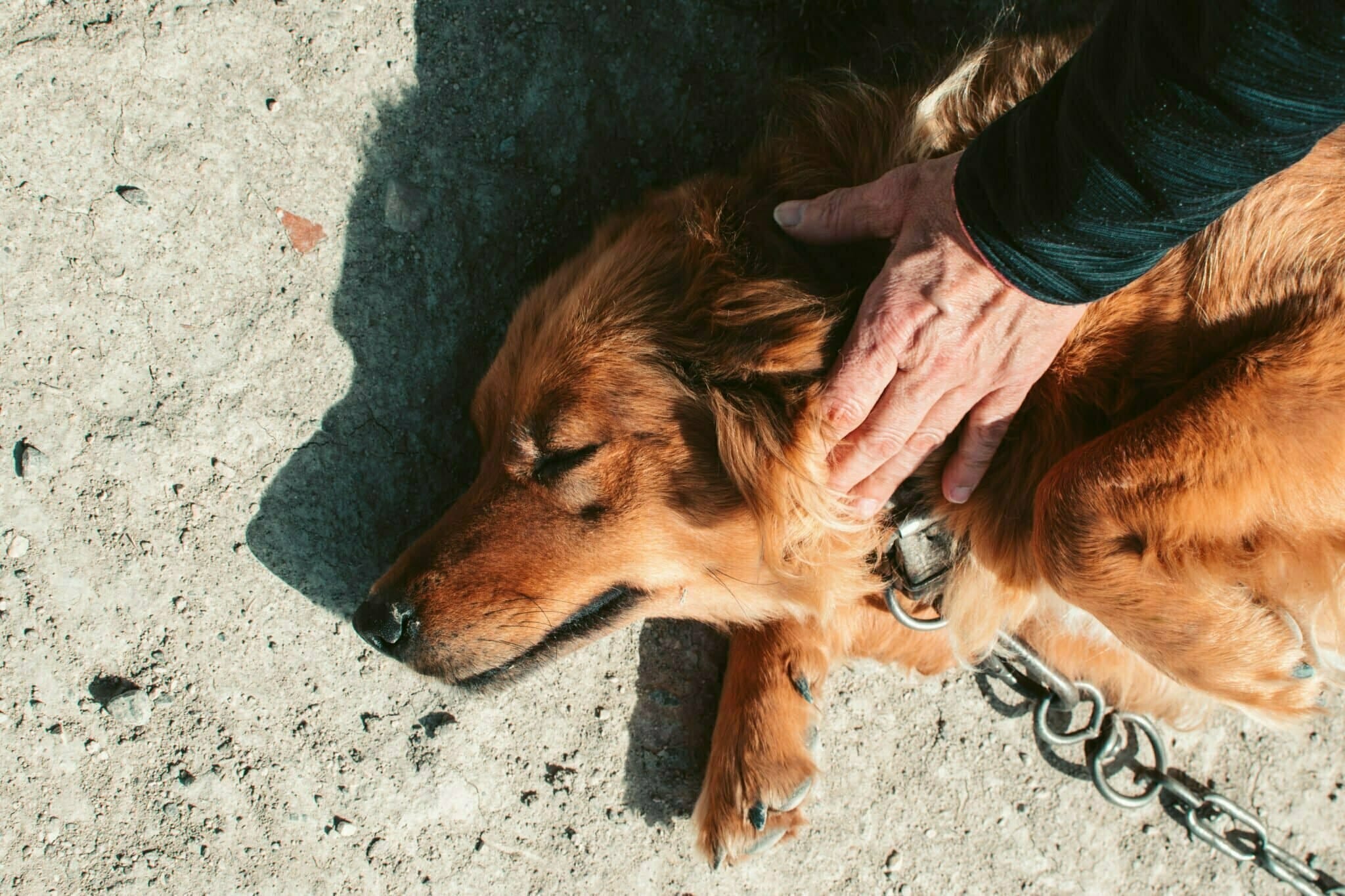
Don’t leave your dog chained up for long periods, and never leave him tethered when you're not home. The longer your dog is chained, the more likely he is to become aggressive.
Use a lightweight cable or trolley line attached to a well-fitting harness or flat collar, never a choke chain or prong collar. Make sure your dog has shade, shelter and fresh water within reach, and that the line can't get tangled around objects or let him reach a fence he could jump over.
2Give your dog enough exercise
Make sure your dog has plenty of exercise. A tired dog is a happy dog, and a happy dog is less likely to be aggressive.
3Provide enough human attention
Give your dog plenty of human interaction. Dogs need attention and companionship, so make sure you are spending time with your dog every day.
Other factors that can contribute to aggression in dogs
Several other factors can contribute to aggression in dogs:
1Genetics
Some dogs are simply more aggressive by nature. With proper training and socialization, most dogs can overcome their aggressive tendencies. However, some dogs will always be more prone to aggression than others. We also look at the common myth of whether a dog that tastes blood will attack again.
2Fear
Fear is another common cause of aggression in dogs. Dogs may become aggressive out of fear of people or other animals. This is often the case with rescue dogs who have had bad experiences in the past.
3Pain or illness
Sometimes, dogs become aggressive because they are in pain or ill. If your dog seems suddenly aggressive, it’s important to take him to the vet to rule out any medical causes.
FAQ
1I have a friend who says chaining dogs is cruel. Is she right?
Yes, keeping a dog chained for long periods is cruel. It’s inhumane, it is restricted by law in many places, and it can lead to aggression.
2My dog is chained up all the time and he's never shown any aggression. Does that mean he's not at risk?
Unfortunately, no. Just because your dog has never shown aggression doesn’t mean he’s not at risk. Frustration and fear can build up over time, and many dogs who become aggressive do so after being chained up for long periods. Even a dog who is friendly with you may react differently to a stranger or child who walks up to him while he's tied. The best way to protect him, and others, is to find an alternative to chaining.
3I only walk my dog for an hour a day. Is that enough exercise?
A dog's exercise needs depend on a lot of factors, including age, breed, health, and activity level. An hour a day is plenty for many adult dogs, especially smaller or older ones, while young, high-energy working breeds may need more, plus mental exercise like training and puzzle toys. If your dog is restless or destructive at home, they may need more activity; ask your vet if you're unsure.
Conclusion
Chaining a dog can lead to aggression through frustration, fear, isolation and a lack of exercise and socialization. The best option is not to chain your dog at all; if you must tether him, keep it short, supervised and safe, and make sure he gets plenty of exercise, socialization, and time with you. Other factors that can contribute to aggression in dogs include genetics, fear, and pain or illness. If your dog seems suddenly aggressive, it’s important to take him to the vet to rule out any medical causes.