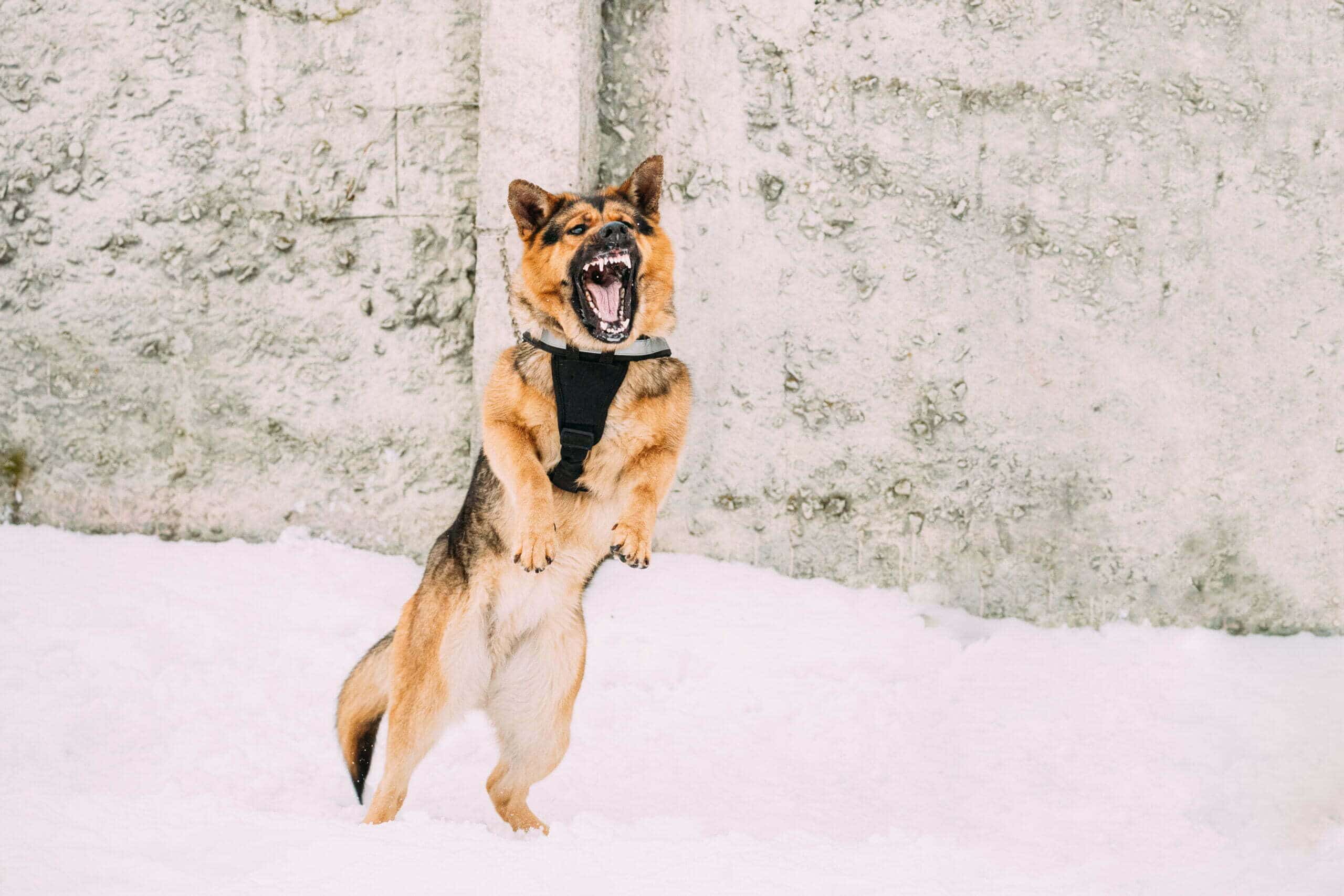
No, raw meat does not make dogs aggressive. There's no scientific evidence that eating raw meat changes a dog's temperament, although some dogs guard a raw bone or a bowl of raw meat more intensely than kibble, simply because it's so valuable to them. The bigger concerns with raw feeding are bacteria and getting the diet balanced, not aggression.
Does raw meat make dogs aggressive?
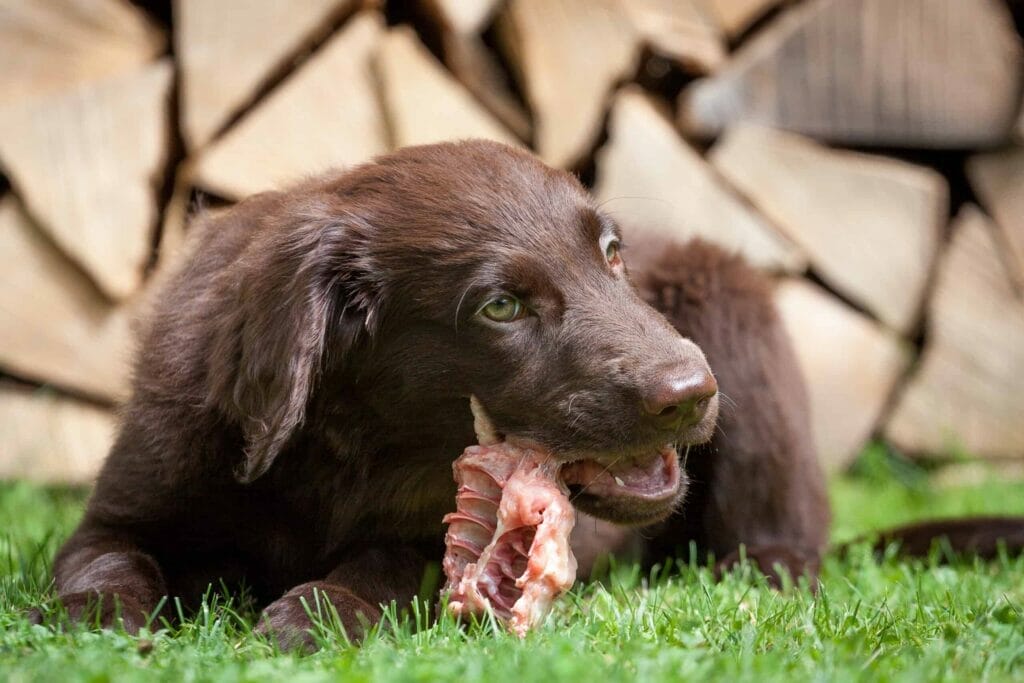
The simple answer is no – raw meat does not make dogs aggressive. In fact, there is no scientific evidence to support the claim that feeding your dog a raw diet will make them more aggressive.
However, it’s important to note that there are some other potential risks associated with feeding your dog raw meat, such as bacteria contamination and choking hazards.
Where does the myth originate from?
One of the most common myths about raw diets is that they contain too much protein, which can lead to aggression. However, this is not supported by any scientific evidence.
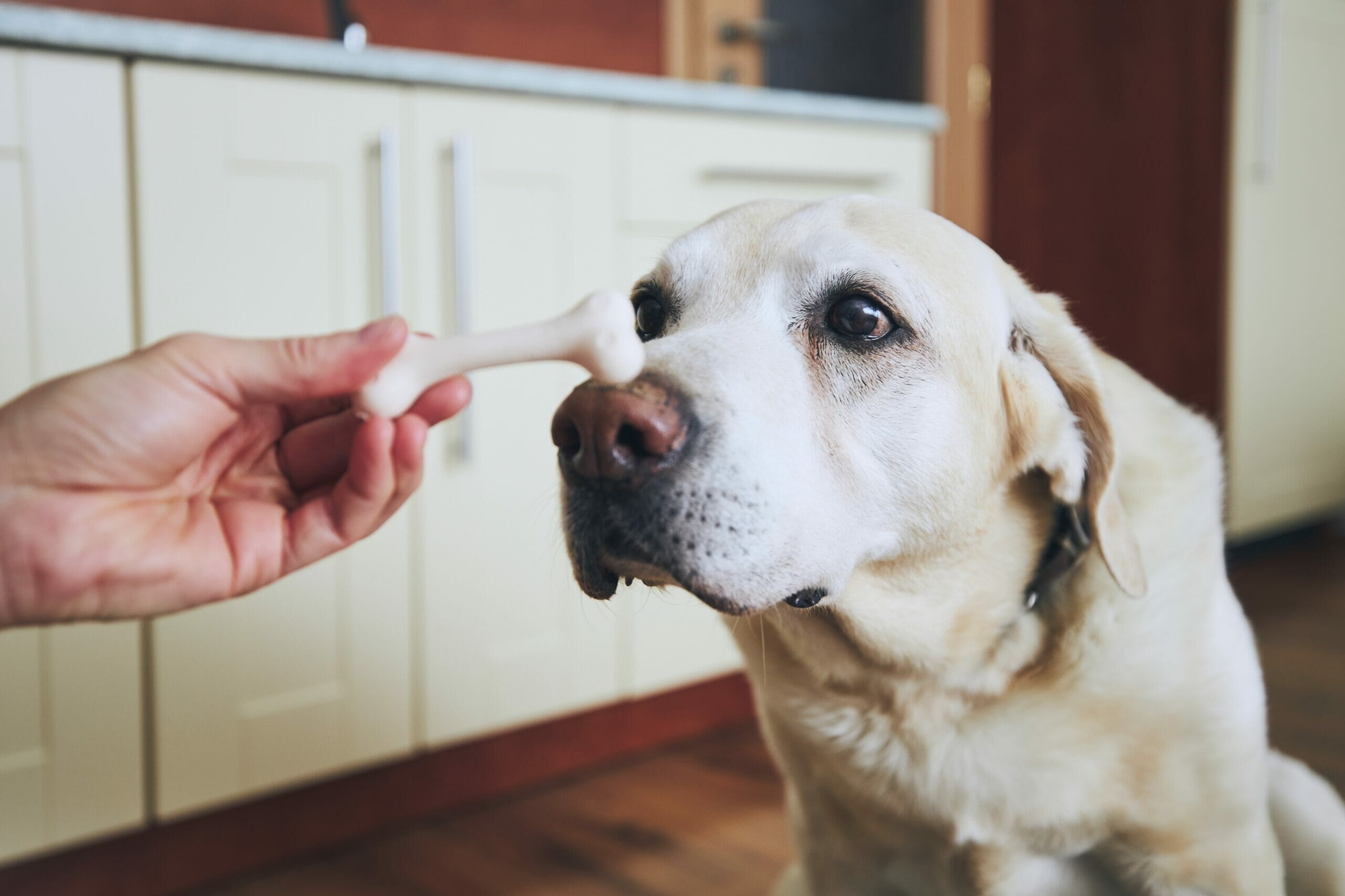
The most likely source of the myth is resource guarding. A raw meaty bone or a bowl of fresh meat is a very high-value item, and some dogs will growl, freeze or snap if someone approaches while they eat it. That's not a personality change caused by the meat; it's a dog protecting something it values. The same dog might guard a bully stick or a stolen sandwich. Feed raw meals somewhere quiet, keep children away from dogs while they eat, and work with a trainer if your dog guards food.
Another potential explanation for the myth is that some people believe that the way dogs eat raw meat – by tearing it apart with their teeth – is aggressive behavior. However, this is simply how dogs eat all types of food, not just raw meat. A related myth is that a dog that tastes blood will attack again.
So if you’re considering switching your dog to a raw diet, there’s no need to worry about them becoming more aggressive. Our raw dog food guide for beginners explains how to start safely.
What are the benefits of feeding your dog raw meat?
Raw-feeding advocates report a number of benefits, as summarized in a review published in the journal of the AVMA (American Veterinary Medical Association), including:
Pros
- Improved coat and skin
- Elimination of bad odors
- Improvement in energy, behavior, and immunity
- A reduction in medical conditions
Although people may anecdotally report that their pets seem to be healthier after switching to a raw meat diet, there has not yet been any scientific evaluation of these claims.
What are the cons of feeding your dog raw meat?
Although many people believe that raw meat is the best option for their dogs, the FDA, the AVMA and many veterinarians caution against it.
There are potential risks associated with feeding your dog raw meat, such as:
Cons
- Bacteria contamination
- Choking hazards
- Unbalanced diet
- Harmful parasites
Bacteria such as Salmonella and Listeria are the biggest concern. Dogs can carry and shed these bacteria in their saliva and poop even when they seem perfectly healthy, which matters most in homes with young children, older people, pregnant women or anyone with a weakened immune system.
Do we recommend feeding your dog raw meat?
Feeding your dog raw meat is a very controversial topic, and there are pros and cons to both sides.
We recommend talking to your veterinarian about the best diet for your dog, as they will be able to give you specific advice based on your pet’s individual needs.
If you do decide to feed your dog raw meat, it’s important to take precautions to minimize the risks associated with doing so.
1Do your research
Before you switch your dog to a raw meat diet, it’s important to do your research and talk to your veterinarian to make sure it’s the right decision for your pet.
2Additional supplements
Homemade raw diets are easy to get wrong, and an unbalanced diet can cause serious problems over time, especially with calcium and phosphorus in growing puppies. The safest options are a commercial raw food labeled "complete and balanced," or a homemade recipe formulated by a board-certified veterinary nutritionist, which will tell you exactly which supplements to add. Avoid adding vitamins and minerals at random, since too much of some nutrients can be as harmful as too little.
3Storage
Raw meat must be stored properly to prevent contamination. We recommend storing it in the freezer until you’re ready to use it, thawing it in the refrigerator rather than on the counter, and throwing away any food your dog hasn't eaten within about 30 minutes. Some owners prefer a shelf-stable option; here's how to freeze-dry meat for dogs.
4Be careful with bones
One of the most common dangers associated with feeding dogs raw meat is choking on bones. To avoid this, make sure you only feed your dog boneless meat. Never feed your dog cooked bones as they can splinter and cause harm.
5Avoid cross-contamination
Raw meat can contain harmful bacteria that can cause food poisoning in both humans and animals. To avoid cross-contamination, wash all surfaces, bowls and utensils that come into contact with raw meat, wash your hands after handling it, and pick up your dog's poop promptly.
6Watch for signs of illness
If you notice any changes in your dog’s behavior or health after switching to a raw diet, contact your veterinarian immediately. Some signs that something may be wrong include vomiting, diarrhea, weight loss, lethargy, and excessive thirst or urination.
FAQ
What is the best diet for my dog?
There is no one-size-fits-all answer to this question, as the best diet for your dog will depend on their individual needs. For most dogs, a good-quality commercial food labeled complete and balanced for their life stage is a safe choice. Some owners prefer raw, but major veterinary organizations advise against it because of the bacterial risks, so talk it through with your vet.
Is it better to give my dog cooked meat?
There is no definitive answer to this question, as some experts believe raw meat is best while others recommend cooked meat. Cooking meat kills most harmful bacteria, which is why many vets prefer it. However, when you cook meat, be careful with the bones: cooked bones can splinter and cause harm, so always remove them. Plain, unseasoned meat is best, since onion and garlic are toxic to dogs.
What should I do if I notice my dog is sick after switching to a raw meat diet?
If you notice any changes in your dog’s behavior or health after switching to a raw diet, contact your veterinarian immediately. Some signs that something may be wrong include vomiting, diarrhea, weight loss, lethargy, and excessive thirst or urination.
Are there any risks by feeding your dog raw fish?
Just like meat, fish can contain harmful bacteria that can cause food poisoning in both humans and animals. Fish bones are also a choking hazard. Raw salmon, trout and related fish from the Pacific Northwest can also carry a parasite that causes salmon poisoning disease, which can be fatal to dogs without treatment. To avoid any risks, make sure you thoroughly cook fish before feeding it to your dog and remove all bones.
Final thoughts – Does raw meat make dogs aggressive?
There is no scientific evidence to support the claim that raw meat makes dogs aggressive. However, there are potential risks associated with feeding your dog raw meat, such as bacteria contamination and choking hazards. If you do decide to feed your dog raw meat, it’s important to take precautions to minimize these risks.