Prong collars can make some dogs more aggressive. They work by causing discomfort or pain when the dog pulls, and research on aversive, punishment-based training methods links them to more stress, fear, and a higher risk of aggression. Not every dog reacts this way, but a dog that feels pain while looking at another dog or a person can learn to associate them with that pain, which can lead to lunging, growling, or biting.
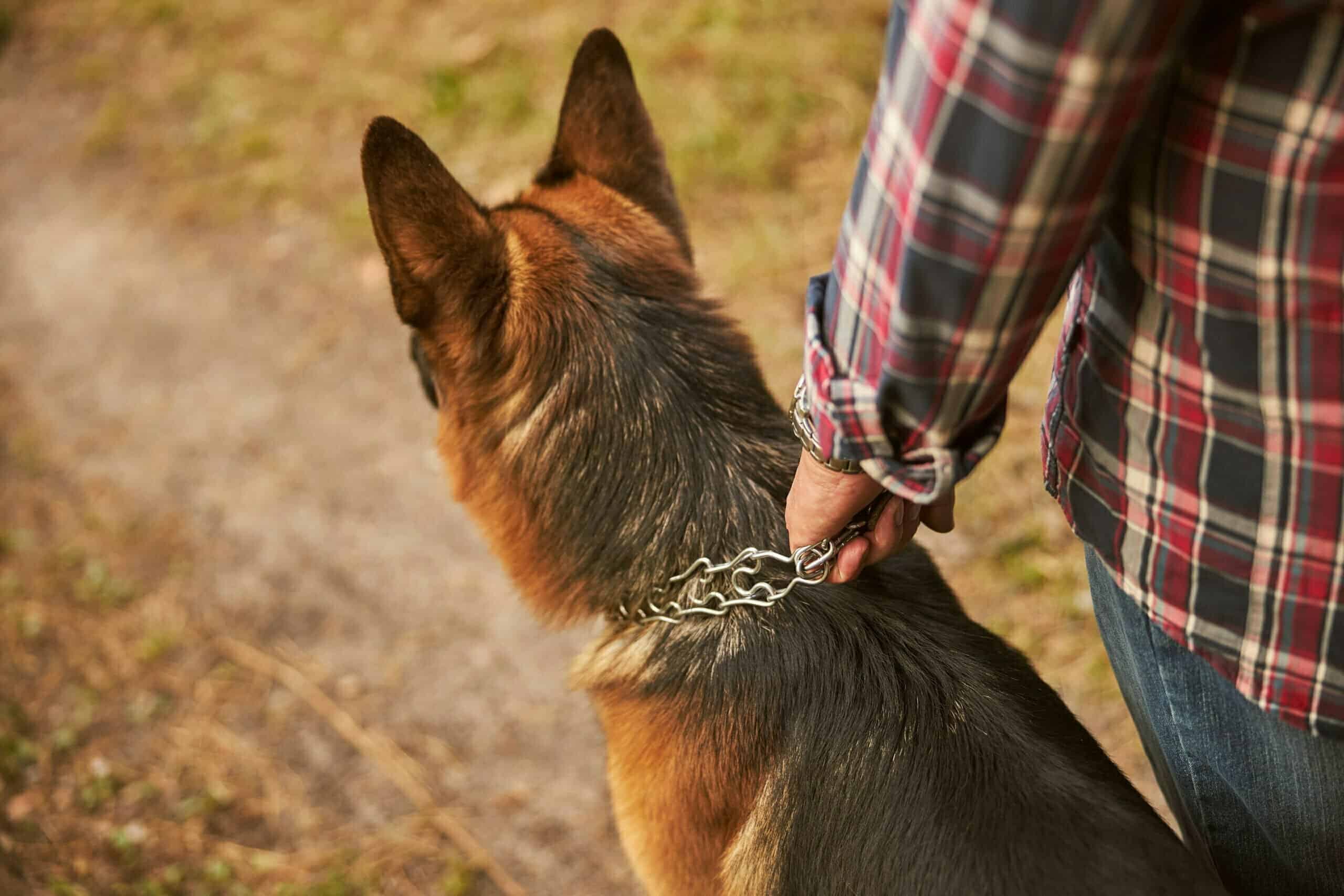
Prong collars have metal links with blunt prongs that pinch into the skin around a dog’s neck when the collar tightens. The discomfort is meant to deter pulling, which is exactly why many vets, trainers, and animal welfare organizations recommend reward-based methods and equipment instead.
Why can a prong collar make a dog aggressive?
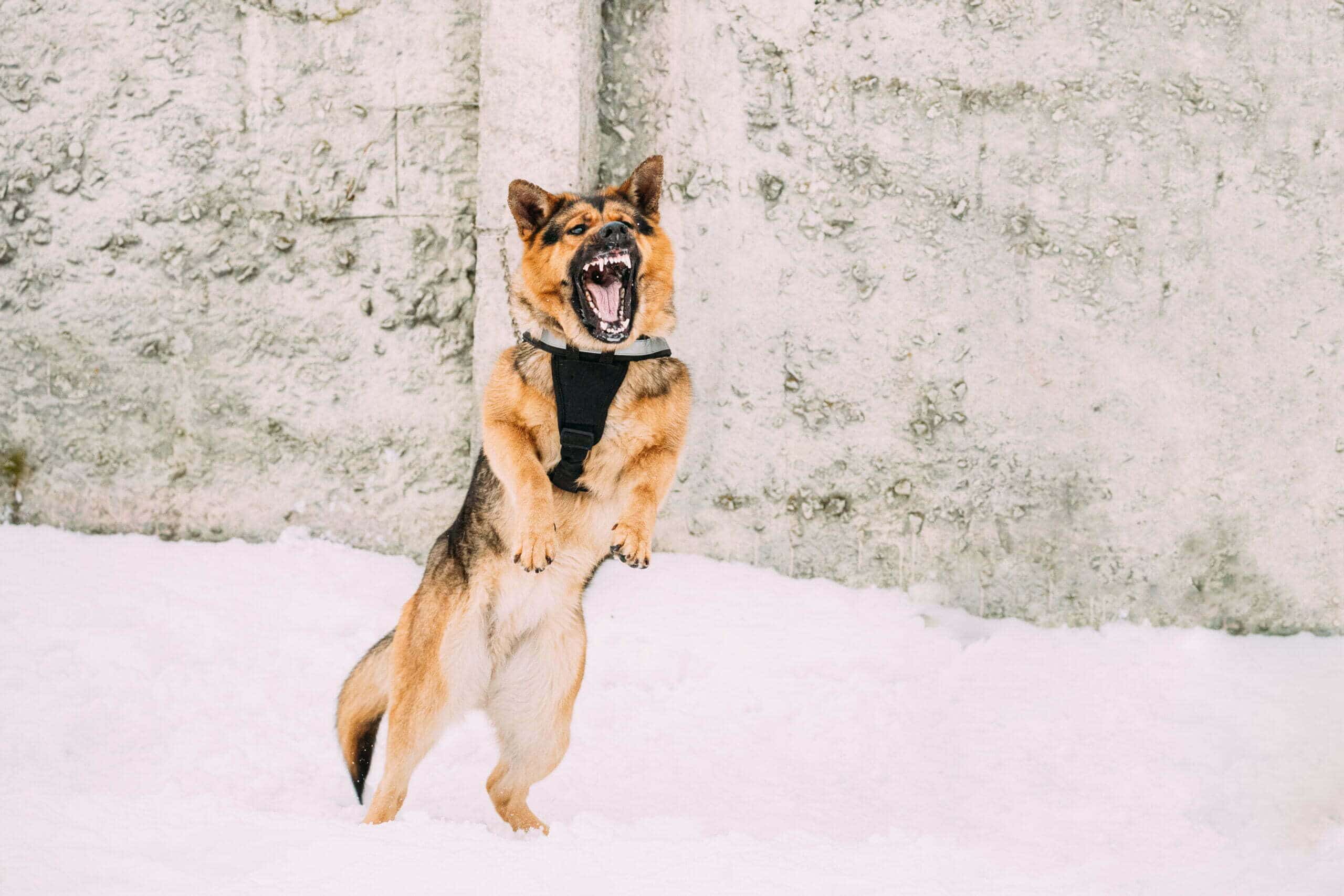
There are a number of theories as to why dog prong collars make dogs aggressive. One possibility is that the pain caused by the collar triggers a fight-or-flight response in the dog, leading to an increase in aggressive behaviors.
Another possibility is that the constant wearing of a prong collar can itself lead to stress and anxiety in dogs, which can also lead to aggression. Dogs also learn by association: if the collar tightens every time your dog sees another dog, a child, or a bike, they may start to see those things as a threat. Chaining raises similar concerns; see whether chaining a dog makes it aggressive.

If you’re considering using a prong collar on your dog, it’s important to weigh the potential risks and benefits carefully. You may want to consult with a professional trainer or behaviorist to see if there are other options that may be more effective for training your dog without causing undue stress or anxiety.
Do prong collars cause anxiety?
There is no definitive answer to this question, as every dog will react differently to the use of a prong collar. However, there is evidence to suggest that these collars may cause anxiety in some dogs, which can lead to increased aggression.
For example, the San Francisco SPCA opposes the use of prong collars, pointing to the pain and stress they can cause and the risk of fallout such as fear and aggression. Studies of aversive training methods in general have found more stress-related behavior in dogs trained with them than in dogs trained with rewards. In addition, many dog owners report that prong collars made their dogs more agitated and reactive.
While more research on prong collars specifically would be useful, it is clear that prong collars are not suitable for all dogs. If you are considering using one of these collars on your dog, it is important to consult with a qualified trainer or behaviorist first to determine if it is the right choice for your pet.
What can I use instead of a prong collar?
If you’re concerned about the potential risks of using a prong collar on your dog, there are a number of alternatives that you can use instead.
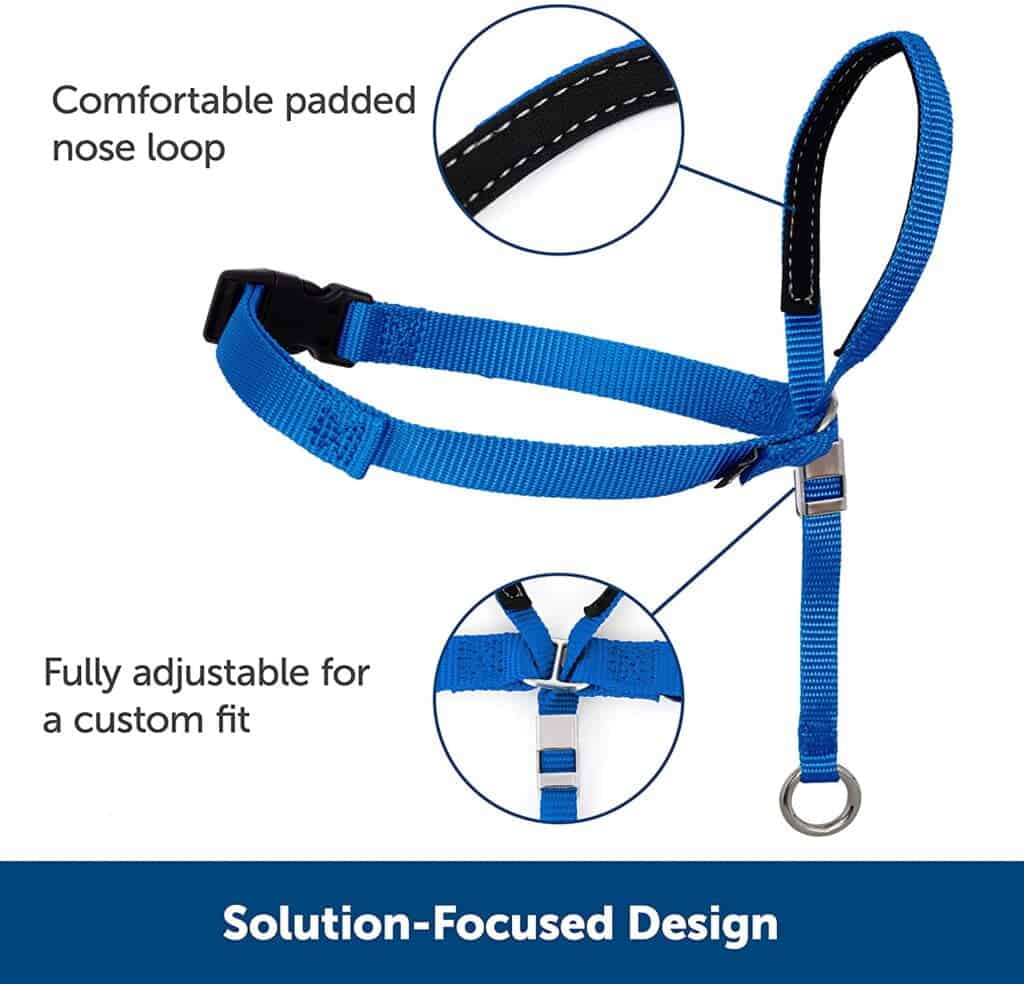
For example, head halters are designed to fit around a dog’s muzzle, giving you better control over the animal’s movements. Introduce one gradually with treats, and never jerk the leash while your dog is wearing it. A front-clip harness is another good option: the leash attaches at the chest, so when your dog pulls, they’re gently turned to the side instead of moving forward, and there’s no pressure on the neck. Our list of leashes for reactive dogs includes several head halters.
Whatever type of collar you choose, it’s important to use it properly and never to use it as a form of punishment. If your dog keeps snapping or slipping out of collars, see what to do when your dog keeps breaking his collar. If used correctly, positive reinforcement techniques such as treats and praise can be very effective in training your dog without causing undue stress or anxiety.
Safety
________ Rated 5 out of 5
Comfortable
________ Rated 5 out of 5
Quality
________ Rated 5 out of 5
Price
________ Rated 4 out of 5
Overall
________ Rated 4.75 out of 5
So, how do I get my dog to stop pulling on a walk?
There are a number of different ways to train your dog not to pull on a leash, and the best method will vary depending on your individual pet. However, it is important to remember that all dogs require patience, consistency, and positive reinforcement to learn new behaviors.

Here are a few options for leash training your dog:
- Train with positive reinforcement: Rewarding your dog for good behavior is a great way to encourage them to continue displaying desired behaviors. This can be done with treats, verbal praise, or petting.
- Stop when the leash goes tight: The moment your dog pulls, stand still and wait. As soon as the leash loosens, move forward again. Your dog learns that pulling gets them nowhere and a loose leash keeps the walk going.
- Reward the right position: Give a treat right next to your leg whenever your dog walks beside you on a loose leash. Reward often at first, then gradually less.
- Change direction: If your dog surges ahead, calmly turn and walk the other way, then reward them when they catch up beside you.
- Avoid using punishment: Punishing your dog for pulling on the leash can increase stress and make some dogs more likely to display aggressive behaviors. Instead, focus on rewarding good behavior and consistently training your dog with positive reinforcement.
If you are having difficulty leash training your dog, consider seeking out the help of a professional trainer or behaviorist. They will be able to assess your individual pet and provide customized advice on the best way to train them.
Leash training takes time and patience, but it is possible to train your dog not to pull on a walk. The key is to find the method that works best for your pet and to be consistent with your training. With a little time and effort, you and your dog can enjoy stress-free walks together.
Final word
Overall, not every dog wearing a prong collar becomes aggressive, but because these collars work through discomfort, they can increase stress, fear, and aggression in some dogs, especially dogs that are already anxious or reactive. If you are considering using a prong collar on your dog, it is important to consult with a qualified trainer or behaviorist first to determine if it is the right choice for your pet. There are a number of alternatives that you can use instead, such as head halters or front-clip harnesses. With a little time and effort, you can find the right training method for your dog that will help them enjoy stress-free walks together.