How To Stop Dog From Scavenging At Home (Complete Guide)
 Written by Tim de Jong
To stop your dog from scavenging at home, take away the opportunity (secure the trash, food and small objects), feed regular measured meals, supervise closely, and teach a solid “leave it” and “drop it” with rewards. Plenty of exercise and puzzle toys help too, and if the habit starts suddenly or your dog eats non-food items, check with your vet for a medical cause.
While they’re fun to have around the house, dogs can be quite reckless, especially when they develop a taste for scavenging and eating things they shouldn’t. “How do I stop my dog from scavenging” is one of the most common questions owners ask, especially if you have a playful puppy on your hands.
How To Get My Dog To Stop Eating Everything
Some dogs really love to eat every food and every thing within their line of sight. While this may seem like a minor annoyance at first, scavenging could result in a variety of physical and behavioral problems. Some dogs even eat their other dog's hair or bring you socks to chew on.
Consider this – what if you had a habit of eating everything in sight? Dirt, branches, and even things that are bad for you? Think of the medical bills. Here are a few tips on how you can stop your dog from eating everything.
1Provide a Nutritious and Balanced Diet

Establish a regular feeding schedule for your dog and stick to it. Avoid leaving food out all day as free feeding can encourage scavenging behavior. Measure out appropriate portions for each meal to prevent overeating.
Giving your dog the nutrition and diet it needs is one way of keeping their mouths satisfied. If your dog is well-fed and satisfied with their regular meals, it may be less inclined to scavenge for food elsewhere.
The diet of your dog will depend on its size and how much energy it spends per day. While there’s no exact way to determine the perfect diet for your dog, it’s good to consult with a veterinarian about this.
2Remove Access to Inappropriate Items
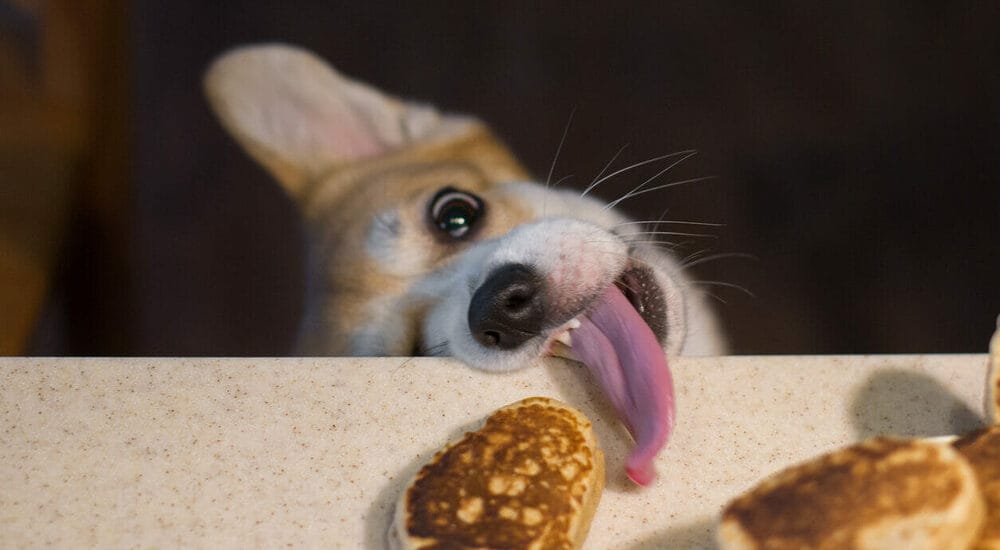
Keep your dog’s environment clean and free from items that they may be tempted to eat. Store food securely, use a trash can with a locking lid (or keep it behind a closed door), clear kitchen counters, and keep household items or non-food items that may be dangerous or tempting to your dog out of their reach. Socks, children’s toys, medications, and corn cobs or bones in the trash are common culprits.
If you’re going outside for a long time, make sure to leave your dog its favorite toy. Giving them a toy that’s very hard to destroy is a good way of keeping them busy. Dog toys are made from various materials, so supervise your dog with any new toy first to make sure he can’t chew off and swallow pieces.
If their mouths are busy with something appropriate, they’re much less likely to go looking for something else to chew.
3Supervision and Training

Whether it’s within the confines of your home or in new environments, you need to keep an eye out for your pup. Once they’re trained and disciplined enough to avoid scavenging, then you can be less attentive.
One way to correct their behavior early on is by teaching a “leave it” command. Start with a treat in your closed hand; the moment your dog stops sniffing or pawing at it and looks away, say “yes” and reward him with a different treat from your other hand. Gradually practice with the treat on the floor, then with tempting items around the house.
It also helps to teach “drop it” by trading: offer a tasty treat, and when your dog lets go of the item, praise him and pick it up. Avoid chasing your dog or prying things out of his mouth, as this can turn scavenging into a game or teach him to swallow items quickly.
Try not to scold or punish your dog if they ever scavenge. It’s very unlikely that they know the reason behind the punishment. In the worst-case scenario, they develop anxiety or learn to scavenge when you’re not looking.
The key to correcting a dog’s behavior is being consistent. Dogs can be very hard-headed when it comes to learning new things, but with enough repetition, they’ll turn every lesson into a good habit.
4Environmental Enrichment
Many healthy adult dogs do well with walks at least twice a day, 30-45 minutes each (1), although the right amount depends on your dog’s age, breed, and health. A tired dog is usually less tempted to scavenge!
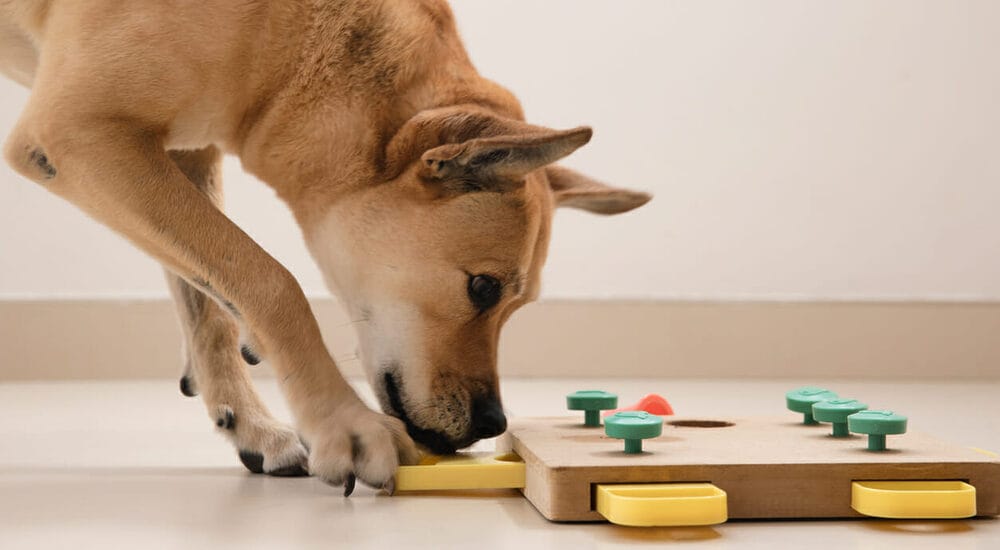
Provide your dog with plenty of physical exercises and mental stimulation to reduce boredom and anxiety, which can contribute to scavenging behavior. Offer puzzle toys, and interactive feeders, and engage in regular play and training sessions to keep their minds engaged.
5Seek Professional Help
If your dog’s scavenging behavior persists despite your efforts, consider consulting with a certified trainer or a veterinary behaviorist for further guidance and assistance in addressing the issue.
Don’t wait to see your vet, though, if the scavenging started suddenly, your dog seems constantly hungry, is losing weight, or is eating non-food items like rocks, fabric or dirt. These can be signs of a medical problem that needs treatment rather than training.
Why Do Dogs Love To Scavenge?
Now that you know how to control their scavenging habits, let’s talk about why they scavenge in the first place. In truth, their curiosity is just one of the reasons why they develop this habit. It can be caused by a lot of factors, including some that you should be concerned about.
1Instinctual Behavior
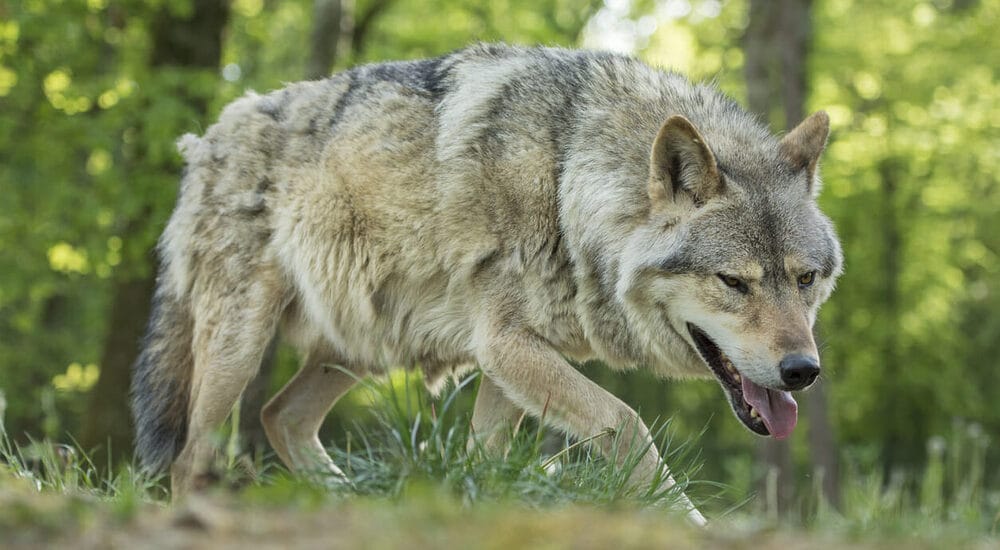
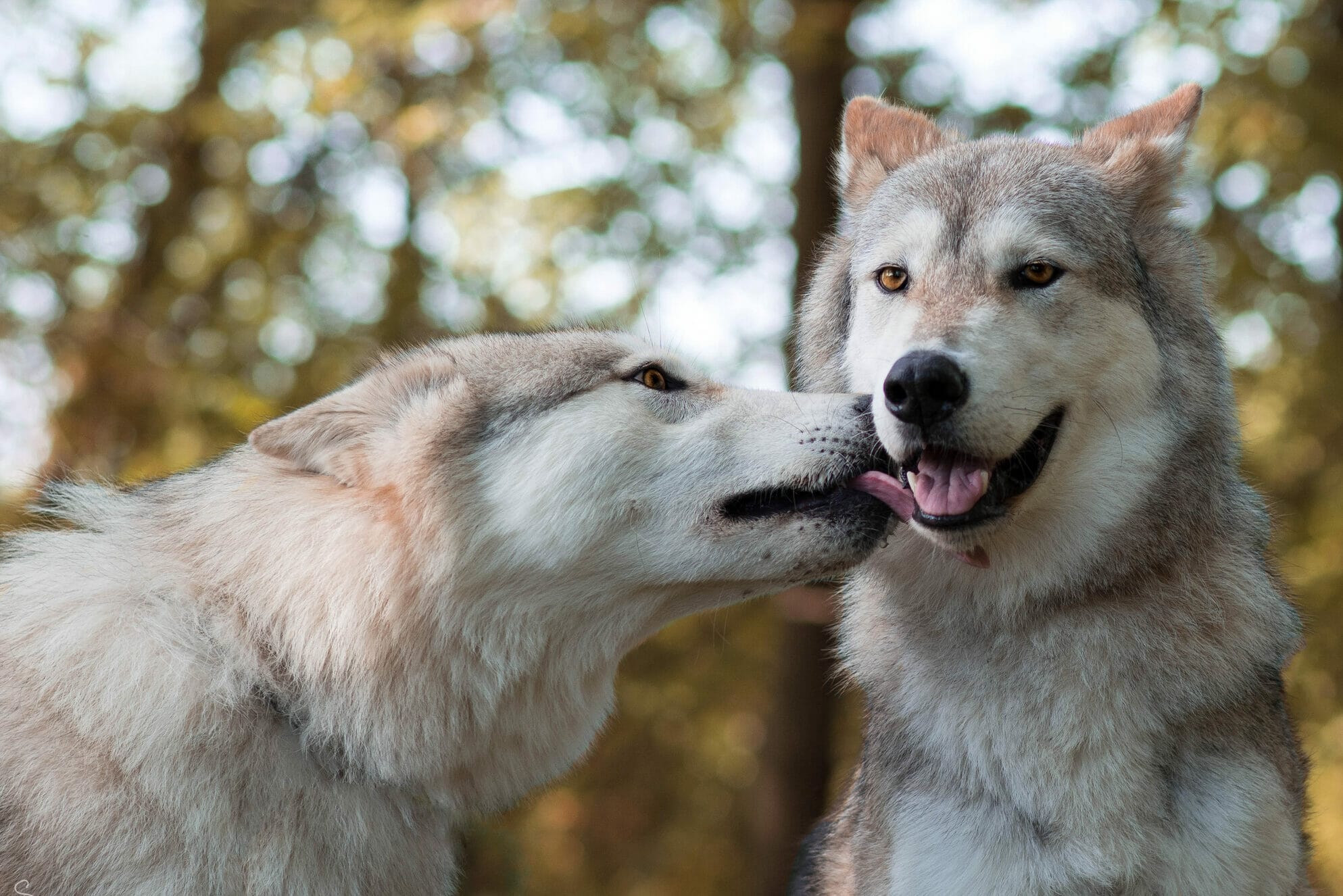
Dogs, like their wild ancestors, have an inherent instinct to scavenge for food. In fact, one popular theory is that wolves scavenging around human camps for leftovers is how dogs were eventually tamed by our ancestors.
Those prehistoric canines evolved to become the lovable companions we have at home. While their physique and appearance have changed, their scavenging nature has stuck with them.
2Boredom/Anxiety
Dogs get bored or anxious just like us. If they are not mentally or physically stimulated enough, they may resort to scavenging for food as a way to cope with their emotions or alleviate what they’re feeling.
3Hunger
With all the energy they spend throughout the day, it’s no surprise that dogs get peckish from time to time. Unlike us, however, they can’t exactly order from Uber Eats, can they?
Once dogs become hungry, their instincts will kick in and they will try to look for food wherever they can. Be it scraps in your garbage bin or inedible objects on your lawn, they’ll eat it so long as it keeps their tummy full.
Actually, many dogs will still scavenge for food even when they’re full. It’s what instinct dictates, after all. Their strong sense of smell makes it so easy for them to find food even from a distance.
4Medical Causes
Sometimes scavenging has a medical cause. Conditions such as intestinal parasites, diabetes, Cushing’s disease, poor nutrient absorption, and some medications (like steroids) can make dogs ravenously hungry. Eating non-food items such as rocks, fabric or dirt, a condition called pica, can also be linked to health problems, stress, or boredom. If the behavior is new, intense, or comes with weight loss, diarrhea or other changes, have your vet check your dog.
Why Is It Important To Stop Them From Scavenging?
Scavenging behavior is annoying for us pet owners but it’s dangerous for our dogs. There are lots of reasons to stop your dog from scavenging but here are the most important ones:
1Ingestion of Harmful Substances
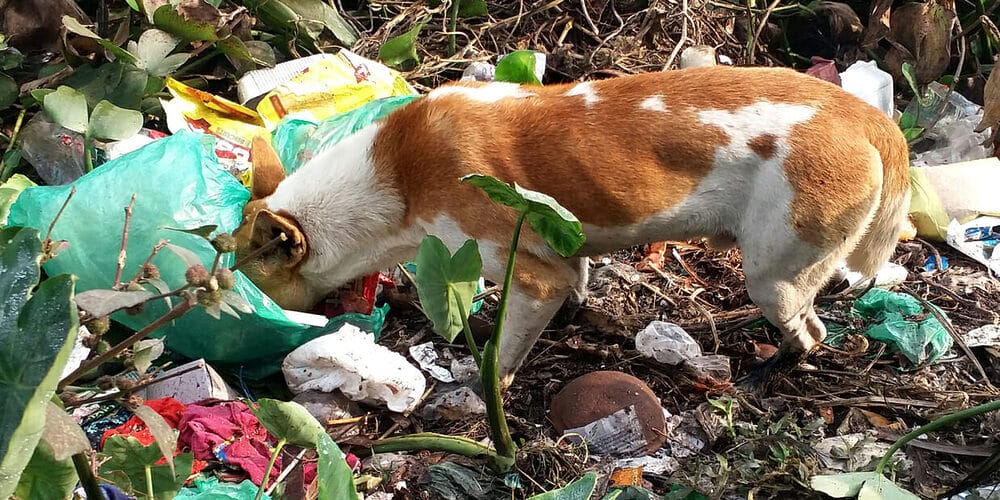
Dogs may come across various items while scavenging. We’re talking about spoiled food, non-food items, garbage, and even chocolate! Greasy takeout leftovers are a risk too (see can dogs eat crab rangoon). Needless to say, these are things that can cause serious problems for your dog both short-term and long-term.
In some cases, it can even lead to fatal consequences.
If you think your dog has ingested something toxic (like chocolate, grapes, xylitol, or medication) or a non-food object, call your vet or an animal poison control hotline right away, and don’t try to make your dog vomit unless a vet tells you to. Swallowed objects don’t always cause symptoms straight away, so also watch for vomiting, loss of appetite, lethargy, belly pain, or straining to poop over the next few days, as these can signal a blockage.
2Risk of Accidents or Injuries
Believe us when we say that dogs will try to bite anything they can get their jaws on if they’re hungry. In some cases, they can fracture their tooth if they bite on something hard like a rock.
Fractured teeth can result in unbearable pain and infection for your dog. If an extraction is needed, then your dog will have a harder time eating in the future.
Dogs have a stronger bite than humans. Despite this, their teeth are actually weaker than ours and are more prone to fracturing. The enamel on their teeth is also much thinner than ours.
Read More About: How Human Teeth VS Dog Teeth
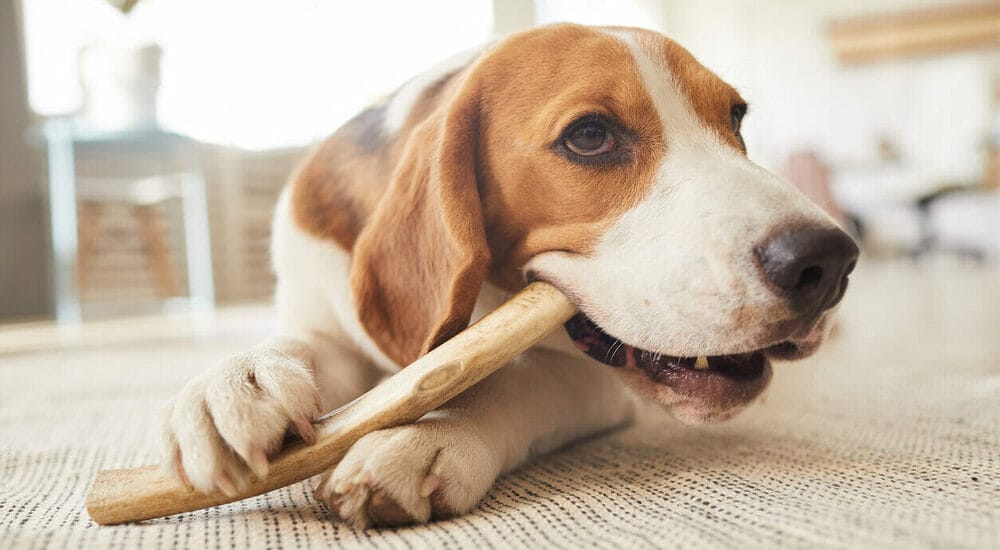
Aside from this, dogs will scavenge food even in dangerous areas. At home, they could ingest sharp objects in your garage or in the kitchen. This behavior can also bring them to open roads, construction sites, and more. Lots of dogs have been lost due to the fact that they were looking for food and got lost.
Lastly, dogs are also prone to coming across other scavengers while they’re looking for food. Wild animals like raccoons, skunks, and other dogs are serious threats to your dog’s safety. Scavengers can be very aggressive so your dog could get into a fight with them.
3Behavioral Issues
What most don’t know is that scavenging can go hand in hand with behavioral problems too. Dogs that scavenge, especially if they are often chased or have items pulled from their mouths, may start guarding their finds, becoming possessive or even aggressive.
Dogs with this problem aren’t just defensive towards other animals or pets inside your home; they can growl or snap at you as well. Trading items for treats instead of grabbing them helps prevent this.
Stopping Your Dog’s Scavenging Behavior Is A Must
Scavenging might run through the veins of your dog’s prehistoric ancestors but that doesn’t mean they need to have the habit too. Management, proper training, and attentiveness on your end are usually enough to keep your dog from scavenging.
Preventing this isn’t just good for your dog. It’s also one way to keep your dog by your side for a long long time.
Get The Ideal Dog Routine, free
A 10-page guide written by a vet: a sample daily routine, exercise and alone time, and grooming and vet check schedules.
We'll email you the download link. Unsubscribe anytime.