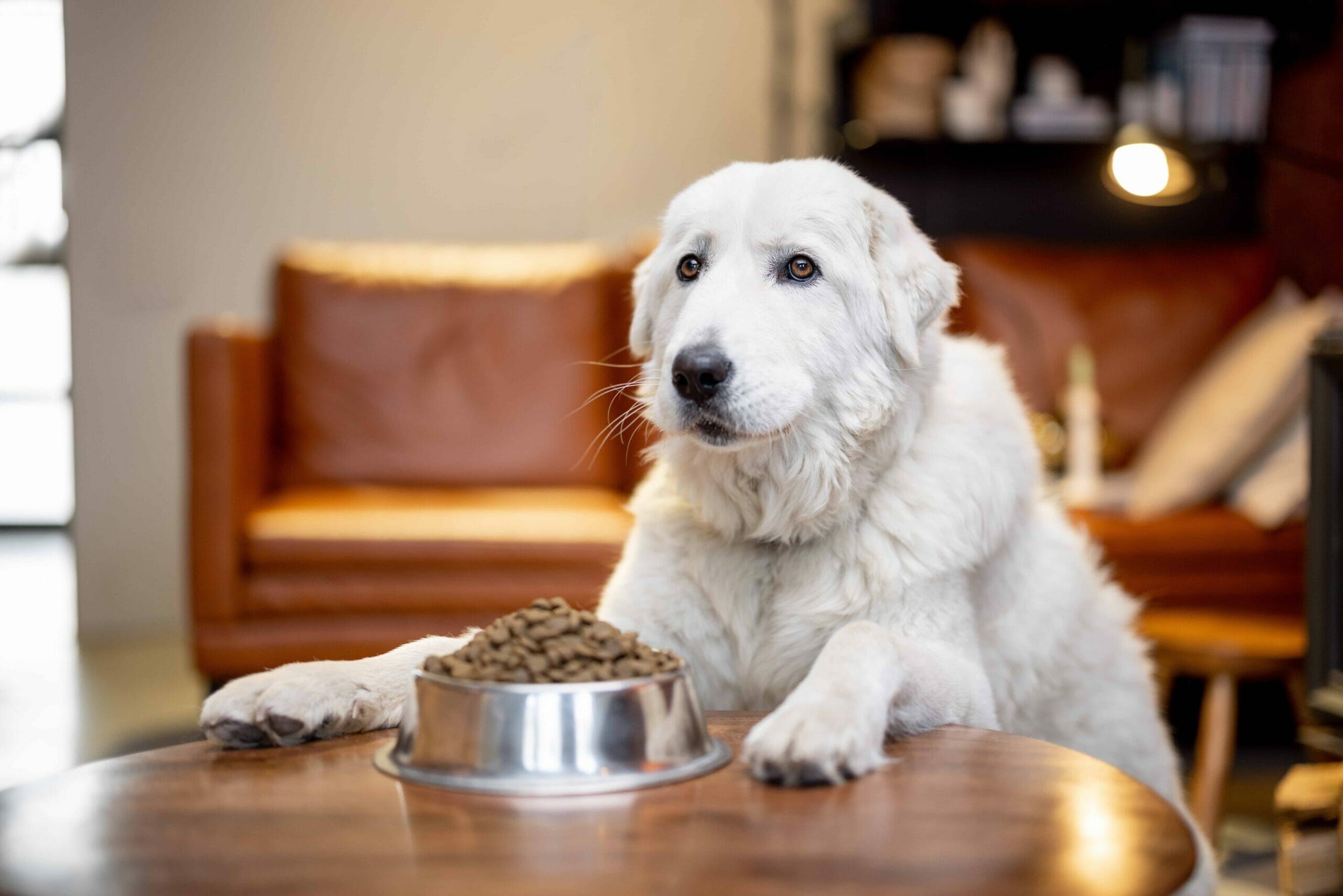
What is low residue dog food? 5 benefits of low residue dog food
 Written by Tim de Jong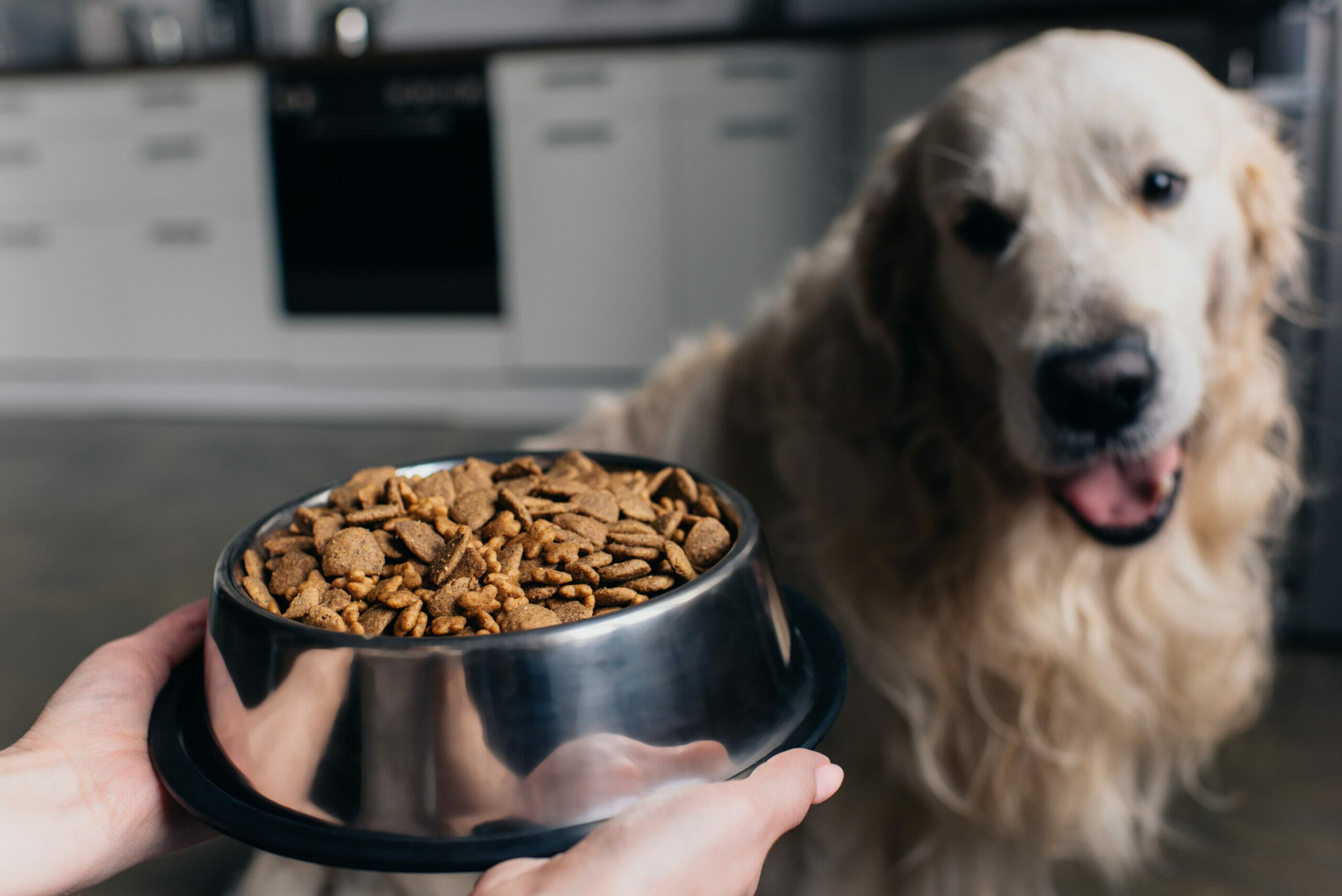
Low residue dog food is a highly digestible, low-fiber diet that your dog's body absorbs almost completely, so very little undigested material (residue) reaches the colon and less stool is produced. Vets mainly use it, often as a veterinary "gastrointestinal" diet, for dogs with diarrhea, sensitive stomachs and other digestive problems; healthy dogs don't need it.
Let's take a closer look at how it works, its benefits, and whether it might be the right choice for your pup.
What is low residue dog food?
A low-residue diet is a diet that contains ingredients that are easily digested and absorbed during the digestive process. This means there will be very little waste left for your dog to eliminate. This can be beneficial for several reasons, which we’ll get into below.
Whether or not a low-residue diet is right for your dog depends on their health and what their veterinarian recommends. For example, a dog with digestive issues may benefit from a low-residue diet, while a healthy dog may not need one at all.

The 5 benefits of a low residue diet for your dog
1Fewer digestive problems
If your dog has a sensitive stomach or suffers from frequent diarrhea, switching to a low residue diet can help reduce these symptoms. (For snacks, see our list of treats for dogs with sensitive stomachs.) By including fewer ingredients that are difficult to digest, there is less chance of your dog having an upset stomach or other digestive issues.
2Helps with Pancreas Health
A low residue diet can also be beneficial for dogs recovering from pancreatitis, an inflammation of the pancreas, the organ that produces digestive enzymes. For these dogs, the key is fat: vets usually recommend a highly digestible diet that is also low in fat, since high-fat meals can trigger flare-ups. Not every low residue food is low in fat, so check with your vet which one suits your dog.
3Helps with Diarrhea
Additionally, a low residue food can also be helpful for dogs that suffer from diarrhea. This is because the food is easier to digest and there is less waste left behind, which often leads to firmer, smaller stools.
Constipation is different: because low residue food is low in fiber, it usually isn't the right choice for a constipated dog, who often benefits from more fiber and water instead. Ask your vet if your dog is constipated.
4Supports Colon Health
Low residue food can also be beneficial for some dogs with colitis, an inflammation of the large intestine. Because less undigested material reaches the colon, it gives the inflamed bowel less to deal with. That said, some dogs with colitis actually do better on a high-fiber diet, so your vet may try one or the other.
5Gets Rid of Flatulence
Gas is mostly produced when undigested food is fermented by bacteria in the colon. Because low-residue dog food is so well digested, less food is left over for those bacteria, which can reduce the amount of gas produced and provide relief for both you and your furry friend.
What makes low residue dog food different than normal dog food?
1Low fiber content
One of the main differences between low residue and regular dog food is the fiber content. Low residue food contains less fiber than regular dog food. That's the opposite of the high-fiber approach in our guide to the best dog food to prevent scooting. This is because fiber is largely indigestible: it passes through to the colon and adds bulk to the stool, which is exactly what a low residue diet tries to minimize.
2Less fat
Another difference between low residue and regular dog food is often the fat content. Many low residue foods contain moderate or low levels of fat, because high-fat meals can upset dogs with pancreatitis and some other digestive problems.
3More easily digestible proteins
Low residue food also contains more easily digestible proteins. This means that the proteins in the food are easier for your dog’s body to break down and use.
4Overall limited ingredients
Finally, low residue food contains fewer ingredients than regular dog food. This is because it’s important to limit the number of different ingredients in a low residue diet.
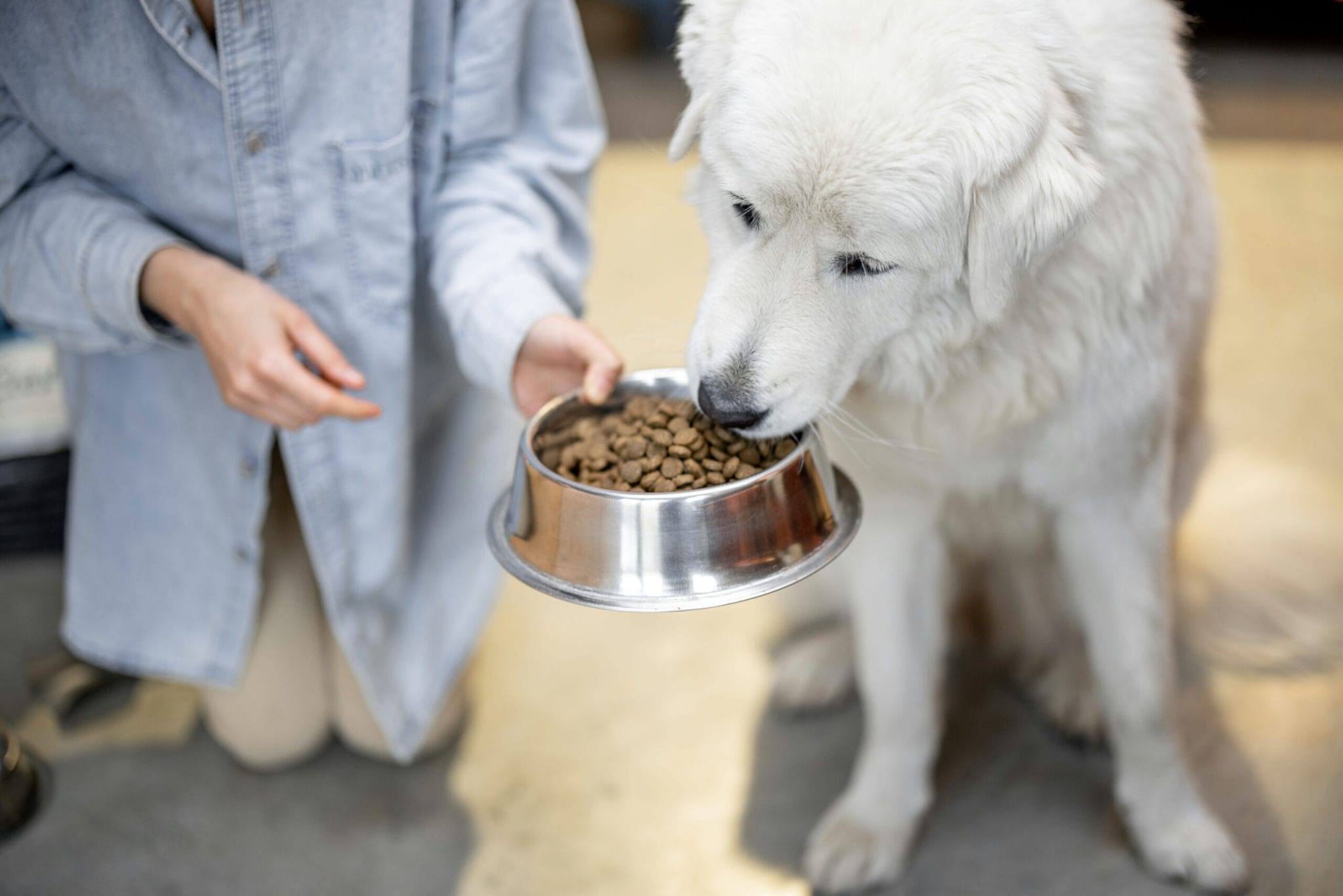
Should you switch your dog to a low residue diet?
As we mentioned above, whether or not you should switch your dog to a low residue diet depends on their health and what their veterinarian recommends.
If your dog has digestive issues, a low residue diet may be beneficial. However, if your dog is healthy, they may not need a low residue diet at all.
Low residue food can also help settle a dog recovering from vomiting and diarrhea, and your vet may suggest a short-term bland diet or a veterinary gastrointestinal food. But see your vet first if vomiting or diarrhea lasts more than a day or two, or if your dog seems lethargic, won't eat, has blood in their stool or vomit, or is a puppy or senior, since these can be signs of something more serious.
Now that you know more about low residue dog food, you can decide if it’s the right choice for your pup. If you think a low residue diet might be helpful for your dog, talk to your veterinarian to get started.
Additional notes about low residue dog food
If you are thinking about switching your dog to a low residue diet, there are a few things you should keep in mind.
1Not all dogs need a low residue diet
As we mentioned above, not all dogs need a low residue diet. If your dog is healthy, they may not need this type of food at all. Talk to your veterinarian before making any changes to your dog’s diet.
2A low residue diet is not a cure-all
A low residue diet will not cure all of your dog’s health problems. It may help with some digestive issues, but it’s not a magic bullet. If your dog has health problems, talk to your veterinarian about the best way to treat them.
3You may need to experiment
When you switch your dog to a low residue diet, you may need to experiment with different foods to find one that works for your dog. Some dogs do better on certain types of food than others. If your dog isn’t doing well on one type of food, try another. Buying smaller bags while you test a new food keeps waste down, and our dog food bag calculator shows how long each bag size will last your dog.
4You may need to make other changes
In addition to switching to a low residue diet, you may need to make other changes to help your dog’s digestive system. For example, you may need to increase the amount of exercise your dog gets or add probiotics to their diet. (If your dog currently has diarrhea, see whether you should exercise a dog with diarrhea.) Talk to your veterinarian about what changes you should make.
Get The Ideal Dog Routine, free
A 10-page guide written by a vet: a sample daily routine, exercise and alone time, and grooming and vet check schedules.
We'll email you the download link. Unsubscribe anytime.