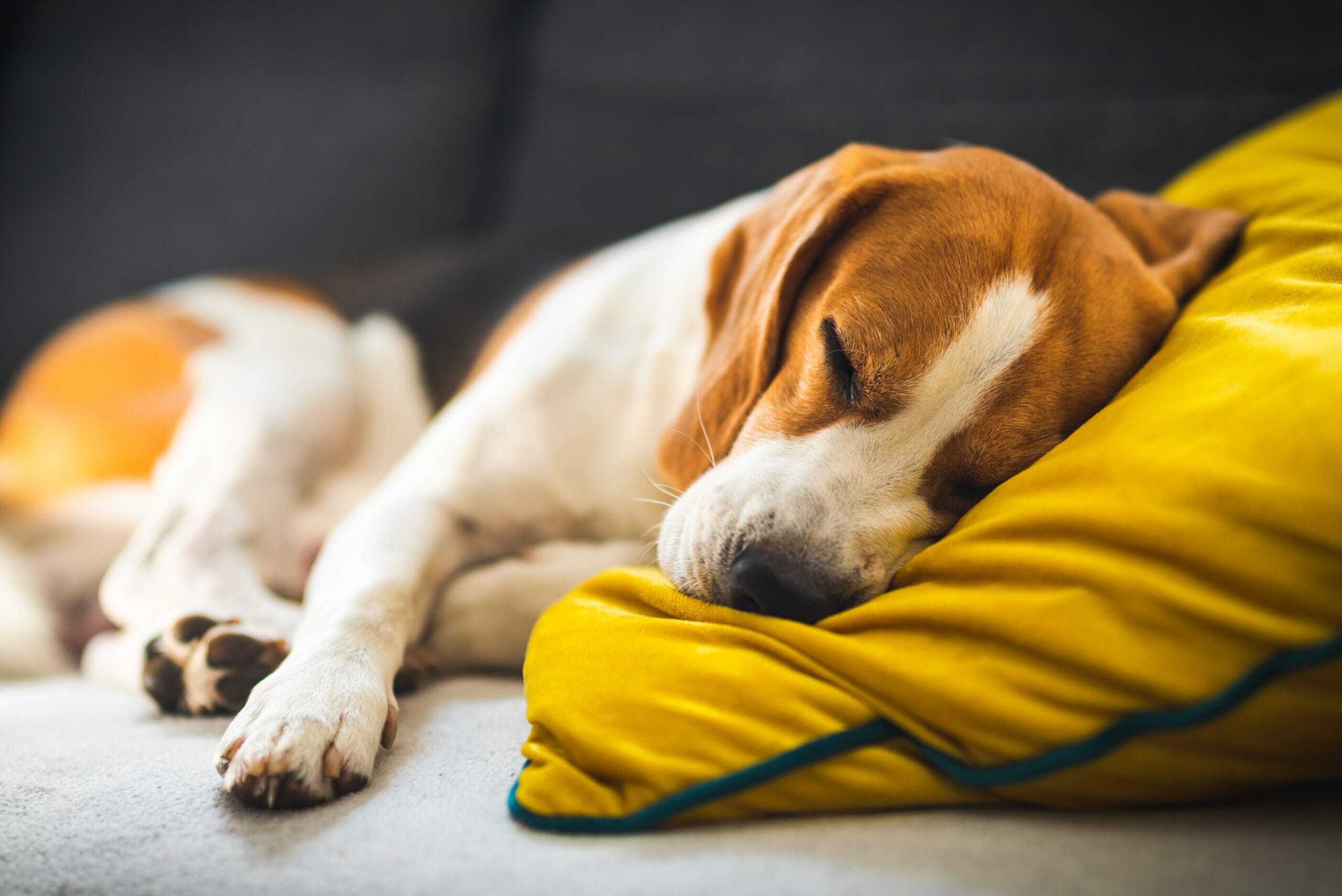

Most dogs that like to sleep alone are simply independent, want space to stretch out, or are too warm sleeping next to you – it doesn’t mean they love you any less. The exception is a dog that suddenly starts sleeping alone when it didn’t before: that change can be a sign of pain, illness or stress and is worth a vet check.
This article will go more in-depth about why some dogs prefer to sleep alone. It will explore the various reasons why dogs may enjoy sleeping by themselves, as well as dispel any myths about why a dog may choose to sleep alone.
5 reasons why a dog wants to sleep alone
1They may be sick or in pain
If your dog suddenly starts sleeping alone, it could be a sign that they’re sick or in pain. Dogs are social animals, so if they’re suddenly not interested in being around people, it’s worth taking them to the vet to get checked out. Sore joints, for example, can make jumping onto your bed painful or make a dog avoid being bumped in the night. Book a vet visit sooner if the change comes with other signs, such as limping, stiffness, panting at rest, hiding, eating less or yelping when touched. There are several reasons why a dog might start sleeping alone, from illness to loneliness, so it’s important to rule out any medical causes first.
If your dog is healthy but still prefers to sleep alone, it could be because they’re feeling anxious or stressed. Restless sleep can show up in other ways too, such as dogs howling in their sleep. If this is the case, you can try providing them with a calm environment and plenty of love and attention. Ultimately, every dog is different and there’s no one-size-fits-all answer to why they like to sleep alone. But if you’re worried about your dog’s health or wellbeing, it’s always best to consult with a professional.

2They don't want to share their food
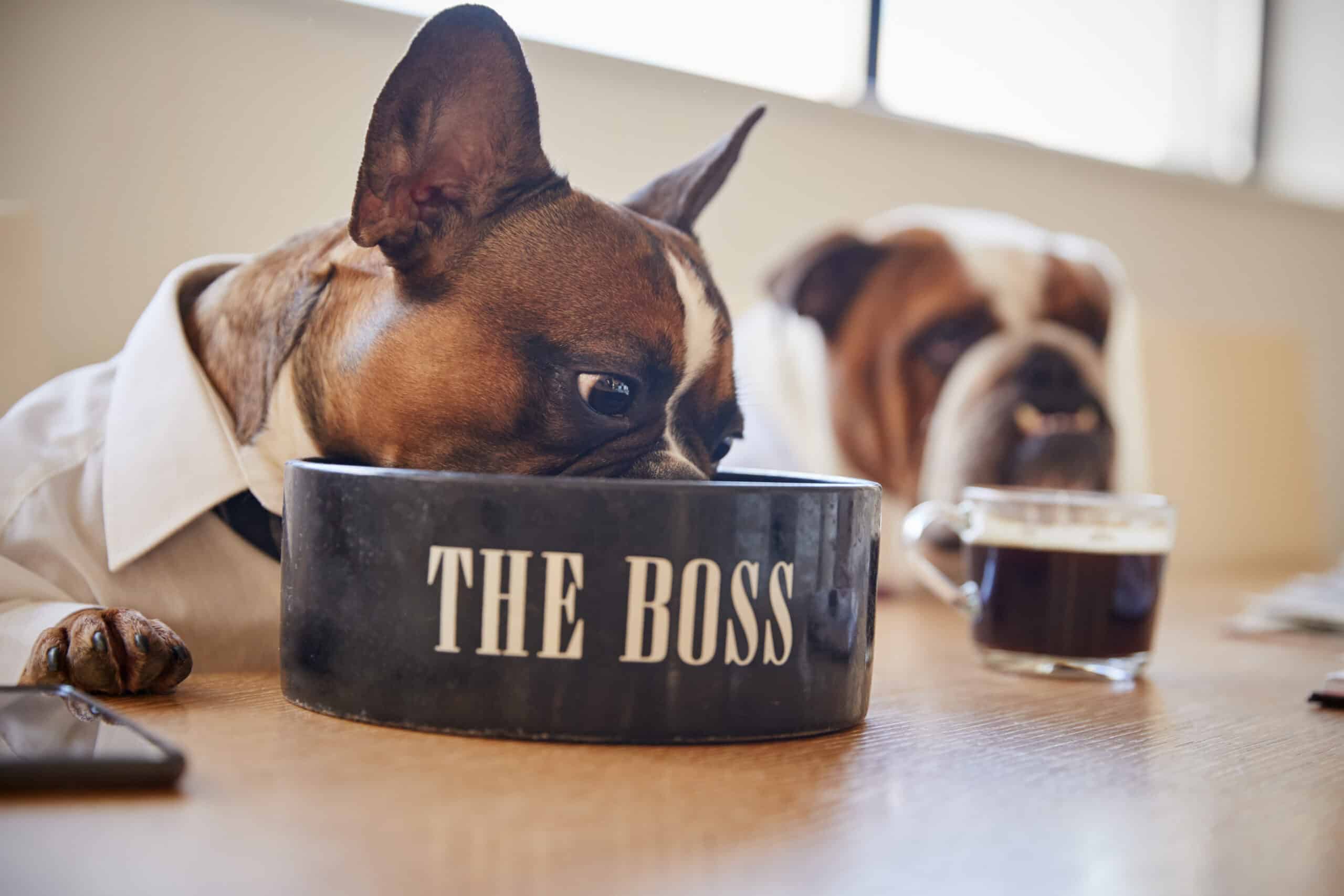
Dogs who are possessive of their food (or toys and chews) may also prefer to keep their distance from other dogs, including at bedtime. They may feel like they need to protect their resources, and sleeping apart helps them avoid conflict. If you have a dog who is possessive of its food, it’s important to be aware of this behavior and take steps to prevent it from becoming a problem.
One way to do this is to provide your dog with separate feeding areas and bowls so that they don’t have to compete with other dogs for food. Additionally, it’s important to never force your dog to share their food with another dog and to provide them with plenty of opportunities to eat so that they don’t feel like they need to guard their food. Possessiveness over food can be normal behavior in some dogs, but it can also be a sign of anxiety or insecurity.

3Dogs are more independent by nature
Some dogs are simply more independent by nature than others, and they may prefer to sleep alone. This doesn’t mean that your dog doesn’t love you – it just means that they’re comfortable being alone. Some dogs also head to bed early on their own; see why your dog goes to bed before you.
Dogs like to have their own space where they can feel safe and secure, and so a lot of them will choose a quiet corner of the house or a spot just outside the bedroom. Ultimately, within reason, it’s fine to let your dog choose where they want to sleep – as long as the spot is safe, sheltered and comfortable, and not outside in hot or cold weather.

4They prefer their own space
Some dogs simply feel more comfortable when they’re not crowded. Just like people, dogs need their own space sometimes. Others go the opposite way, which we cover in why a dog sneaks into your bed at night. If your dog is constantly being jostled or bothered when they’re trying to sleep, it’s no wonder they’d want to find a place to sleep where they can have some peace. Dogs are social creatures, but that doesn’t mean they always want to be surrounded by other dogs. In fact, some dogs prefer to sleep alone so they can have some time to themselves.
Temperature plays a big part, too. Your bed, your body heat and the blankets can make a dog too warm, so many dogs move to a cool floor or their own bed during the night – especially thick-coated breeds and during summer.

5They're used to sleeping alone
Your dog may simply be more comfortable in their own space and may not want to share its bed with another dog. Additionally, if your dog is used to sleeping alone, they may be more accustomed to the quiet and may not enjoy the commotion that comes with sharing a bed.

Myths about why dogs like to sleep alone
1Dogs who sleep alone are anti-social
Dogs who sleep alone are not necessarily anti-social. They may just prefer their own space, or they may be independent by nature. Dogs are individuals, just like people, and they all have different personalities. Some dogs enjoy being around people and other dogs all the time, while others are more content to spend time on their own.
Just because a dog sleeps alone doesn’t mean he’s anti-social. He may just prefer his own company. Dogs who do sleep alone, however, may benefit from spending more time with their guardians to socialize and build strong bonds. Whether a dog sleeps alone or with others, the important thing is that he is happy and healthy.

2Dogs who sleep alone are lonely
Dogs who sleep alone are not necessarily lonely. Dogs are social creatures, but some may prefer their own space or be independent by nature. If a dog is spending most of its time sleeping alone, it’s important to provide opportunities for socialization, such as walks, playtime with other dogs, or training classes.
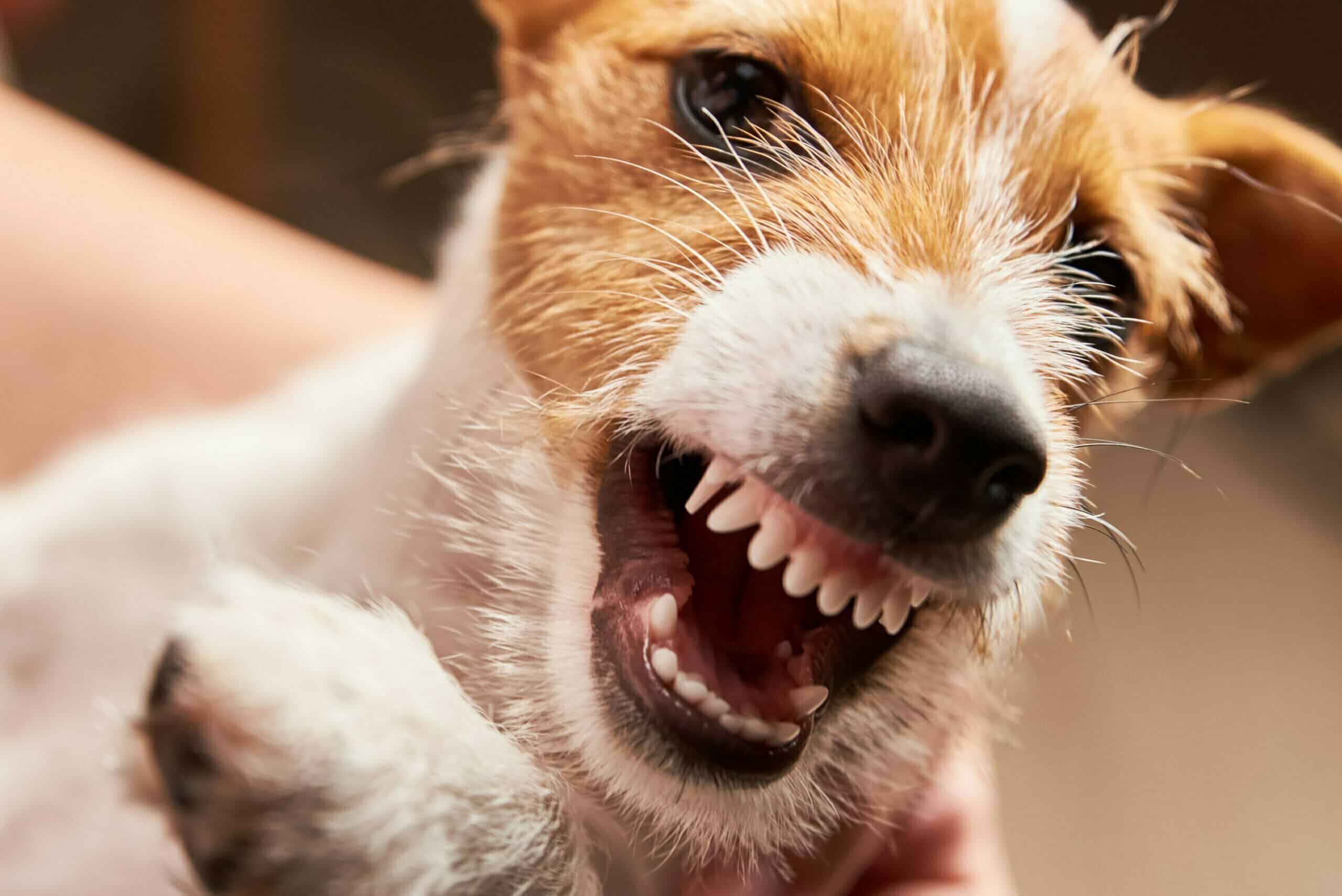
Dogs who lack social interaction may become withdrawn and difficult to train. In extreme cases, they may become aggressive. If you’re concerned that your dog is lonely, talk to your vet or a qualified behaviorist for advice on how to best meet your dog’s needs.

3Dogs who sleep alone don’t love their owners
Dogs who are independent by nature may prefer to sleep alone, but that doesn’t mean they don’t love their owners. Dogs who sleep with their owners may just be more attached or may need the warmth. Dogs who sleep alone still love their owners just as much as dogs who sleep with their owners.

Conclusion
A dog that likes to sleep alone is usually just independent, wants room to stretch out, or prefers a cooler spot – there’s nothing wrong with that, and it’s no reflection on your bond. Give them a comfortable bed in a quiet place and let them choose. The one thing to watch for is a sudden change: if your dog starts avoiding company at night out of the blue, especially alongside other changes in behavior, ask your vet to check for pain or illness.

Get The Ideal Dog Routine, free
A 10-page guide written by a vet: a sample daily routine, exercise and alone time, and grooming and vet check schedules.
We'll email you the download link. Unsubscribe anytime.