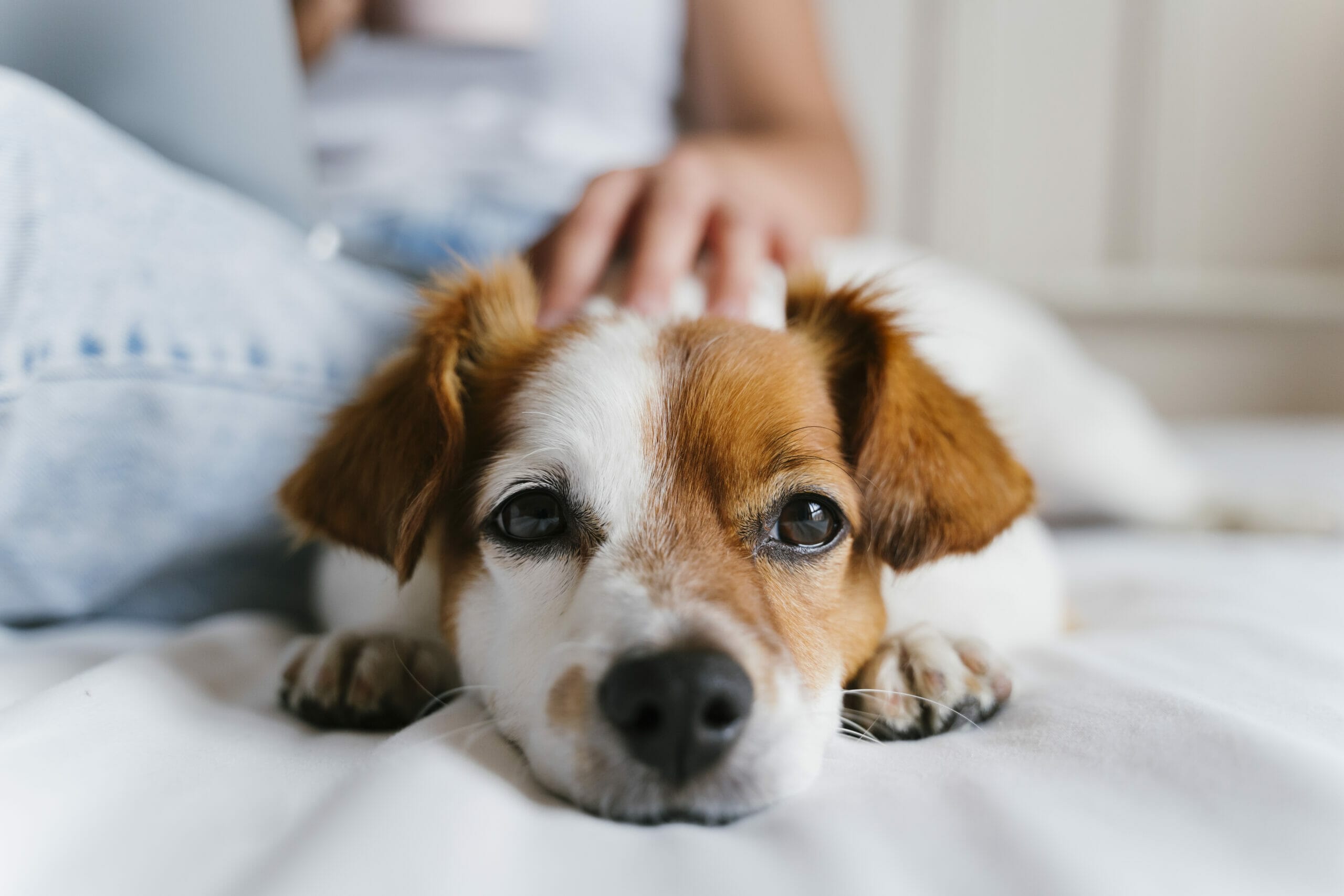
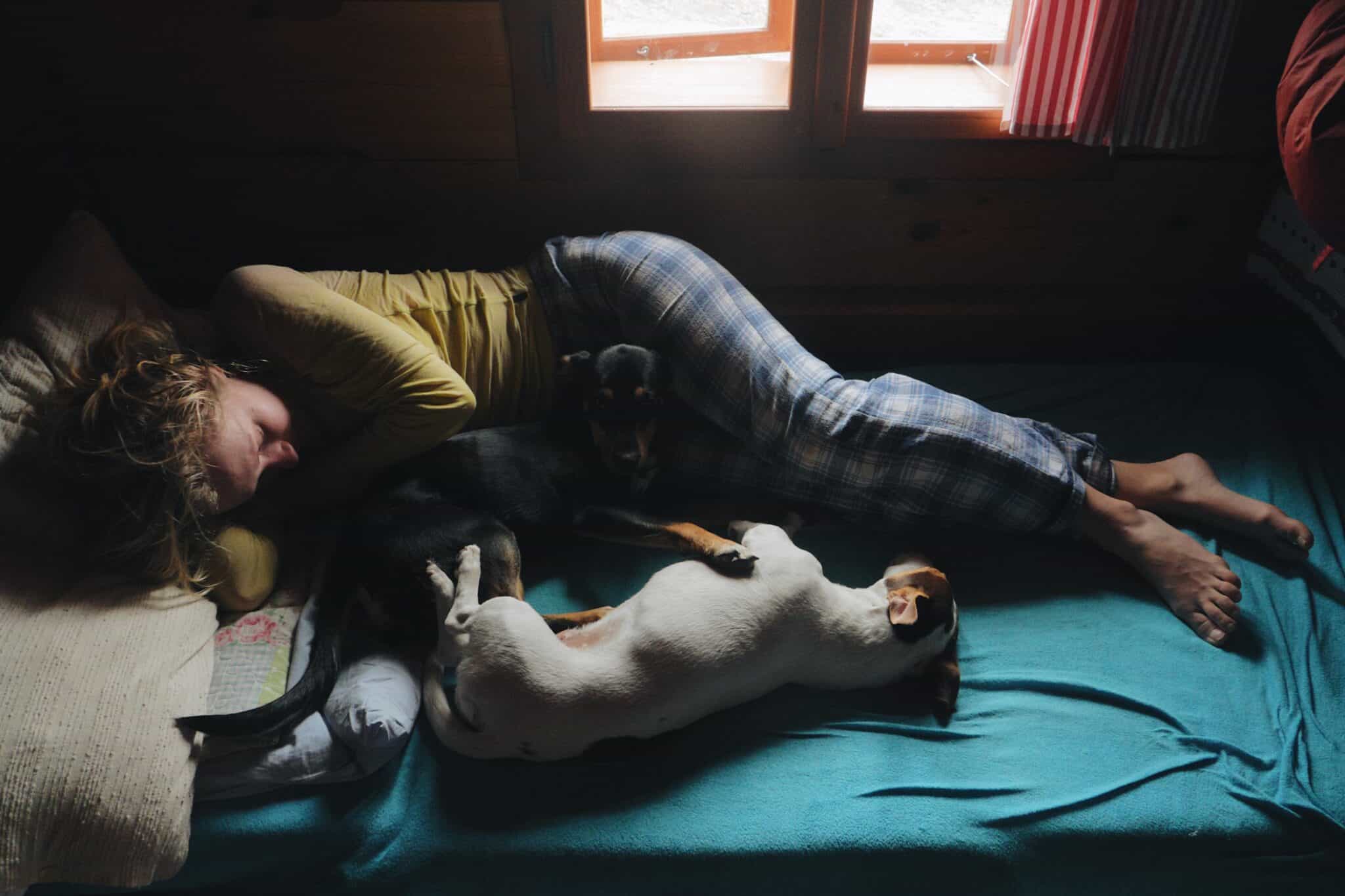
Usually not comfortably. Most dogs with true bloat (gastric dilatation-volvulus, or GDV) are restless: they pace, get up and lie down repeatedly, and can’t settle. Some may lie down and seem to “sleep,” but a bloated dog that suddenly goes quiet and still may be weak or going into shock. Never let a dog with a swollen belly “sleep it off.” Bloat is an emergency, so call your vet or the nearest emergency clinic right away.
Bloat happens when the stomach fills with gas, fluid, or food. In its most dangerous form, the stomach also twists on itself, cutting off its blood supply and trapping the gas inside.
Will a dog with bloat lay down?
In severe cases, bloat can be life-threatening. Dogs with bloat may pace or circle, pant excessively, have a distended abdomen, drool, try to vomit, and seem restless or agitated. As the condition gets worse, they may become weak, lie down, and refuse to get up, which is a sign that things are becoming critical.
If you think your dog may be suffering from bloat, it is important to seek veterinary care immediately. Time is of the essence in treating this condition, and early intervention can make a big difference in the outcome.
How do dogs get bloat?
Bloat is a condition that can affect dogs of any age, breed, or size. It occurs when the stomach fills with gas, food, or fluid, and the dog is unable to expel it. When the stomach expands, pressure will build on other organs and can cause the dog to feel uncomfortable or in pain.
There are many different theories about what causes bloat in dogs, but the exact cause is still unknown. Some possible contributing factors include eating too fast, eating one large meal a day, vigorous exercise right before or after eating, drinking large amounts of water at once, a nervous or anxious temperament, and having a close relative that had bloat.
Large dogs with deep, narrow chests are the most prone to developing bloat, as their chest shape gives the stomach more room to shift and twist. The risk also increases with age.
Some breeds of dogs seem to be at higher risk for developing bloat, including Great Danes, German Shepherds, Standard Poodles, Boxers, Basset Hounds, and Doberman Pinschers. However, any dog can develop this condition.
How to tell if dog is bloated
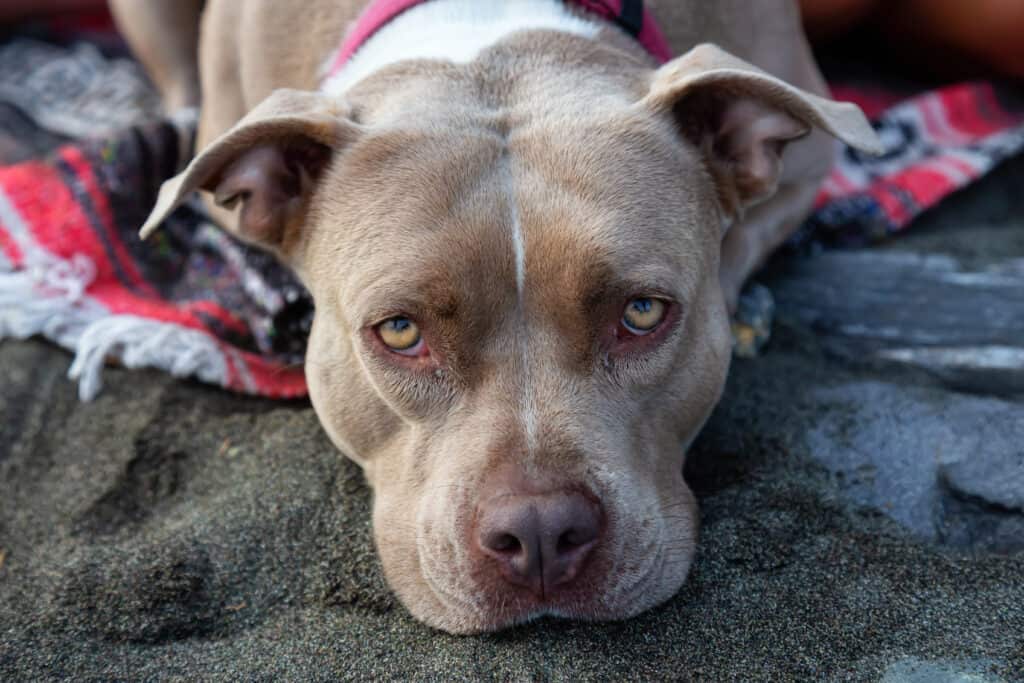
The most common signs of bloat are a swollen, tight belly and unproductive retching, meaning your dog repeatedly tries to vomit but little or nothing comes up. The belly may feel hard like a drum and be painful to touch, although in deep-chested dogs the swelling isn’t always easy to see. Other signs include excessive drooling, panting, restlessness, pacing, and agitation. Pale gums, a fast heartbeat, weakness, or collapse mean your dog may be going into shock. Bloat isn't the only reason for a sore belly; we also cover gallbladder attacks in dogs and what to do if you accidentally stepped on your puppy's stomach.
How to cure bloat in dogs?
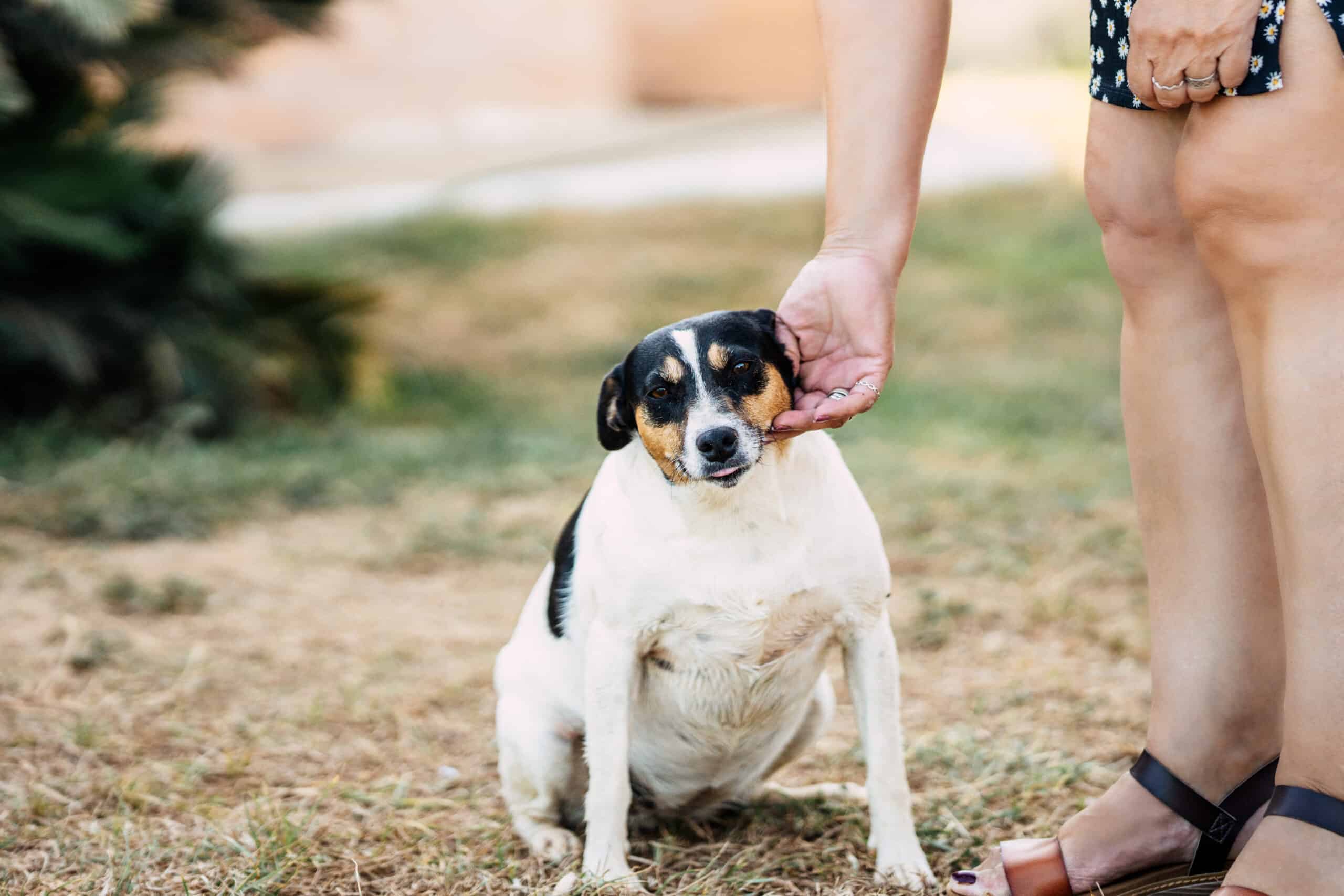
If you think your dog is bloated, it is important to seek veterinary care immediately. This is a serious condition that can be life-threatening if not treated promptly. Don’t try home remedies or wait to see if it passes.
Treatment for bloat usually starts with stabilizing your dog with IV fluids and pain relief, and releasing the pressure in the stomach with a tube or needle. If the stomach has twisted (GDV), emergency surgery is needed to untwist it and check for damage. During surgery, the vet will usually stitch the stomach to the body wall (a gastropexy) to stop it from twisting again.
Preventing bloat in dogs
There is no sure way to prevent bloat in dogs, but there are some steps you can take to reduce the risk. First, make sure your dog eats slowly and does not gulp his food. A slow-feeder bowl can help. You can also feed two or three smaller meals a day instead of one large meal.
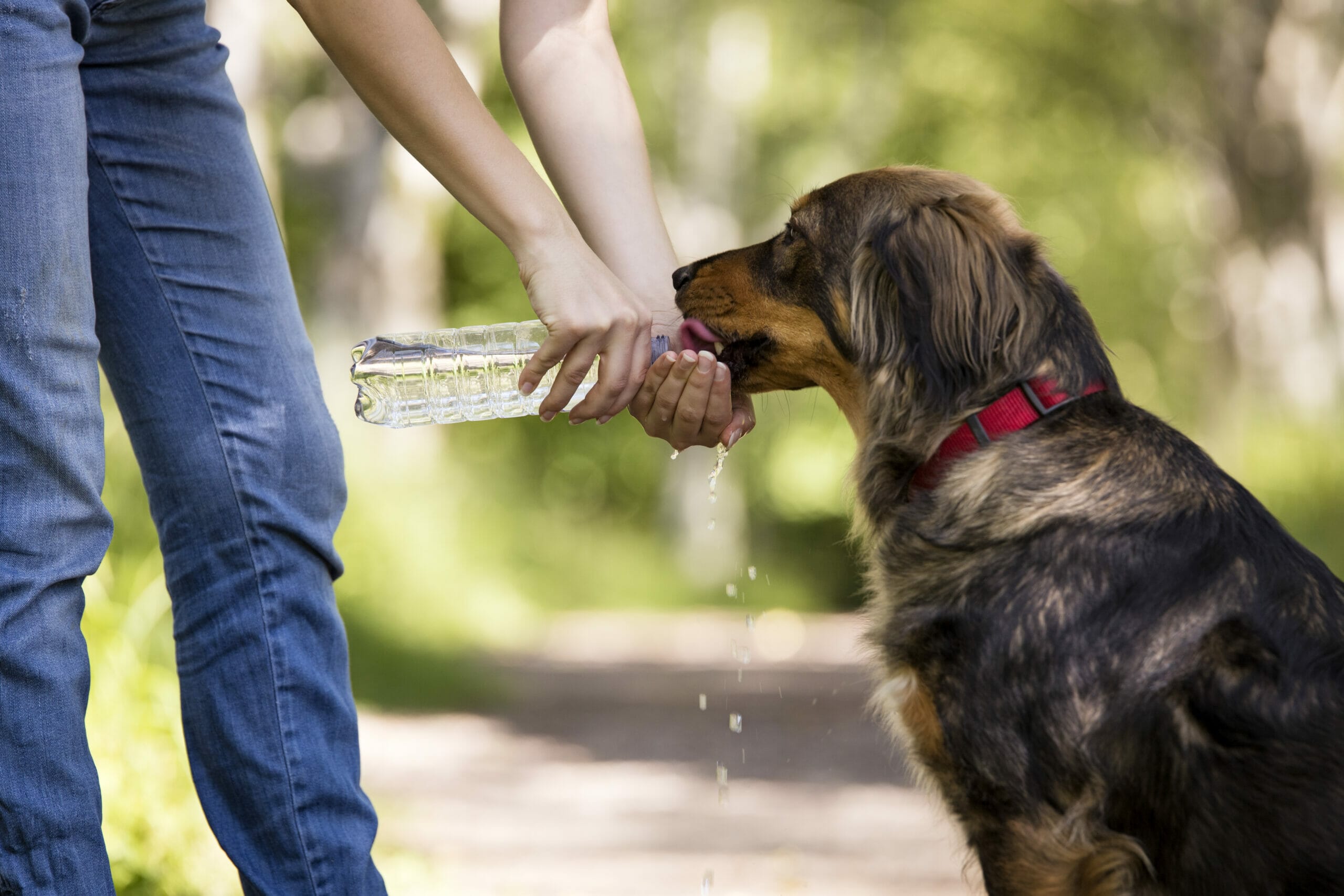
Avoid vigorous exercise for about an hour before and after meals. After exercise, allow your dog to drink small amounts of water at a time, and avoid letting him drink too much too fast.
Certain types of dog food may also be linked to a higher risk. Some research suggests that dry foods with fat or oil listed among the first few ingredients may raise the risk, so check the label.
Contrary to popular belief, raised food bowls have not been shown to prevent bloat, and one large study actually linked them to a higher risk in large and giant breeds. If you have a high-risk breed, ask your vet about a preventive gastropexy, which is often done at the same time as spaying or neutering.
5 Common questions about dog bloating
People who have never had a dog before may not know much about the condition known as bloat. Here are 5 common questions about dog bloating.
1Will a dog with bloat eat grass?
If your dog is experiencing bloat, you may wonder if it’s safe for them to eat grass. While it’s not uncommon for dogs to eat grass when they’re feeling nauseous, it’s important to keep an eye on your pet in case their condition worsens.
If you notice your dog eating grass along with a swollen belly, retching, or restlessness, contact your veterinarian right away. With prompt treatment, many dogs recover from bloat without lasting effects.
2My dog is bloated but still pooping
Pooping does not rule out bloat. Dogs with GDV can still pass stool, especially early on, because the problem is in the stomach, not the intestines. Mild gassiness after a meal, with a soft belly and a dog who is otherwise acting normal, is usually not dangerous.
However, if your dog’s belly looks swollen or feels tight, or your dog is restless, retching, drooling, or in pain, treat it as an emergency and go to the vet right away, even if they have just pooped. If you’re not sure, call your vet; it’s always better to be checked and sent home than to wait too long.
3Will a dog with bloat pee
A dog with bloat may still pee, so being able to urinate doesn’t mean your dog is fine. As bloat progresses and the dog goes into shock, they may produce less urine. Focus on the key signs instead, such as a swollen belly, retching without bringing anything up, and restlessness, and if you suspect bloat, get your dog to a vet as soon as possible.
Can dogs die from bloat?
Bloat is a medical emergency and can be fatal if not treated promptly. In its most severe form (GDV), the stomach twists on itself, trapping gas and preventing it from being released. This causes the stomach to swell, cuts off blood flow, puts pressure on other organs, and causes severe pain.
If left untreated, bloat can lead to shock, heart rhythm problems, and death, sometimes within hours. While any dog can develop bloat, large and deep-chested breeds are at greater risk.
Signs of bloat include restlessness, pacing, heavy panting, drooling, and abdominal pain. If you suspect your dog is suffering from bloat, it is important to seek veterinary care immediately. With prompt treatment, many dogs make a full recovery.
Why is my dog bloated and breathing heavy?
Heavy breathing is one of the symptoms of bloat, along with restlessness, pacing, drooling, and abdominal pain. If your dog is experiencing any of these symptoms, it’s important to seek veterinary care immediately. Early treatment is essential for the best chance of recovery.

Bottom-line
Bloat can be a serious condition that can be fatal if not treated immediately. If you notice any of the symptoms of bloat in your dog, it’s important to seek veterinary care right away. With prompt treatment, many dogs make a full recovery, so never wait to see whether it gets better on its own.