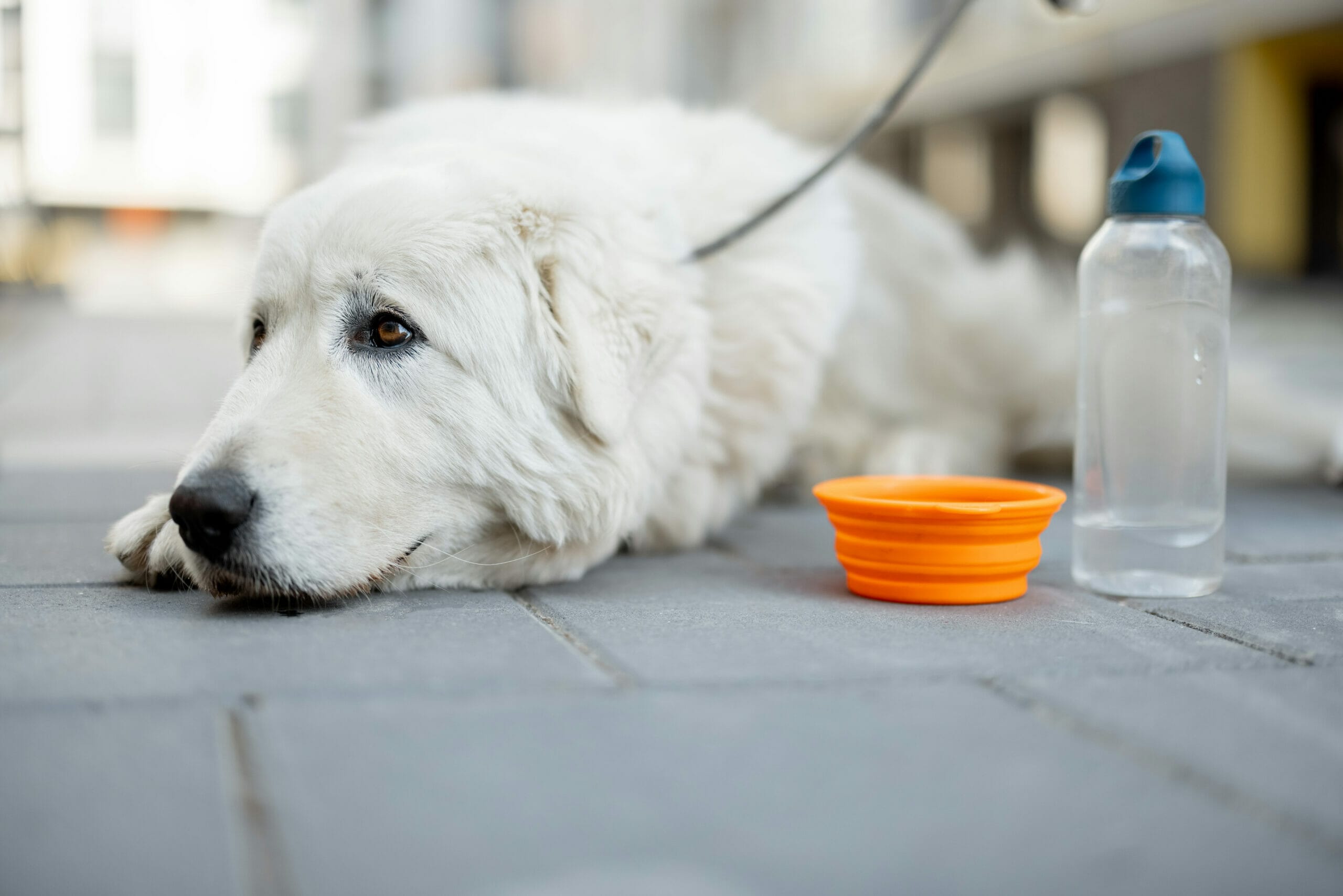
After your dog has undergone dental surgery, it is important that you continue to provide them with plenty of water. However, if your dog is refusing to drink water, there may be a reason why. In this blog post, we will explore some of the reasons why your dog may not be drinking water following dental surgery and how you can help encourage them to drink more. Keep reading for more information!
Why do dogs stop drinking water after dental surgery?
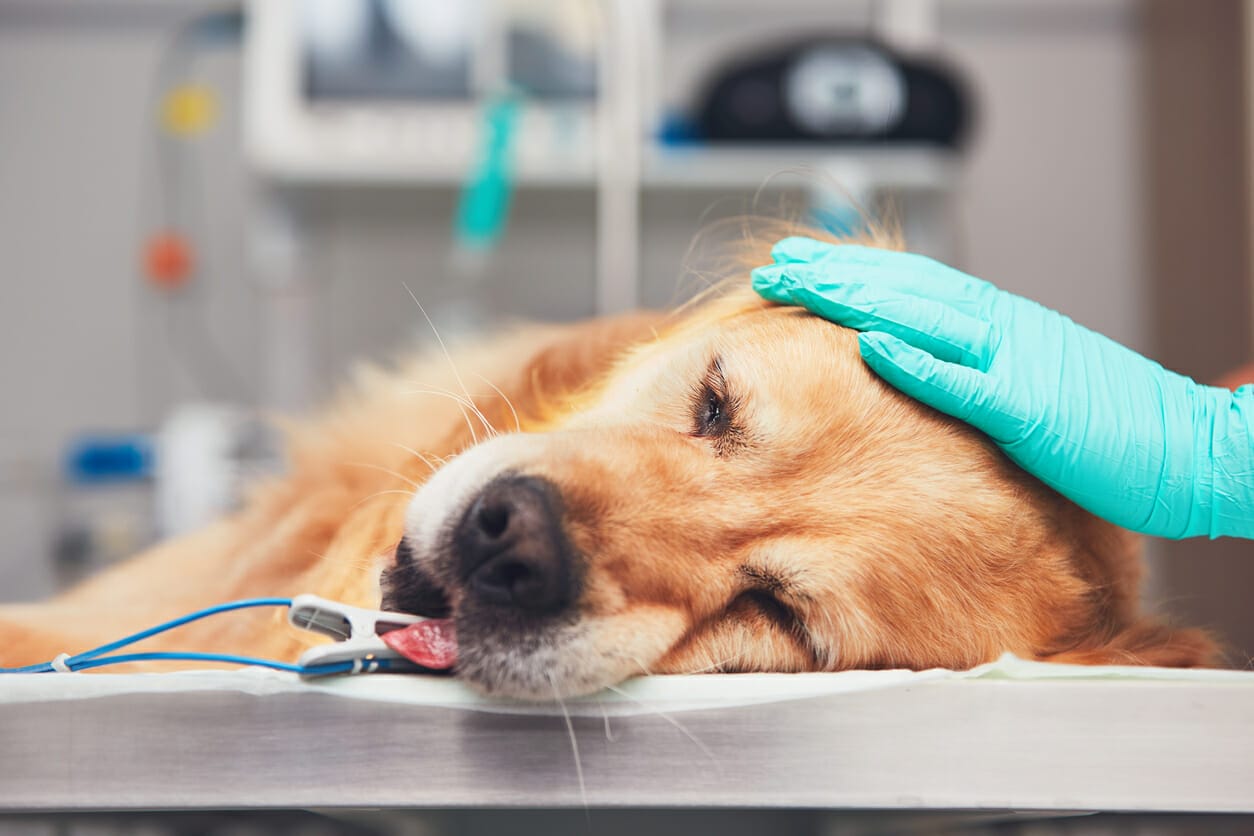
Dogs refusing water after dental surgery is entirely normal. Generally, the anesthesia used during the surgery makes the dog sick and lethargic, which can translate into dogs refusing food or water. We cover these effects in more detail in dog teeth cleaning anesthesia side effects.
These conditions usually occur within two days after the surgery and can last for days, depending on the anesthesia dosage. While most dogs surpass this period and continue with their daily feeding routine, sometimes you may have to encourage your dog to drink water.
Furthermore, if your dog still avoids drinking water, it would be best to seek professional help or visit a qualified vet for a complete medical examination.
How long can your dog go without drinking water?
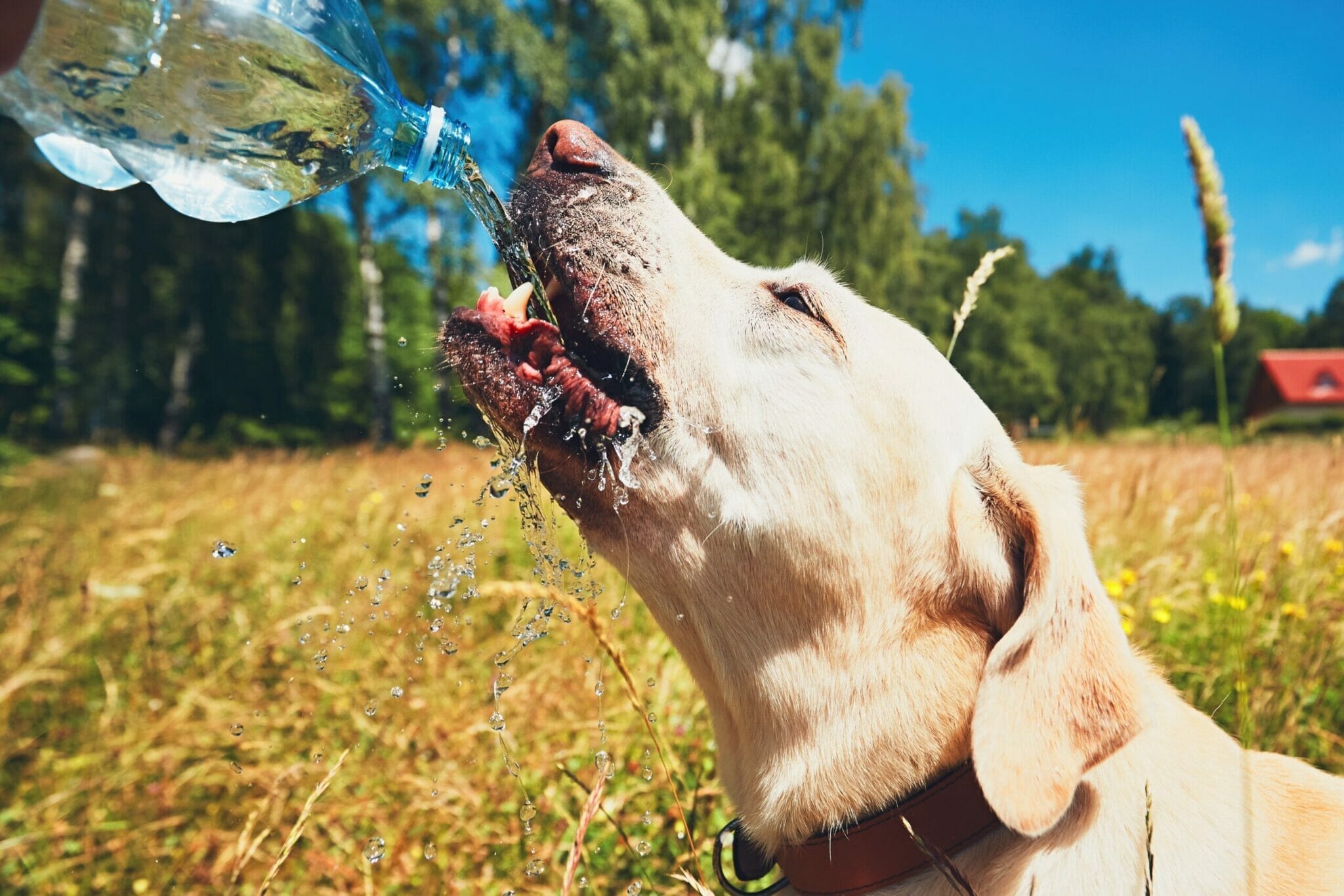
Don’t wait it out. It’s normal for a dog to drink a little less on the evening of surgery while the anesthetic and pain medication wear off, but most dogs start drinking again within a few hours of getting home. A healthy dog can survive a couple of days without water, but dehydration starts well before that, and a dog that is already sore, nauseous or groggy has less margin. Small dogs, puppies, seniors and dogs with kidney or heart disease dehydrate fastest.
As a rule of thumb, call your vet if your dog hasn’t drunk anything within about 24 hours of coming home, or sooner if it is vomiting, very lethargic, or shows the signs of dehydration described further down.
Less water also tends to come with other post-surgery problems, such as loss of appetite, nausea and grogginess, and some dogs act withdrawn or grumpy while their mouth is sore. If your dog cries out when you touch its cheek, see why a dog yelps when touched on the side of the face.
You shouldn’t force your dog to drink, but you can make water far more appealing. The tips below help most dogs start drinking again.
How to encourage your dog to drink water after surgery?
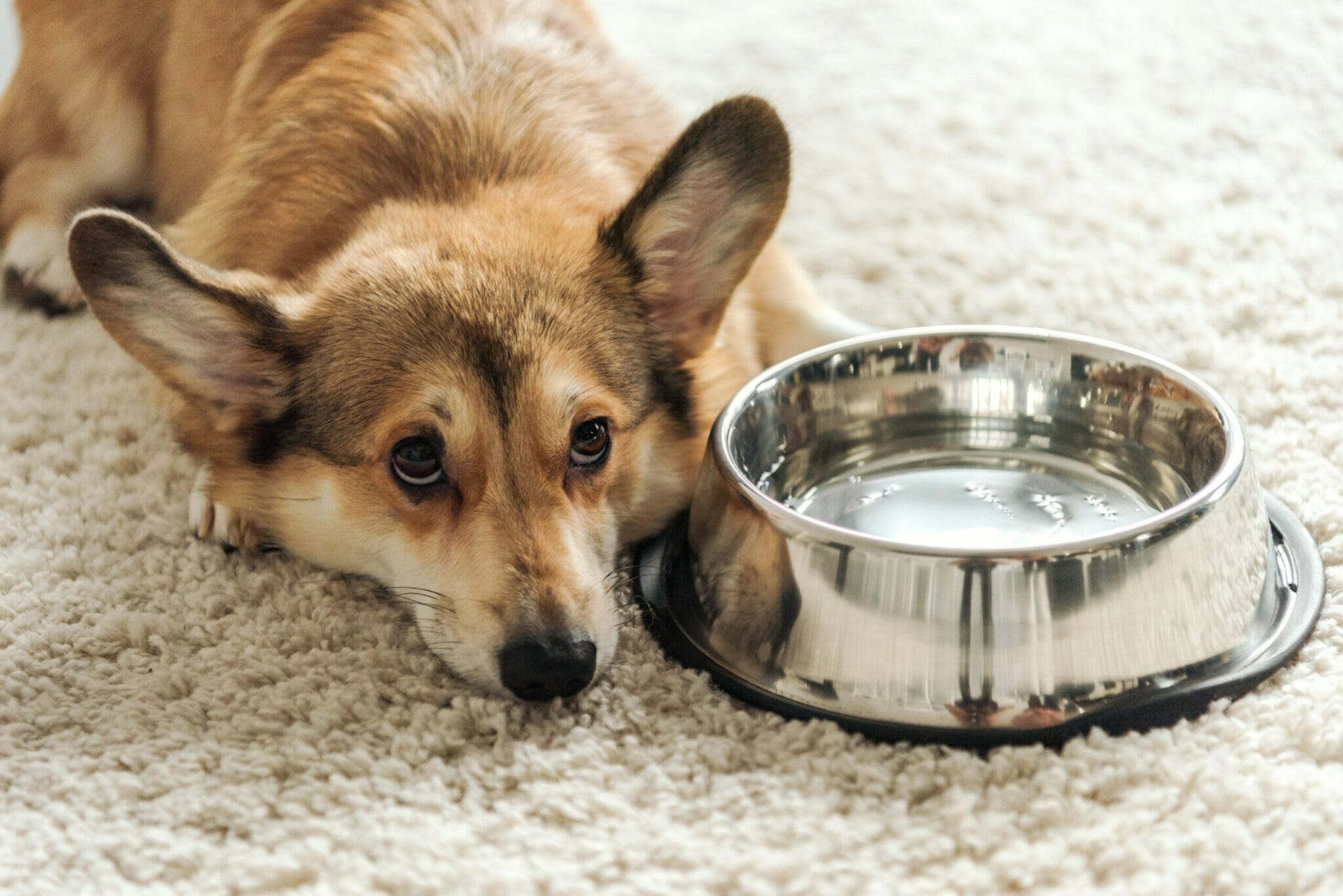
As mentioned earlier, you cannot force your dog to drink water, as it can make things worse. However, you can encourage your dog to drink water to avoid dehydration.
Here are some useful tips that you can follow.
1Offer cold water
Cold water is an excellent natural agent that can ease pain and stop possible bleeding. If cold water soothes your dog’s agony, it will certainly enjoy drinking more cold water.
You can place different bowls of cold water at strategic locations to help your dog drink whenever he wants. Furthermore, ice cubes can also act as a soothing cold treat that will help rehydrate your dog.
2Offer wet food
Offering wet food is undoubtedly your best option as it allows your dog to eat without putting pressure on its gums or teeth. Additionally, wet food also contains moisture that will further hydrate the dog. For more ideas, see how to soften food for a dog with no teeth.
However, ensure that you consult a vet first before getting wet food that won’t compromise your dog’s stomach.
3Water with a twist
If offering cold water is not working for you, you can add low-sodium broth into the water to entice your dog’s smell and taste.
Since broth contains essential vitamins and minerals, it will provide energy to your dog. This way, your dog will stay hydrated and recover from the surgery without compromising his appetite.
4No force-feeding
Force-feeding will only make things worse, so keeping it aside is the best thing. Instead, place clean bowls with either cold water or water mixed with broth at strategic locations for your dog.
Your dog will find it convenient to drink whenever he wants instead of force-feeding. Furthermore, a dog can become aggressive after dental surgery, which means force-feeding may result in accidents.
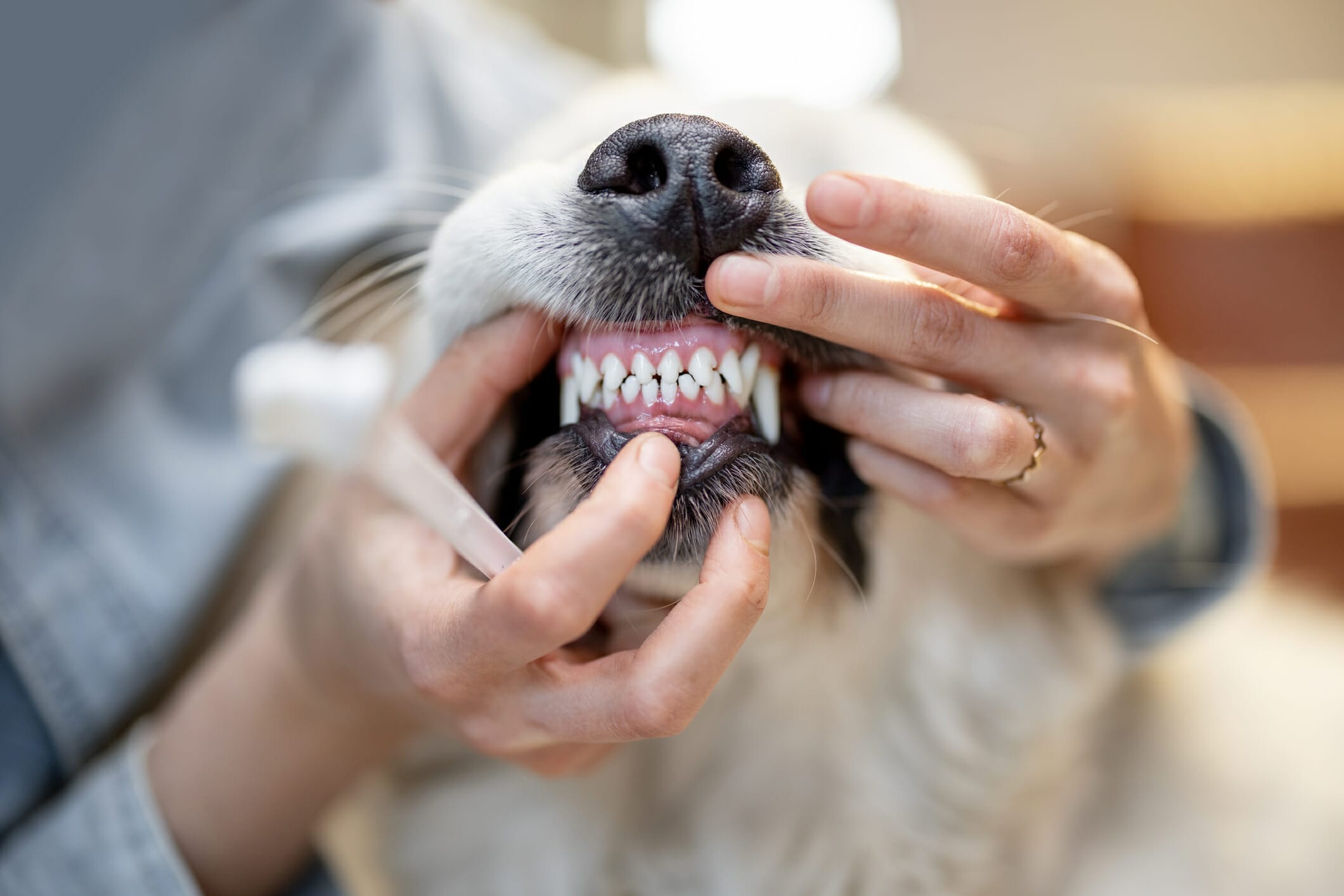
However, if your dog is not aggressive, you can use a syringe to drip water inside his mouth. A strong dose of anesthesia can make your dog’s jaws numb, so using a syringe can be effective.
You can repeat this process throughout the day if your dog is not drinking himself.
5Painkillers
Painkillers are crucial after dental surgery as it helps your dog to fight the pain. These medicines control the pain and allow your dog to drink and eat according to its normal schedule.
However, ensure that you follow the correct dosage and timing to avoid any side effects. Furthermore, if you notice any adverse symptoms, contact your vet immediately.
Signs of dehydration and more ways to keep your dog hydrated
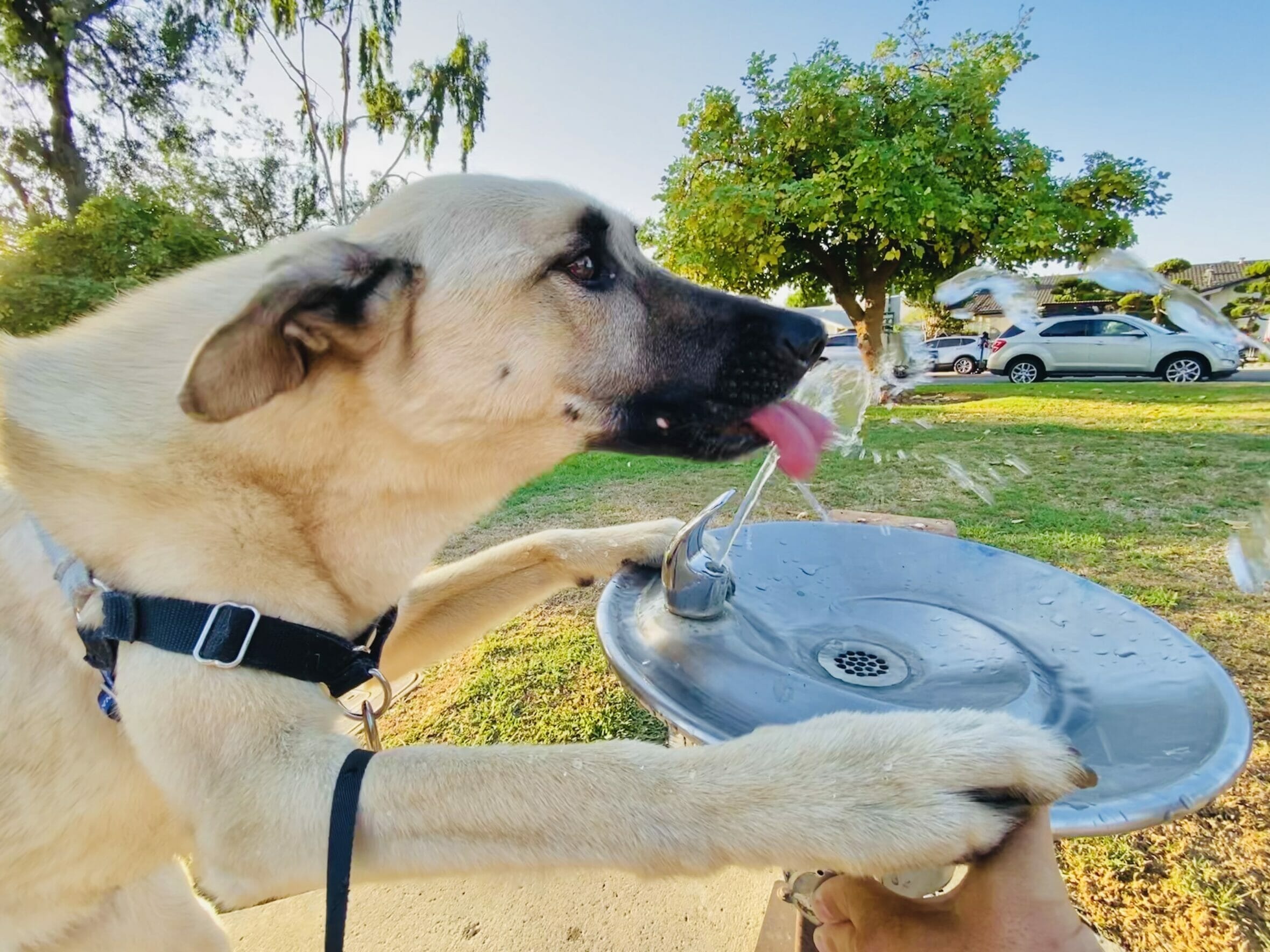
Knowing what dehydration looks like helps you decide when to keep encouraging your dog at home and when to call the vet.
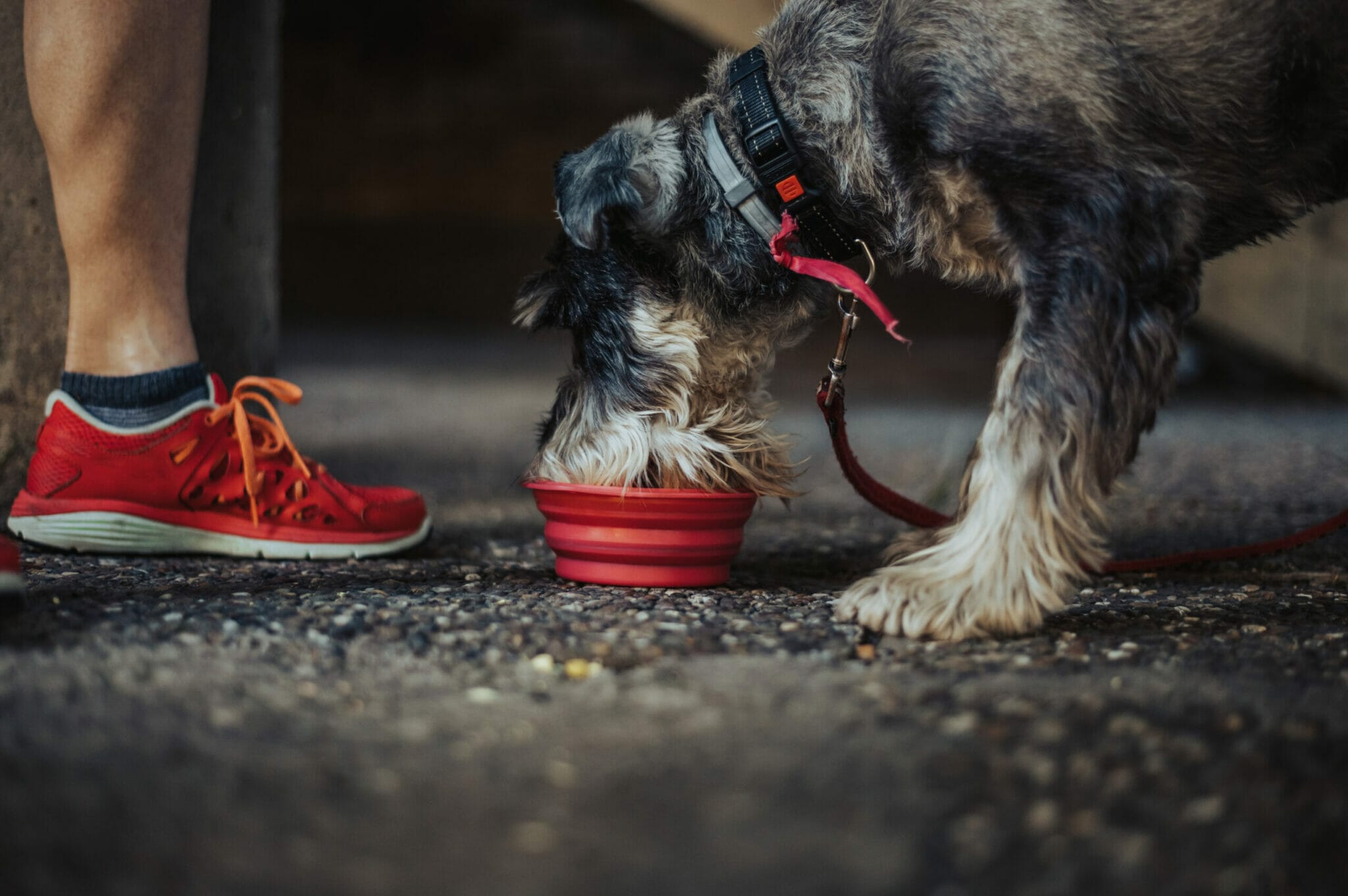
Check for signs of dehydration
Check your dog once or twice a day while they recover. Common signs include (AKC):
- Dry or tacky gums. Healthy gums feel moist and slippery. Away from the surgery site, press a fingertip gently on the gum: the pink color should return within about two seconds.
- Slow skin recoil. Gently lift the skin between the shoulder blades and let go. It should spring straight back. If it falls back slowly or stays tented, your dog may be dehydrated. This test is less reliable in older or very thin dogs.
- Sunken or dull-looking eyes.
- Thick, sticky saliva or heavy panting.
- Less urine, or dark yellow urine.
- Lethargy that seems worse than normal grogginess after anesthesia.
How much water does your dog need?
As a rough guide, a dog needs about 1 ounce of water per pound of body weight a day (around 60 ml per kg), so a 15-pound dog needs roughly 15 ounces. Moisture from wet or soaked food counts toward this. You don’t need to measure exactly, but it helps to know roughly how much your dog usually drinks.
More ways to get fluids into your dog
- Offer small amounts often. A few laps every hour is easier on a queasy stomach after anesthesia than a full bowl at once, and big gulps are more likely to come back up.
- Soak their food. Soaking kibble in warm water until it is soft adds fluid and is gentler on a sore mouth.
- Try a water fountain. Moving water tempts some dogs to drink more. Keep it clean and refill it with fresh water daily.
- Choose broth carefully. If you use broth to flavor water, pick a low-sodium one with no onion or garlic, which are toxic to dogs.
- Ask your vet about electrolytes. Your vet may recommend an oral rehydration solution for dogs. Don’t mix your own salt solution at home, as getting the amount of salt wrong can do more harm than good.
When to call the vet
Call your vet if your dog hasn’t drunk anything within about 24 hours of coming home, shows any of the signs of dehydration above, keeps vomiting, or seems weaker rather than brighter each day. A dehydrated dog may need fluids given under the skin or through a drip, which works much faster than anything you can do at home.
Things to avoid after your dog’s dental surgery
Here are the things you should avoid after your dog’s dental surgery.
- Do not force-feed your dog as they can be aggressive after dental surgery.
- Surgeries can cause mental depression, so avoid speaking rudely.
- Do not force your dog into any activity.
- Never let your dog go out of sight after the surgery.
- Never forget your vet’s homecare instructions.
Wrapping Up
Although seeing your dog not drinking water can be a worrying sign, it would be best to give him some time to recover. However, also ensure that you do not leave things for too long if your dog exhibits signs of dehydration.
We hope that our post has helped you understand this topic and also the ways you can encourage your dog to drink water after dental surgery.