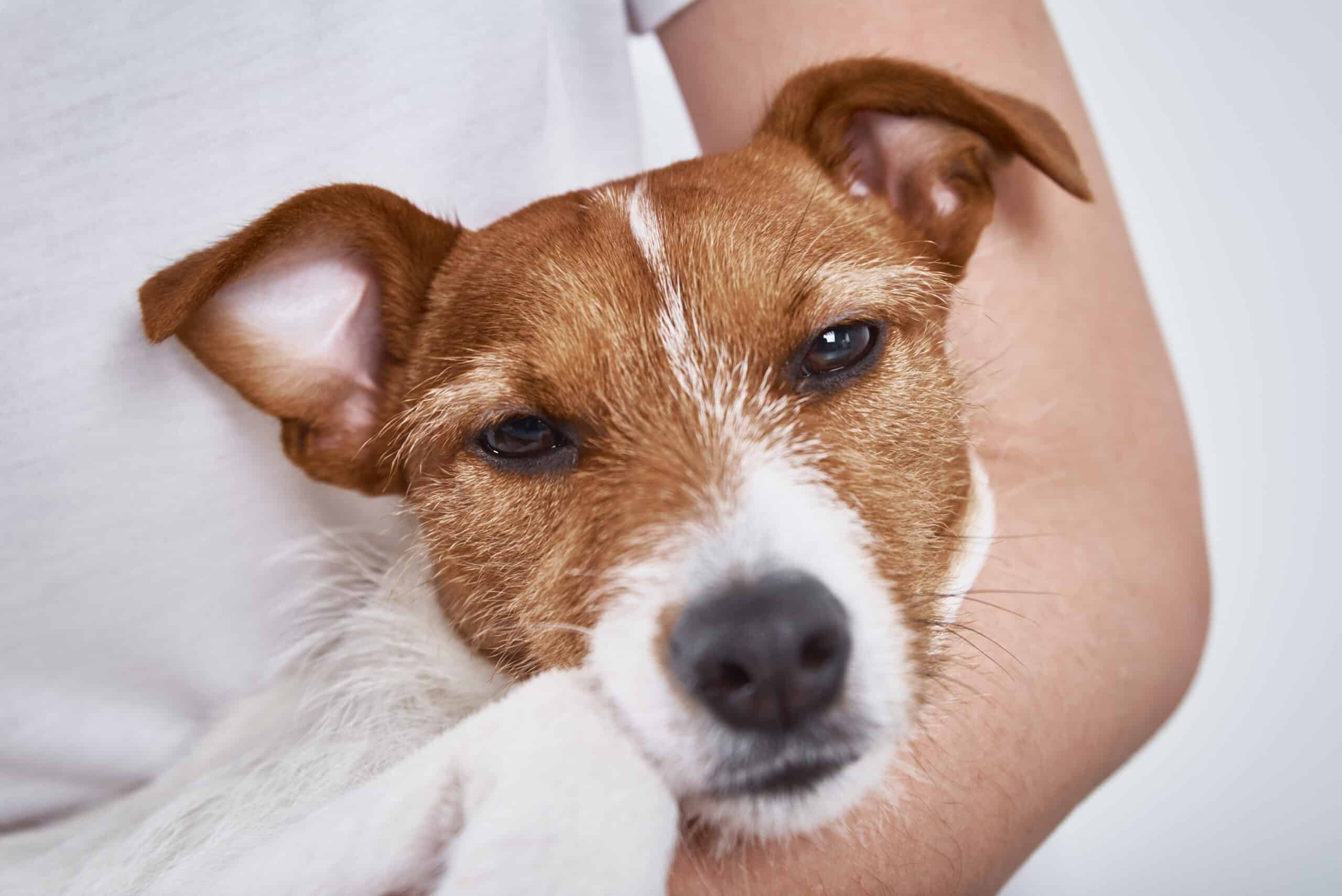
If you cut a dog’s whiskers, it doesn’t hurt – the whisker itself has no nerves, just like a hair – and the whiskers grow back over the following weeks. Until they do, your dog loses some of the touch information whiskers provide, so they may misjudge gaps or bump into things more in the dark, and some dogs seem a little unsettled. Pulling a whisker out, on the other hand, is painful.
Dogs use their whiskers for many things, including sensing when something is close to them and judging the width of a gap. Contrary to popular belief, cutting a dog’s whiskers does not blind them. Still, it’s best to avoid cutting a dog’s whiskers if possible, as they play an important role in the dog’s sensory system.
What are whiskers and why do dogs have them?
Whiskers are long, thick hairs that grow on the sides of a dog’s muzzle, above their eyes, and on the cheeks and chin. Unlike the rest of a dog’s fur, whiskers are special touch hairs called vibrissae. They are stiffer than normal hairs and sit in deep follicles packed with nerves and blood vessels, so even a tiny movement of the whisker sends a signal to the brain. That’s why they play an important role in a dog’s sensory system.
1Avoid collisions
Dogs use their whiskers to sense when something is close to them. The whiskers are very sensitive and can detect even the slightest movement in the air. This allows dogs to avoid collisions and helps them navigate in low-light conditions.
2Determine size
Whiskers also help dogs judge the width of a hole or space. This is especially important for hunting dogs, as they need to be able to fit through small spaces to chase down their prey.
3Protect the eyes
The whiskers above a dog’s eyes act as an early warning system. When something brushes against them, such as a branch or a blade of grass, the dog automatically blinks or turns its head, which helps protect the eyes from injury.
4Maintain balance
Finally, whiskers add to a dog’s overall awareness of its body and surroundings. Together with their other senses, the touch signals from the whiskers help a dog move confidently, adjust its body and avoid obstacles, especially in the dark.
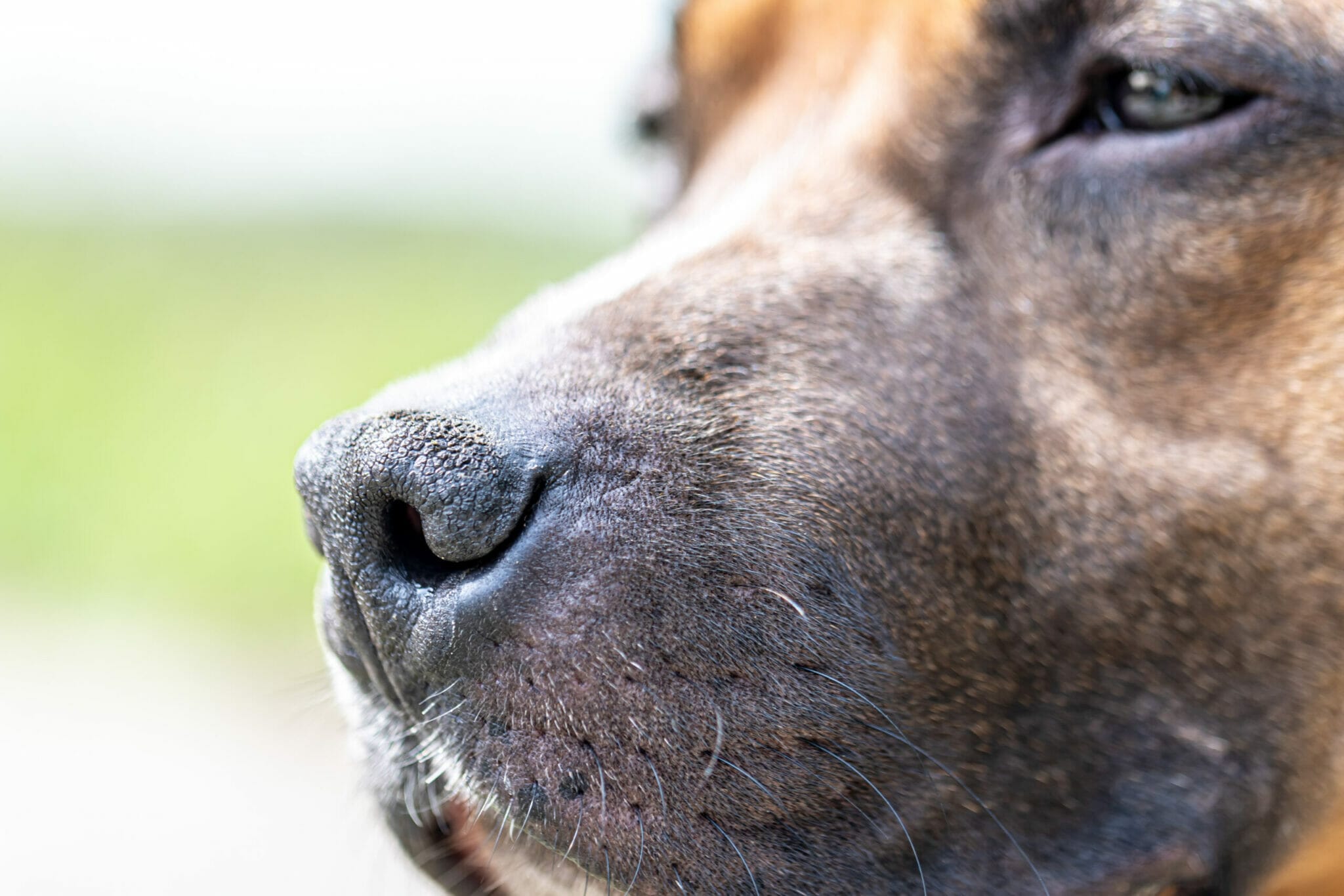
What would happen if you ever cut a dog’s whiskers?
Cutting a dog’s whiskers is painless, but it takes away some of the sensory information your dog relies on until they grow back. Some dogs become a little more cautious, especially in low light, and having their face handled for trimming can be stressful in itself. Some groomers trim whiskers for a neat look or for the show ring, but for most pet dogs it’s best to ask your groomer to leave them alone. If your dog flinches or cries out when you touch its muzzle, see why a dog yelps when touched on the side of the face.
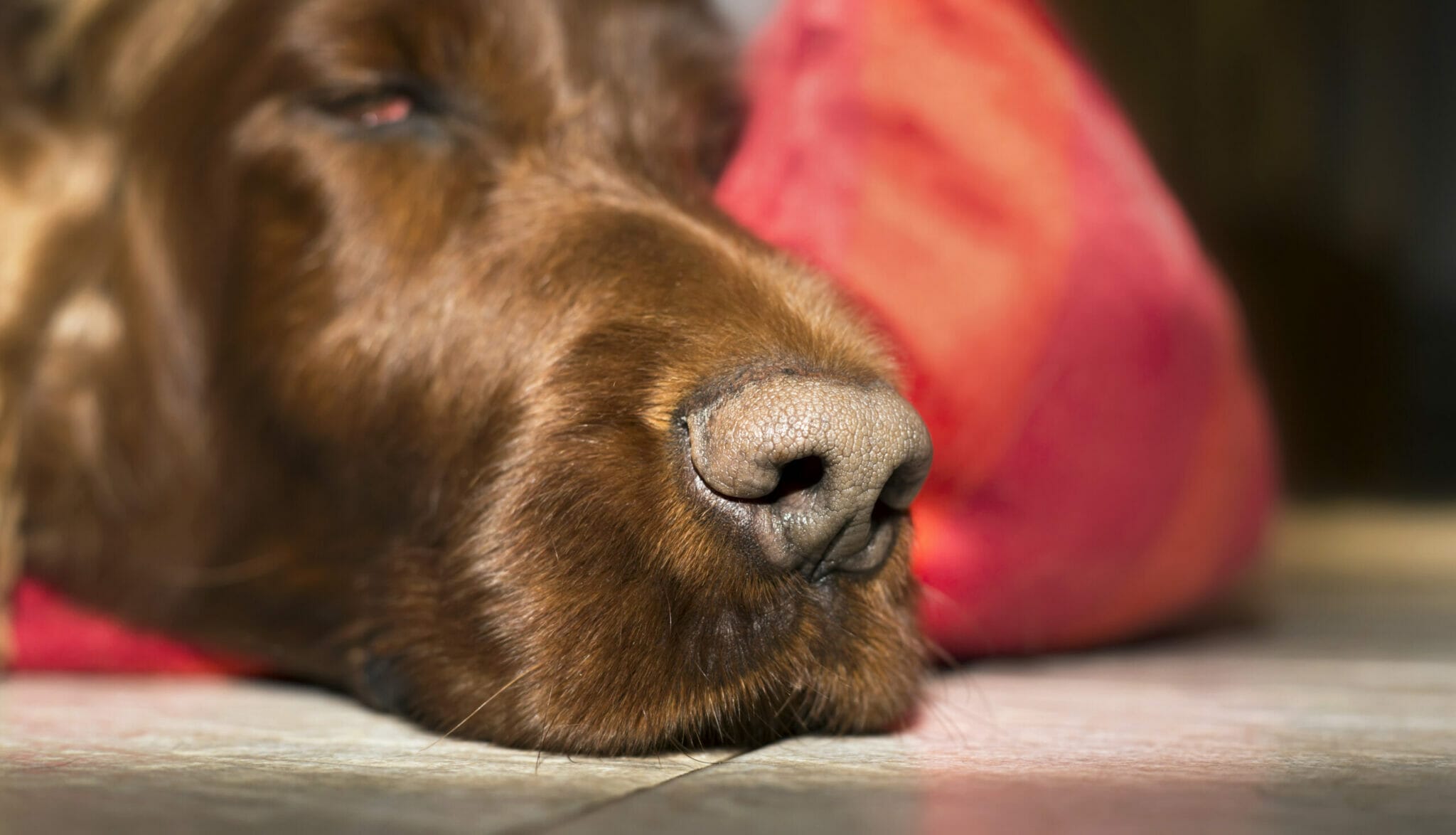
What happens if you accidentally pull out a dog’s whisker?
Pulling out a whisker is a different story from trimming one. Because the follicle is packed with nerves and blood vessels, plucking a whisker hurts and may cause a little bleeding, and the open follicle can occasionally become infected.
So, if you accidentally pull out a dog’s whisker, don’t panic – it will grow back on its own. Keep the spot clean, and see your vet if it becomes swollen, red or oozing. Never deliberately pluck a dog’s whiskers.
How to stop whisker bleeding?
If your dog’s whiskers are bleeding, there are a few things you can do to help stop the bleeding.
- First, take a paper towel or soft cloth and apply light pressure to the area.
- After a few minutes, increase the pressure slightly and see if the bleeding has stopped.
- If the bleeding does not stop, continue to apply pressure for a few more minutes.
- If the bleeding still does not stop after 10–15 minutes of steady pressure, it is best to see your veterinarian. They will be able to determine if there is a more serious problem and provide treatment accordingly.
Do dog’s whiskers shed?
Yes, just like the rest of a dog’s fur, whiskers shed and are replaced naturally, usually one at a time, so you rarely notice. If your dog is losing lots of whiskers at once, or has hair loss, redness or scabs on the muzzle, it could be a sign of a skin problem or illness, and it’s worth a vet check.
Do whiskers grow back on dogs?
Yes, whiskers grow back on dogs. However, it may take several weeks to a couple of months for the whiskers to grow back to their full length. In the meantime, your dog may look a bit funny without their whiskers! If your dog seems off after a trim, see how long a dog may act weird after grooming.
Are dog whiskers the same as cat whiskers?
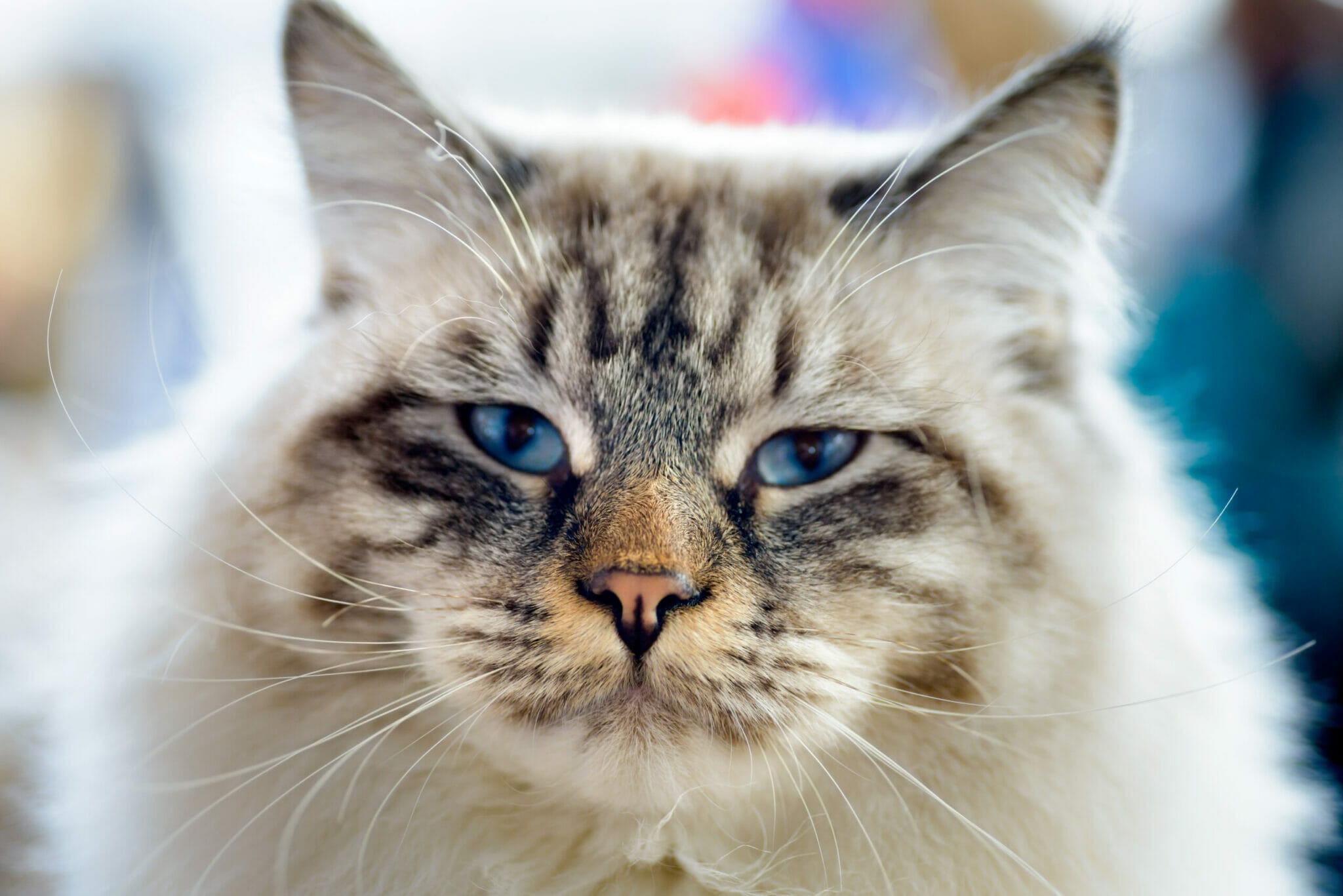
Dog whiskers and cat whiskers serve the same purpose, but there are some differences between them. Cats tend to rely on their whiskers even more than dogs do, and their whiskers are usually longer relative to their face, roughly matching the width of their body to help them judge tight gaps. Dog whiskers vary much more from breed to breed, from short and stubby to long and wiry.
Final word
Whiskers are an important part of a dog’s sensory system. They help dogs avoid collisions, judge the width of spaces, protect their eyes, and move confidently. Cutting a dog’s whiskers doesn’t hurt or blind them, but it temporarily dulls this sense and is best avoided, while pulling a whisker out is painful.
If you notice your dog’s whiskers shedding more than usual, it could be a sign of stress or illness. Whiskers grow back on dogs, but it may take several weeks to a couple of months for them to reach their full length.