Pet-Safe Sunscreen for Dogs: The 6 Best Dog Sunscreens (2026)
 Written by Tim de Jong
As an Amazon Associate we earn from qualifying purchases, at no extra cost to you. Disclosure
Pick by your dog
Swipe ›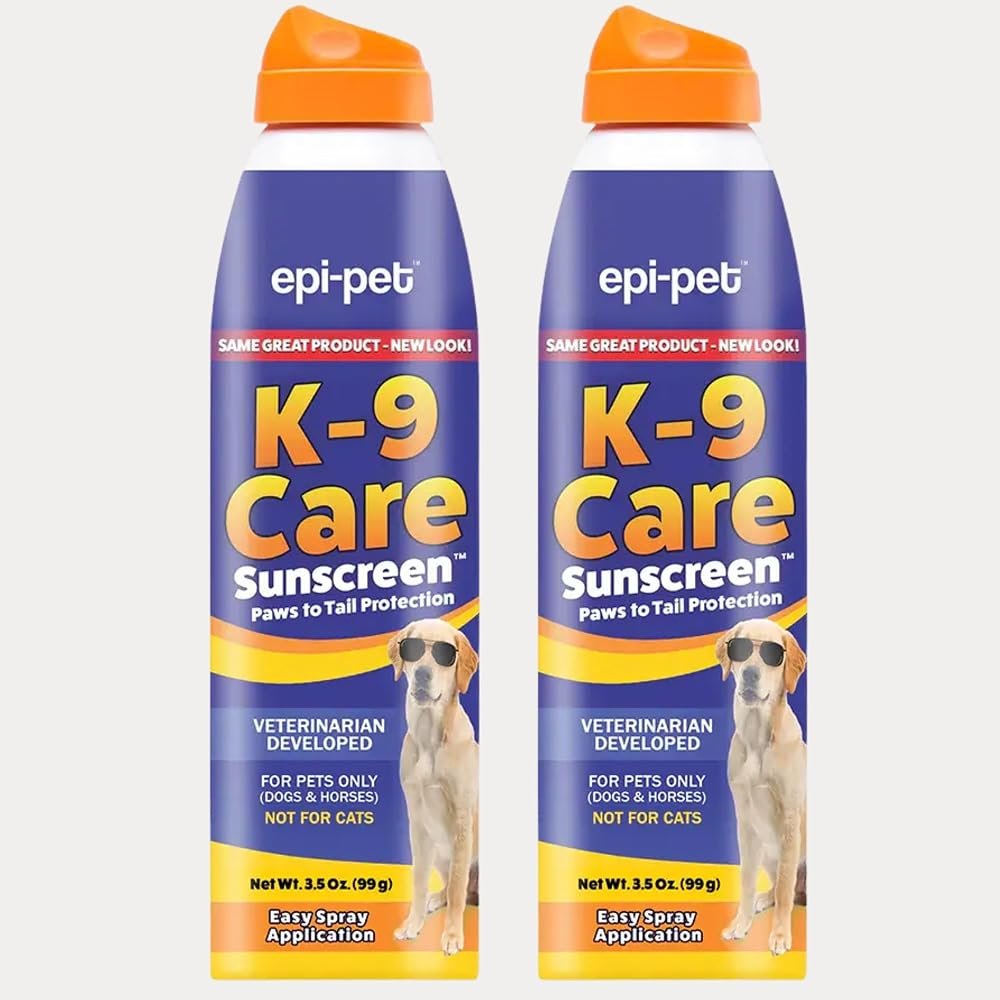
Our picks
| Pick | Best for | Buy |
|---|---|---|
| Top pickEpi-Pet K-9 Care Sunscreen Spray | Best Overall | Check price |
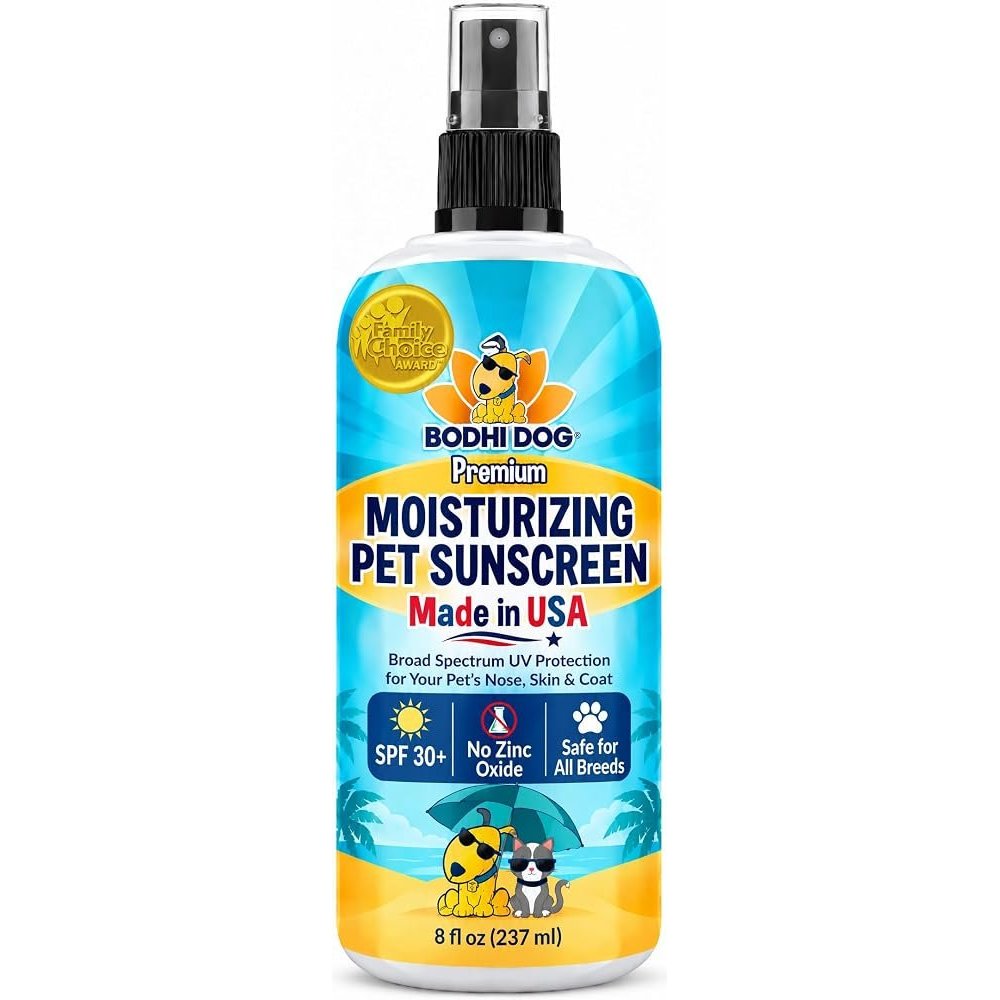
| Bodhi Dog Sunscreen SPF 30+ | Best Zinc-Free Spray | Check price |
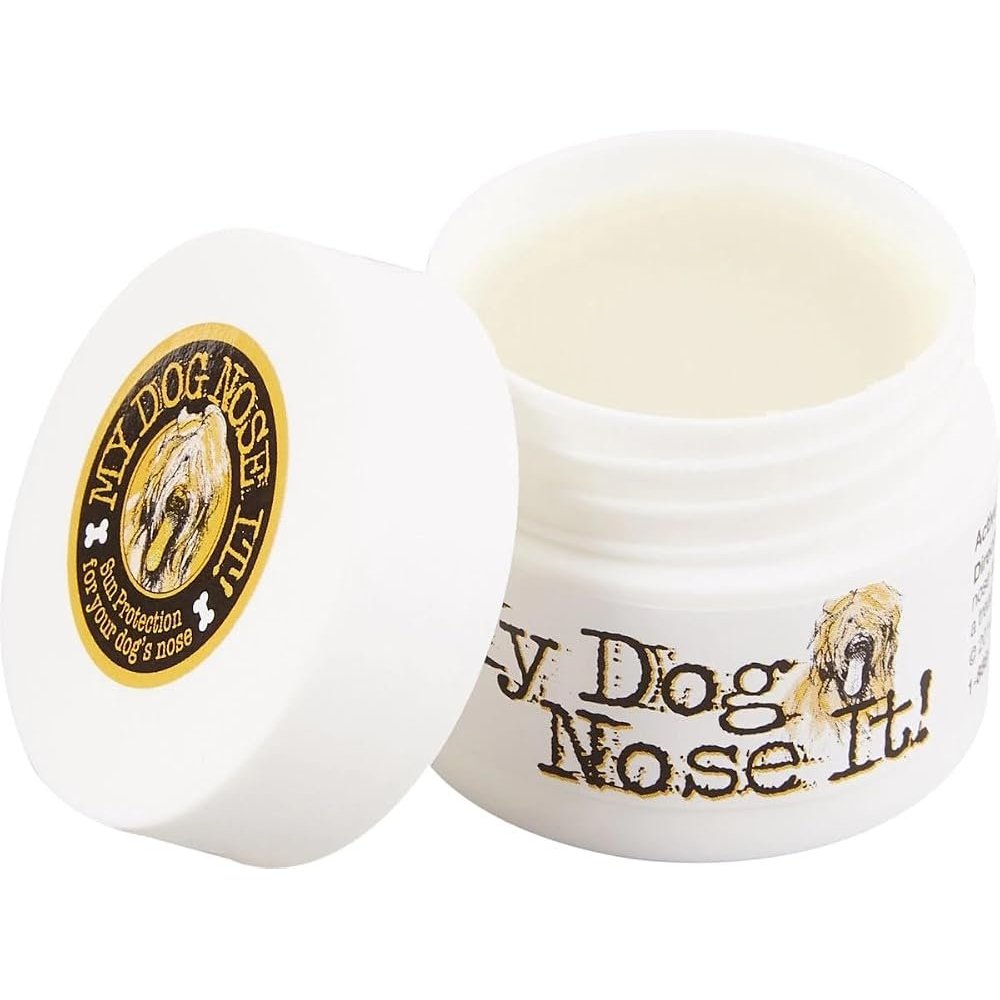
| My Dog Nose It Sun Protection Balm | Best for Pink Noses | Check price |
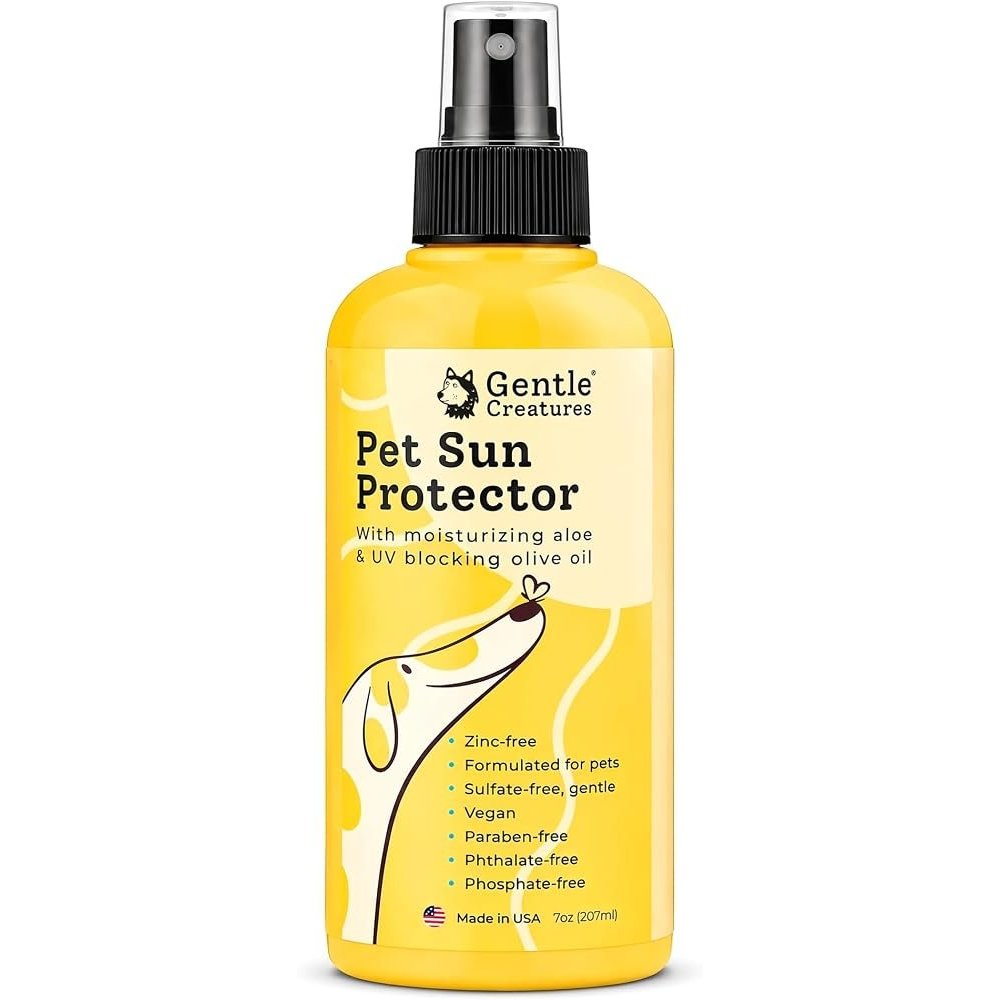
| Gentle Creatures Dog Sunscreen SPF 30 | Best for Dog-and-Cat Homes | Check price |
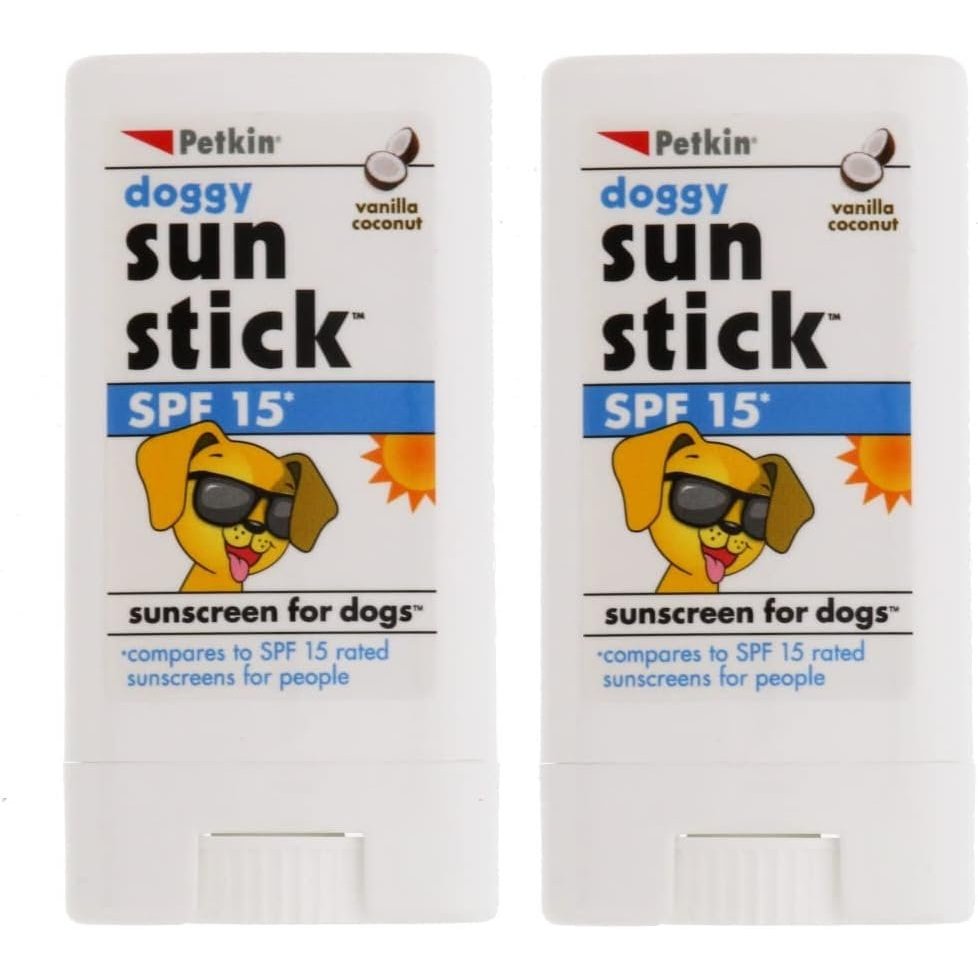
| Petkin Doggy Sunstick SPF 15 (2-Pack) | Most Portable | Check price |
| Spark Paws Sunblock Dog T-Shirt (SPF 30) | Best Physical Protection | Check price |
A dog's coat is a pretty good sunshade, but it doesn't cover everything. The bridge of the nose, the tips of the ears, the belly and the groin often have thin hair and pale skin, and those are exactly the spots that burn when a dog spends an afternoon at the beach or sunbathing belly-up on the patio.
The tricky part is that dogs lick. Anything you put on their skin will partly end up in their mouth, which rules out a lot of human sunscreens. Below are the six dog sunscreens we'd buy, plus which dogs actually need one, the ingredients to avoid and how to apply it so it stays on.
The short answer: a pet-safe sunscreen for dogs is one formulated and labeled for dogs, free of zinc oxide and PABA, applied to the exposed pink or thinly haired areas and allowed to dry before your dog can lick it. Epi-Pet K-9 Care is the best-known option and markets itself as the only FDA-compliant sunscreen for pets. Don't use human or baby sunscreen as a substitute.
Which dogs need sunscreen?
Not every dog needs sunscreen every day. The ones that benefit most are:
- White, light or thin-coated dogs. Think white Bull Terriers, white Boxers, Pit Bull types, Whippets, Greyhounds and Dalmatians. Thin coats let UV through to the skin.
- Dogs with pink skin or a pink nose. Unpigmented skin burns much more easily than dark skin. A pink nose or pink eyelids are the classic trouble spots.
- Hairless breeds. Chinese Crested, Xoloitzcuintli, American Hairless Terrier and similar breeds have little or no coat protection at all.
- Recently shaved or clipped dogs. A summer shave, a surgical clip or a patch of hair loss exposes skin that's normally covered. Shaving a double-coated breed is rarely a good idea for this reason.
- Sunbathers. Dogs that lie on their backs in the sun expose the thinly haired belly and inner thighs.
The common burn spots are the same on almost every dog: nose bridge, ear tips, belly, groin, inner thighs and around the lips. Sunburned skin looks red, can feel warm, and may peel or scab later. Repeated sun damage in light-skinned dogs is linked to chronic solar dermatitis and some skin cancers, including squamous cell carcinoma, so prevention is worth it for dogs in the higher-risk groups.
Ingredients to avoid in dog sunscreen
Read the label before you buy, even on products marketed for pets:
- Zinc oxide. It's the main ingredient in many mineral and baby sunscreens, and it's the one to avoid most. Swallowed zinc oxide commonly causes vomiting and diarrhea, and larger or repeated ingestion can lead to zinc poisoning, which damages red blood cells. Since dogs lick, assume some will be swallowed.
- PABA (para-aminobenzoic acid). Rare in modern human sunscreen but still worth checking for. Vet organizations including the AKC advise avoiding it in dogs.
- Salicylates (octisalate/octyl salicylate, homosalate). These are relatives of aspirin. They're common UV filters, and some dog-specific sunscreens use them too, Epi-Pet included. The concern is mainly with ingestion of larger amounts, such as a dog chewing open a bottle. It's also why these products are labeled "not for cats", which are especially sensitive to salicylates. Let the product dry and keep the bottle out of reach.
- Strong fragrances and essential oils. Not necessarily toxic in small amounts, but heavily scented products are more likely to irritate skin and to get licked.
If your dog chews open a tube or bottle of any sunscreen, check the ingredients with our toxic to dogs checker and call your vet or a pet poison hotline.
Why baby sunscreen isn't a safe substitute
Baby sunscreen feels like the gentle option, but for dogs it's often the worst one. Many baby and "sensitive skin" sunscreens are mineral formulas built on zinc oxide, which is exactly the ingredient you want to avoid. They're also formulated for humans who don't lick themselves, so nobody has checked whether swallowing them is safe.
The same applies to sports sprays and tinted face sunscreens. A product made for dogs has been formulated with licking in mind. If you're caught out with nothing else, shade is a safer stopgap than human sunscreen.
1Epi-Pet K-9 Care Sunscreen Spray
Get it if
You need full-body protection for a dog that spends hours outside.
Skip if
You also have cats; it isn't safe for them.
Epi-Pet is the dog sunscreen you'll see named most often in vet-written sun safety articles, and the company says it's the only FDA-compliant sunscreen for pets. Most "dog sunscreens" are sold as cosmetics or moisturizers with an SPF-equivalent claim, so that regulatory angle is the main reason it sits at the top of this list.
It's an SPF 30+ spray that dries without leaving the coat oily, with a vanilla scent and vitamin E. The listed ingredients include several standard UV filters, among them octinoxate, oxybenzone and two salicylates (octyl salicylate and homosalate). That's why the can says "not for cats", and why you should spray it on, rub it in and keep your dog from licking until it has dried.
It's the most expensive option here, and the single can has been in and out of stock on Amazon. The link above goes to the two-pack, which was the listing showing a price when we last checked.
Pros
- Positioned as the only FDA-compliant pet sunscreen
- SPF 30+ spray covers large areas quickly
- Non-greasy, dries fast
Cons
- Most expensive pick; single cans are often out of stock
- Not for cats, so keep it away from cats in the household
- Contains salicylate UV filters, so let it dry before your dog can lick
2Bodhi Dog Sunscreen SPF 30+
Get it if
You want a zinc-free spray with a quiet, non-aerosol pump.
Skip if
You need a clearly listed UV filter on the label.
Bodhi Dog's spray is one of the most popular dog sunscreens, and it's a big 8 oz bottle. The listing calls it zinc-oxide-free and alcohol-free, with jojoba and shea butter as conditioners. The pump is a non-aerosol sprayer, which is a lot less startling for nervous dogs than a hissing can.
The directions match what vets recommend: apply about 15 minutes before going out and reapply every two hours. It's a good everyday choice for white or thin-coated dogs that need coverage over the back and sides, not just the nose.
Pros
- No zinc oxide, alcohol-free
- Quiet non-aerosol pump sprayer
- Large 8 oz bottle, strong review record
Cons
- Not FDA-registered like Epi-Pet
- The listing doesn't spell out its UV filter, so check the label if your dog has sensitive skin
3My Dog Nose It Sun Protection Balm
Get it if
Your dog's main sun spot is a pink nose.
Skip if
You need coverage for the back and belly.
Sprays are great for coats and terrible for noses. You can't spray near a dog's face without hitting the eyes. A balm solves that: you rub a thin layer onto the nose bridge and ear tips with a fingertip, and it stays where you put it.
This little tin uses two standard UV filters (octinoxate 7.5% and oxybenzone 3%) in a base of carnauba wax and coconut oil, is water resistant, and doubles as a moisturizer for dry, cracked noses. For a dog with a pink nose that otherwise has a decent coat, this may be the only sun product you need.
Pros
- Precise application on nose and ear tips, nowhere near the eyes
- Water resistant
- Also soothes dry, cracked noses
Cons
- Small 0.5 oz tin, only practical for small areas
- Dogs will try to lick it off a nose, so distract them for a few minutes
4Gentle Creatures Dog Sunscreen SPF 30
Get it if
You have dogs and cats in the same home.
Skip if
You want the biggest bottle for a large dog.
Gentle Creatures is a zinc-free SPF 30 spray made in the USA. It's labeled for both dogs and cats, which makes it the practical choice if you share a house with a cat that might rub against or groom a freshly treated dog. The listing names octinoxate as its UV filter, alongside olive oil, vitamin E and lecithin.
It's a non-aerosol spray you can mist into your hand and massage in, which is the better way to do faces and ears anyway. The directions say to apply 20 minutes before sun exposure.
Pros
- No zinc oxide, labeled for dogs and cats
- Clear about its UV filter (octinoxate)
- Spray-into-hand application works for faces too
Cons
- Smaller review base than Bodhi or Epi-Pet
- Not FDA-registered like Epi-Pet
5Petkin Doggy Sunstick SPF 15 (2-Pack)
Get it if
You want something small to carry for noses and ear tips.
Skip if
You need high SPF for a hairless or freshly shaved dog.
A twist-up stick is the easiest format to carry: one goes in the car, one in the beach bag, and you can swipe a nose or ear tip in two seconds without getting anything on your hands. The Petkin stick has a vanilla coconut scent.
The trade-off is protection. At SPF 15 it's the lowest on this list, so it's best for top-ups and shorter outings rather than a full day in strong sun. Reapply at least every two hours, as the label says.
Pros
- Twist-up stick, no mess and no spray near the eyes
- Two-pack, so you can keep one in the car
- Non-greasy
Cons
- SPF 15 only, lower than the other picks
- Small sticks, only practical for noses and ears
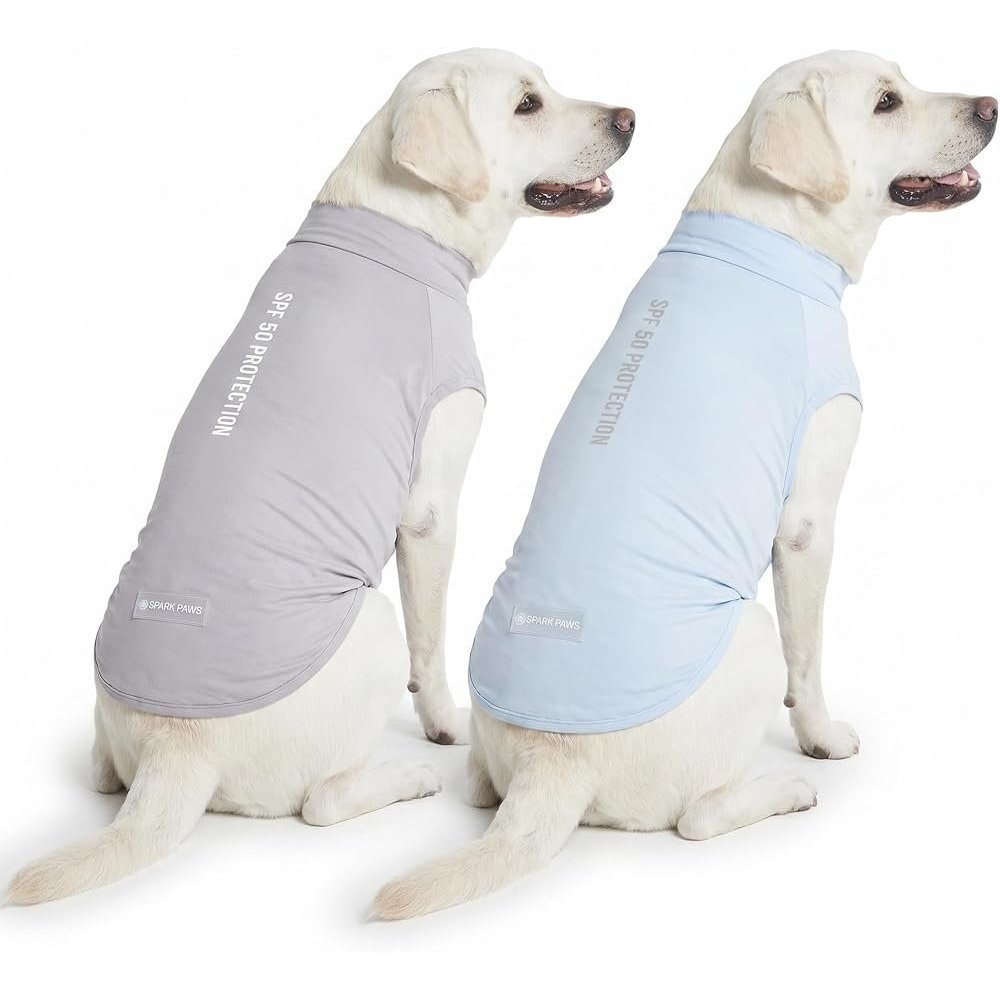
6Spark Paws Sunblock Dog T-Shirt (SPF 30)
Get it if
Your dog licks off anything you apply.
Skip if
Your dog overheats easily in clothing.
For the back, sides and belly, clothing beats any lotion: nothing to lick, nothing to reapply, and it doesn't wash off in the lake. Spark Paws' lightweight sun shirt is rated SPF 30 by the maker and comes in sizes S to XXL.
It's especially useful for hairless breeds, freshly shaved dogs, and dogs recovering from surgery where you don't want product on a clipped area. You'll still need a balm or stick for the nose and ear tips, which a shirt can't cover. Keep an eye on your dog in real heat, since any layer adds a little warmth.
Pros
- No licking risk and nothing to reapply
- Covers the back, sides and chest
- Washable and reusable
Cons
- Doesn't protect nose, ears or the lower belly
- Sizing takes care; measure chest and length first
How to apply sunscreen to a dog
- Patch test first. Put a small amount on one spot and wait 24 hours. Skip the product if the skin turns red or itchy.
- Apply 15–20 minutes before going out. Most dog sunscreens need that long to bind to the skin.
- Target the exposed skin. Nose bridge, ear tips, belly, groin, inner thighs and any thin or shaved patches. You don't need to coat a dense, dark coat.
- Spray into your hand for the face. Never spray toward the eyes. Rub the product in with your fingertips instead.
- Distract your dog while it dries. A short walk, a chew or a training session for 10–15 minutes stops them from licking it straight off.
- Reapply every two hours and after swimming. Water and towel-drying remove most of it. If your dog swims a lot, our guide to the best dog harness for swimming covers the other half of beach safety.
- Rinse off at the end of the day if your dog's skin is sensitive. A lukewarm rinse is fine, and we cover the cold-water question in can I wash my dog with cold water in the summer.
Sun shirts, shade and timing: protection without sunscreen
Sunscreen is the last line of defense, not the first. The most effective sun protection for dogs is the same as for people:
- Avoid peak UV. Walk early in the morning and in the evening. Midday sun is the strongest, and it's also the hottest time for paws on pavement. Our is it too hot to walk my dog tool checks the conditions for you.
- Provide real shade. A tree, umbrella or covered patio in the yard, and a shade tent at the beach.
- Use clothing. A UV-rated shirt like the Spark Paws pick covers the body without any licking risk.
- Don't shave double coats. The coat protects against sun as well as cold. A trim is fine, but a shave down to the skin removes that protection.
- Watch the heat, too. Sun protection and heat safety go together. Fresh water, rest breaks and shade matter more than any sunscreen on a hot day.
When to see a vet
Mild sunburn usually heals on its own within a few days if you keep your dog out of the sun. See your vet if you notice:
- Blistering, open sores or crusting skin
- Burned skin that's very painful, swollen or oozing
- Sores on the nose or ear tips that keep coming back or don't heal
- New lumps, scaly patches or red spots on pink, sun-exposed skin
- Lethargy, heavy panting or vomiting after time in the sun, which could be heatstroke and is an emergency
FAQ
What sunscreen is safe for dogs?
A sunscreen made and labeled for dogs that doesn't contain zinc oxide or PABA. Epi-Pet K-9 Care, Bodhi Dog, Gentle Creatures and My Dog Nose It are all formulated for dogs. Apply it to exposed skin and let it dry before your dog can lick it.
Can I put human sunscreen on my dog?
It's not recommended. Many human sunscreens, especially mineral and baby formulas, contain zinc oxide, which is harmful if your dog licks it off. Others contain salicylates or fragrances that aren't intended to be swallowed. Use a pet-safe sunscreen for dogs instead.
Is baby sunscreen safe for dogs?
No. "Gentle for babies" doesn't mean safe for dogs. Many baby sunscreens rely on zinc oxide, the ingredient vets most commonly warn against for dogs because of the licking risk.
Can dogs get sunburned?
Yes. Dogs with pink skin, white or thin coats, hairless breeds and recently shaved dogs burn most easily, usually on the nose, ear tips and belly. Repeated sunburn in these dogs is linked to chronic skin damage and some skin cancers.
Is coconut oil a natural sunscreen for dogs?
Not a reliable one. Any natural SPF in coconut oil is very low, far below what's needed for a pink nose in strong sun. It's fine as a moisturizer, but use a real dog sunscreen, clothing or shade for sun protection.
How often should I reapply sunscreen on my dog?
Every two hours, and after swimming or a roll in wet grass. Most dogs also lick or rub off some of it, so check the nose and ears whenever you take a break.
Final thoughts on the best dog sunscreen
For full-body protection, Epi-Pet K-9 Care is the benchmark: the company positions it as the only FDA-compliant pet sunscreen. Just keep it away from cats and let it dry before your dog licks. If you want a zinc-free spray with a quieter pump, Bodhi Dog is the go-to alternative. For pink noses, a balm like My Dog Nose It is easier and safer to apply than any spray. And for hairless or freshly shaved dogs, a sun shirt plus shade and smart walk timing does more than sunscreen alone.
Get The Ideal Dog Routine, free
A 10-page guide written by a vet: a sample daily routine, exercise and alone time, and grooming and vet check schedules.
We'll email you the download link. Unsubscribe anytime.