When a dog howls in their sleep, it almost always means they’re dreaming. Like us, dogs go through REM sleep, and the twitching paws, muffled woofs, whimpers, and howls you hear are part of acting out a dream. It’s normal and usually nothing to worry about, unless it comes with signs of a seizure, pain, or ongoing sleep problems.
Keep reading to learn why dogs vocalize in their sleep, how to tell a dream from something more serious, and when to call your vet.
What does it mean when dogs howl in their sleep?
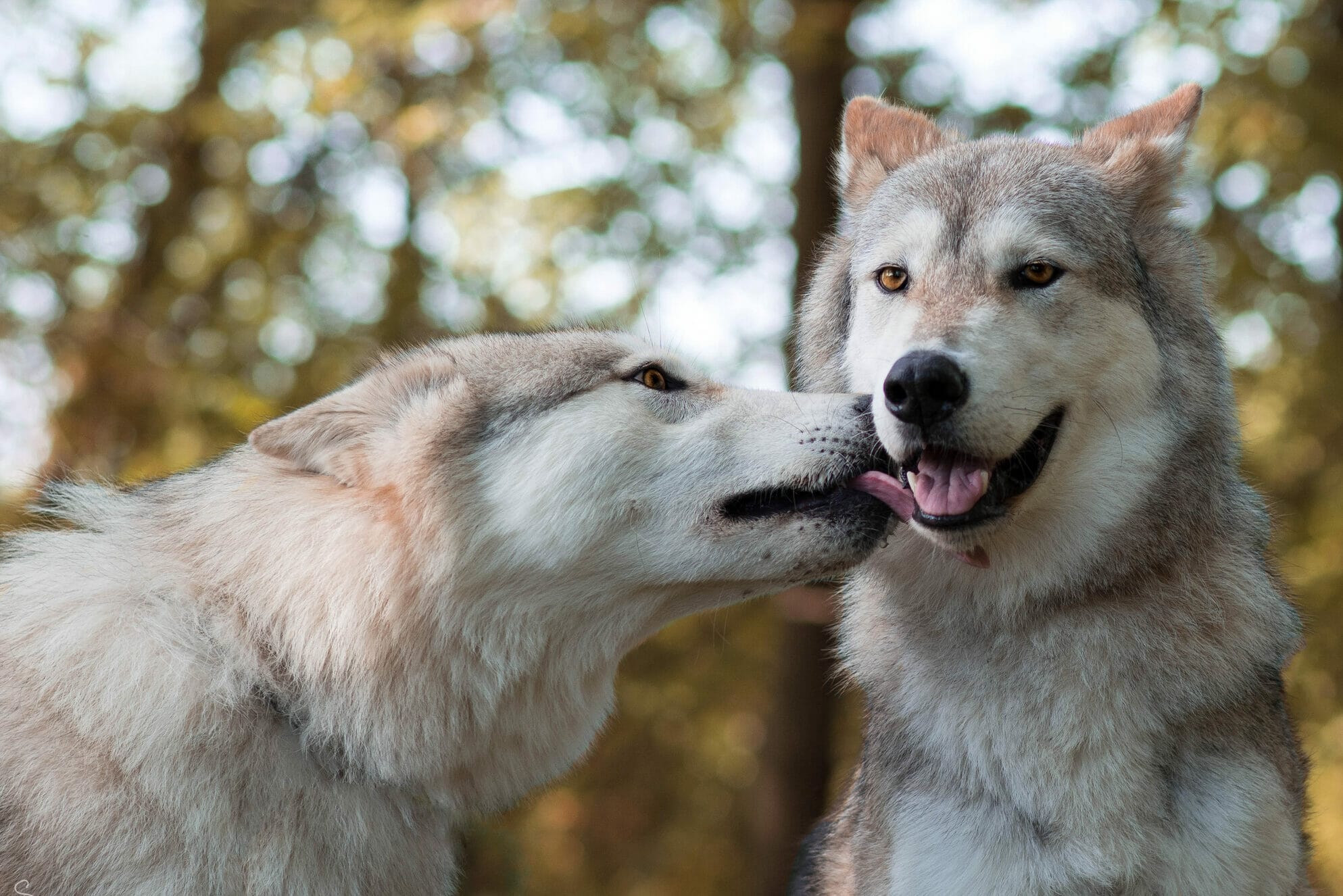
Generally speaking, howling is a form of communication for dogs. They might howl to let other dogs know where they are, to call to their group, or to warn others of danger. When dogs howl in their sleep, however, it’s usually just a sign that they’re dreaming. (Many dogs also keep their own bedtime routine; see why your dog goes to bed before you.)
What are some possible explanations for why dogs might howl in their sleep?
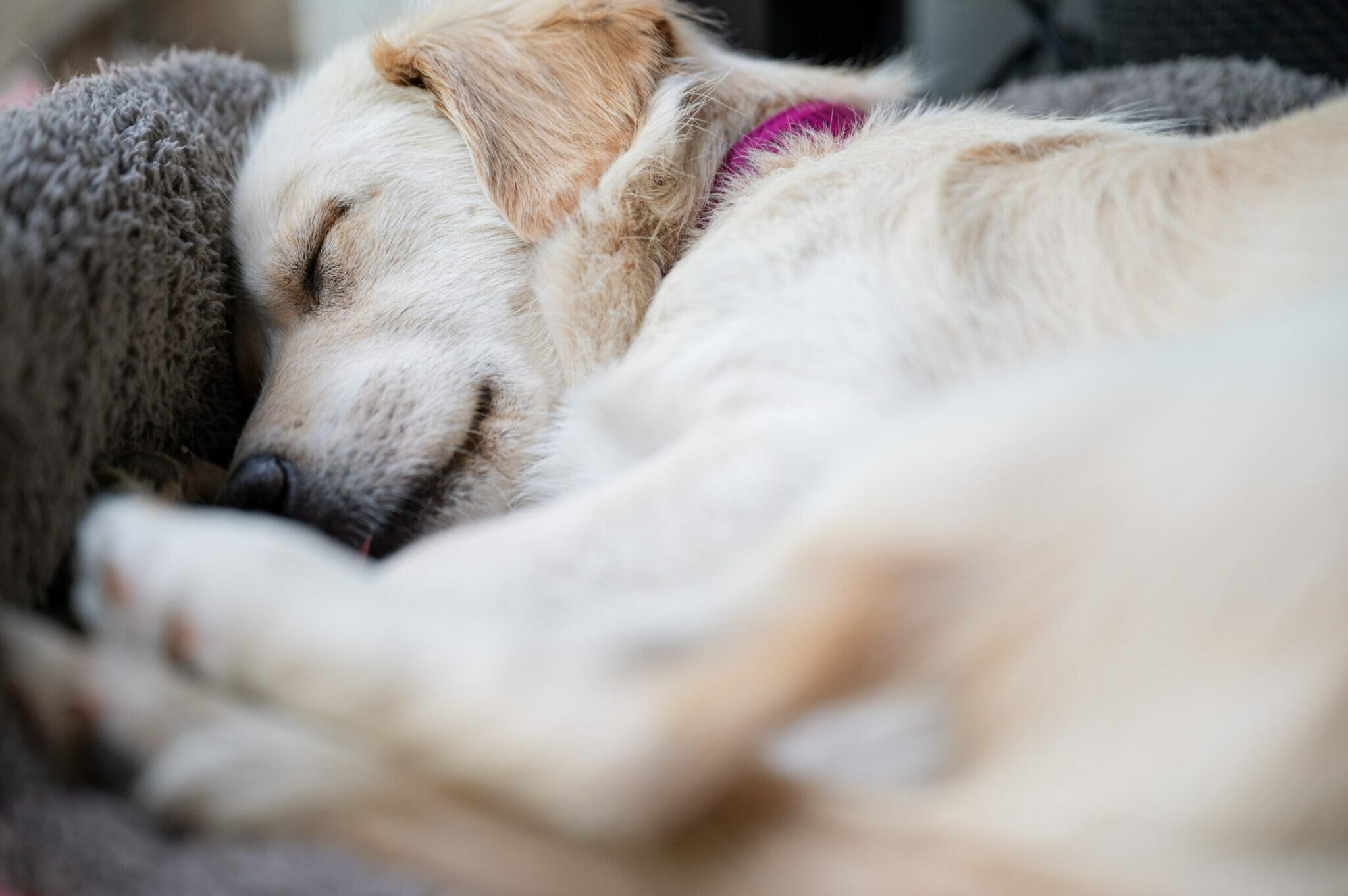
While we don’t know exactly what dogs dream about, research on sleeping animals suggests they replay experiences from their day, much like we do. A dog dreaming about chasing a squirrel or playing with friends might yip, woof, or let out a soft howl. Dogs that howl a lot when awake, such as huskies and hounds, may also be more vocal in their sleep. Some dogs probably have bad dreams too, which may sound more like whimpering or distressed howling.
Should you be worried if your dog is howling in its sleep?
In most cases, there’s no need to worry if your dog occasionally howls in their sleep. It’s just a sign that they’re dreaming, and good-quality sleep, including REM sleep, is important for dogs’ memory and well-being. However, if your dog is howling excessively or having other sleep problems, like waking up often, pacing at night, or seeming confused, it could be a sign of an underlying health condition and you should talk to your vet about it.
If you want to comfort a dog having what looks like a bad dream, call their name softly rather than touching or shaking them. A dog woken suddenly from a deep dream can be disoriented and may snap without meaning to.
Dream or seizure?
Dreaming dogs twitch, paddle their paws, and make noises, but their body stays fairly relaxed and they wake up quickly and normally when you call them. A seizure looks different. Call your vet (or an emergency vet if it lasts more than a few minutes or happens repeatedly) if you notice:
- Stiff, rigid limbs or violent, rhythmic jerking
- Your dog doesn’t respond to their name or can’t be woken
- Drooling, peeing, or pooping during the episode
- Confusion, wobbliness, or pacing for a while afterward
If you can, take a video to show your vet.

What are signs you should look out for in your dog’s sleep?
If you’re still concerned that your dog has a problem with sleep, you should look out for the following:
1Excessive whining
Dogs communicate through a variety of sounds, from barks and growls to whines and howls. While each noise serves a different purpose, excessive whining can be a sign of distress in your dog.
If your dog is whining during awake hours, it could be trying to tell you that it’s feeling anxious, bored, lonely, or in pain. Occasional whimpering in sleep is usually just dreaming, but frequent whining, especially when your dog shifts position, gets up, or lies down, can be a sign of pain or discomfort.
If your dog is having difficulty sleeping or is excessively vocal during naps, it’s important to visit your vet to rule out any health problems. Excessive whining is usually an indication that something isn’t quite right.
2Pacing or circling
If your dog is pacing or circling during the day, it could be a sign of excitement or energy. However, if this behavior occurs at night or during naps, it could be an indication that your dog is having difficulty sleeping.
Pacing and circling at night can be a sign of discomfort, anxiety, or, in older dogs, canine cognitive dysfunction (a condition similar to dementia), which often disrupts the sleep-wake cycle. Don’t hesitate to consult with your veterinarian if you’re concerned about your dog’s well-being.
3Heavy panting
Panting is a normal way for dogs to cool off and regulate their body temperature. However, a dog that pants heavily or breathes fast while resting in a cool room isn’t normal and can be a sign of pain, heart or breathing problems, or another health issue, so talk to your vet.
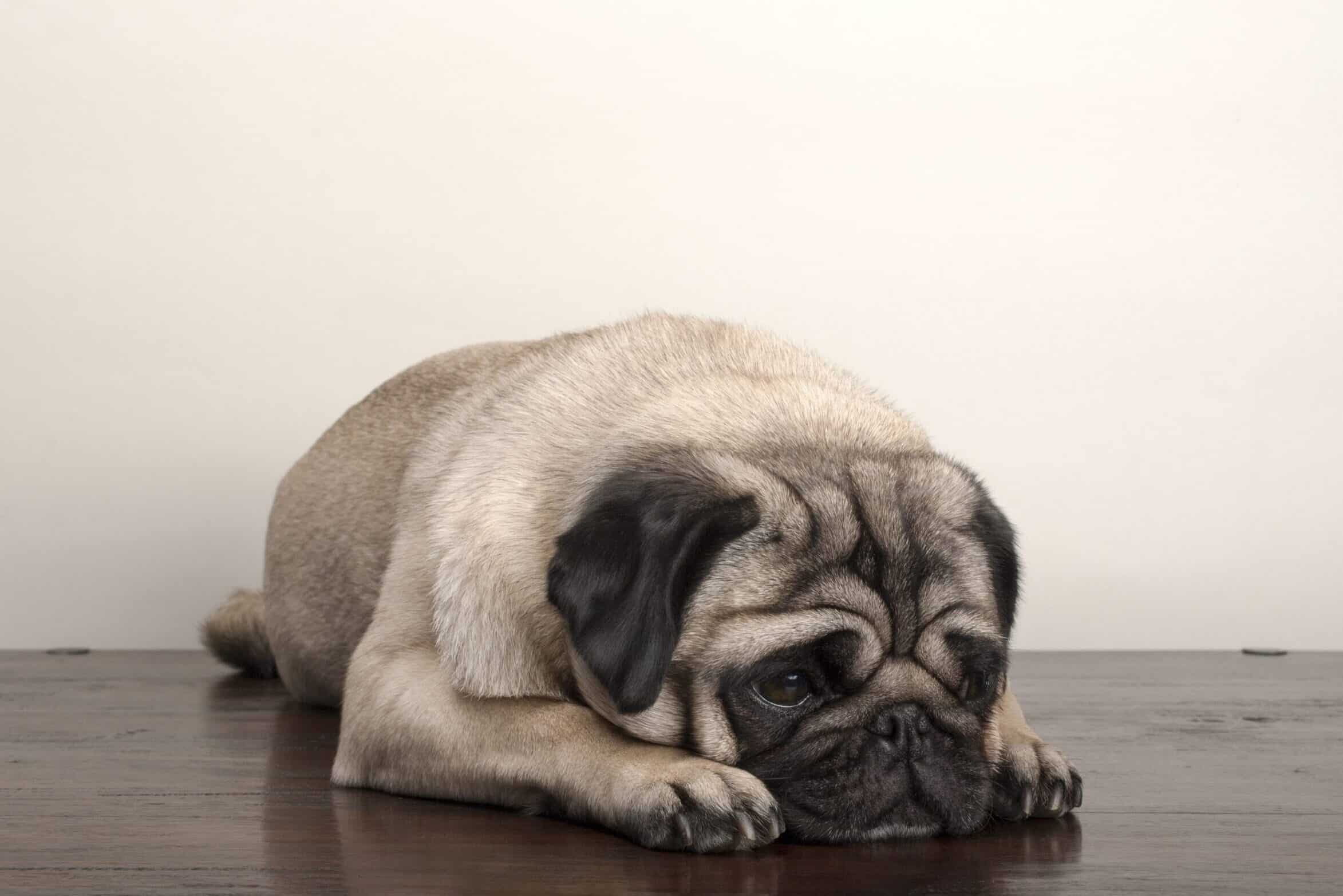
Loud snoring with pauses in breathing, especially in flat-faced breeds like pugs and bulldogs, can also point to a breathing problem worth having checked. If your dog is panting excessively during the day, they may be overheating or suffering from anxiety.
4Restlessness
Restlessness is a common sign of sleep disorders in dogs. Dogs with sleep disorders often have difficulty falling asleep and staying asleep, which can lead to restlessness. If your dog is tossing and turning in its sleep, it’s likely a sign of restless sleep.
Restless sleep can be caused by a number of factors, including stress, anxiety, pain, and an uncomfortable sleeping environment. If your dog seems to prefer its own space at night, see why some dogs like to sleep alone.
Treating the underlying cause of the sleep disorder can often help to improve the quality of your dog’s sleep and reduce restlessness.

How can I help my dog sleep better?
There are a number of things you can do to help your dog sleep better, including:
- Creating a quiet, comfortable sleeping environment for them.
- Establishing a regular sleep schedule.
- Giving them plenty of exercise during the day.
- Avoiding stressful situations before bedtime.
If your dog is having difficulty sleeping, talk to your veterinarian about possible treatment options. There are a number of ways to help improve the quality of your dog’s sleep, so don’t hesitate to ask for help! We also review sleep aids for dogs separately.
Final word
Dogs howling in their sleep is usually nothing to worry about. In most cases, it’s simply a sign that they’re dreaming. However, if your dog is howling excessively or having other sleep problems, it could be a sign of an underlying health condition and you should talk to your vet about it.