My Dog Won’t Let Me Sit On The Couch: Causes and Solutions
 Written by Tim de Jong

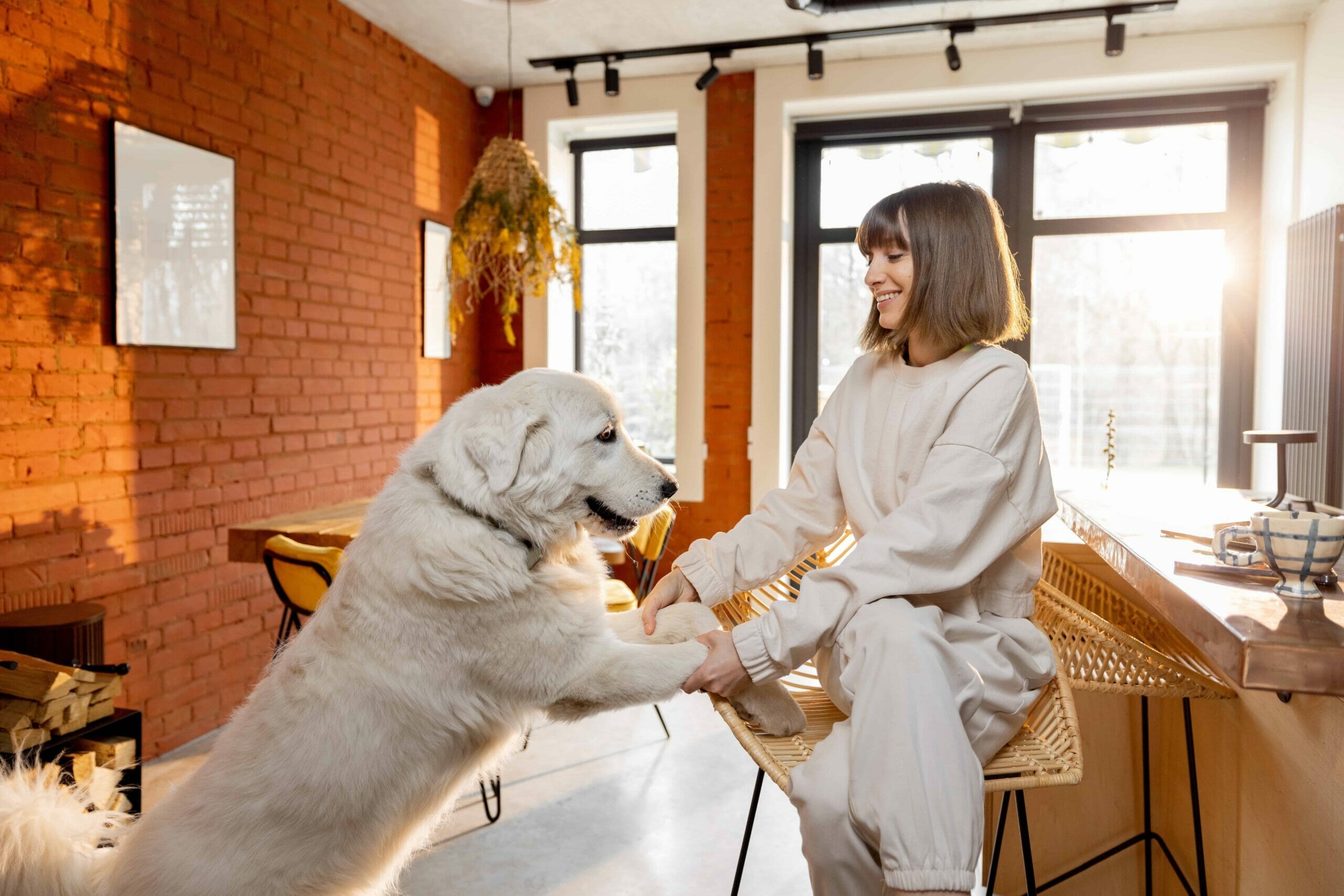
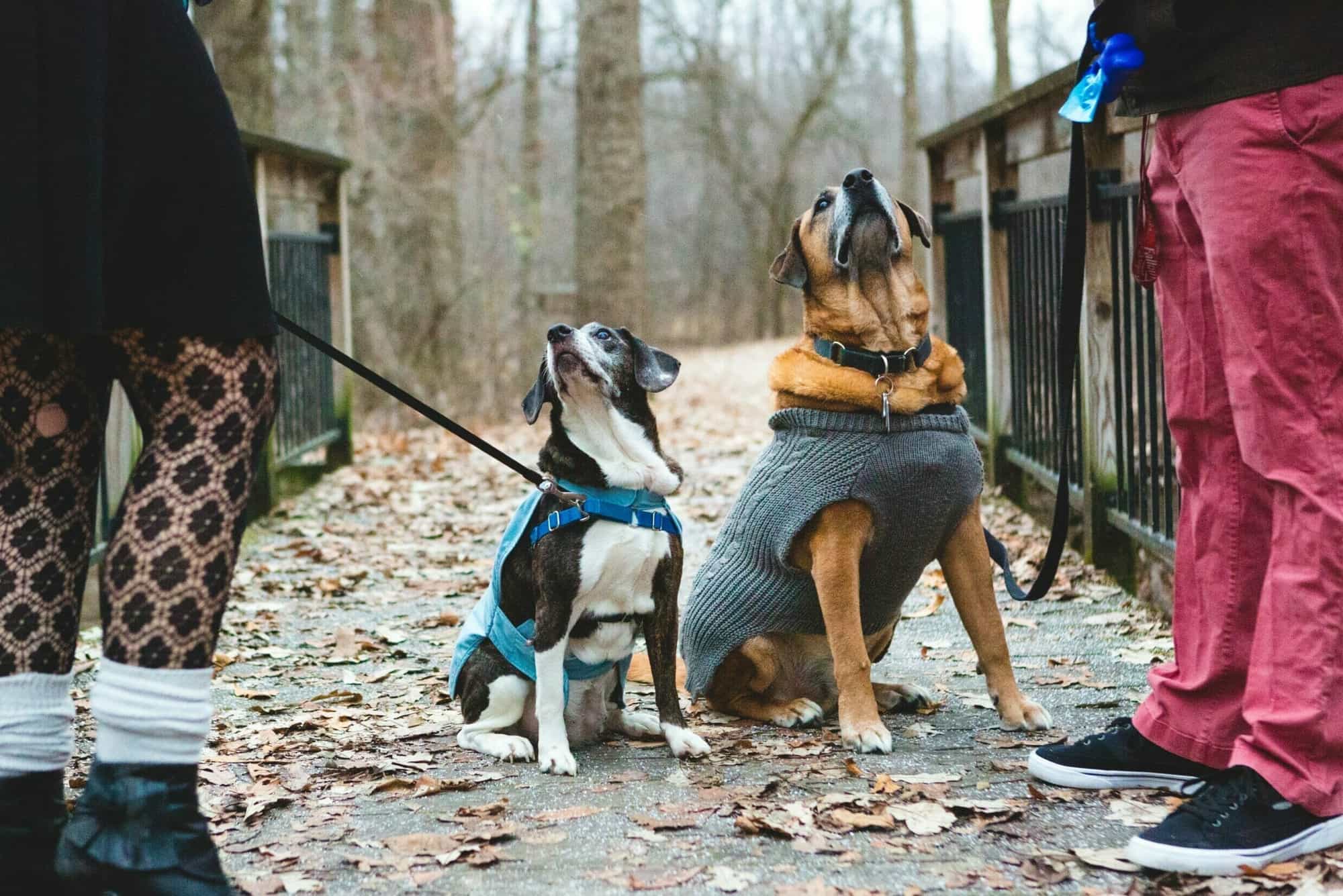
If your dog won’t let you sit on the couch, he’s usually either asking for something (attention, food, play, or a walk) or guarding the couch as a valued resource. Attention-seeking is solved with more exercise, routine, and training, while guarding (growling, stiffening, or snapping when you approach) should be handled calmly with management and training, never by pushing your dog off.
Come on, who doesn’t look forward to coming home after a hard day and relaxing on the couch? This is a typical problem for many pet owners, so below we’ll talk about the causes of this behavior and some potential solutions.
Possible Causes for Behavior
There are a few different reasons why your dog might not want you to sit on the couch. Here is some insight as to why your dog might be displaying this behavior.
1Your dog is Hungry or Thirsty
One possibility is that your dog is simply hungry or thirsty. If you’ve been gone all day, they may have worked up an appetite and are looking for a snack. Or, their water bowl may be empty and they’re looking for a way to get your attention so that you’ll refill it. Either way, try feeding your dog and see if that solves the problem.

2Dog Wants to Protect His Territory
Another possibility is that your dog is trying to protect his territory. He may see the couch as his space, a comfy, valuable resource, and not want you to enter it. This is called resource guarding. Signs include freezing, stiffening, a hard stare, lip-licking, growling, or snapping when you come close. If this is the case, you’ll need to work on management and training rather than confrontation. We’ll talk more about that later. Some dogs also guard the couch for one particular person, which we touch on in my dog is obsessed with my husband.

3Dog is Trying to Warn You
There is also the possibility that your dog is trying to tell you something. Dogs pick up on things we miss, like a strange noise outside, and some will stare, nudge, or bark to get you up and moving. If your dog is staring at you and won’t let you sit on the couch, check whether he needs to go out, has an empty water bowl, or is reacting to something he heard. Staring can work the other way too; see why dogs bark when you stare at them.

4Your Dog Has a Lot of Energy
It’s possible that your dog is just full of energy and wants to play. If you’ve been gone all day, they may have built up a lot of energy and need to burn it off. This is especially common in young dogs.
In this case, the best solution is to provide your dog with an outlet for their energy. This could be a long walk, a game of fetch, or anything else that will help them burn off some steam.

5Dog is Stressed
One possibility is that your dog is stressed or anxious. This could be caused by a number of things, such as a change in the home (a new baby, a new pet, etc.), loud noises, or anything else that might be causing them to feel uneasy.
If your dog is displaying other signs of stress (panting, pacing, etc.), then it’s a possibility that they need medical or behaviorist attention.

6Boredom
Your dog being bored could certainly be the reason for this problem. If they don’t have anything to do during the day, they may start to get antsy and look for ways to entertain themselves.
This could include chewing on your furniture or barking at passersby. But many times, it also includes barking at you to get your attention.
If this is the case, you’ll need to provide your dog with more stimulation. This could be in the form of toys, socialization, or anything else that will help them stay occupied.

7Routine Interrupted
Dogs thrive on routine. When their routine is interrupted, it could cause problems. If walks, mealtimes, or your work hours have shifted recently, that could be the source of the issue.
Try getting them back into their regular routine to solve the problem that your dog is having.

8Poor Training
It’s hard to point the finger at ourselves, but this behavior could be caused by poor or little training.
If you’ve never really worked on obedience training with your dog, it could be the root of the problem.

9Discomfort or Illness
If your dog is harassing you while you’re on the couch, it shouldn’t be ruled out that your dog is in discomfort or is suffering from an illness. Pain is a common reason for dogs to become grumpy or guard their resting spot, especially when the behavior is new. If the issue persists or your dog has started growling when he didn’t before, get in touch with a veterinarian.

Solutions for Behavior
Now that we know some of the reasons for this behavior, it’s time to start talking about solutions. Here are some easy steps that you can take to start to address the problem of your dog not letting you sit on the couch.

1Training
As we mentioned before, poor training could be the root of the problem. If you’ve never really worked on obedience training with your dog, now is the time to start. You can enroll in a class, hire a trainer, or even just work on some basic commands at home.
Two cues are especially useful here. Teach “off” by tossing a treat onto the floor; when your dog jumps down to get it, say “off” and praise him. Then teach “place” or “go to bed” by rewarding your dog for lying on his own comfy bed next to the couch. That gives him a great alternative spot instead of just a “no.”
2Manage Access and Handle Guarding Safely
If your dog growls, stiffens, or snaps when you approach the couch, don’t push, pull, or scold him off it. Punishing a growl only teaches him to skip the warning next time. Instead, lure him off with a treat or a toy, and block the couch (with a gate, closed door, or by putting chairs or boxes on it) when you can’t supervise.
Over time, you can teach your dog that your approach is a good thing by tossing him a treat as you walk past while he’s on the couch, without asking him to move. If the guarding is intense, getting worse, or involves bites, work with a certified trainer or veterinary behaviorist, especially if you have children in the home.
3Exercise
Exercise is a great way to help your dog burn off some energy. If your dog has been cooped up all day, they may be full of pent-up energy. A long walk, outside game, or any other type of exercise will help to relieve some of that energy and could reduce the chances of them barking at you.
Common Questions
Why does my dog go crazy when I sit on the couch?
If your dog goes crazy when you sit on the couch, it’s likely that they’re trying to get your attention. Dogs are social animals and they want to be close to their pack. If you’re on the couch and they’re not, they may feel left out and start barking or whining to get your attention. Some dogs take this further and won’t let you out of their sight.
Should I let my dog sit on the couch with me?
This is a decision that you’ll need to make based on your own personal preferences. Some people are perfectly fine with letting their dogs sit on the couch with them, while others prefer to keep their furniture dog-free. There’s no right or wrong answer, it’s simply a matter of preference. If you do allow it, our picks for the best sectional couch covers for dogs help keep the fabric clean.
Why does my dog suddenly not want to sit with me?
If your dog suddenly stops wanting to sit with you, it could be that something has changed in their environment. Maybe you got a new couch and they’re not used to it, or maybe there’s been a change in their routine. If the behavior persists, you may want to check into their health.
Key Takeaways
Now that you have all of this information available to you, you’ll be able to handle this situation like an expert. Dogs rarely do something for no reason at all. Try to figure out what your dog is trying to communicate to you and in that way, you can make sure that everybody in your home remains happy and healthy.
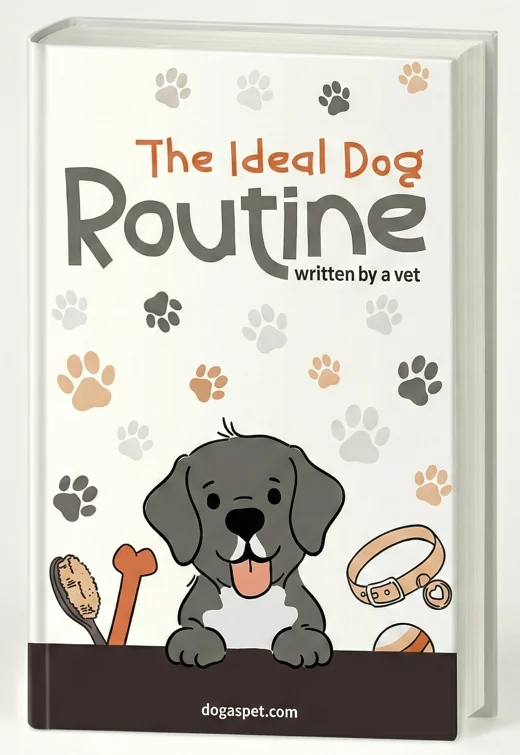
Get The Ideal Dog Routine, free
A 10-page guide written by a vet: a sample daily routine, exercise and alone time, and grooming and vet check schedules.
We'll email you the download link. Unsubscribe anytime.