Why is my dog regressing in training? (8 Reasons why)
 Written by Tim de Jong
A dog usually regresses in training because something has changed: rewards have lost their appeal, practice has become less consistent, the dog is stressed or in a new routine, the lessons are too hard or too easy, or a health problem is getting in the way. Young dogs also commonly "forget" their training during adolescence, roughly between 6 and 18 months. The fix is usually to make training easier and more rewarding again for a while, and to see your vet if the change is sudden.
It is incredibly frustrating when a dog that was progressing nicely suddenly seems to forget everything. Of course, it’s important not to get too frustrated. Below are the 8 most common reasons, and what you can do about each.
8 Reasons your dog is regressing in training
1No Longer Motivated By The Same Rewards
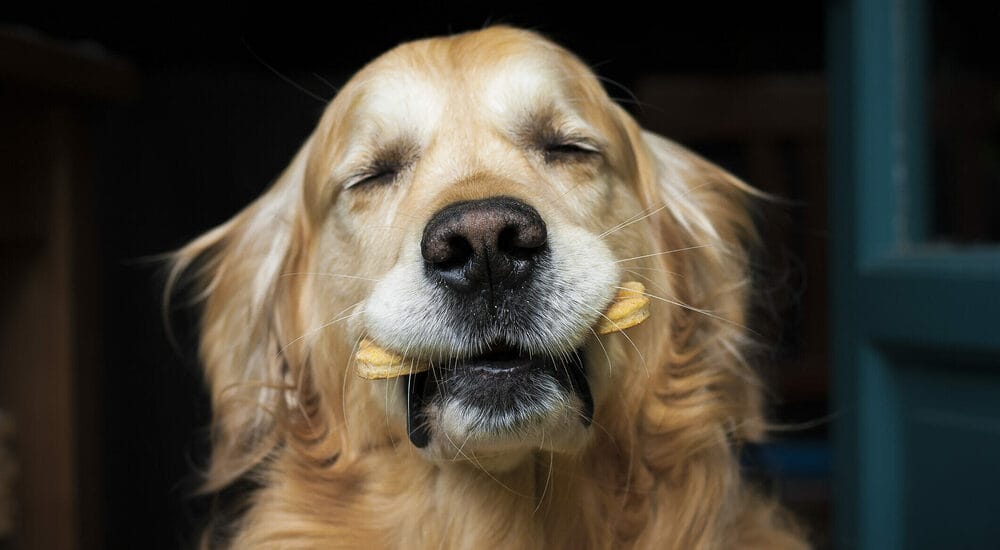
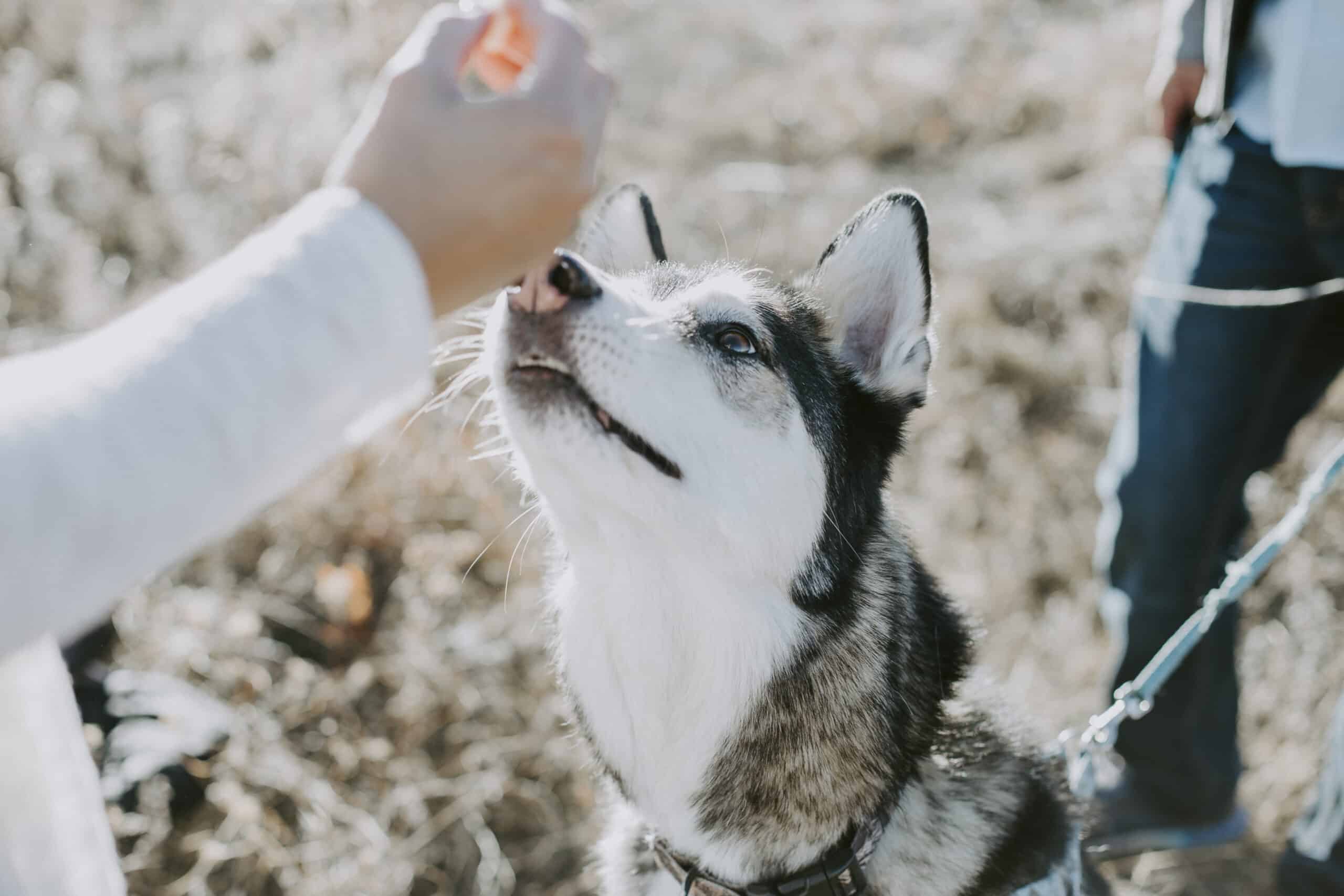
If your pup is reverting in their training, it may be that the rewards you are using have become dull and uninteresting. Our list of the best training dog treats can help you mix things up. To restore motivation, try changing up the treats or rewards and make sure they are something that piques your dog’s curiosity! By offering different incentives to reach goals, you can keep them engaged while teaching new skills.
2Experiencing Stress Or Anxiety

If your canine companion is showing signs of regression in obedience lessons, they may be subject to stress and anxiety. This can come from multiple sources such as a different daily schedule, a move to a new home, or welcoming new family members (human or pet).
To help your pup get back on track, reduce the stress where you can, give them extra time to settle, and keep training sessions short, easy and fun until they feel secure again. Positive associations matter here; see conditioned emotional response in dog training.
3Lack Of Consistent Training
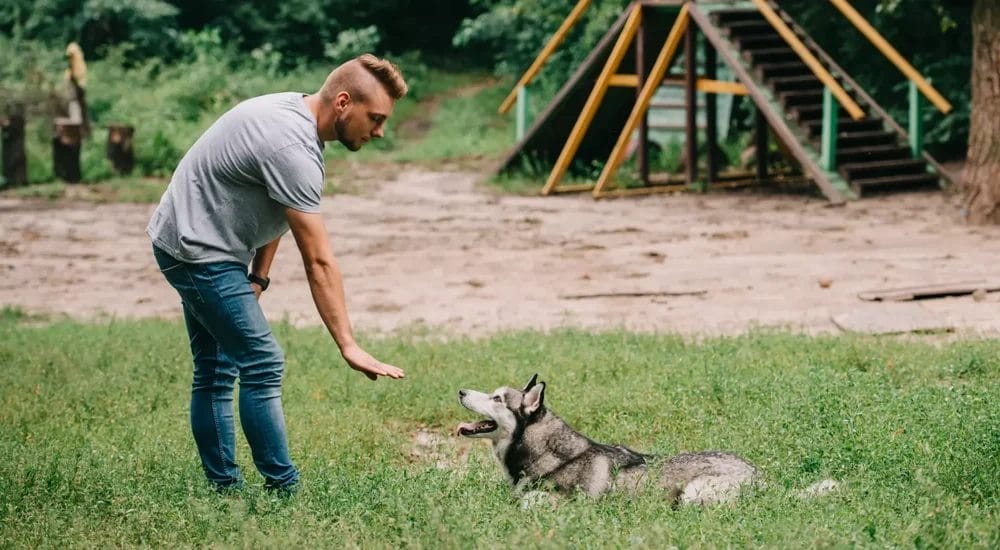
To maximize the effectiveness of your dog’s training, make sure to provide consistent and regular sessions. Without this vital consistency, dogs may start to go backwards in their learning process. Inconsistency also includes different family members using different cue words or allowing different things, like jumping on the couch, which confuses the dog about what's expected. Agree on the rules and cues as a household, and keep practicing skills even after your dog seems to know them.
4They Are Not Being Challenged Enough (Or They Are Being Challenged Too Much)
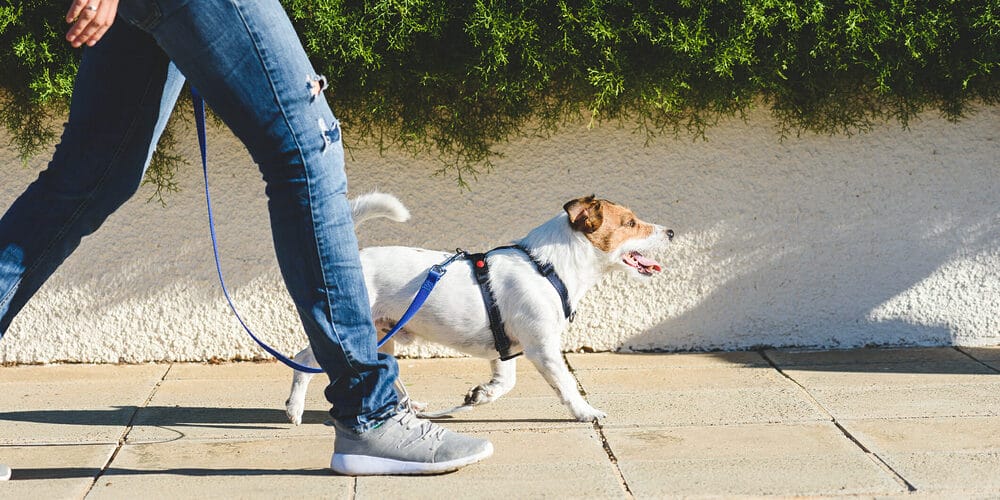
To effectively train your pup, it’s essential to ensure that they are not being over- or underchallenged. Too much mental stimulation could lead to undue stress and eventually a step backward in their learning journey; on the flip side, too little engagement can result in boredom and disinterest. Finding an equilibrium between the two will help keep your dog engaged, motivated, and most importantly – progressing through training!
5A Lack Of Trust Or Bond with your dog
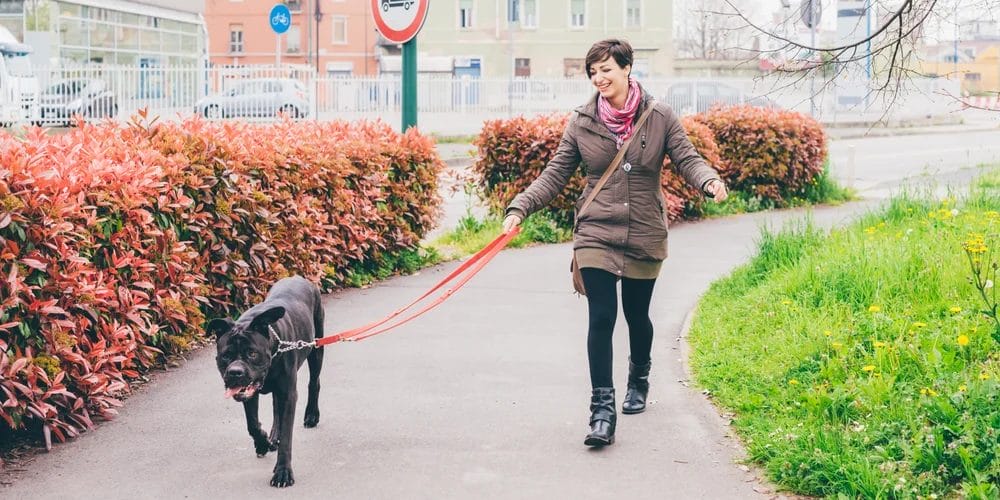
When a dog-trainer relationship lacks trust or is lacking in connection, it can create an environment where the pup is less likely to be compliant. Establishing a bond based on mutual respect and understanding will help ensure that your four-legged friend feels comfortable enough to work with you reliably and happily.
Play, everyday rewards, and calm, fair handling all build that foundation. Harsh corrections do the opposite and can make a dog shut down or avoid you.
6The Environment Is Not Conducive To Learning

To maximize learning and promote fast progress, it is essential to ensure that your dog’s training environment is as quiet and distraction-free as possible. This way, they are able to focus on the task at hand rather than being easily distracted by external stimuli. Once the basics are solid, DMT dog training is one way to build focus around distractions.
7There Has Been A Change In The Routine

Disrupting a training routine can be difficult for your pup to handle, as dogs prefer having set expectations and schedules in place. To ensure that your dog’s progress isn’t hindered, it is essential to keep their training programs consistent and predictable. Doing so will benefit both you and Fido!
8Experiencing Medical Issues That Impact Their Ability To Learn

If your pooch is having difficulty concentrating or learning, it could be due to a medical issue. A dog in pain may refuse to sit or lie down, a urinary tract infection can undo house training, hearing or vision loss can make a dog seem to ignore cues, and older dogs can develop cognitive decline. If the regression is sudden, or comes with changes in appetite, energy, sleep or toilet habits, book a vet visit before you assume it's a training problem.
What to do when your dog regresses
- Go back a step. Practice the skill in an easy, familiar place where your dog was last successful, then rebuild from there.
- Raise the value of rewards. Use better treats or a favorite toy for a while, and reward more often.
- Keep sessions short. A few minutes, a few times a day, and end on a success.
- Don't punish mistakes. Frustration and punishment add stress, which makes regression worse.
- Be patient with adolescents. Teenage dogs often test boundaries and get distracted easily. Keep training consistently and it will come back.
Conclusion
Whether your dog is regressing in their obedience training, agility training, or any other type of training, it is important to first identify the cause of the regression before taking steps to address it. By troubleshooting the issue and working with a professional trainer, you can help your dog get back on track and continue making progress in their training.