No breed naturally moves like a bunny, but springy, energetic breeds such as Jack Russell Terriers, Australian Shepherds, Border Collies and Poodles are known for bouncing on the spot when excited and for quickly learning hopping tricks. One important caveat: if your dog runs with both back legs moving together like a rabbit as part of its normal gait, that “bunny hopping” can be a sign of hip or knee problems and is worth a vet check.
Read on to find out why some dogs hop, when it’s just fun and when it’s a warning sign, and how to teach a hopping trick safely.
What Breed Of Dog Hops Like A Bunny?
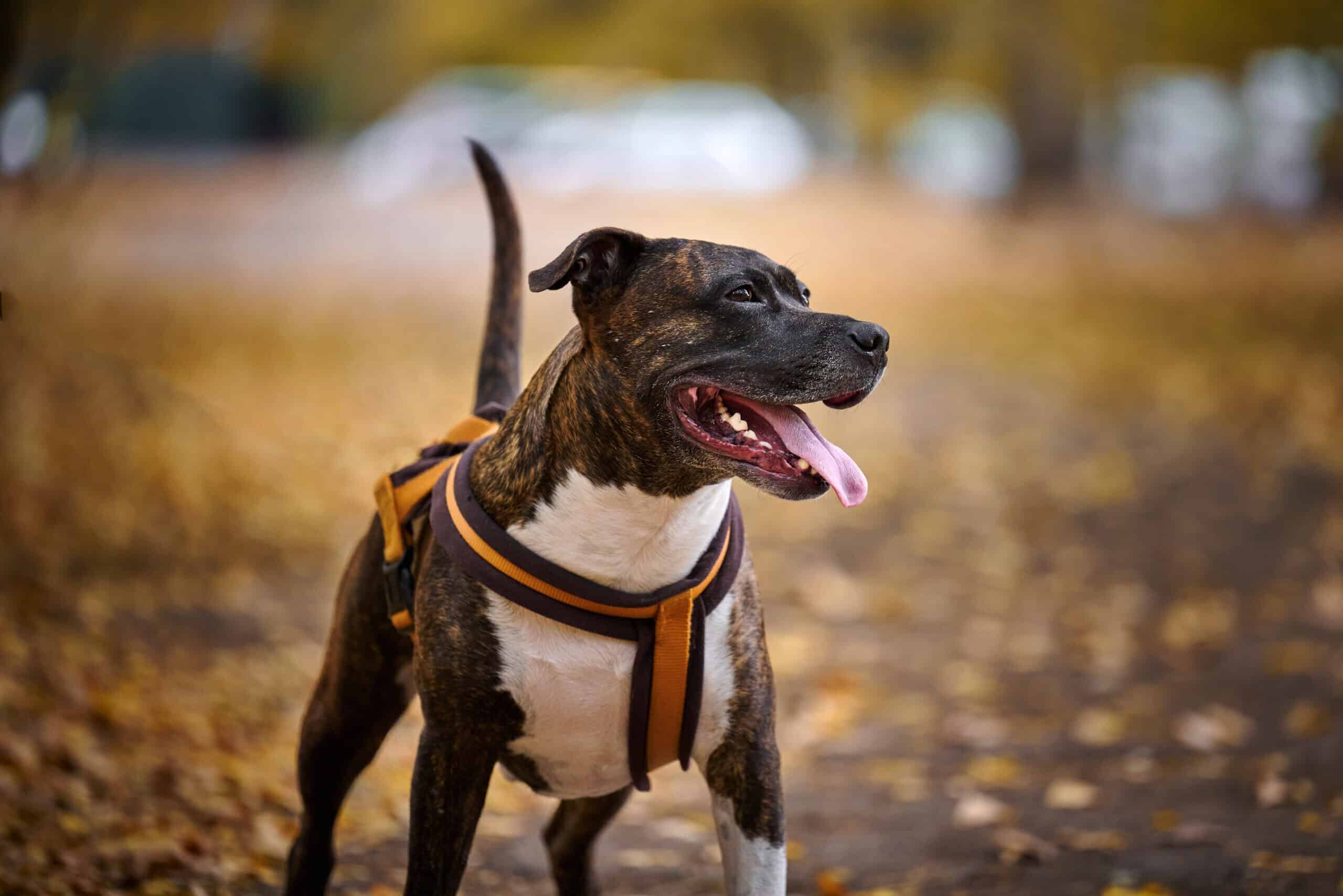
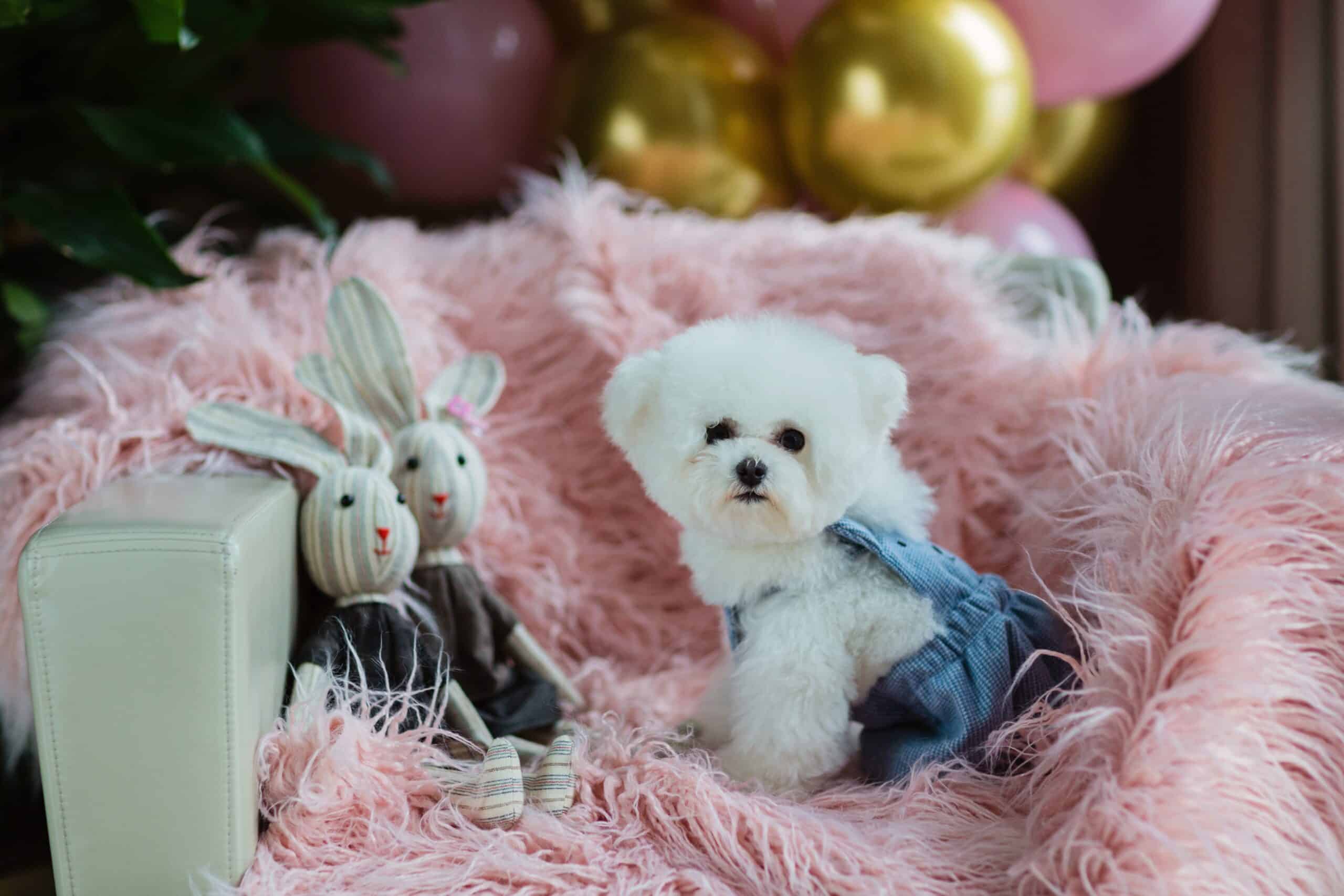
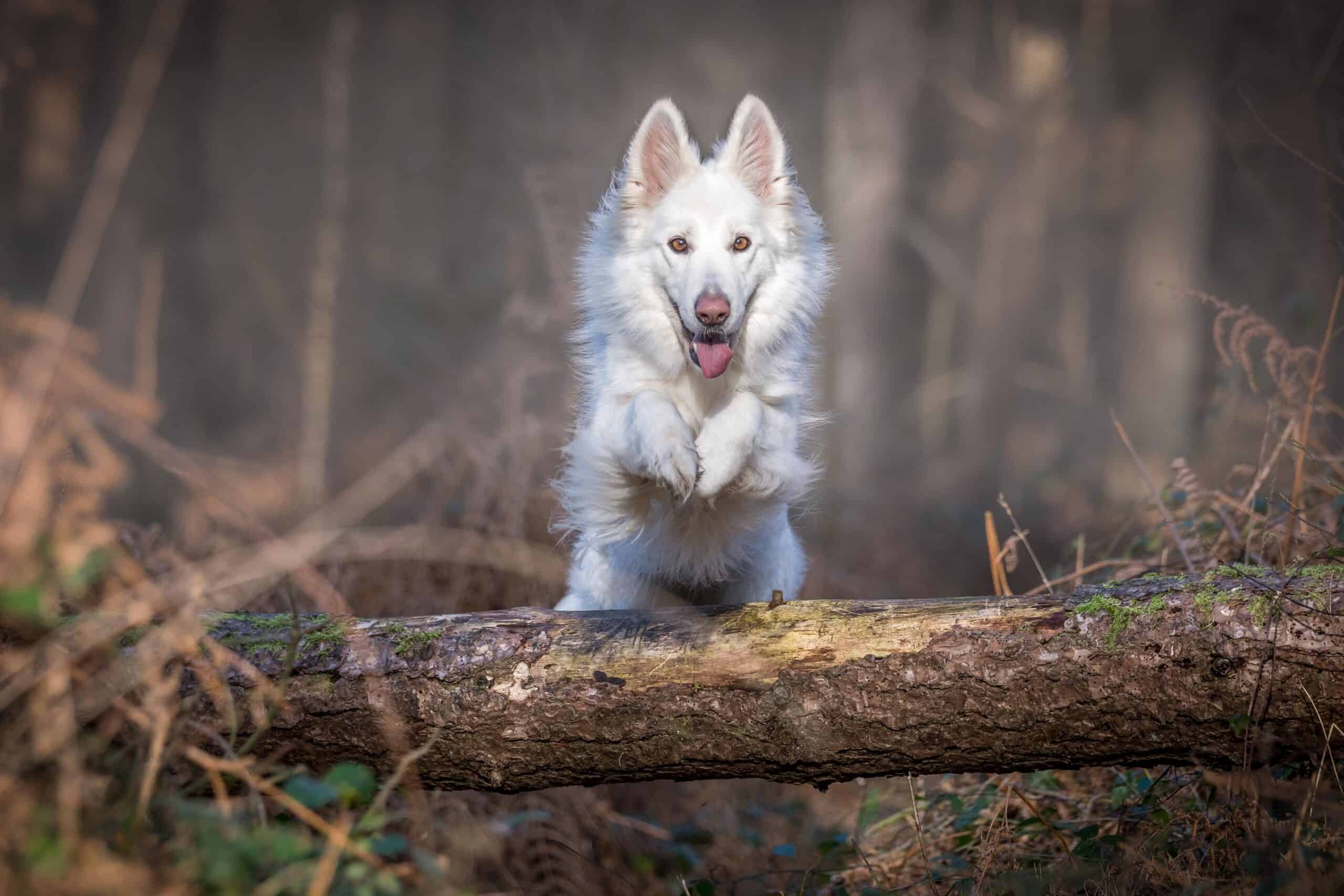
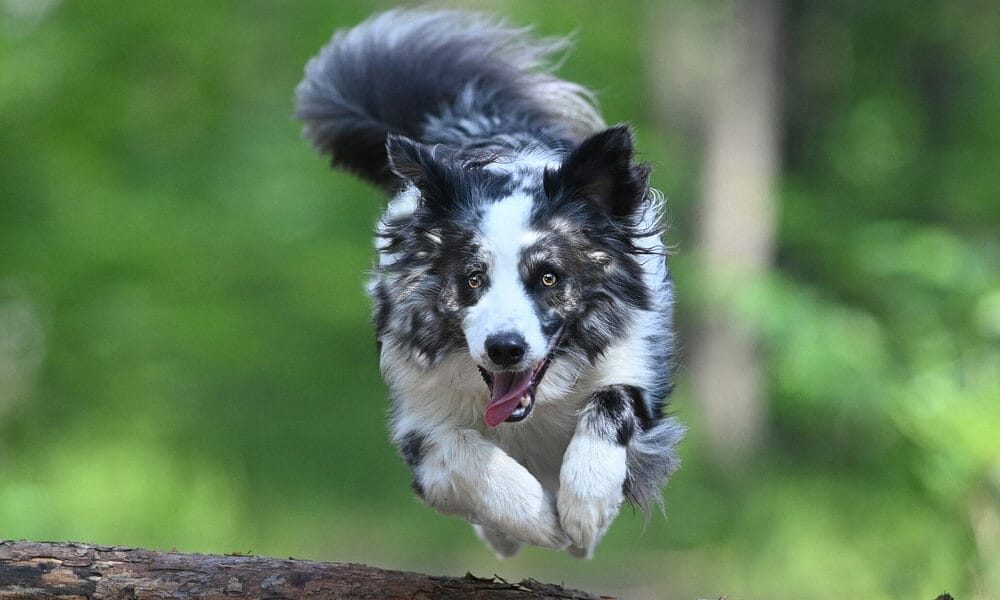
Playful hopping takes powerful leg muscles and a strong spring in a dog’s step. While all dogs might leap occasionally, the following four breeds are known for being especially bouncy:
Dog Breeds That Hop Like A Bunny:
- Jack Russell Terriers
- Australian Shepherds
- Border Collies
- Poodles
While many dogs can learn a hopping trick with enough training, these breeds make great candidates because they are athletic, agile and well-muscled for their size. Even the short-legged Jack Russell is famous for springing straight up in the air. We look at other famously muscular breeds in dogs with abs.
In addition, these breeds are all known for their intelligence and eagerness to please, which makes them quick learners when it comes to tricks like hopping. Border Collies and Australian Shepherds also feature in our guide to what kind of dog keeps the best time.
Why Do Dogs Hop Like A Bunny?
Some dogs, like Jack Russell Terriers, naturally bounce in a way that looks like a bunny’s jump, while others have been trained to do it.
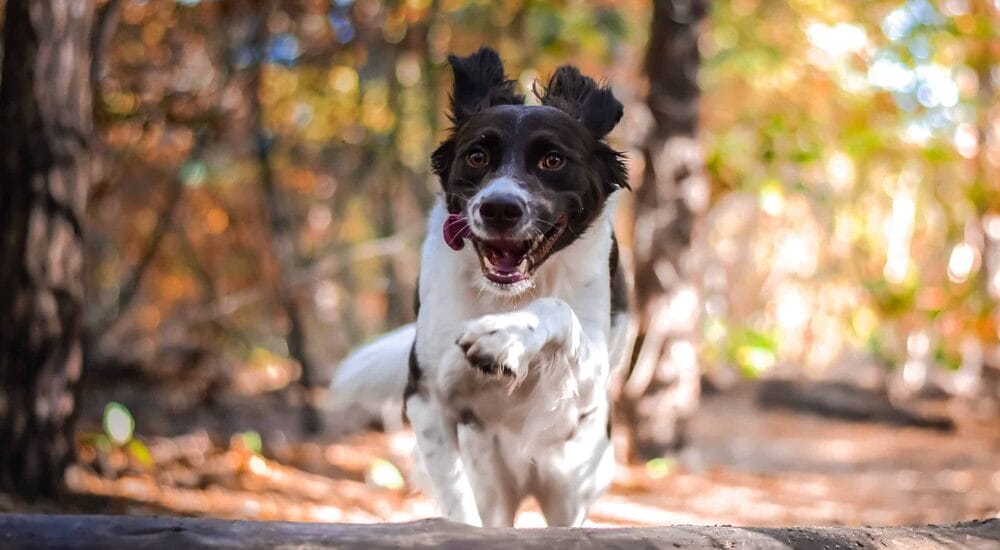
In most cases, the hopping is a sign of playfulness, excitement or a joyful greeting when they meet people. Some dogs also bounce to get a better view of something that caught their attention, like a toy in your hand. Young puppies sometimes bunny hop simply because they’re still clumsy and growing.
However, there’s a different kind of bunny hopping to watch out for. If your dog moves both back legs together when walking or running, rather than one after the other, it may be trying to take weight off painful hips or knees. This gait can be linked to hip dysplasia, a luxating kneecap, or weakness in the hind legs. Ask your vet to check your dog if it bunny hops as its normal way of moving, especially if it also seems stiff, struggles to get up, or is reluctant to climb stairs or jump.
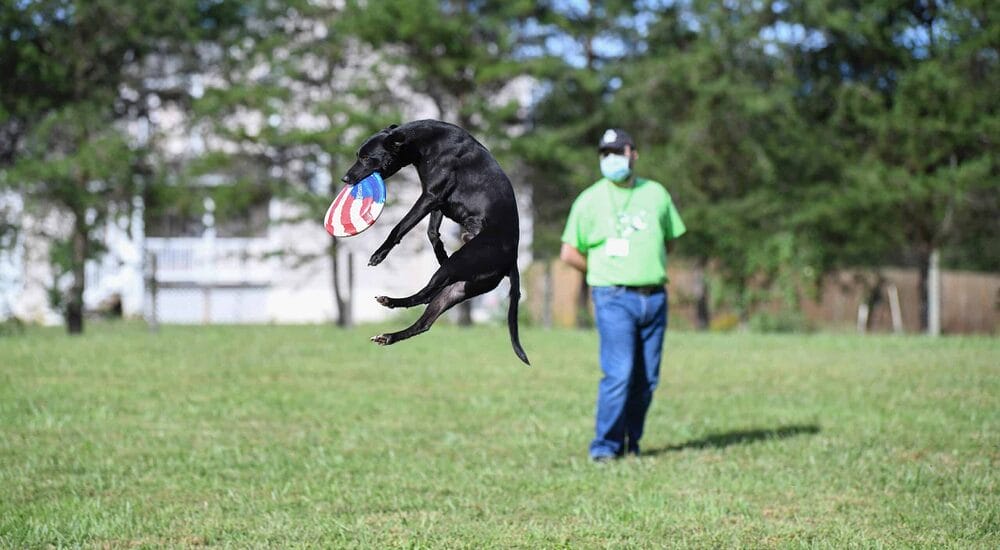
What Makes These Dogs Suited For Hopping?
These dogs are well suited to hopping because of their athletic, muscular build and high energy. They have the power and coordination for quick, springy jumps and the stamina to keep playing.
Just as importantly, they’re smart and eager to work with you, so they pick up new tricks quickly. That makes them great candidates for learning a hop on cue, as long as you keep sessions short.
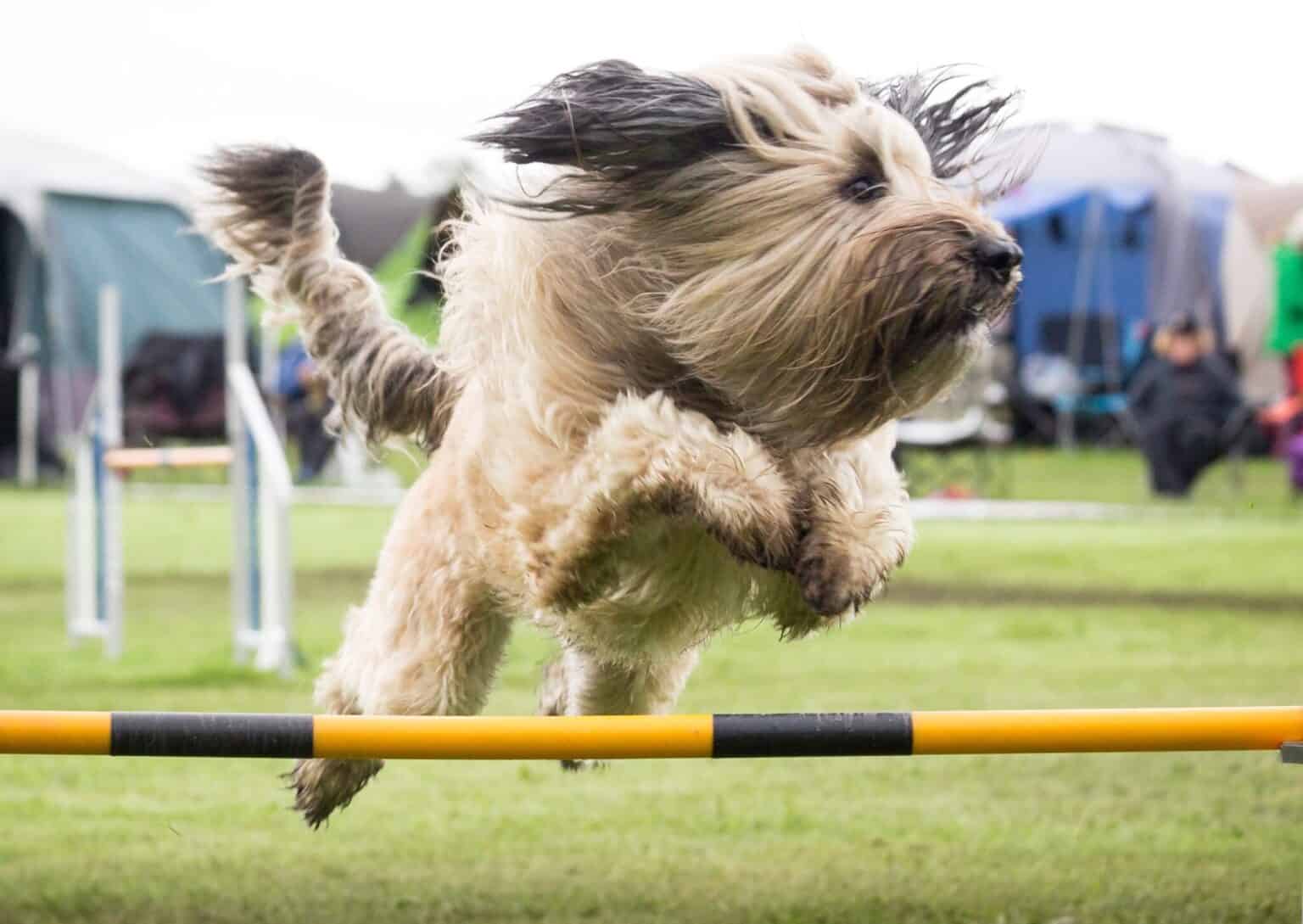
The Benefits Of Having A Bunny-Hopping Dog
Not only is a hopping trick good exercise for your pup, but it’s also a fun way to amuse family and friends. Teaching your dog a new trick also provides mental stimulation and strengthens your bond, and it can help reinforce essential obedience commands such as “sit” or “stay.”
This activity can help build up obedience and muscle memory in dogs while providing plenty of laughs for you and your guests!
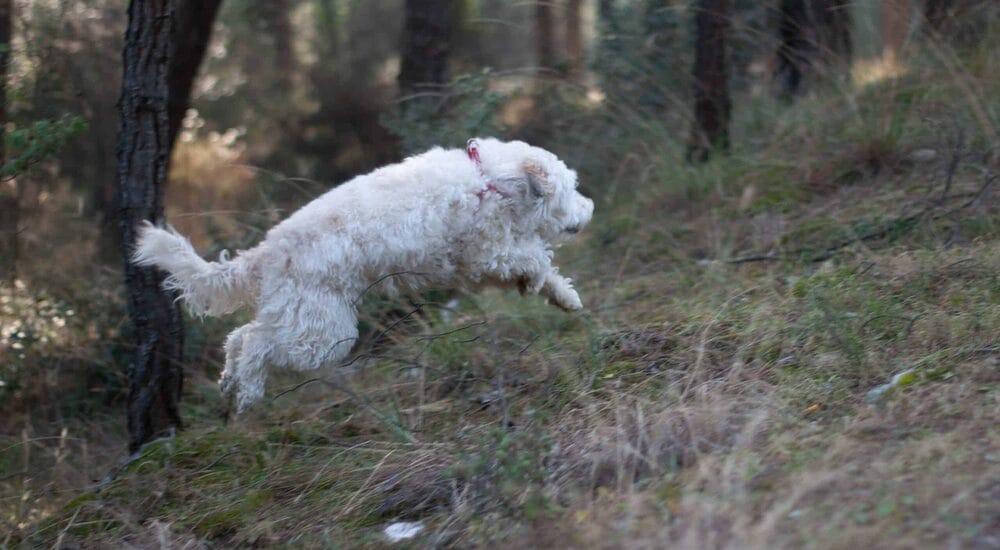
Is It Bad For A Dog To Hop Like A Bunny?
It depends on what kind of hopping you mean. Bouncing with excitement or doing a trained hopping trick now and then is not bad for a healthy adult dog.
A dog that bunny hops with its back legs while walking or running is a different matter, as this can be a sign of hip dysplasia, a luxating patella or other joint pain. In that case, see your vet rather than encouraging it.
If you’re teaching a hopping trick, remember these key points: wait until your dog is fully grown (around 12 to 18 months, depending on size) before practicing repeated jumping, since young dogs’ joints are still developing; practice on grass or a non-slip mat rather than hard or slippery floors; keep sessions short with plenty of breaks; and skip jumping tricks altogether for dogs with joint problems, long backs (like Dachshunds) or seniors.
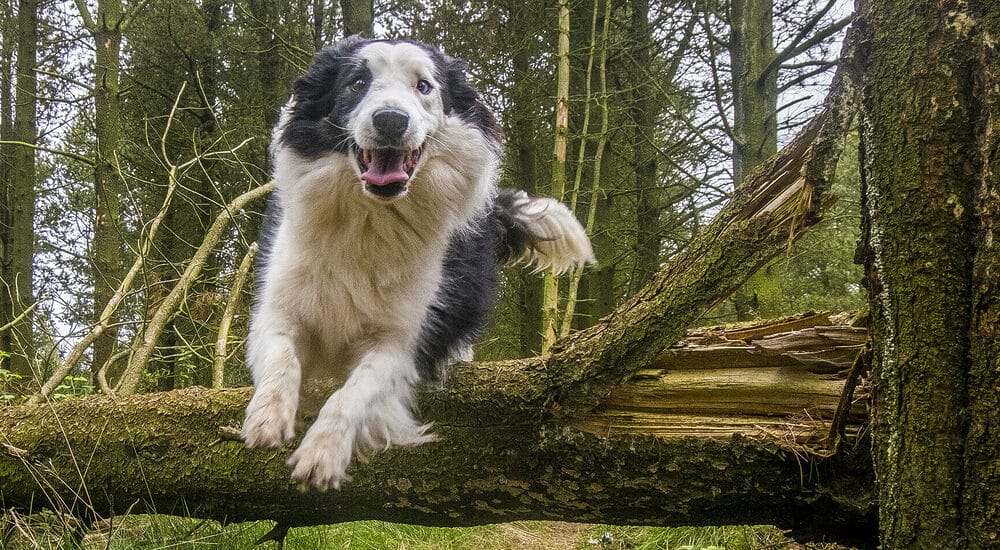
How Do I Get Started Teaching My Dog To Bunny Hop?
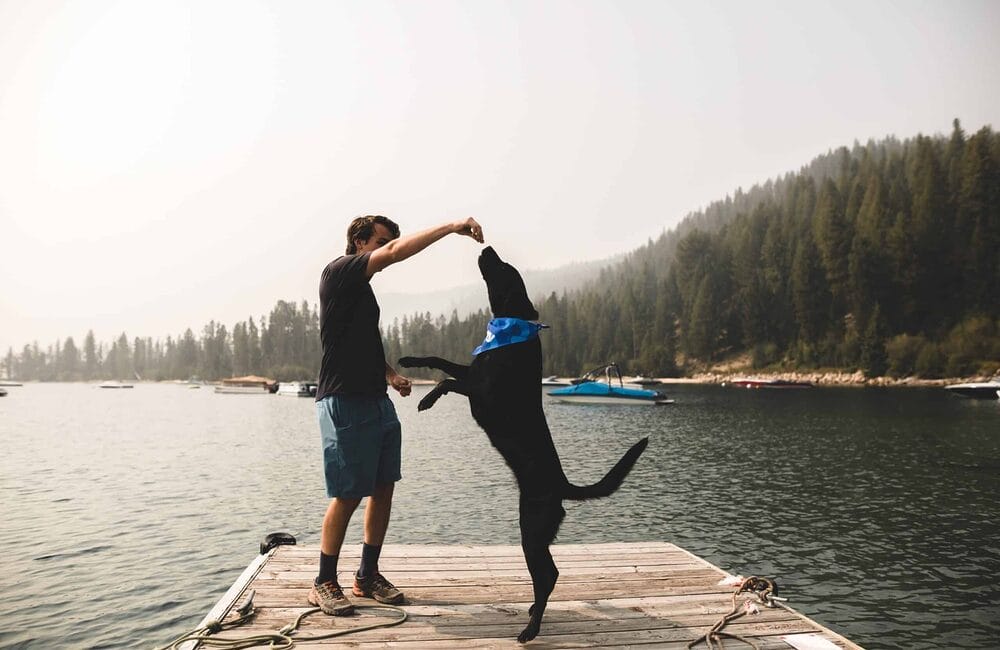
If you’ve always wanted to teach your pup the iconic bunny hop, then it’s time to get started! To begin, find a safe place with good footing for you and your furry friend to practice. Have your dog stand in front of you, hold a treat just above their nose, and slowly raise it so they push up with their back legs. Reward any small hop right away, then add a cue word like “hop” just before they jump.
As they get the idea, you can ask for a few hops in a row, but keep the jumps low and progress gradually. With patience and plenty of treats, your dog will soon be hopping on cue!
What Are Some Other Tricks I Can Teach My Dog?
Unleash your pup’s full potential by teaching them more than just bunny hopping! With basic obedience commands as the foundation, you can begin working on tricks such as sit, stay, come, fetch and even shake or rollover.
Again, all it takes is a bit of patience (and treats!) to show your pooch that any trick is possible. Show off their new skills with pride; you’ll both be glad for all the hard work!
Conclusion – Hopping Dogs
Many healthy dogs can be trained to hop on cue with the right approach, but some breeds are more apt for it than others; think Jack Russell Terriers, Australian Shepherds, Border Collies and Poodles.
These breeds have strong legs, an agile build and boundless energy, which make them prime candidates for hopping about! Just remember the difference between a playful bounce and a bunny-hopping gait: if your dog moves its back legs together when it walks or runs, have your vet check its hips and knees.