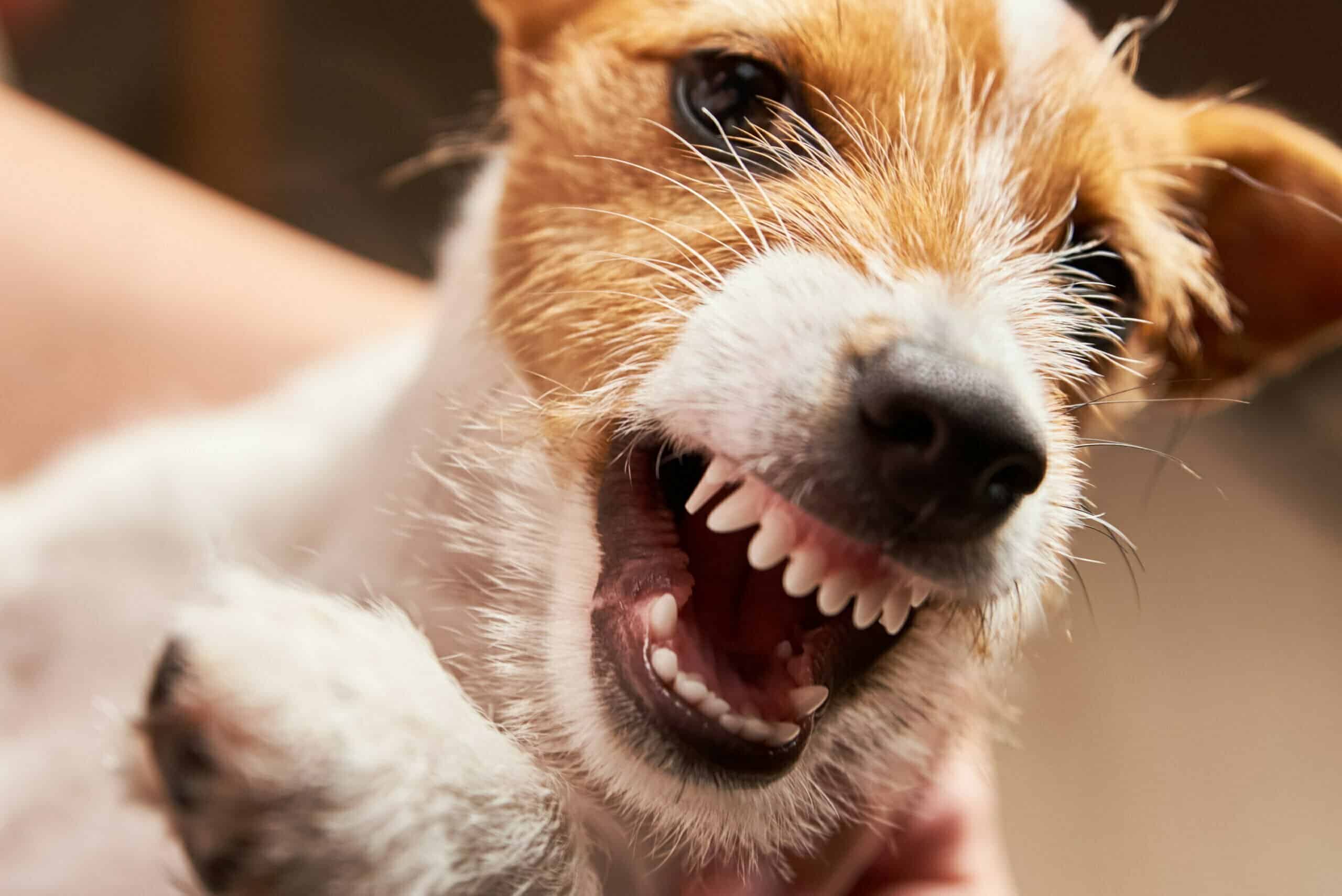
When a dog loves everyone except one person, it’s usually because something about that person makes the dog uneasy: their body language (staring, looming, or reaching over the dog), their voice, their smell, their appearance (such as a hat, beard, or uniform), or a bad experience the dog links to them. In most cases, the dog is nervous rather than “hating” the person, and slow, treat-based introductions where the dog chooses to approach can change his mind.
It’s often simple to get a dog’s attention and trust with a few treats and a friendly voice. But can you repeat these tricks for every dog? Sadly, not always! Dogs form first impressions quickly, and if you display something that they don’t like, you will probably enter their “non-friendly” list.
So why do dogs fail to accept some people? This article will help you understand why dogs develop this behavior and how you can help it. (If the person is your dog walker, we also cover why a dog growls at the dog walker.)
Your body language
While dogs depend on their smell for almost everything, they also read our body language closely. Dogs rely on body language to communicate, and movements that feel friendly to us can look threatening to a dog.
For instance, eye contact plays a big role. A long, direct stare can come across as a challenge or a threat to a dog, especially one who doesn’t know you, and may make the dog avoid you.
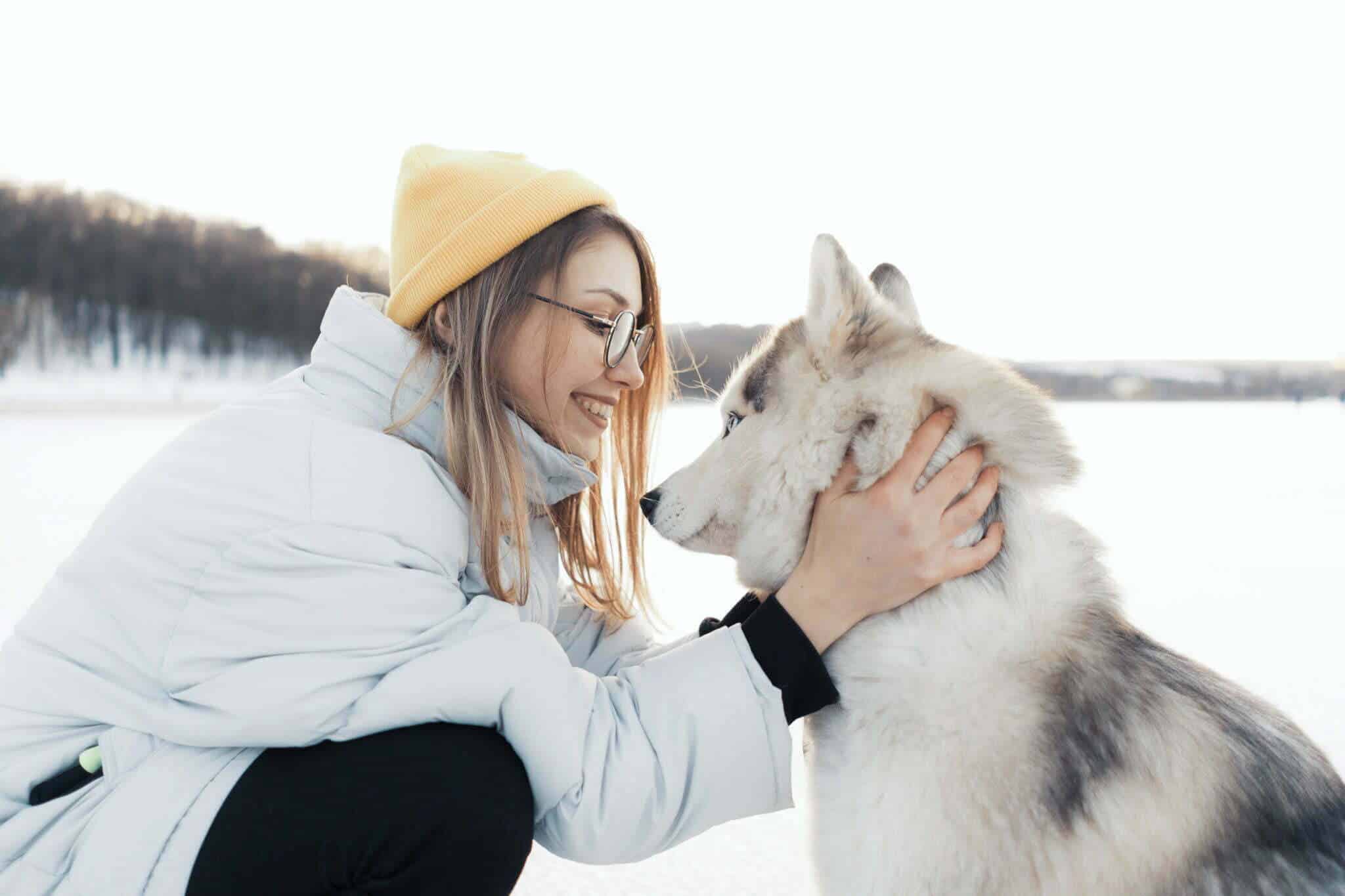
Furthermore, certain body gestures like bending over the dog, reaching over its head, hugging, or sudden, erratic movements all trigger bad impressions. In short, you will convey the wrong message to the dog, and a frightened dog may growl or even snap to make you back off.
Appearance matters too. Many dogs are more wary of men, very tall people, or people wearing hats, sunglasses, hoods, beards, or uniforms, especially if they didn’t meet many people like that as puppies.
Solution: Avoid direct eye contact or forceful body movements when you meet a new dog. Turn slightly sideways, crouch at a distance rather than looming, and let the dog come to you.
Tone of voice
Besides body language, dogs also take note of your voice tone and judge your personality through your voice.
Brain-imaging research has shown that dogs process the emotional tone of human voices, not just the words. Many dogs respond more eagerly to a cheerful, higher-pitched voice and see that person as friendly.
On the other hand, loud, angry-sounding, or booming voices can make a dog wary, and some dogs keep their distance from people who speak that way. It’s not so different from how humans perceive one another, where the way someone speaks says a lot about them.
Solution: Speak gently and happily when you meet a new dog, as it will trigger positive emotions and help you build a relationship.
Not smelling friendly
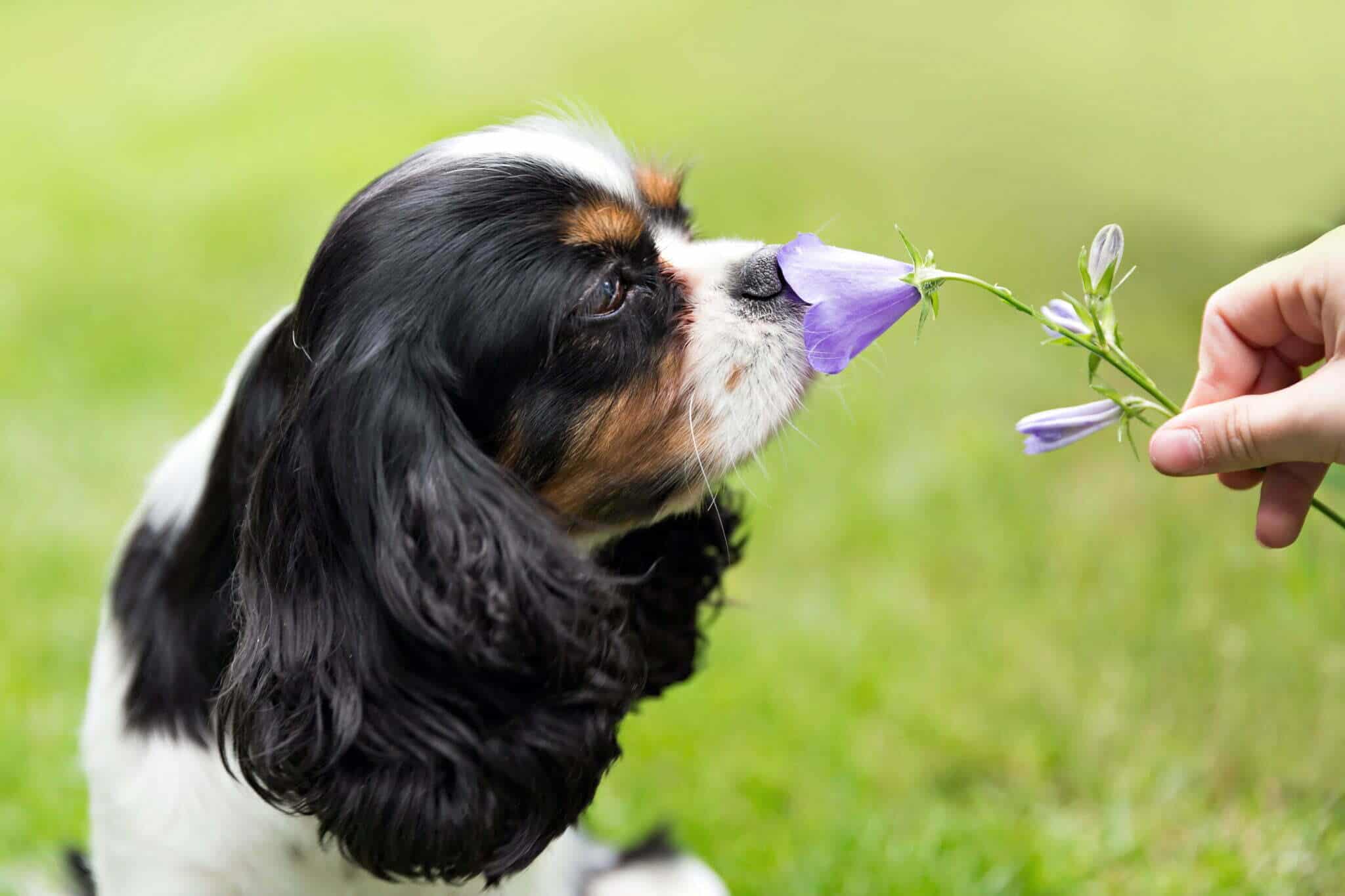
Dogs are very particular with their sense of smell, which is also their biggest strength.
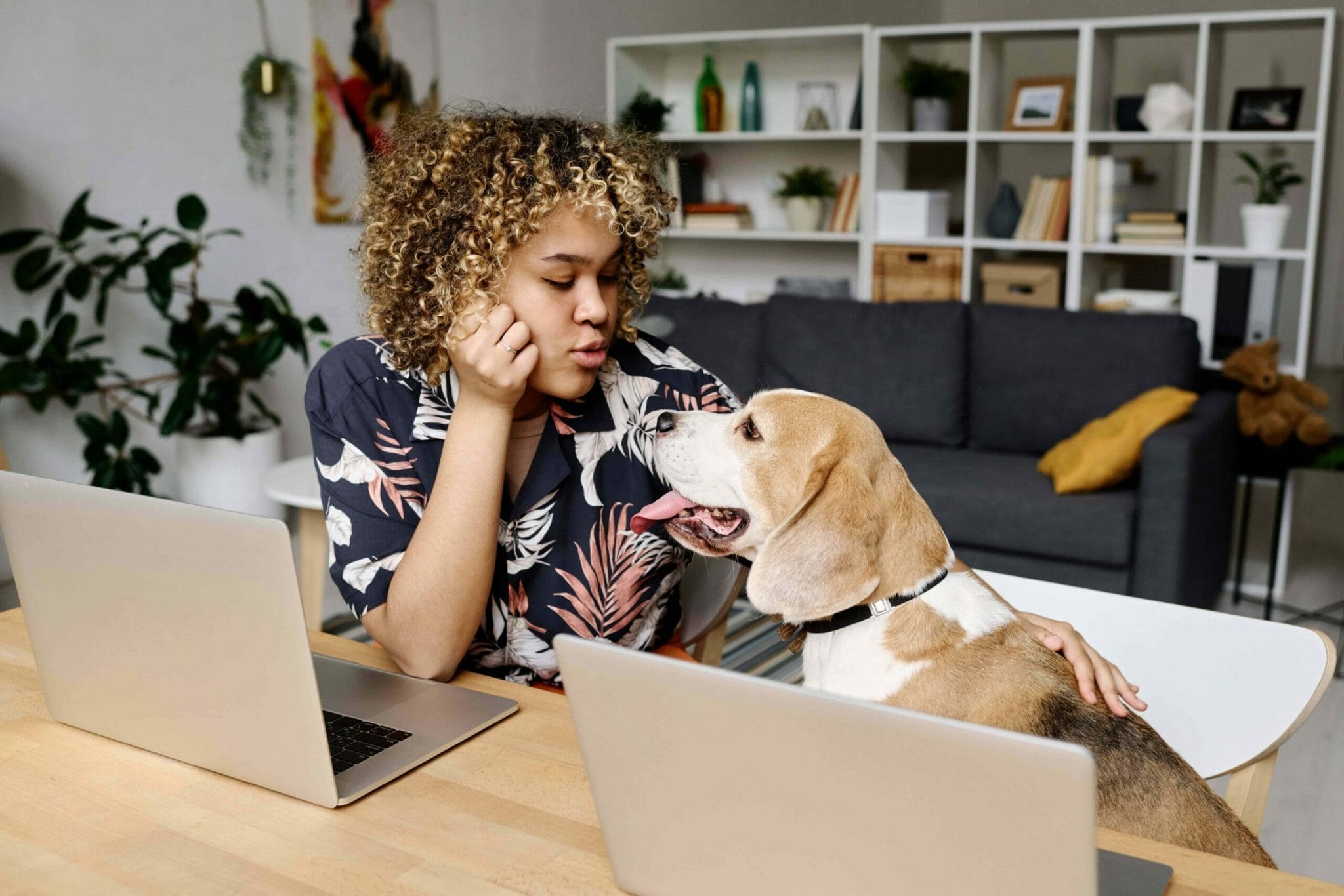
You might have noticed that whenever you meet a new dog, it will give a good sniff to determine your nature. If you smell friendly, you will undoubtedly make an instant bond with your fur friend. However, if they find you confusing or intimidating, your chances of getting close become slim.
Furthermore, many dogs dislike strong scents like citrus, vinegar, alcohol, smoke, or heavy perfume, and some are unsettled by the smell of other animals on a person’s clothes. If someone carries those smells, the dog may keep its distance.
Solution: The best way to introduce yourself to a new dog is to avoid strong scents that dogs don’t like. Furthermore, try to accompany your introduction with proper body language and tone of voice, which can make a significant initial impact on your relationship.
Social interaction of owners
It might sound weird, but research suggests that dogs pay close attention to how other people treat their owners.
Your canine friend might be more interested in your social interactions than you can imagine. Dogs follow their owner’s interactions with other family members or strangers and develop their choice for certain people. The flip side is a dog that picks a favorite; see why your dog may be obsessed with your husband.
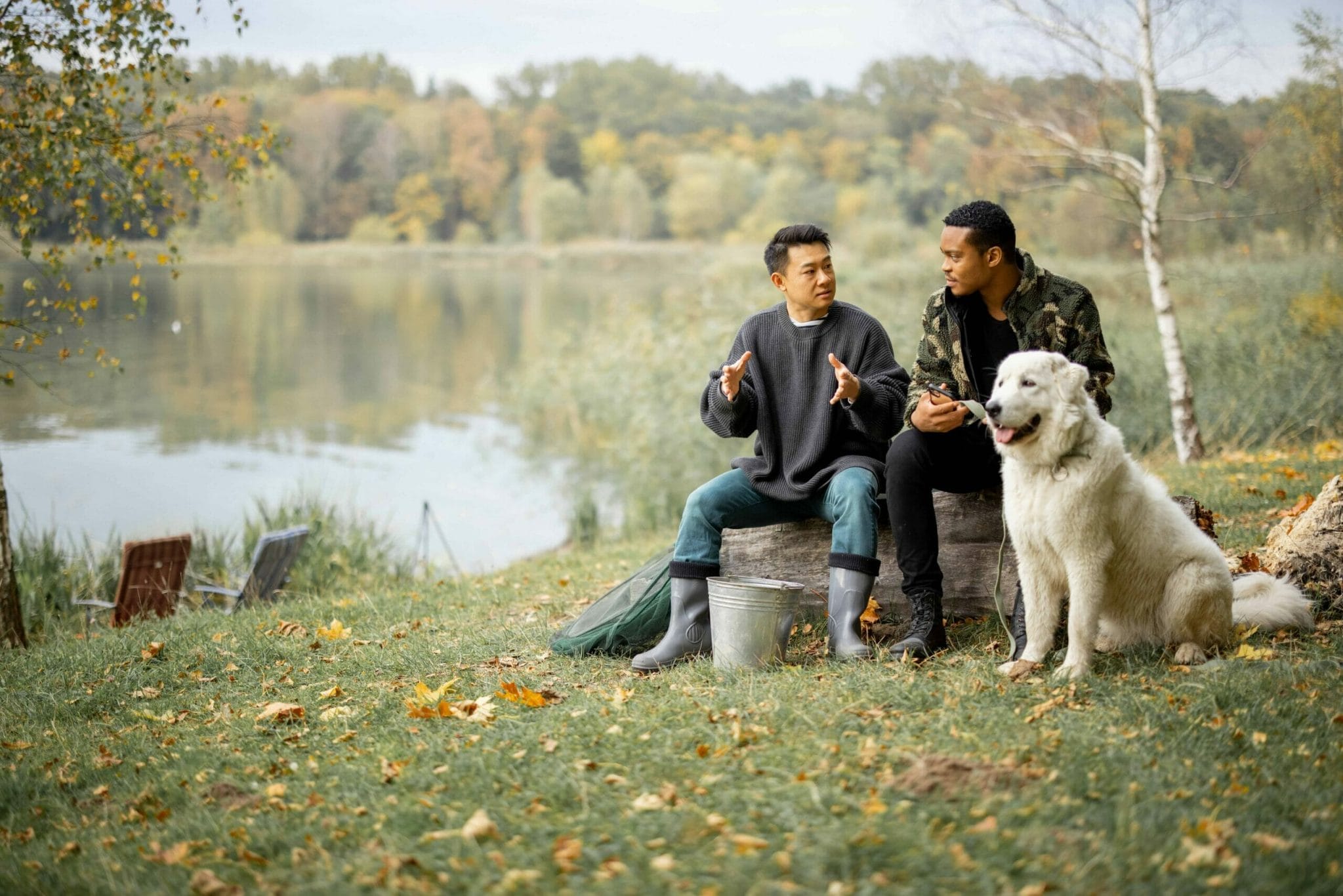
For instance, in one study, dogs that watched a person refuse to help their owner were less likely to accept a treat from that person afterwards. Dogs also pick up on tension: if you feel uneasy or argue with someone, your dog may become wary of them, and a nervous dog may growl if that person gets too close.
“A dog is a man’s best friend,” and it seems they really do notice who is kind to their people. It might not be the case with every dog, but you might end up on the “non-friendly” list if you’re unkind to the dog’s owner.
Solution: The best way to avoid these situations is to take caution while interacting with your friends in front of their dogs. You can also inform your friends to do the same if you have a faithful canine friend.
Past Trauma by bad experience
The last reason is more evident with rescue dogs who suffer from abuse or abandonment. These traumatic experiences may lead to various psychological conditions, where dogs can even suffer from inactivity and depression due to their past life.
Most rescue dogs often have sad beginnings where they meet owners who aren’t friendly to them. These dogs can experience physical or mental assault, which makes a significant impact on how they pursue a particular personality.
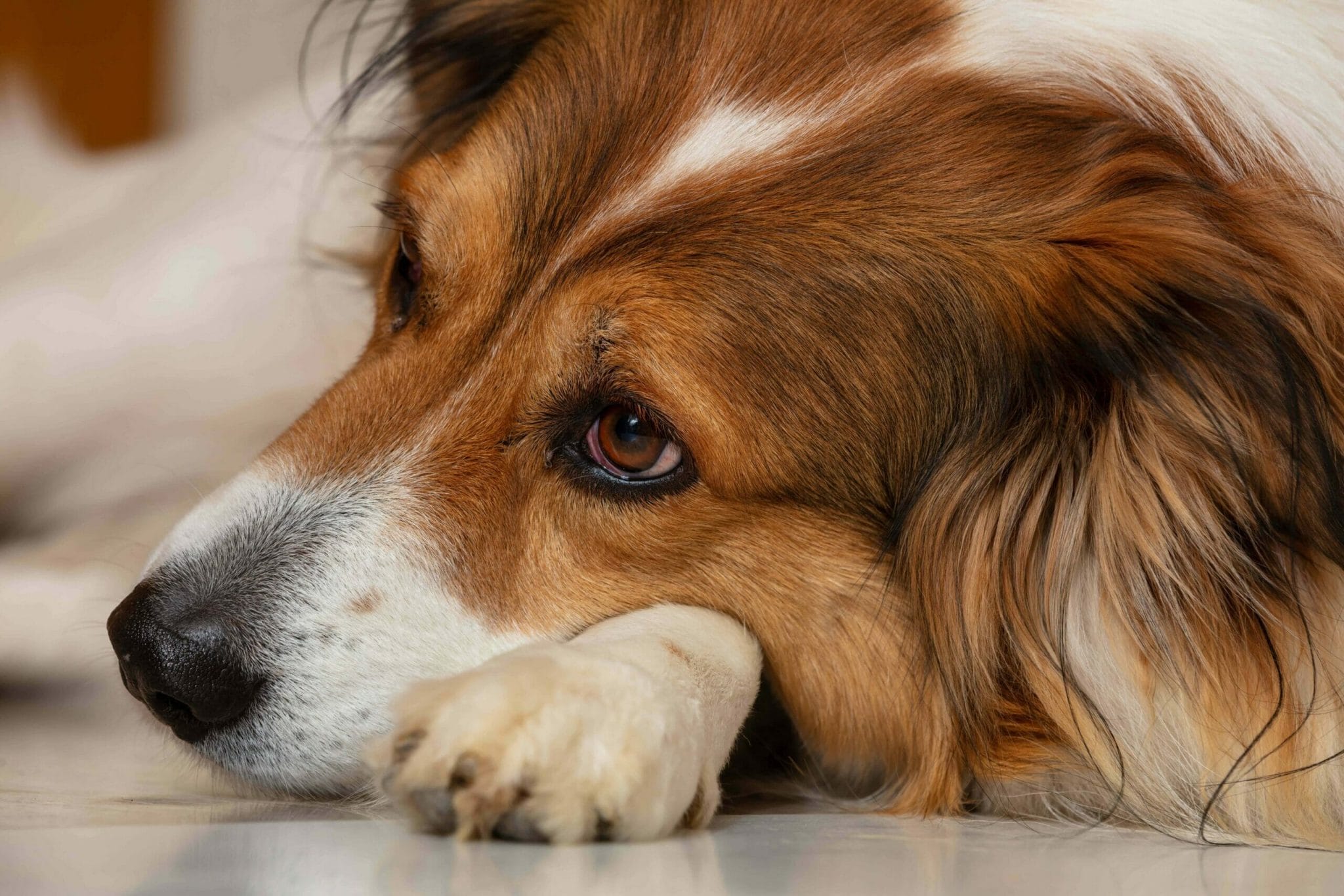
Furthermore, you can witness these traits even after providing these dogs with good food and shelter. Likewise, these past traumas can force them to develop mistrust or fear toward people, especially those who remind them of their previous owners. Our guide on how to train your dog to ignore strangers may also help.
In short, they will avoid that person or display aggression whenever they face each other. Additionally, this aggression can also trigger negative emotions, which may sometimes lead to growling or even biting.
Solution: If you have adopted a rescue dog, try to gather as much information about their past from the rescue center. This information will help you understand your dog’s past life and allow you to resolve negative issues before they haunt your dog.
Patience, a predictable routine, and letting your dog set the pace with new people will help them build trust over time.
How to help your dog warm up to that person
- Let the dog choose. The person should ignore the dog at first: no staring, reaching, or calling him over. Let the dog approach and sniff in his own time.
- Pair the person with good things. Have them toss high-value treats on the floor near (not at) the dog without trying to touch him. Later, they can take over fun jobs like serving meals or throwing a ball.
- Keep visits calm and short. End on a good note, before the dog gets overwhelmed.
- Never force it. Don’t make the dog “say hello,” hold him while the person pets him, or punish growling. A growl is a warning; punishing it can teach the dog to bite without warning.
- Rule out pain. If your dog suddenly dislikes someone he used to accept, have your vet check for pain or illness.
- Get help if needed. If your dog growls, lunges, or has snapped at the person, keep them safely apart and work with a certified trainer or veterinary behaviorist.
Final Thought
Dogs seldom develop negativity for a person, but when they do, it might become challenging to change their minds. Although several reasons contribute to this cause, you can help your dog change its behavior by following the solutions mentioned above.
Remember, a dog’s negativity is usually rooted in fear, and giving them time, space, and positive experiences with that person will get you the best results.