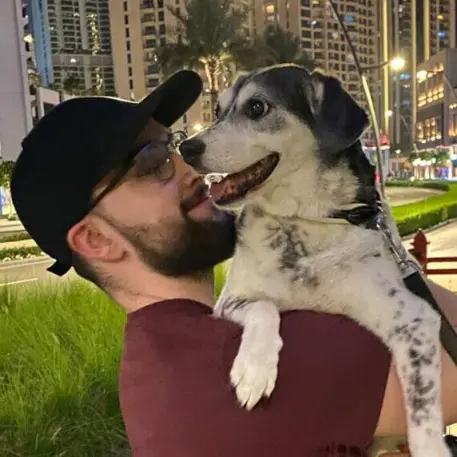

To say sorry to your dog, stay calm, crouch down, speak in a soft, warm voice and let your dog come to you, then follow up with gentle petting, a treat or a favorite game if they’re ready. Dogs don’t understand the word “sorry” itself, but they do read your tone and body language, and most bounce back quickly when you’re kind and relaxed.
Whether you accidentally stepped on a paw, raised your voice or startled them, here are effective ways to apologize to your pet.
Do dogs understand when you say sorry?
This is one of the most frequently asked questions when it comes to apologizing to dogs. The short answer: they don’t understand the literal meaning of “I’m sorry”, but they do understand the way you say it.
Dogs can only grasp what we are trying to communicate through our actions and tone of voice. They cannot comprehend the concept of an apology like humans do. So, whenever you say sorry to your dog, make sure that your actions and demeanor reflect your words.
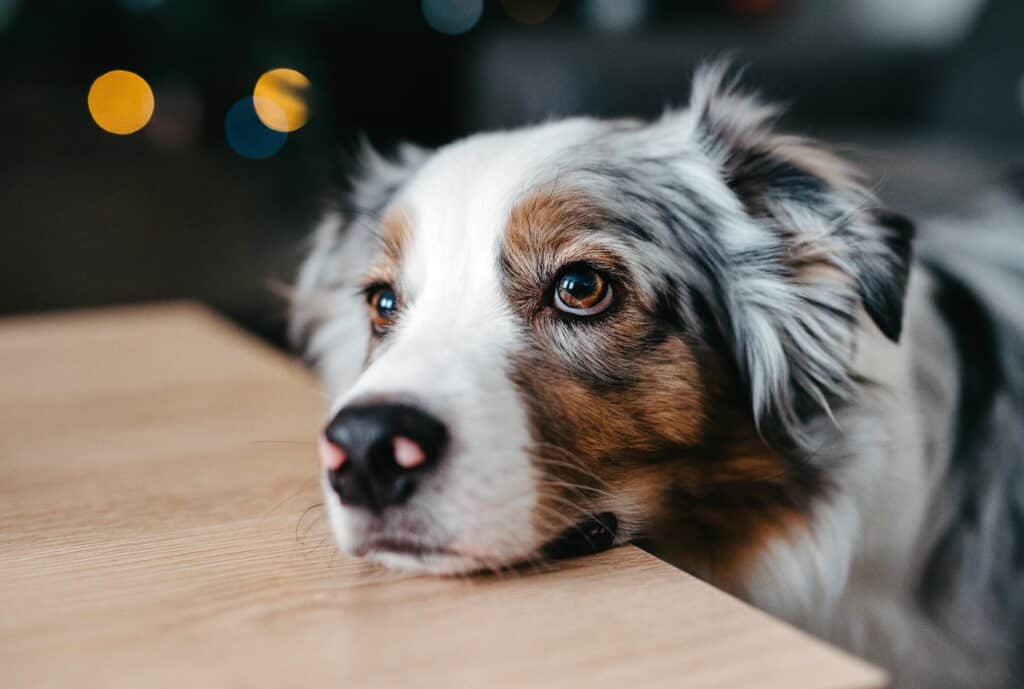
Effective ways to apologize to your dog and earn its trust
Some of the effective ways to apologize to dogs are as follow:
1Get down to your dog’s level
Dogs are highly tuned in to body language. Crouching or sitting down, turning slightly sideways and keeping your movements slow makes you look much less threatening than standing over them. Let your dog approach you rather than reaching for them, and only pet them once they lean in.
As dogs do not understand the concept of an apology, actions and demeanor are important to show that you are sincere.
2Offer treats
Most dogs love treats! Offering your dog a treat is a great way to rebuild a positive feeling after a scare. Toss it gently or offer it on a flat palm if your dog is hesitant, and choose a healthy treat that your dog loves.
3Use positive reinforcement
If you want to apologize and show your dog that you’re sincere, use positive reinforcement such as verbal praise or petting. This will let your furry friend know that they are still loved despite the mistake.

4Give your dog some space
Sometimes, dogs just need some time alone to calm down. If you’ve done something that your dog doesn’t like or is afraid of, give them some space and let them come to you when they’re ready. Some dogs also dislike things owners think are harmless, which we explain in why dogs don’t like it when you blow on them.
5Avoid using the word "sorry"
You don’t have to avoid the word “sorry”, but don’t expect it to do the work on its own. Dogs can learn the meaning of some words, yet they pay far more attention to how you say things. A soft, happy tone and relaxed body language matter much more than the words you choose – and repeating “sorry” in an anxious, high-pitched voice can make a nervous dog more unsettled.
6Seek professional help
If your dog stays fearful of you, starts avoiding you, or growls or snaps when you approach, seek professional help from a certified animal behaviorist or positive-reinforcement trainer. They can help you rebuild trust step by step.
What if you accidentally hurt your dog?
Stepping on a paw or tail is one of the most common reasons owners want to apologize. Stay calm, speak softly, and let your dog come to you. Once they’re settled, gently check the paw, tail or leg for swelling, bleeding or a nail that’s been torn. Call your vet if your dog keeps limping, holds the leg up, yelps when you touch the area, or the tail hangs limply, as these can be signs of a sprain, fracture or nerve injury.
Will my dog forgive me if I apologize?
In most cases, yes. Dogs are forgiving, affectionate creatures, and a one-off mistake rarely damages your bond. They may be startled or wary for a little while, but that usually passes quickly when you respond kindly. If your dog seems withdrawn after a day away from you, we also cover why a dog may act different after daycare.
Dogs don’t hold grudges the way people do. What they do remember is how situations feel, so repeated frightening experiences can make a dog nervous around certain people, places or handling. Plenty of calm, positive moments together are the best way to keep that trust strong.

Undeniably, a dog might growl or snap on the spur of the moment, especially if they’re in pain or scared. That’s a warning, not spite. Don’t punish it; give your dog space and let them calm down before you try to make up.
It’s our responsibility as owners to take care of our pets with love and patience. If your dog is naughty or mischievous, calmly interrupt and redirect them to something they’re allowed to do, then reward the good choice. Scolding after the fact only confuses dogs and may leave you wanting to apologize all over again.
Conclusion
Concluding the article, we hope that it was helpful in figuring out how to say sorry to your dog. It’s vital to understand your dog’s personality: a confident dog may want a cuddle straight away, while a sensitive one may need a few minutes of space first.
Knowing what upsets or frightens your dog also helps you avoid those situations in the future. Above all, be kind and affectionate to your pet so that it will sense that you’re genuinely sorry. Once you have made up, quality time together goes a long way; see how to give your dog the best day ever.
Get The Ideal Dog Routine, free
A 10-page guide written by a vet: a sample daily routine, exercise and alone time, and grooming and vet check schedules.
We'll email you the download link. Unsubscribe anytime.


