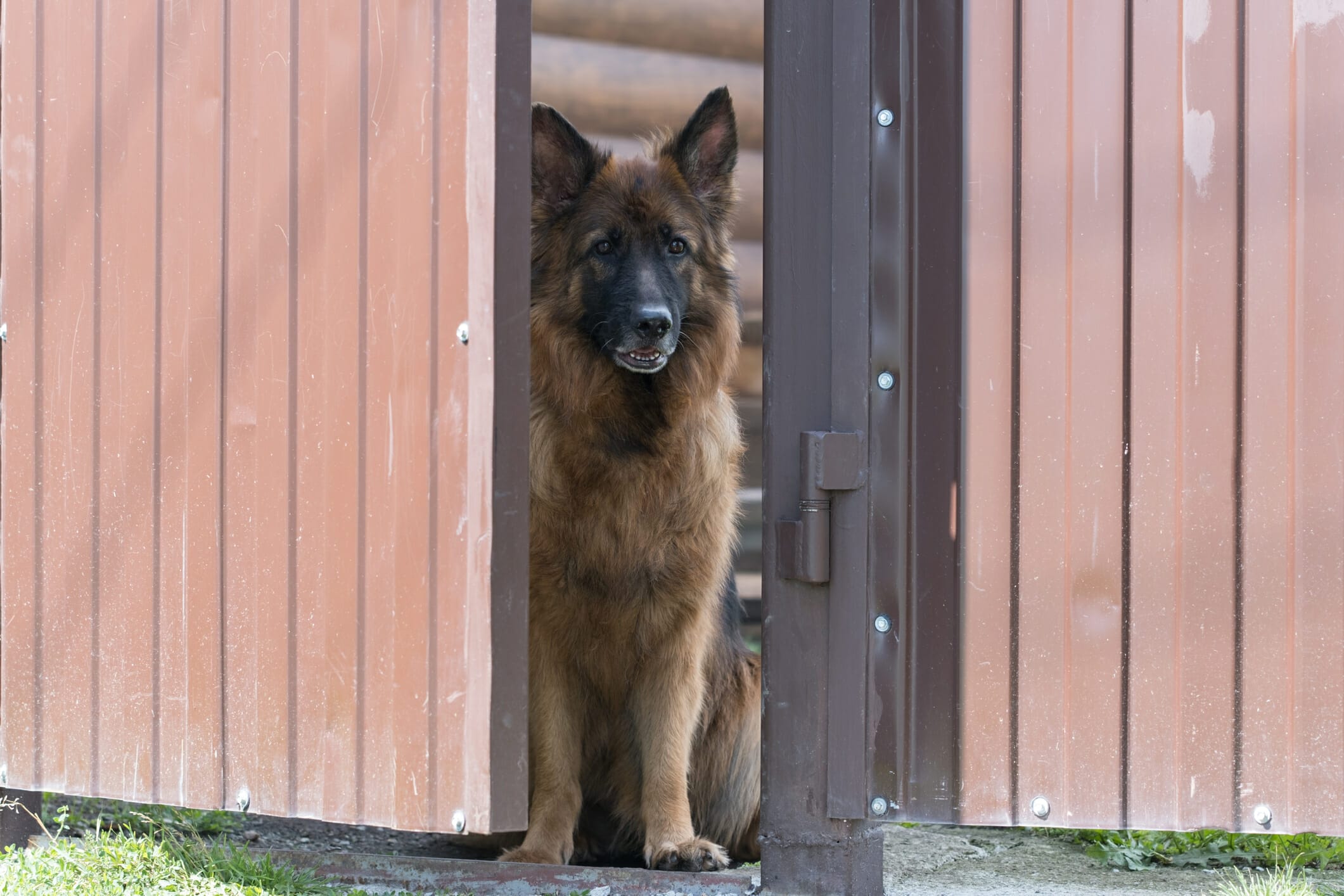

Yes, vinyl fencing is a good choice for most dogs. It’s strong, has a smooth surface with no splinters or footholds to climb, resists scratches and urine, and a solid privacy style blocks the view that triggers barking. The downsides are a higher upfront cost, and determined diggers or jumpers still need a buried barrier and a tall enough fence.
Thinking about a vinyl fence to keep your dog safely in the yard? Vinyl is strong, low-maintenance and offers plenty of privacy, but it isn't the right fit for every dog or every budget. In this post we'll go over the pros and cons of vinyl fencing for dogs and how to make it as escape-proof as possible.
Is vinyl fencing good for dogs?
Wondering if a vinyl fence is the right choice for your dog? Vinyl fencing has a few advantages when it comes to containing dogs. Vinyl fences are:
Pros
- Strong
- Low-maintenance
- Durable
- Easy to install
- Provide privacy
Cons
- Can be expensive
- Susceptible to heavy winds
- An unnatural look
1Vinyl fencing is strong
Dogs are known for their strength and energy, which is why you need a fence that can withstand their enthusiasm. Vinyl fencing is made from durable PVC material that won’t rot and flexes a little under pressure, so a dog jumping up against it is unlikely to damage it. A vinyl fence will also withstand dog scratches better than wood, and its smooth surface gives climbers nothing to grip.
2Vinyl fences are low-maintenance
Dogs are also known for their, um, let’s just say “exuberant” bathroom habits. A vinyl fence is easy to clean and won’t be harmed by urine or feces the way that other materials can be. All you need to do is hose down your fence regularly to keep it looking new.
3Vinyl fencing is durable
Other materials such as wood can rot, splinter, or crack over time. This can be dangerous for your dog if they try to chew on the fence. Vinyl fencing, on the other hand, is built to last and holds up well to weather and everyday wear and tear. It can become more brittle in very cold weather, though, so a hard impact in winter may crack a panel.
4Vinyl fences are easy to install
Installing a vinyl fence is a relatively simple process, especially if you use pre-assembled panels. This makes it a great choice for do-it-yourselfers or busy homeowners who don’t have the time or inclination to deal with a more complicated fencing project.
5Vinyl fencing can provide privacy
Most fences are designed to provide some level of privacy, but vinyl fences are especially good at this because the material is opaque. This can be helpful if you have a dog that gets anxious when they can see people or other animals outside the fence. Vinyl fencing can even reduce noise levels if you live in a busy area.
What are the disadvantages of vinyl fencing?
Now, you may think that vinyl fencing is the perfect solution for containing your dog. But there are a few things to keep in mind before you make your purchase. Vinyl fencing can be:
1Expensive
Vinyl fences usually cost more than wood or chain link fences. However, they last longer and require less maintenance, so you may end up saving money in the long run.
2Susceptible to heavy winds
Because some vinyl fences don’t have holes or gaps in between the pickets, they can act like a sail in strong winds. This can cause the fence to bend or even break. If you live in an area with high winds, look for a vinyl fence with metal-reinforced posts or rails, set the posts in concrete, or choose a semi-privacy style with small gaps that let some wind through.
3Unnatural look
Vinyl fencing can have a plastic or artificial look that some people don’t find appealing. If you want a more natural look for your fence, you may want to consider wood or stone.

How can I make my vinyl fence more dog-friendly?
If you’re set on using a vinyl fence for your dog, there are a few things you can do to make it more dog-friendly.
1Plant the fencing deep
Vinyl fencing is made to last, but even the most durable vinyl fence can’t stop a dog that digs underneath it. Make sure the posts are set deep and in concrete, and keep the bottom of the panels close to the ground. For diggers, bury a strip of galvanized wire mesh (an “L-footer”) or a concrete edging along the base of the fence. This will make it much more difficult for your dog to dig under the fence and escape. For more ideas, see these cheap ways to keep dogs from digging under the fence.
2Plant bushes along the fence
Unlike wooden fences, vinyl fences won’t rot from moisture or suffer insect damage. This means that you can plant bushes along the fence without worrying that they will damage the structure. Bushes can provide additional privacy for your dog and help to camouflage the vinyl fence. Choose dog-safe plants, and avoid toxic ones such as yew, oleander, azaleas, and sago palm.
3Choose the right height
The first thing to consider is the height of your vinyl fence. A taller fence will be more difficult for your dog to jump over, while a shorter fence may not provide the privacy or security you’re looking for. The best height for your vinyl fence will depend on the needs of you and your dog. As a rough guide, a 4-foot fence is often enough for small, calm dogs, while medium and large dogs, and athletic jumpers of any size, usually need 5 to 6 feet. Don’t forget to move anything your dog could use as a step, like patio furniture or the garbage can, away from the fence.

FAQ
What is the best way to clean a Vinyl fence?
You can clean your vinyl fence with a garden hose and a mild detergent. For tougher stains, you may need to use a power washer.
How long will a Vinyl fence last?
Vinyl fences are incredibly durable and can last for decades. However, although it is low-maintenance, it will still need to be cleaned and inspected regularly to ensure that it remains in good condition.
Can I install a Vinyl fence myself?
Yes, vinyl fences are relatively easy to install. However, depending on the size and type of vinyl fence you choose, you may need assistance from a professional.
Is Vinyl eco-friendly?
Vinyl is recyclable and lasts much longer than wood, which supporters say makes it an eco-friendly fencing material. Keep in mind that PVC recycling isn’t available everywhere, and the material is made from plastic, so it’s not as clear-cut as natural materials. (1)
Final thoughts – Vinyl fencing for dogs
Vinyl fencing can be a great option for dogs, as it’s strong, durable, and low-maintenance. However, it’s important to keep in mind that vinyl fences can be expensive and may not provide the natural look that some people prefer. If you’re considering vinyl fencing for your dog, make sure to do your research and choose the right type of vinyl fence for your needs. Solid privacy panels are also one of the easiest ways to block your dog's view through the fence, and don't forget a secure gate latch for dogs. If you only need a short-term solution, a temporary fence for dogs is far cheaper.

Get The Ideal Dog Routine, free
A 10-page guide written by a vet: a sample daily routine, exercise and alone time, and grooming and vet check schedules.
We'll email you the download link. Unsubscribe anytime.