How to block dogs view through fence: Stop Unwanted Barking
 Written by Tim de Jong
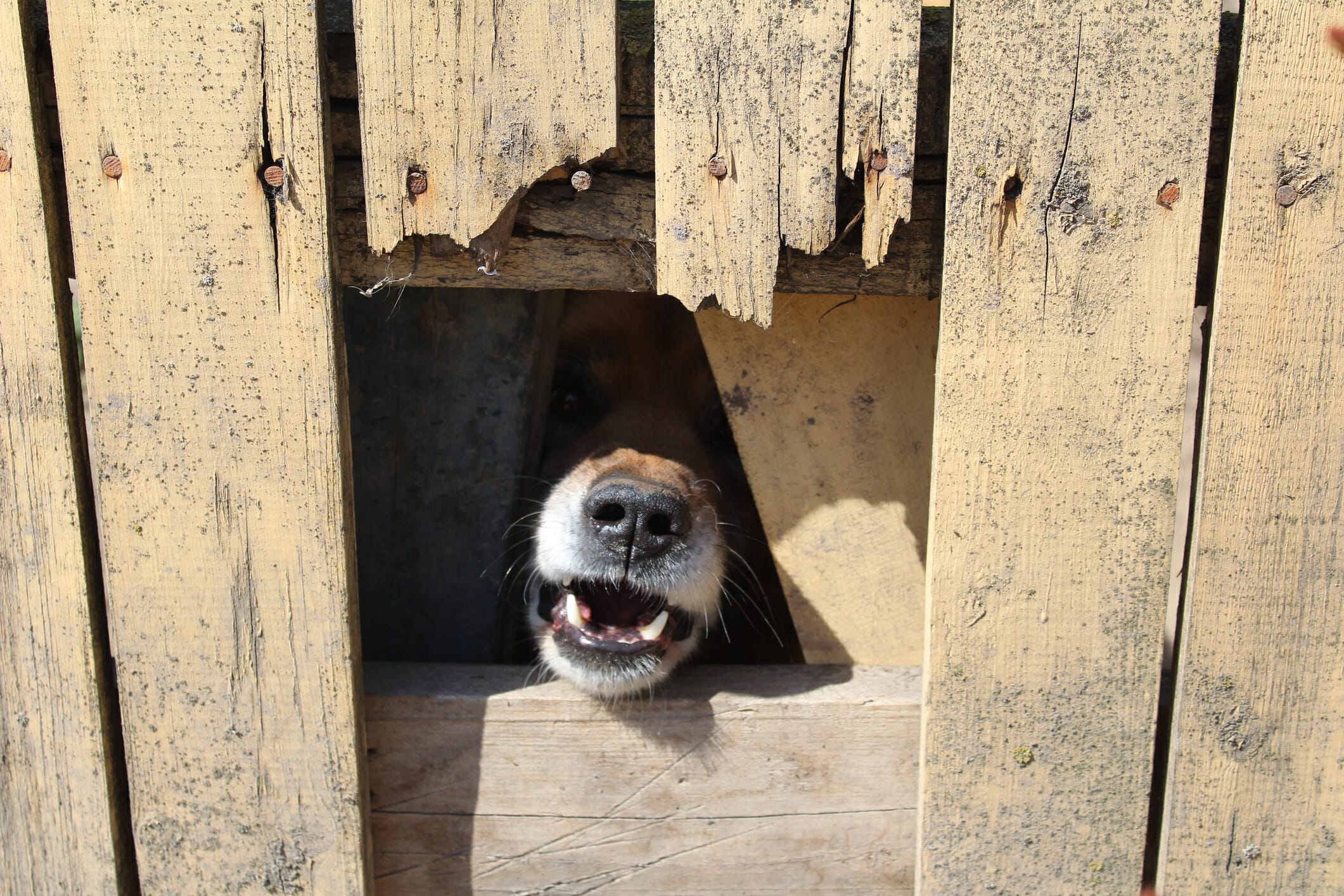
To block your dog’s view through a fence, cover the see-through parts with a privacy screen, vinyl privacy slats, or reed or bamboo rolls, or plant a dense hedge along the fence line. For a permanent fix, replace see-through sections with solid wood or vinyl fencing. When your dog can’t see passing people, dogs and animals, there is far less to bark at.
Does your pup bark endlessly at animals or people on the other side of the fence? This can be an inconvenience for your neighbors and may even lead to complaints. In this blog post, we will discuss how you can use fencing materials or plants to create an effective visual barrier, and how to combine it with a little training to reduce or even stop those unwanted barking sessions.
6 ways to keep dogs away from fence
Do you have a pup that gazes through the wide gaps in your fence? Don’t worry, here are some incredible tips to help visually block them from seeing what lies beyond:
1Plant thick shrubs or tall hedges
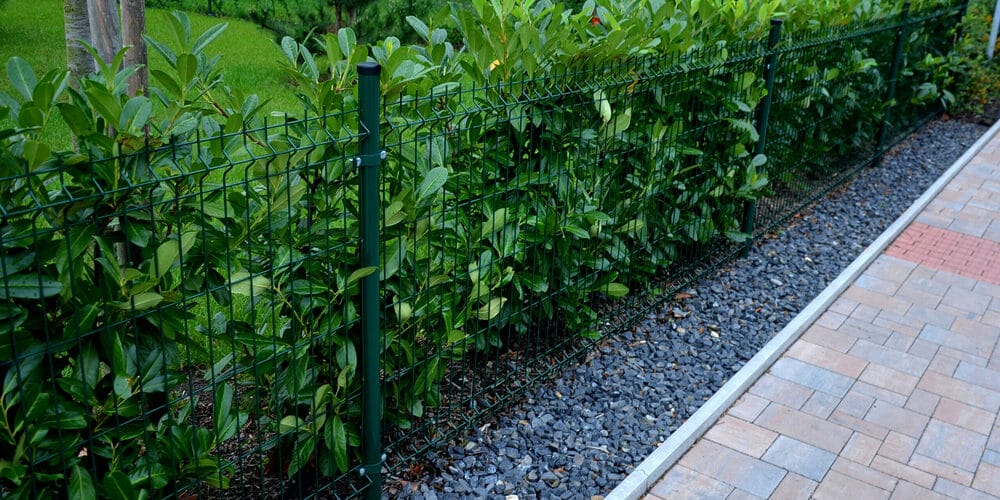
If you’re looking for a way to ensure privacy in your small garden, planting shrubs or hedges near the fence line is an ideal solution. These plants create a thick screen between your dog and the other side of the fence.
They are visually appealing and can soften some noise too. Keep in mind that hedges take a few seasons to fill in and need regular trimming. Choose dog-safe plants and avoid toxic ones like yew, oleander, and cherry laurel, especially if your dog likes to chew on greenery.
2Use vinyl straps for a quick fix
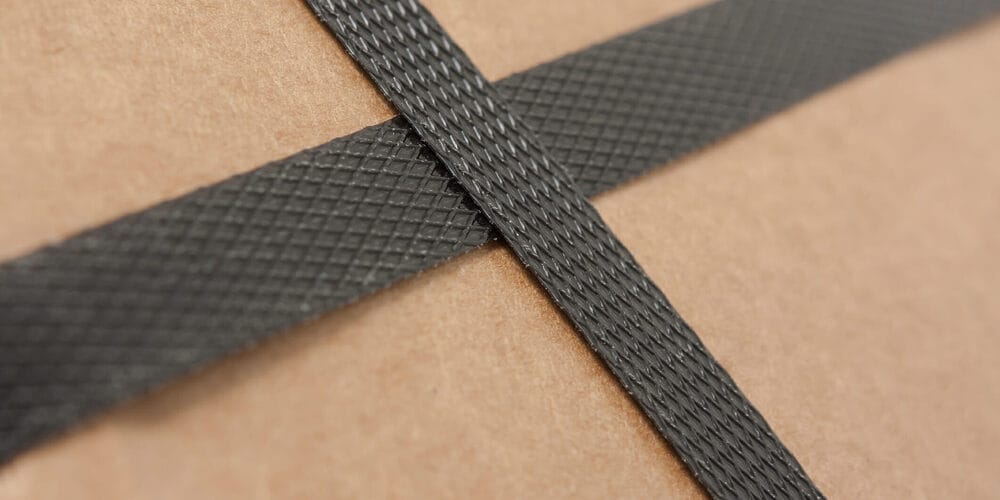
If you have a long fence line, or you don’t have the time or patience to plant shrubs and maintain them, you can opt for a simpler quick fix.
Vinyl privacy straps (also called slats) are an excellent choice for chain-link fences, as they’re easy to install and come in various colors and designs. You simply weave the straps through the mesh and secure them with the included clips, zip ties or screws, and you’re done! Check them now and then, as a determined dog may try to pull them out.
3Trellises and lattices
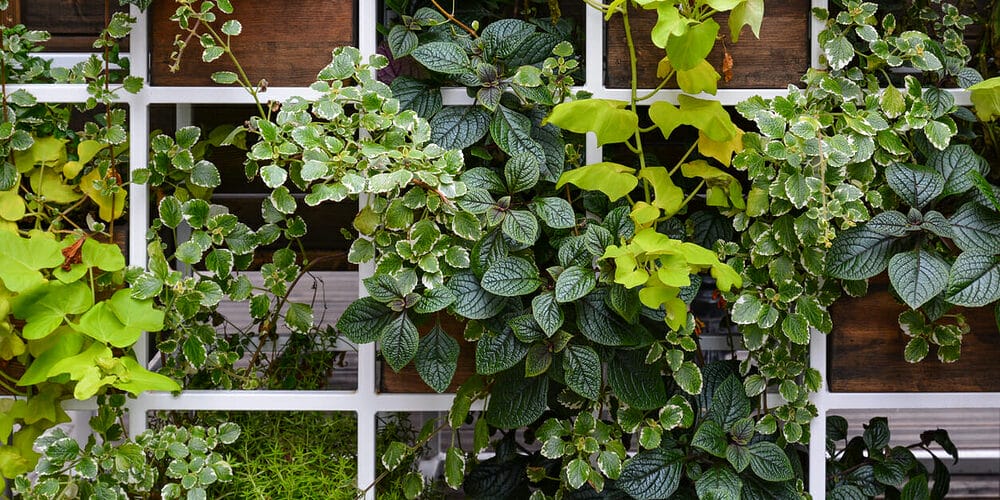
If you’re looking for a way to spruce up your fence line with an aesthetic touch, trellises or lattices are perfect. On their own they are still partly see-through, but once you grow dense climbing plants over them, they add a beautiful touch of greenery while providing effective coverage.
They also provide privacy without completely blocking the sun’s rays, so you can enjoy your outdoor area in peace while your pup has less to react to. Choose a tight lattice pattern, as wide openings still give your dog a view.
4Consider adding a privacy fence screen for dogs
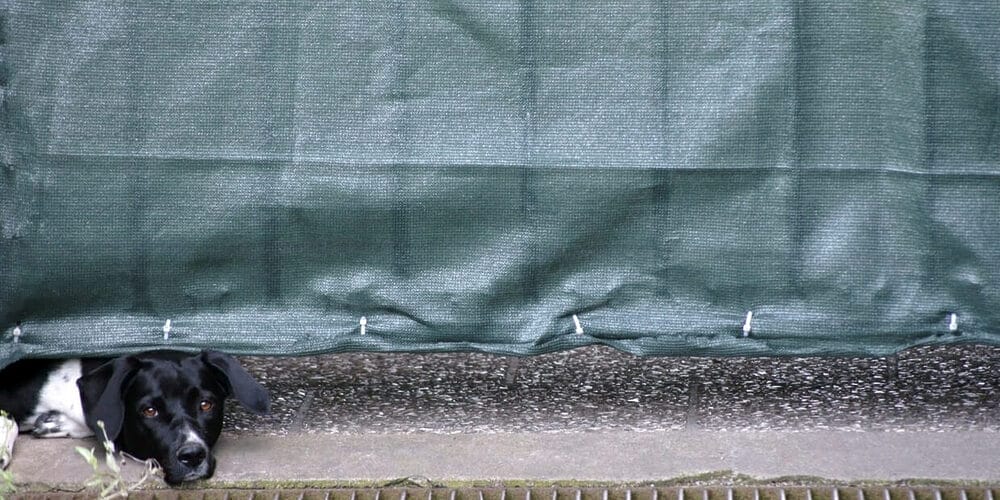
Installing a privacy screen along your fence is one of the easiest ways to get complete coverage. Fabric mesh screens block most of the view while still letting some air through, and you can also choose reed or bamboo rolls, or faux-ivy screens that add some greenery to your garden. With options in all shapes, sizes, and styles available, it’s easy to find one that fits your outdoor space. Attach it securely on the outside of the fence or high enough that your dog can’t chew or tear it.
5Using Craft Sticks to Fill Fence Gaps
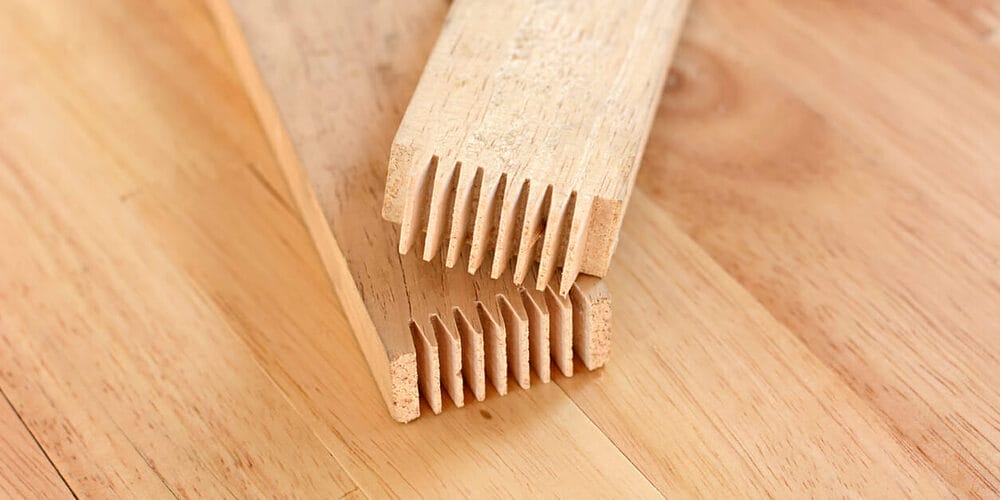
Another quick method to prevent your dog from peering through narrow gaps between fence boards is by using craft sticks or thin wooden strips. Glue or nail them over the gaps, making sure that the space is completely covered.
This is a cheap way to patch up small gaps and stop your pup from getting a good view of the other side. For wider gaps, use proper fence boards or battens instead, and skip this method if your dog is a chewer, since loose sticks can splinter and be swallowed.
6Install Opaque Fencing for Maximum Coverage
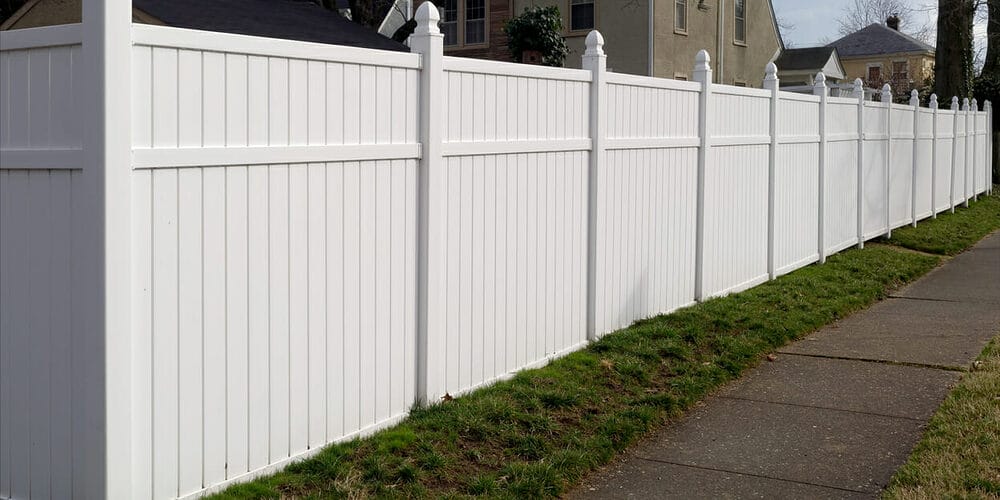
If you crave a more long-term solution, opaque fencing is your answer. These fences are usually made of vinyl or wood with no gaps between the boards, ensuring complete privacy in the backyard.
This way, there’s nothing for your pup to observe beyond the fence line! Better yet, these opaque fencing solutions have an array of design choices that perfectly match any garden aesthetic out there!
Additional tips for dog-proofing your fence
Besides filling the gaps between your fence posts, you may want to dog-proof your fence in other areas, too, such as avoiding chewable wood posts or adding a fence topper. Here are some tips to help you out:
1Choose your fence material wisely
When erecting a fence for your furry family member, consider the materials used cautiously. Take into account their natural instinct – as most dogs love to chew – and choose hard materials wisely. Whether metal or vinyl, these materials provide excellent protection from canine toothmarks that can potentially reduce its structural integrity. Our guide to vinyl fencing for dogs covers the pros and cons in detail.
If your pup has a strong bite, metal fencing is guaranteed to be far more durable than softer materials such as wood. Ultimately, it’s important to consider the possibility of destruction when selecting what type of material you should use for your fence!
2Place a fence topper
A fence topper is an effective way to add an extra layer of security. This can be in the form of a short fence extension, an inward-angled topper, or a roller bar, which are designed to keep your dog safely confined within the boundaries of your fence. Some toppers also make it harder for other animals to get into your yard.
3Adding height
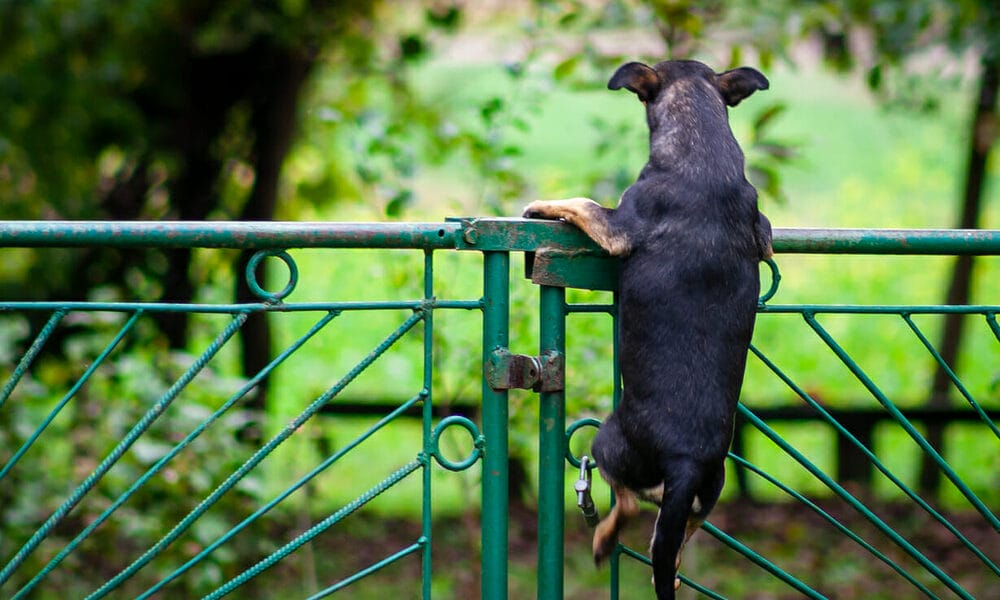
Adding some extra height will make it more difficult for your pup to jump over the fence. If you have a taller dog breed, consider building a 6-foot fence instead of the standard 4-foot one. This extra layer of security will ensure that your dog stays put, giving you peace of mind. For more tips, read how to keep your dog from jumping the fence.
4Avoid sharp edges
To protect your pup from injury, make sure the top of your fence is free of sharp edges. Opt for materials like vinyl or metal that are smooth and contain no protruding parts. That way you can ensure a safe boundary for when he wants to take a leap!
5Combine it with training
Blocking the view removes most triggers, but your dog may still bark at sounds. A few habits help:
- Supervise yard time at first and call your dog away from the fence before the barking starts, rewarding them for coming to you.
- Reward quiet behavior near the fence with treats or play.
- Make sure your dog gets enough exercise and mental stimulation, as bored dogs bark more.
- Don’t leave your dog alone in the yard for long periods, where fence patrolling can become a habit.
Final thoughts – No more barking!
When it comes to finding a solution for the spaces between your fence, you have many choices. Plant shrubs or hedges, install privacy screens, slats or trellises, or patch small gaps: all are effective ways of stopping your pup from watching (and barking at) everything on the other side. With so many options available at your disposal, there is no shortage of ideas on how to keep Fido safe and sound!
If relentless barking noises have been bothering you, this guide is sure to help put a stop to them. With the proper solution in place, one can bid adieu to any undesired disruptions and savor more tranquil outdoor moments with their pup. If the barking continues indoors, the best soundproofing materials to block dog barking can help.
Get The Ideal Dog Routine, free
A 10-page guide written by a vet: a sample daily routine, exercise and alone time, and grooming and vet check schedules.
We'll email you the download link. Unsubscribe anytime.