9 Tips On How To Keep Dogs Out Of Vegetable Garden (2026)
 Written by Tim de Jong
As an Amazon Associate we earn from qualifying purchases, at no extra cost to you. Disclosure
The most reliable way to keep dogs out of a vegetable garden is a physical barrier: a fence tall enough that your dog can't jump it, buried a few inches deep so they can't dig under, or raised beds and a greenhouse. Scent deterrents like citrus peels or a dog repellent spray can help on top of that, combined with supervision and giving your dog an area of their own.
Dogs are natural-born explorers, and a vegetable garden full of soft soil and interesting smells is hard to resist. Keeping them out also protects your dog, since some garden plants are toxic to dogs. Here are 9 tips that will help.
How to keep dogs out of vegetable garden?
1Put up a fence
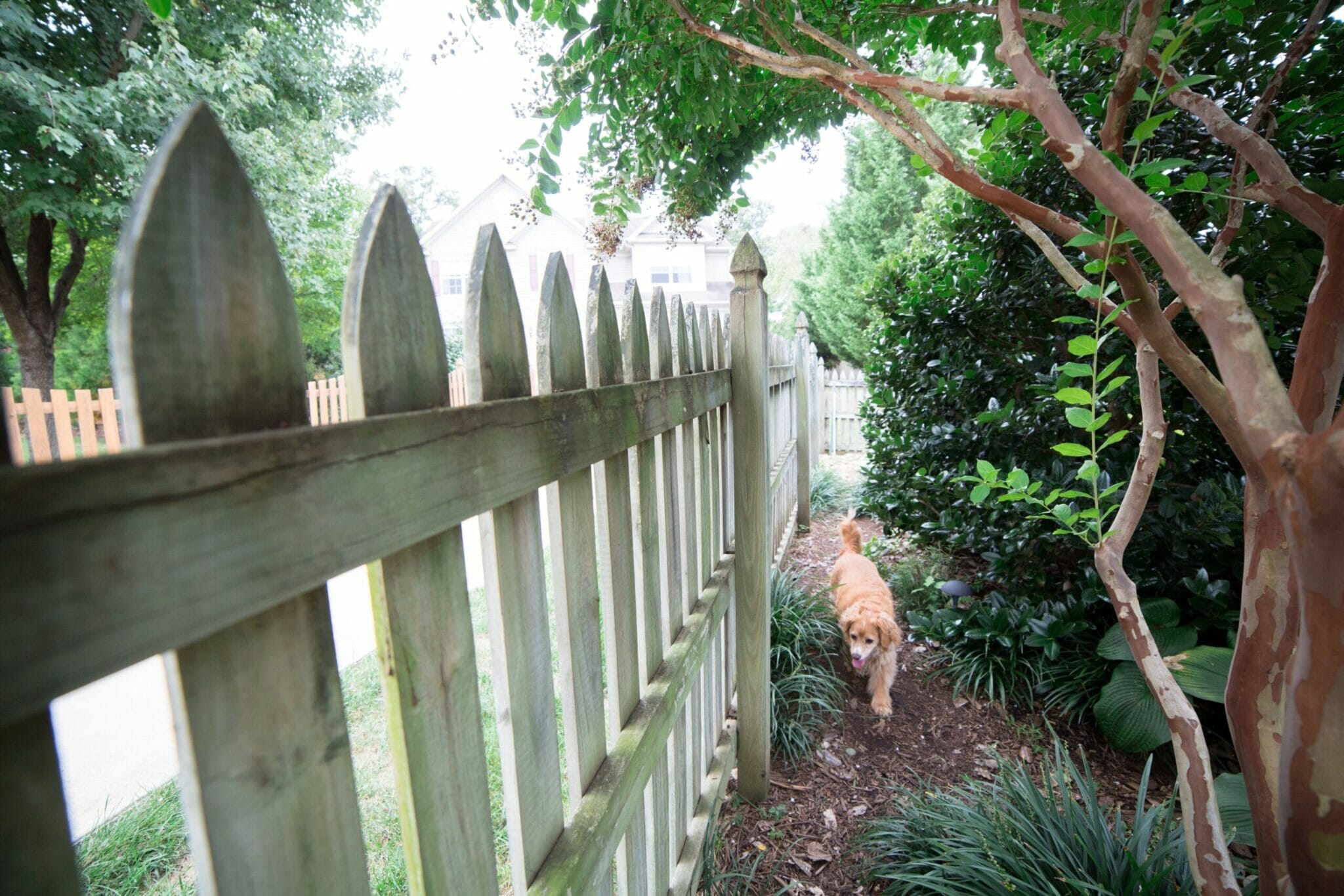
If you want to keep your dog out of your garden, the most effective solution is to put up a fence. Make sure the fence is tall enough that your dog cannot jump over it, and bury the bottom of the fence a few inches into the ground to prevent digging. We share more ideas in the cheapest ways to keep dogs from digging under the fence.
You may also want to consider adding a gate to the fence so that you can easily enter and exit the garden without having to worry about your dog getting out. If you only need a barrier for the growing season, see our picks for the best temporary fence for dogs.
2Build a dog path
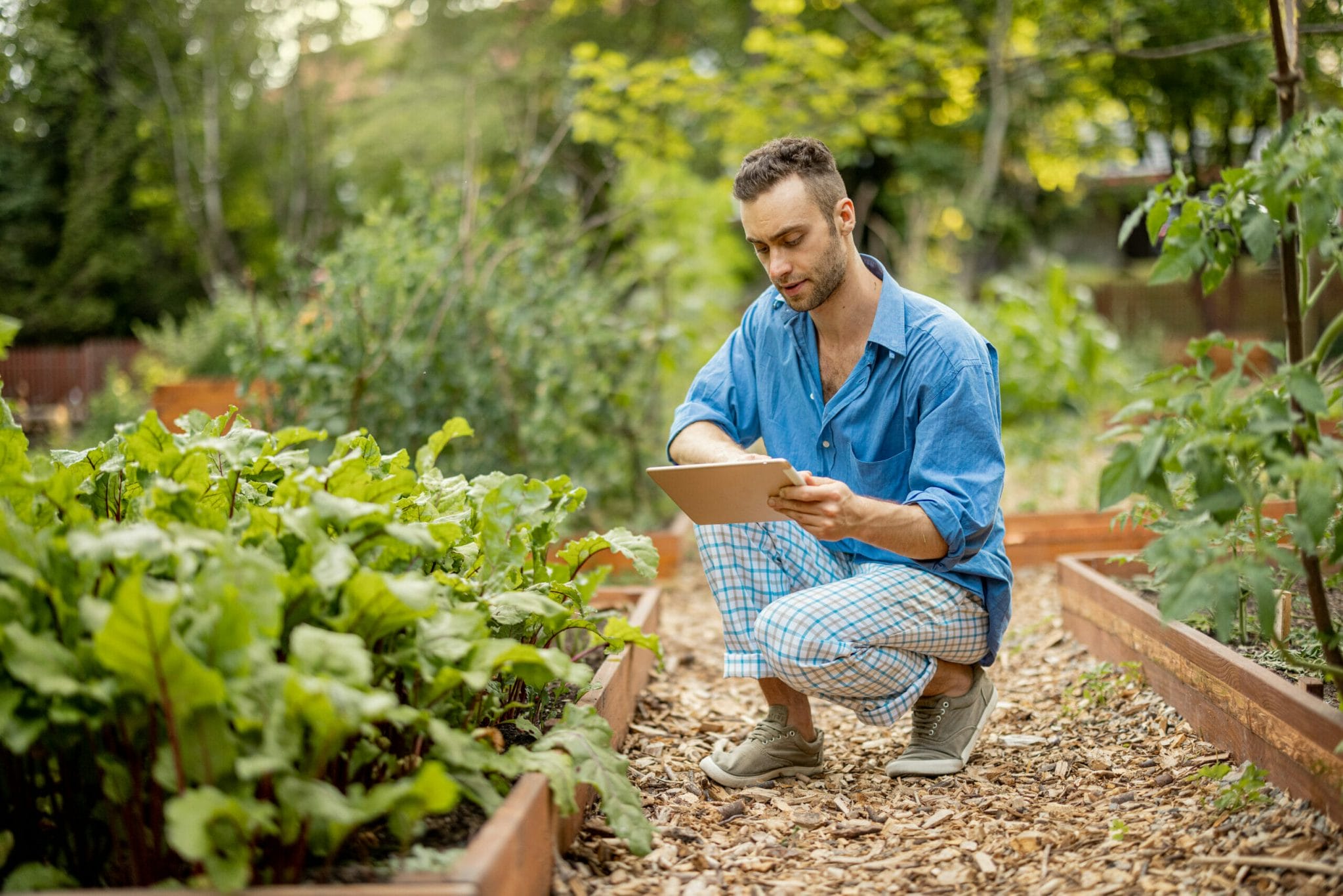
Besides a fence, another option is to build a designated path for your dog to use when they need to go outside. This can be done by creating a gravel or mulch path around the perimeter of your garden.
This works best if your dog also has a spot of their own, such as a patch where they're allowed to dig or a sandbox with toys buried in it. Reward them for using their own areas, and if your dog still persists in walking through your vegetable garden, you may need to consider other options.
3Use a greenhouse
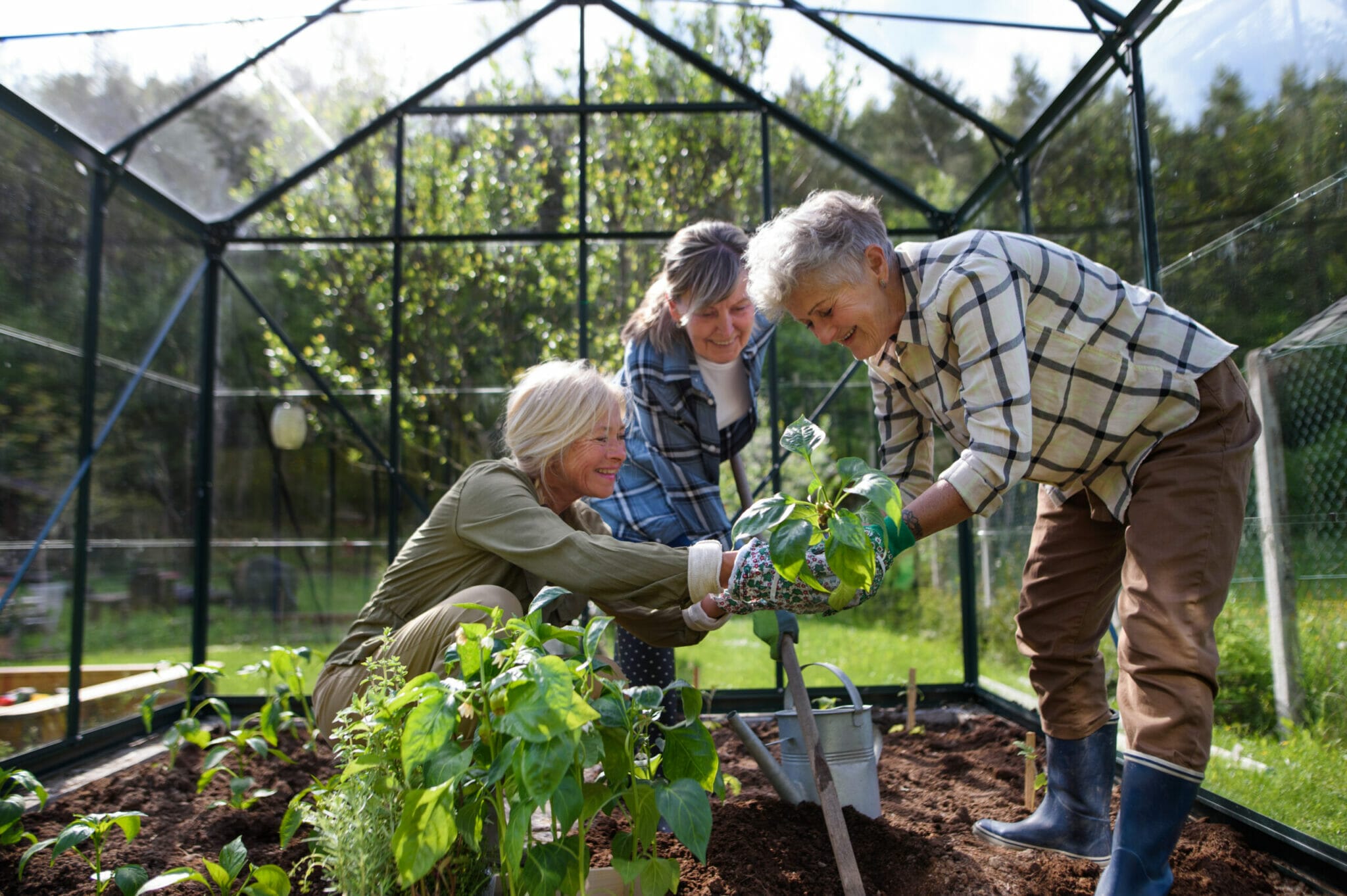
A greenhouse is a great way to create a safe space for your plants, and keep dogs out. There are many benefits of using a greenhouse, such as extending the growing season and protecting your plants from bad weather.
Greenhouses can also be used to create a microclimate, which can be beneficial for delicate plants that require specific conditions. If you live in an area with harsh winters, a greenhouse can also help to protect your plants from the cold.
In addition, greenhouses can help you to control the level of humidity, and allow you to water your plants more efficiently.
Overall, using a greenhouse can be a great way to provide optimal conditions for your plants and keep your dogs out of your vegetable garden.
4Using Ammonia
Ammonia is often suggested as a dog deterrent because of its strong smell, but we don't recommend it. Never spray it on your plants, as it can burn the leaves and contaminate the vegetables you plan to eat. Ammonia fumes can also irritate your dog's eyes, nose and airways, and because urine contains ammonia, it may even encourage some dogs to mark the area.
If you still want to try a strong-smelling barrier, the gentler options below are a better choice.
5Make use of vinegar
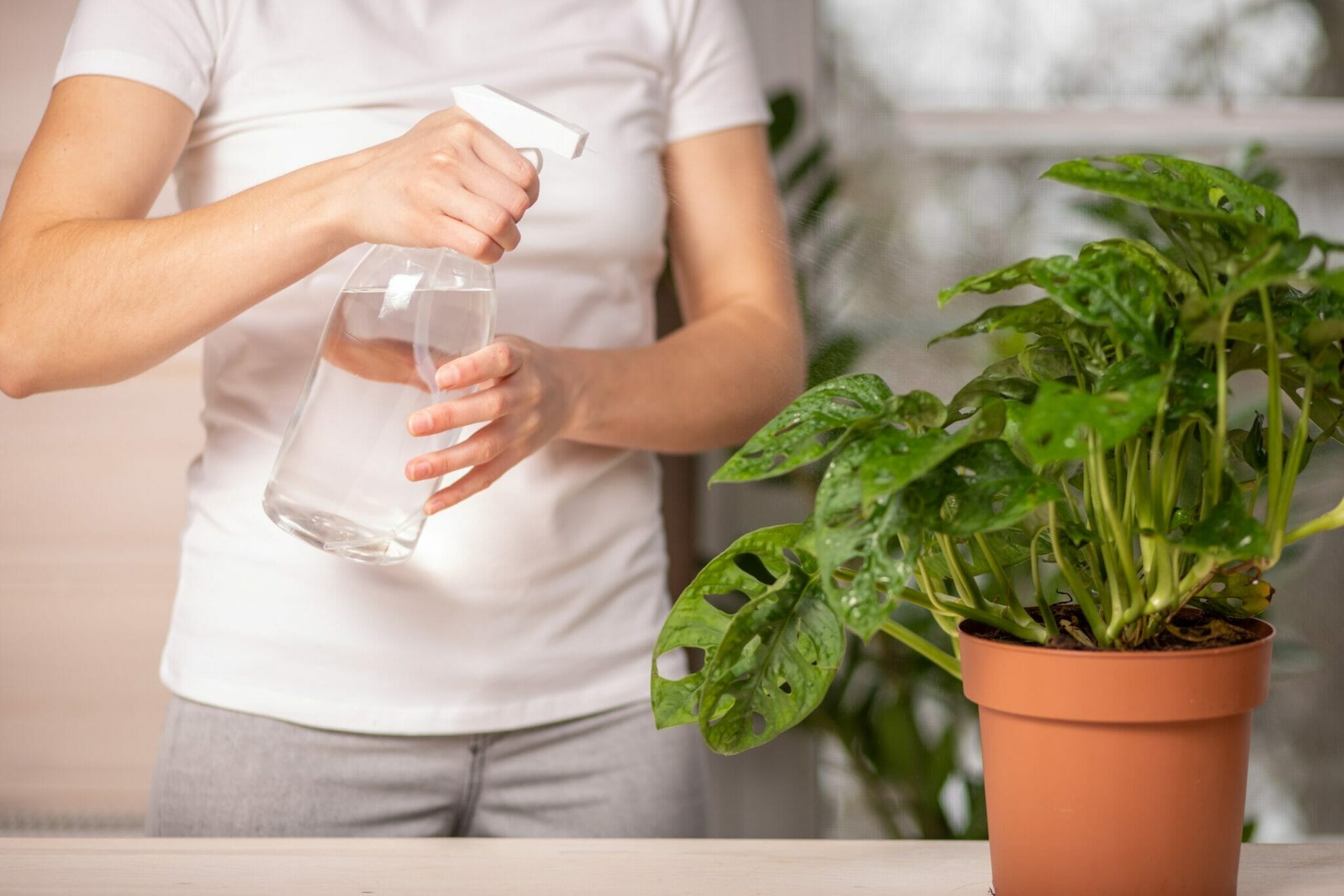
Vinegar is another way to keep dogs out of your garden. The strong smell of vinegar can deter dogs (and other animals) from entering the area. Spray a solution of half water and half vinegar on fence posts, stones or a border around the perimeter of the garden.
Don't spray vinegar on your vegetables or the soil around them, though; vinegar is acidic and is even used as a weed killer, so it can damage your plants. You'll need to reapply it after rain.
6Smell of Citrus
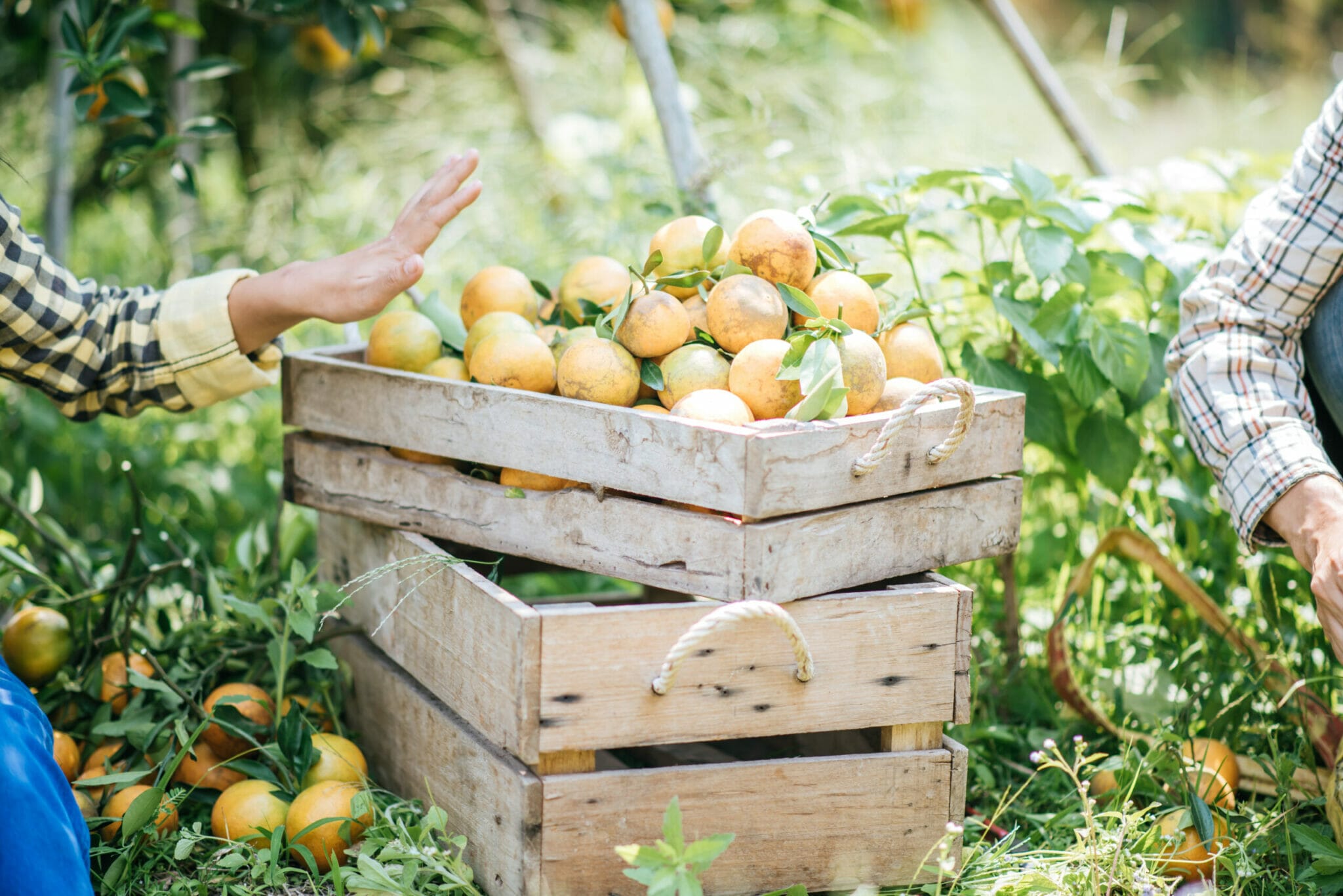
Citrus fruits, such as lemons and oranges, have a strong smell that dogs do not like. You can use the peel of these fruits to deter dogs from entering your garden. Simply sprinkle the peels around the perimeter of the garden or on the plants themselves.
Avoid using concentrated citrus essential oils, however. Essential oils can irritate a dog's skin and can be toxic if licked or absorbed in large amounts.
7Chili peppers
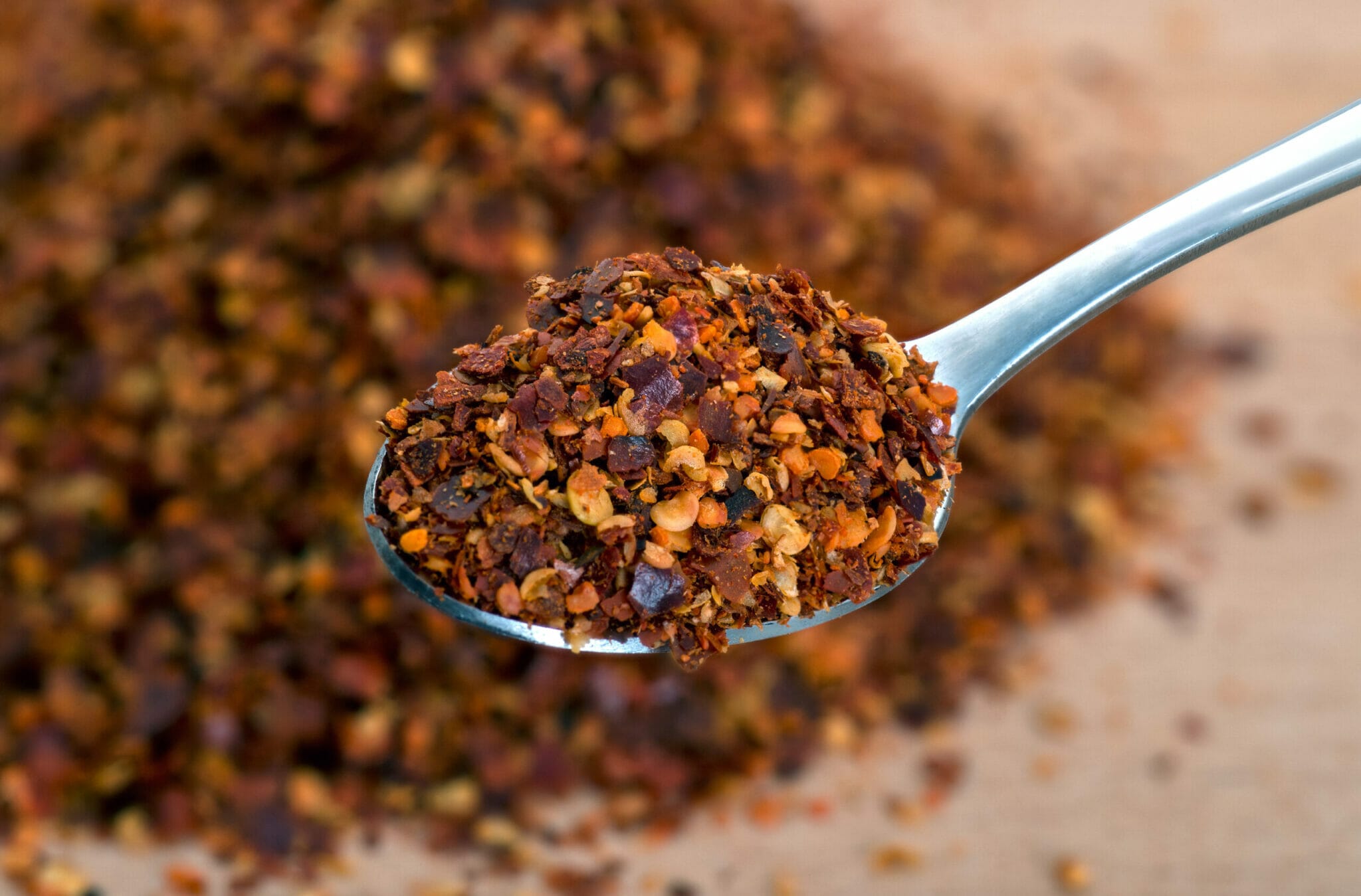
Chili peppers contain a substance called capsaicin, which gives them their spicy flavor. This substance is also an effective repellent for dogs (and other animals).
Some gardeners sprinkle chili powder around the edge of the garden to create a spicy barrier. Be careful with this one: if your dog sniffs, rolls in or steps in it, chili powder can cause painful irritation to their eyes, nose, mouth and paws. If you try it, use only a little along the outer border, never on the plants you'll eat, and stop if your dog seems uncomfortable. A commercial repellent made for dogs is usually a safer choice.
8Mustard flakes
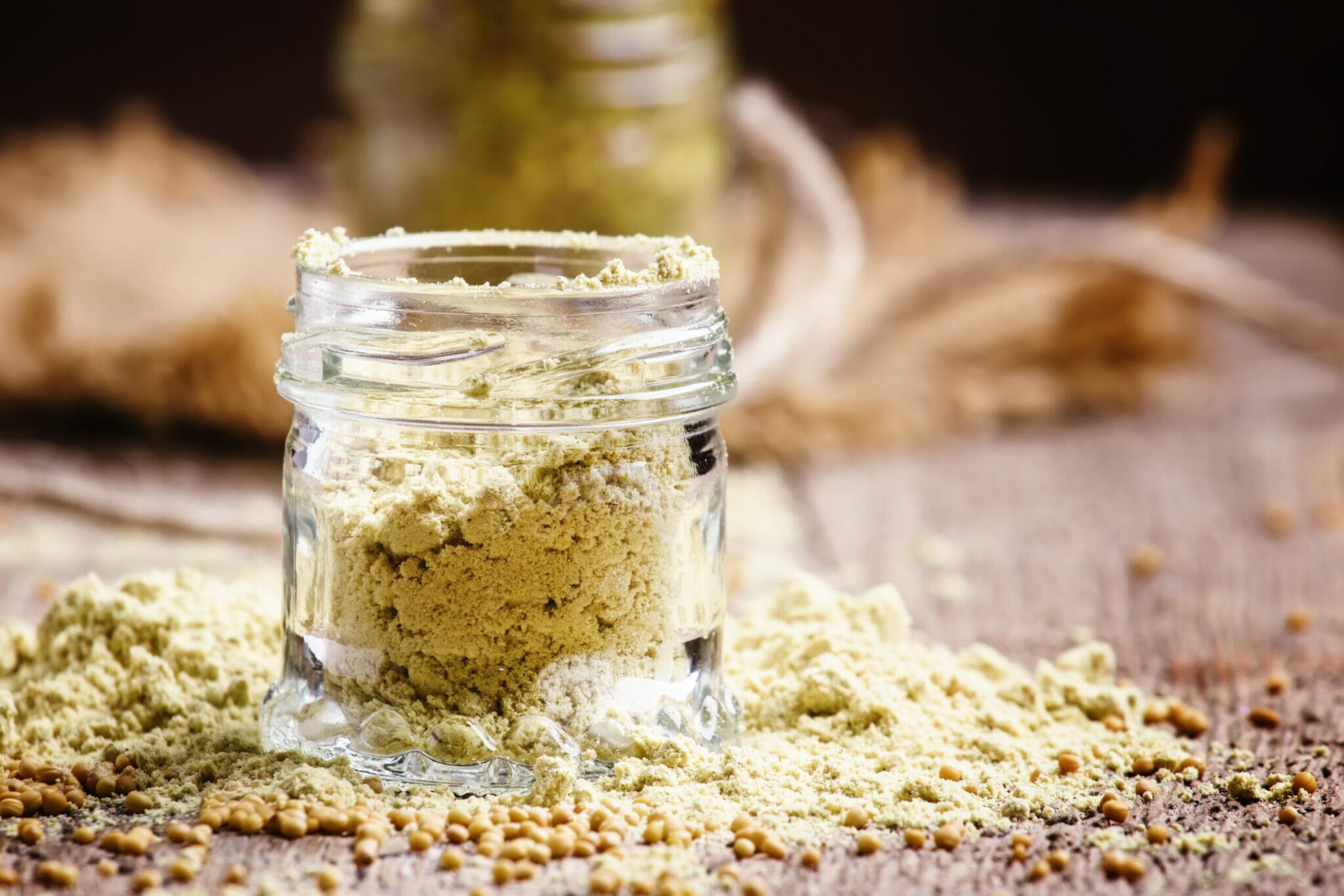
Mustard flakes are another option. The strong smell of mustard is off-putting to many dogs, so they may avoid areas where mustard is present. Sprinkle a small amount around the perimeter of your garden. Mustard can make dogs vomit if they eat a lot of it, so don't use it if your dog tends to eat things off the ground.
If you have a particularly persistent problem with dogs in your garden, you may want to try using a combination of different dog repellents to create a barrier that will deter even the most determined pooches.
Use dog repellent sprays

There are a number of commercial dog repellent sprays available on the market. These sprays contain scents or bitter ingredients that dogs dislike, which can deter them from entering the area. Choose one that is labeled safe for use around pets and plants, and follow the instructions on how often to reapply.
Final thoughts on how to keep dogs out of vegetable garden
There are several different ways that you can keep dogs out of your vegetable garden. By using one or more of the methods described above, you can create a safe space for your plants and deter dogs from entering the area. If your dog is going after flowers rather than vegetables, read how to keep your dog from eating your rose bushes.
Keeping your dog out matters for their safety too. Onions, garlic, leeks and chives are toxic to dogs, as are grapes, and the leaves and stems of tomato plants and rhubarb leaves can make them sick. Slug pellets and cocoa bean mulch are also dangerous. If your dog has eaten something from the garden and starts vomiting, has diarrhea, drools excessively or seems weak, call your vet.
Remember, it is important to be consistent with whichever method you choose. If you only use the repellent occasionally, dogs will still walk through your vegetable garden. However, if you use the repellent consistently, dogs will learn to stay away from your garden.
Get The Ideal Dog Routine, free
A 10-page guide written by a vet: a sample daily routine, exercise and alone time, and grooming and vet check schedules.
We'll email you the download link. Unsubscribe anytime.