Can You Put Dog Poop in the Green Bin? (Manage Your Pup’s Waste)
 Written by Tim de Jong

It depends on where you live. Some cities, such as Toronto, accept dog poop in their green (organics) bin because their large-scale facilities can process it, but many councils do not allow pet waste in food or garden waste bins at all. Check your local council's waste guide before you start; if pet waste isn't listed as accepted, bag it and put it in the general trash instead.
Scooping the yard is a never-ending job for any dog owner, so it's worth knowing the best way to get rid of it. In this article, we’ll dive into when you can put your dog’s poop in the green bin, and how to do it properly. Plus, look forward to other helpful tips we’ve compiled to make canine dung disposal a whole lot easier.
Can Dog Poop Really Go in the Green Bin?
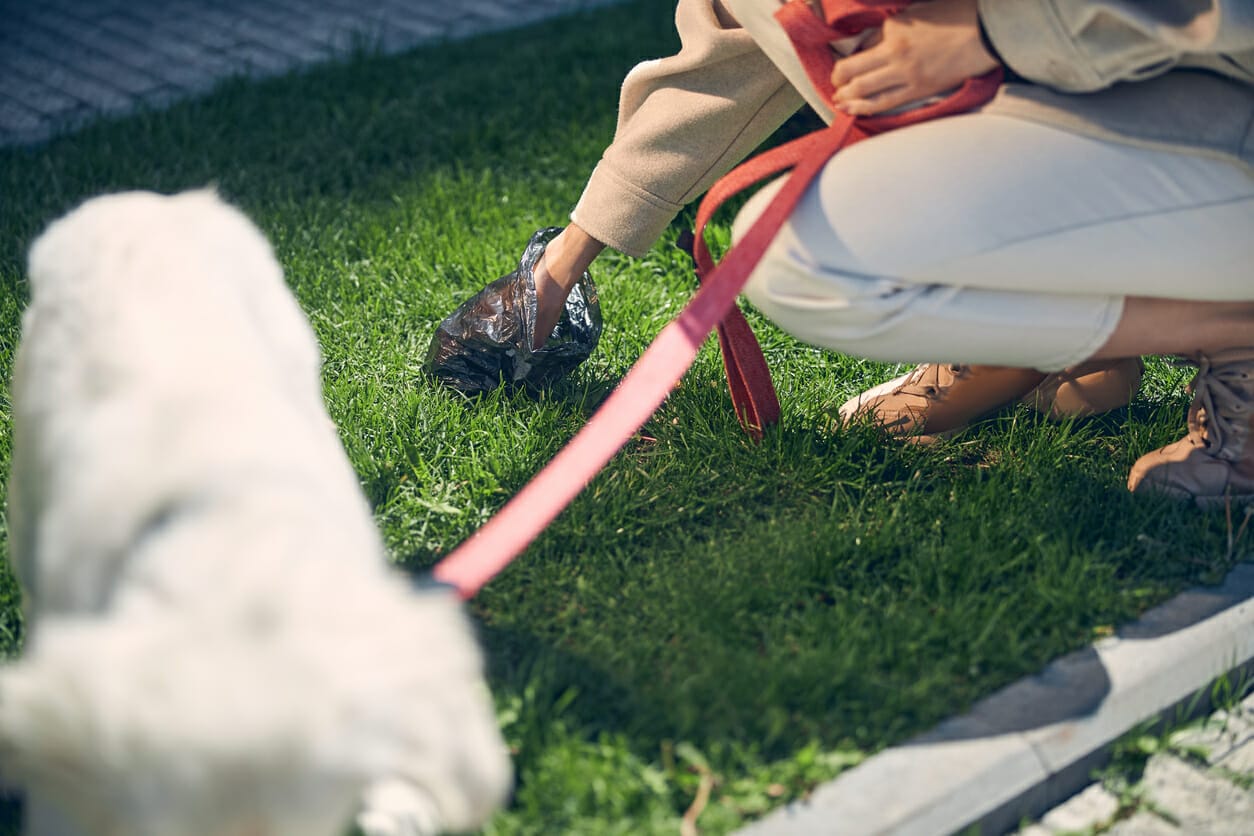
Are you a dog owner striving hard to become more environmentally conscious? Maybe you’re looking for eco-friendly ways to dispose of your pup’s business besides using tons and tons of plastic bags. In some areas, you can go green by throwing your pet’s poo in the green bin.

Whether you can put your dog’s poop in the green bin depends entirely on your local program. These bins are also known as composting or organic waste bins, and they’re used to collect biodegradable materials, such as food scraps and garden waste.
Some programs, like the City of Toronto's Green Bin, accept pet waste because their facilities process the material in a way that deals with the bacteria and parasites in it. Many others, including a lot of UK and Australian councils, ask you to keep dog poop out of the garden or food waste bin, because their composting process isn't designed for it and the compost may be used on farms or gardens. Putting it in where it isn't accepted can contaminate a whole load.
If your program does accept it, you should still be mindful of how you put your pet’s waste in the green bin. Follow your council's instructions first; as a general guide: Learn how to do so by reading the tips below:
How You should Throw Away Dog Poop In A Green Bin
- Wrap your dog's poop securely in newspaper or a certified compostable poop bag, if your council allows them
- Avoid regular plastic bags unless your program specifically accepts them, since they can cause contamination problems
- If pet waste isn't on your council's accepted list, put it in the general waste bin instead
Alternative Dog Poop Waste Management Tips
Putting your beloved pet’s poop in the green bin is a great way to be more environmentally friendly. However, there are times when trash cans designated for organic waste are unavailable in your area. What will you do, then?
We’ve anticipated this scenario, so you don’t have to stress yourself out. Read on to find other ways to dispose of your pup’s poo without compromising Mother Earth.
Worm Farming

When it comes to being an uncommon waste disposal method, worm farming definitely takes the cake. But don’t let this stop you from trying out this process – it’s one of the best ways you can do to dispose of dog poop. Why?
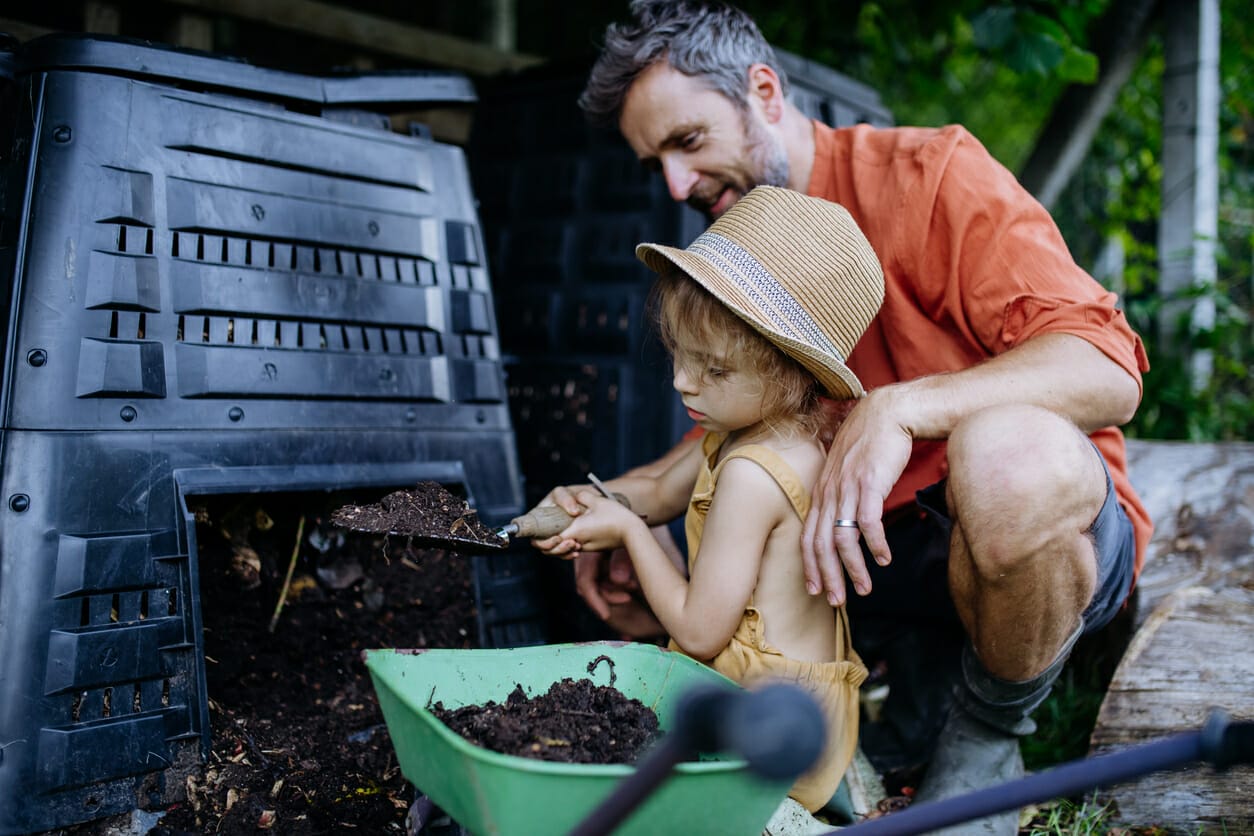
Because as the name suggests, this process utilizes worms to break down your dog’s excrement. These worms gradually break down the waste while providing vitamins and minerals back into the soil. Plus, they also produce worm castings, which are biologically-beneficial soil products on their own. The result is a nutrient-rich compost that you can use to plant the loveliest gardens!
To help you start a worm farm to dispose of your canine’s poop, check out the basic process below:
Worm Farming Process in 6 Steps
- Find a shady place to position your worm bin. Remember not to put it under direct sunlight, as worms thrive in a cool environment
- Get hold of worm bedding and add enough to the bin. Ensure you sprinkle the right amount so your bin won't overflow and your worms have enough room to dig around
- Gently place your worms in their new habitat. Use composting worms rather than garden earthworms - red wigglers (Eisenia fetida) and redworms (Lumbricus rubellus) are the most common choices
- Over the next few weeks, you can slowly add dog manure into your worm bin. Don't put too much at first, though; worms can only process a limited amount each day. Skip poop from the first few days after your dog has been dewormed, as the medication can harm your worms
- Cover your worm bin with damp newspaper, carpet, or cardboard to keep a moist environment
- Once you've seen several layers of compost stacked in your worm farm, it's ready to be removed. Keep a dog-poop worm farm separate from your kitchen-scrap one, and only use the castings on ornamental plants, never on fruit or vegetables
Dog Waste Digesters

This do-it-yourself waste disposal system is yet another great alternative to green bins. This is especially the case if you have several dogs around or if you want a long-term method to handle your pet’s poop. It’s also ideal if you possess a plot of land with free-draining soil.
Basically, dog waste digesters are loos sunken into the earth. It’s filled to the bottom with gravel or stones that serve as a drainage system. Think this sounds intimidating and hard to do? Well, you couldn’t be any more wrong.
All you need to do is dig a large pit, ideally a meter deep. You can create a bigger and deeper hole, especially if you’re a fur parent for several canines. Afterward, you can throw some gravel and a layer of small stones at the bottom, ensuring it won’t occupy too much space.
And there you have it – your pets’ personal waste digester. Don’t forget to add a dog loo activator once you’ve collected your dogs’ waste to speed up the breaking down process. Plus, throw in torn-up corrugated cardboard now and then to lessen the smell. Sawdust, leaves, and other organic materials can also prevent unpleasant scents.
Of course, remember to put in some cover to avoid your DIY disposal from closing in due to the elements. Once you’ve filled up your old hole, you can create a new one that will last you several years!
Bokashi System

If you’re looking for one of the quickest ways to dispose of your dog’s poop, then using the Bokashi system is the key. It’s a Japanese fermentation method that starts to convert your pet’s poop into a usable material within a couple of weeks, which is faster than most other composting methods.
The cherry on top is that you can do it without even making a dent in your budget. All you need is a Bokashi bin, an airtight bucket with a spigot on the bottom. This is available online, but you can create one if you’re feeling creative.
Here’s the brief Bokashi process to help you manage your pup’s waste easily:
Bokashi Process In 4 Steps
- Once you have your Bokashi bin on hand, add your canine's poop inside. You can include other organic waste so long as they're not moldy, like leftover food and fruit peels
- Afterward, add a Bokashi inoculant made of wheat germ, bran, or sawdust mixed with molasses and beneficial microbes
- Leave it in a place without direct sunlight and drain the bin every few days or so. The juice can be used as a fertilizer (not for edibles), so don't forget to collect them
- Once the bin is full, leave it sealed for around two weeks to ferment, then bury the mixture in a part of your yard away from vegetable beds and let it finish breaking down in the soil for a few more weeks
Voila! Your canine’s poop is on its way back to the soil. Don’t forget to repeat the step of adding the inoculant every time you throw in your beloved pet’s excrement. You can repeat the process as much as you need, but always drain the bin to prevent unwanted smells.
Think these are the only methods you can rely on to dispose of dog poop? Well, you have plenty more options to choose from, so don’t forget to manage your canine’s waste properly.
For instance, you can rely on several other ways of composting or flush the poo down in your toilet. There’s also the option of throwing it in an outdoor dog poop trash can and maybe even crafting your own septic tank.
FAQ – Frequently Asked Questions
You may have a few questions before we wrap things up; here are some of the most frequently asked:
Does Dog Poop Go in Compost or Garbage?
Dog poop can be composted, but not in your regular household compost bin. Most home compost piles don't get hot enough to reliably kill the bacteria and parasite eggs (such as roundworm) that dog poop can carry, so it needs its own separate system, such as a worm farm, Bokashi bin or dog waste digester, and the result should never be used on edible plants.
If you don't have a dedicated system and your green bin doesn't accept pet waste, bagging it and putting it in the garbage is a perfectly acceptable option. Use a bin with a tight lid so animals can't rummage through it.
How to Dispose of Dog Poop Without Maggots?
There are several ways to dispose of dog poop without maggots, most of them going the eco-friendly route. Pick up poop promptly, tie it in a bag or wrap it before it goes in the bin, and keep bins closed with a tight lid so flies can't lay eggs on it. You can also perform other waste disposal tricks at home, like building a Bokashi system or taking up worm farming.
Ensure you do all the steps correctly to avoid maggots from ever infesting your waste disposal system. Other options include throwing your dog’s poop in the toilet or exploring the different ways of making compost with it.
Is Dog Poop a Biohazard?
Dog poop isn't regulated as hazardous waste for households, but it shouldn't be taken lightly. The United States Environmental Protection Agency (EPA) lists pet waste as a source of water pollution, because rain washes it into storm drains, streams and lakes.
Dog poop can carry bacteria such as E. coli and Salmonella and parasites such as roundworms, hookworms and Giardia, some of which can make people sick, causing stomach cramps, diarrhea and other illnesses. That's why you should always pick it up, wash your hands afterwards, and never leave it to wash into waterways.
In Conclusion – Does Dog Poop Belong in the Green Bin?
So there you have it; the big question of whether dog poop can go into the green bin has been answered! You can throw it in the organic waste bin only if your local program accepts pet waste, so check your council's guidelines first. If it does, wrap it the way they ask; if it doesn't, use the general trash or a dedicated home system like a worm farm or waste digester.
Get The Ideal Dog Routine, free
A 10-page guide written by a vet: a sample daily routine, exercise and alone time, and grooming and vet check schedules.
We'll email you the download link. Unsubscribe anytime.