Accidentally bought large breed dog food: What to do?
 Written by Tim de Jong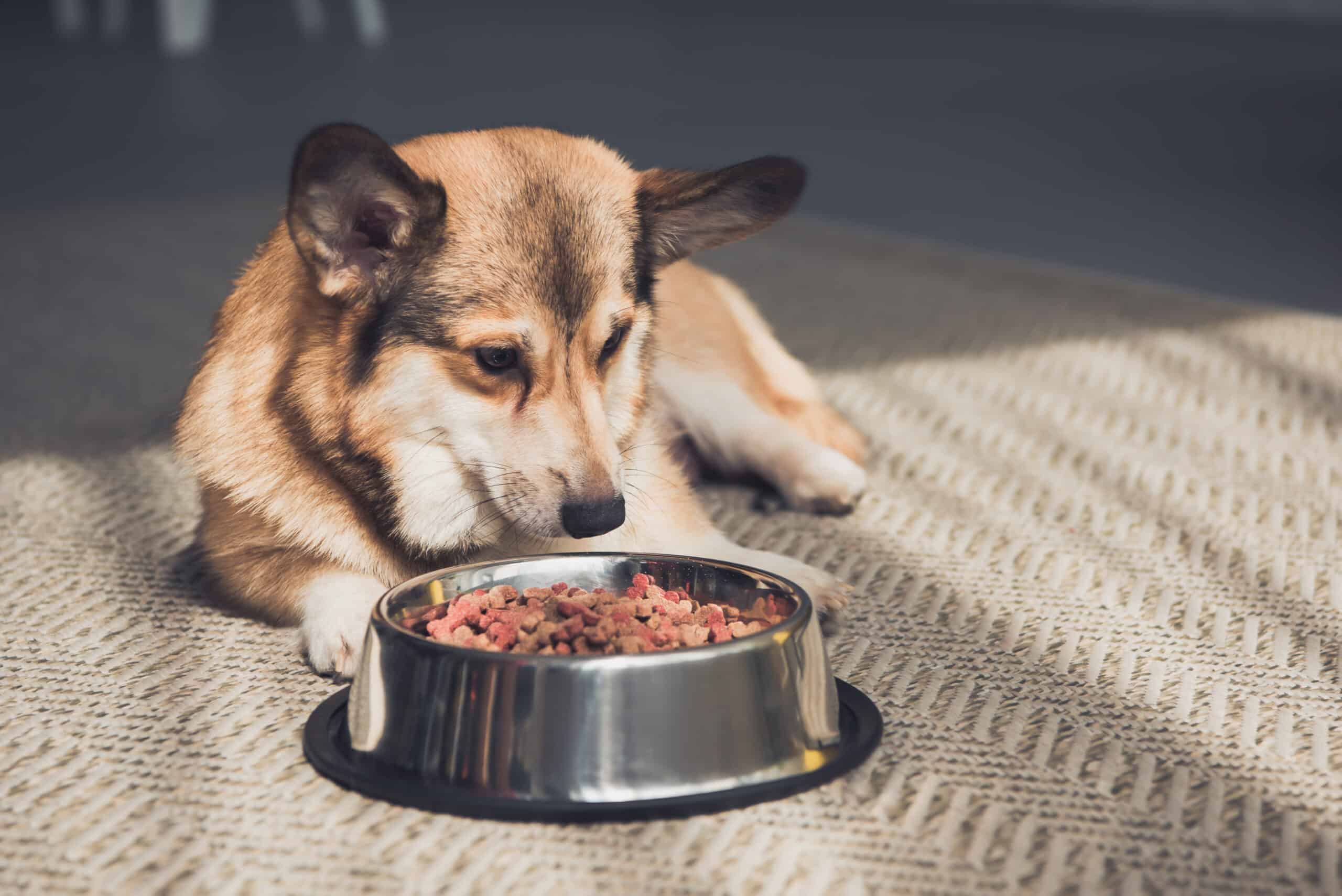
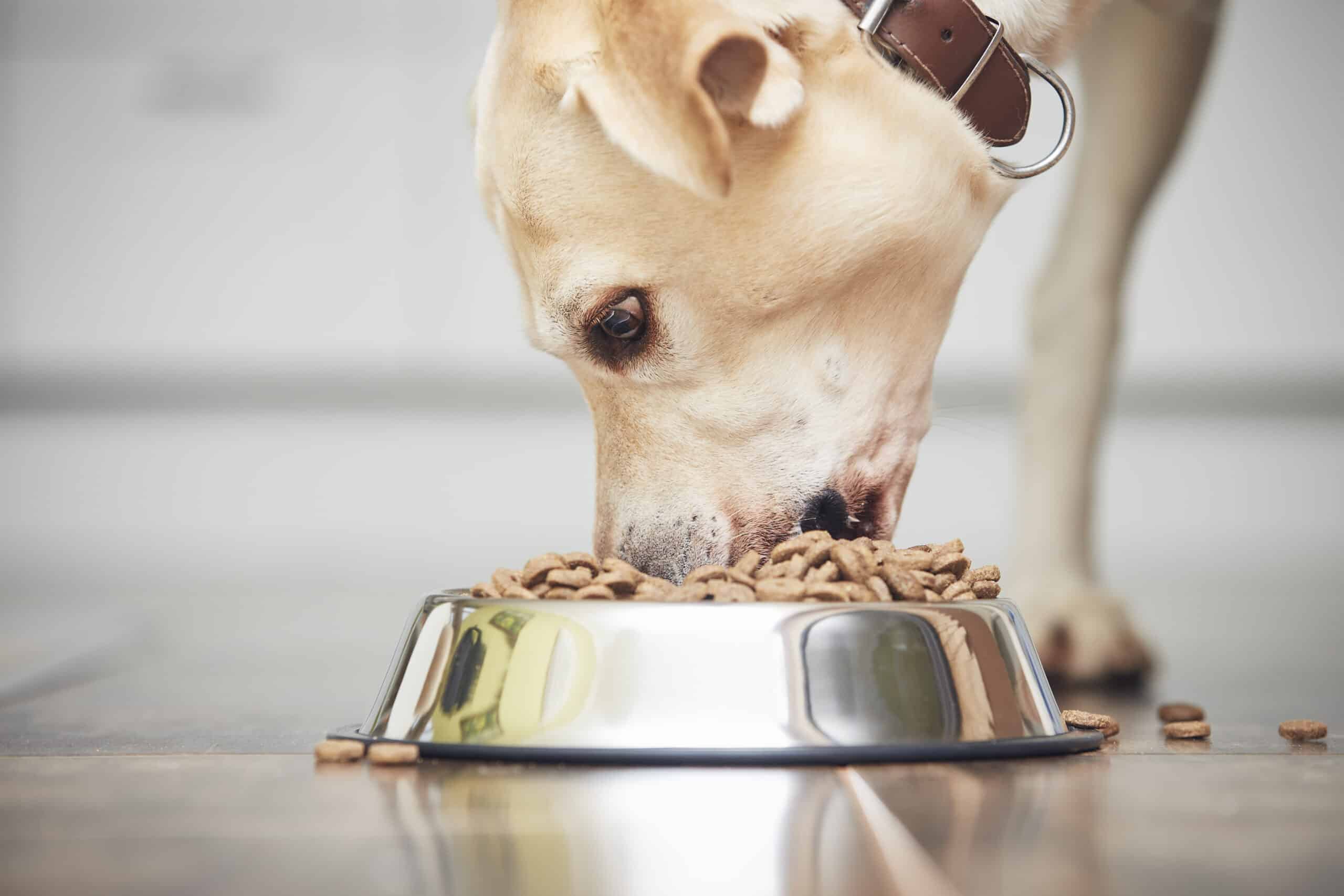
I'll be honest. I grabbed the wrong bag once. I was rushing through the pet store with my shopping list, saw "puppy food" on the label, and tossed it in my cart. It wasn't until I got home and my schnauzer was struggling to crunch through the massive kibbles that I realized I'd bought large breed formula instead of small breed.
It's a surprisingly common mistake, and while it's not a disaster, it's not ideal either. Large breed dog food is specifically formulated for dogs over 50 pounds with different calorie densities, calcium-to-phosphorus ratios, and nutrient profiles than what smaller dogs need. The kibble size alone can be challenging for little mouths.
Here's what I learned from my mistake and what you should know if you've done the same thing.
The problem with feeding large breed food to smaller dogs
The first thing I noticed was the kibble size. my schnauzer had to work way harder to crunch through each piece, and I worried about choking. But the real concern isn't just the physical size of the food.
Large breed formulas are designed with controlled calcium and phosphorus levels to support slow, steady growth in big dogs. For smaller breeds, the calorie density can be off, potentially leading to weight gain. I checked with my vet after my mistake, and she explained that while a few days won't hurt, long-term feeding could put extra strain on my schnauzer's joints and metabolism.
Plus, large breed food tends to be pricier per pound (you're paying for specialized nutrition your small dog doesn't need), so you're essentially wasting money.
Why it's important to get the right food for your dog
My schnauzer and fox terrier have completely different nutritional needs. not just because of their size difference, but because of their activity levels, metabolism, and life stages. When I first got my fox terrier as a puppy, I was meticulous about getting breed-appropriate food because his growth rate and energy requirements were vastly different from my adult schnauzer's.
Dogs need specific balances of protein, fat, carbohydrates, vitamins, and minerals. Too much protein can stress the liver and kidneys (especially in older dogs), while too little can lead to muscle wasting. Fat is crucial for energy and coat health, but excess can pack on pounds fast. I learned this when my schnauzer got a bit chunky from too many training treats.
The easiest way to get it right is to buy commercial food labeled for your dog's life stage (puppy, adult, senior) and breed size (small, medium, large, giant). When in doubt, ask your vet. I did after my large breed food mishap, and she helped me understand exactly what my schnauzer's body actually needs versus what marketing teams want me to buy.
What you can do with the large dog food
Here are a few ideas of what you could do with the large dog food:
1Feed it to your dog gradually
This is what I ended up doing. I mixed about 25% of the large breed kibble with my schnauzer's regular food and gradually used it up over two weeks. I monitored his weight and digestion carefully. no issues came up. This works fine for short-term use with a small bag, but I wouldn't recommend it long-term or with a puppy whose growth could be affected by improper nutrition.
2Use it as a training treat for your dog
For smaller dogs, you'd need to break the kibbles into smaller pieces, which is tedious. But if you have a medium or large dog (or know someone who does), a few large kibbles make decent low-value training rewards for basic commands. I've used them this way in a pinch for my fox terrier during casual training sessions at home.
3Give it to someone who has a large dog
I actually did this with half the bag. My neighbor has a Labrador, and she was happy to take it. It saved me the hassle of returning it and meant the food got used properly. Check your local dog park regulars or post in a neighborhood group. someone will likely be grateful for free dog food.
4Donate to a local shelter / rescue organization
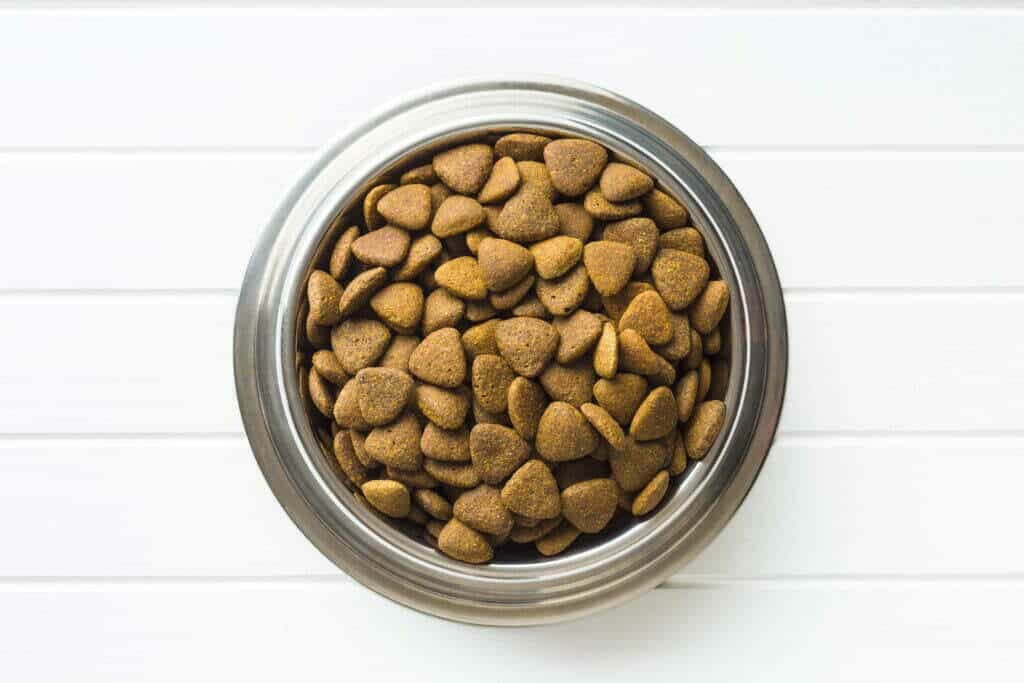
Shelters always need food, and large breed formula is perfect since many shelter dogs are medium to large breeds. I've donated unopened bags before (most shelters won't accept opened food for safety reasons, but some will if it's still sealed). Call ahead to confirm their policy.
5Take it back to the store
Most pet stores have reasonable return policies, especially for unopened bags. I've returned food to both big chains and local shops without issue. they'd rather exchange it than have you feed your dog the wrong formula. Keep your receipt and check within a few days of purchase for the easiest return.
FAQ
Is large breed dog food more expensive?
Yes, large breed dog food is often more expensive than regular dog food.
What are some of the common problems associated with feeding dogs the wrong food?
Some of the common problems associated with feeding dogs the wrong food include obesity, dry skin, hair loss, and muscle loss.
How can I make sure my dog is getting the nutrition they need?
The best approach to guarantee that your dog gets the nutrition it requires is to provide them with high-quality commercial dog food that has been developed specifically for their age and breed. If you’re stumped as to what diet is best for your pet, consult your veterinarian.
Conclusion
We all make mistakes. grabbing the wrong dog food isn't a catastrophe, but it's worth correcting. After my mix-up with my schnauzer, I learned to slow down and double-check labels before checkout. Large breed formulas won't poison your small dog, but they're not nutritionally optimal for long-term feeding.
If you've already opened the bag, gradually mix it with the correct food and use it up over a week or two. If it's unopened, returning or donating it is your best bet. Either way, don't stress too much. just get the right food for next time and move on. Your dog will be fine, and you'll be more careful next shopping trip (I know I am now).