Why Does My Dog Eat My Other Dogs Hair? (Surprising answer)
 Written by Tim de Jong
Most dogs that eat another dog’s hair are overdoing normal social grooming, or they’re bored, curious, or teething. Less often it’s a sign of pica or a compulsive habit, which can be linked to stress, diet or an underlying medical problem. Swallowing a little fur is usually harmless, but a regular habit can lead to hairballs and stomach upset, so it’s worth stopping.
Don’t freak out though: below we explain 7 reasons your pup may be doing it and what you can do to stop this behavior.
7 Reasons Why Your Dog May Eat Another Dog’s Hair
1Could be A Mild Case of Pica
If you find your dog eating your other dog’s hair, it could be a mild case of pica. This is a condition in dogs where they tend to eat unusual things like towels, plastic, or wood. (We cover two common versions in how to stop your dog from eating toilet paper and how to stop a dog from chewing wood.) It should therefore not come as a surprise to find your dog eating another dog’s hair if this is the case.
Pica can have behavioral causes such as boredom or stress, but it can also be linked to nutritional deficiencies or medical problems, such as digestive disease, anemia or parasites. Make sure your dog eats a complete and balanced dog food, but don’t start adding mineral supplements on your own, since too much of some minerals can be harmful.
If the habit persists, it’s time for an examination by your veterinarian, who can check for parasites, anemia and other health problems that might contribute to this behavior.
2Mild OCD
What? Dogs can also suffer from anxiety and something like OCD? Yes – according to PetMD compulsive behavior is actually quite common in dogs. In dogs it’s usually called canine compulsive disorder, and it’s possible that the hair chewing is a sign of it.
Compulsive behaviors are normal behaviors, like grooming, that a dog repeats over and over, often triggered by stress, frustration or boredom. If this is left unattended, it can become a hard-to-break habit for the chewer and cause sore skin and bald patches for the dog being chewed.
A dog that compulsively grooms another dog may not stop at licking, and end up pulling out and swallowing the hair.
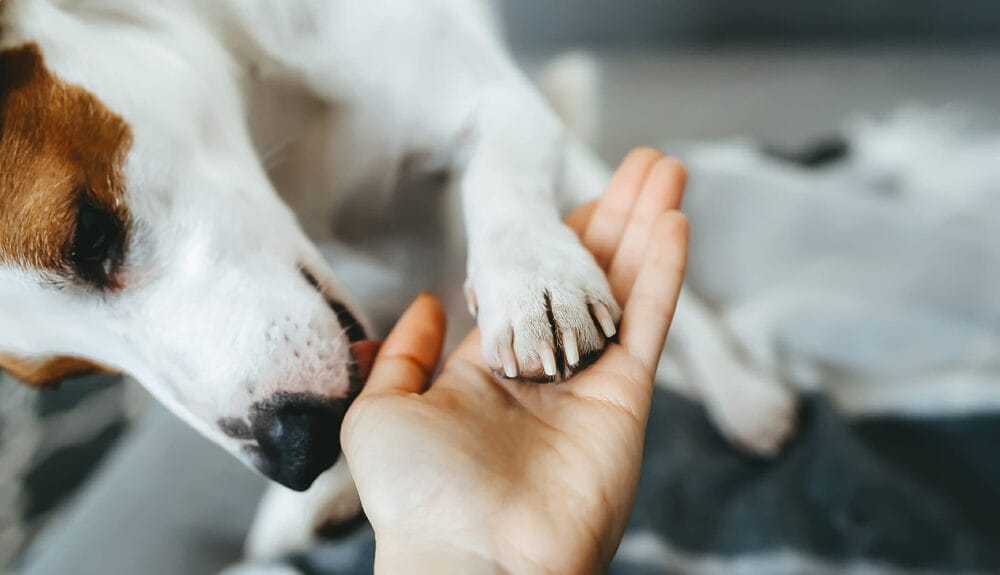
Brushing out loose hair regularly can reduce the temptation, but if the behavior is frequent or hard to interrupt, seek professional help.
Your veterinarian may recommend a course of medication and behavioral therapy for your dog. Medication might include antidepressants or anti-anxiety drugs, which can help reduce compulsive behavior.
Behavioral therapy involves learning new ways to deal with stressors in your dog’s life, such as giving them more time to adjust to new situations and people, or teaching them how to relax on command.
3Social Grooming
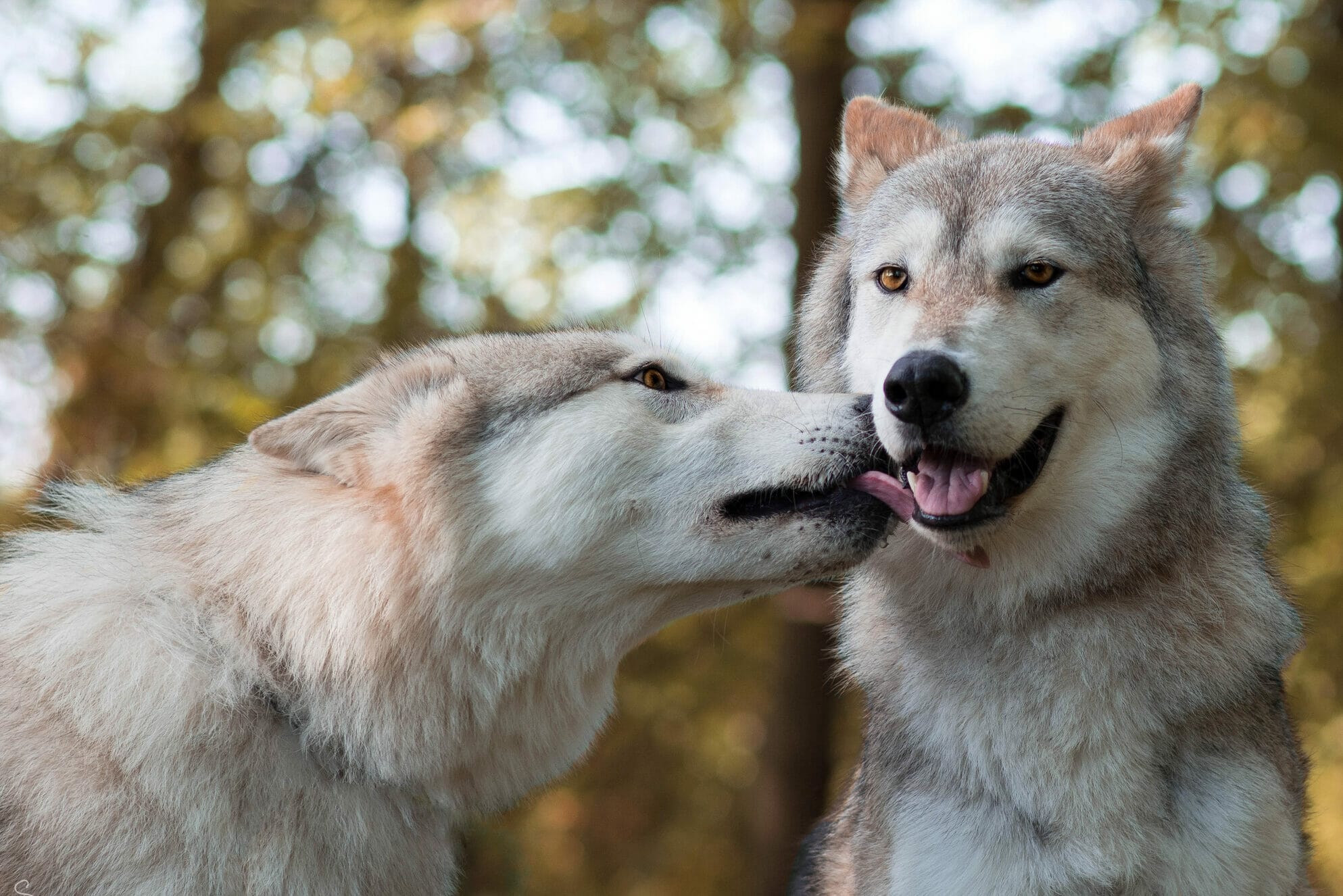
Dogs are social animals. They live in packs, they work together and they play together. They also groom each other.
Grooming is an integral part of being a dog. It helps keep them clean and it can help them get rid of loose hair or parasites. As such, it should not surprise you when dogs will groom each other. Ear licking is a similar habit; we explain why a dog licks the other dog's ears. If anything, it’s a good thing because it establishes friendship and trust.
However, when one dog begins to eat another one’s hair and overdo it, that becomes a problem. Scolding usually doesn’t work and can make your dog anxious, which may make the habit worse. Instead, calmly interrupt the behavior, redirect your dog to a chew toy, and reward it for settling down. If the habit continues, a trainer or behaviorist can help.
4Curiosity
If your dog is eating other dogs’ hair, it’s probably because they are curious. Dogs are naturally curious about everything, and the hair of another dog can be just as interesting as a toy or bone.
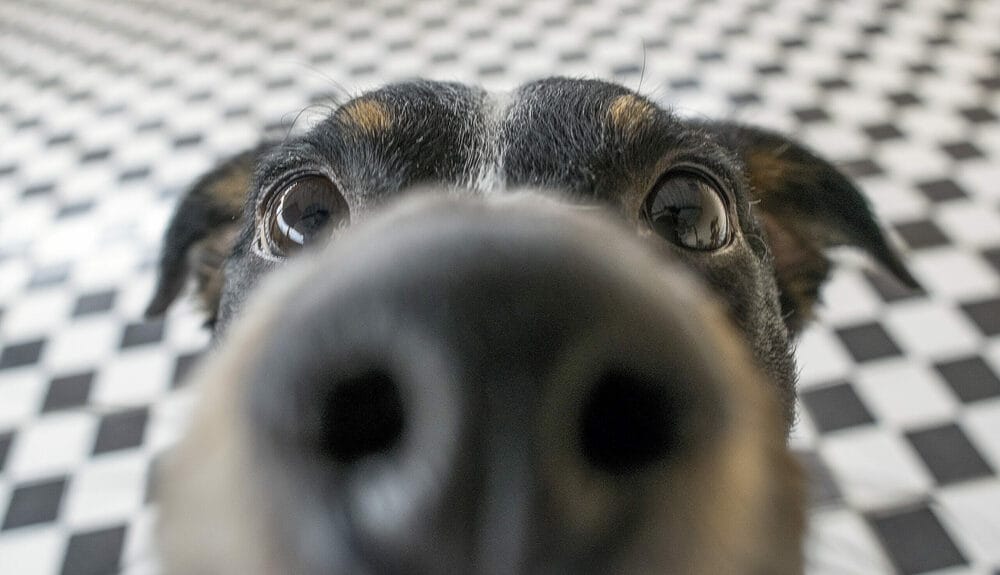
Some dogs eat the hair of their own breed or mix, while others like to explore with different breeds. Even if you have two dogs of the same breed, they may not have identical coats or smells, which can make the other dog’s fur extra interesting.
If you catch your dog in the act, interrupt with a cue like “leave it” and offer a toy or chew instead, then praise it. However, if you’re not around when they start munching away at another dog’s coat, the habit can grow quickly, so supervise or separate the dogs when you’re out until it stops.
If your dog keeps eating another dog’s hair despite redirection, or continues the habit for several days or weeks, then see your veterinarian for diagnosis and advice on how best to treat them.
5Trying to Assert Dominance over the Other Dog
Many owners wonder whether their dog is trying to assert dominance over the other dog by chewing on its fur. Modern behavior experts are cautious about the “dominance” label, but the relationship between your dogs can play a role.
Some dogs are pushier than others, and grooming, mouthing or chewing on another dog’s neck and back can be part of how a confident dog interacts with a more passive housemate. It can also be a sign of tension, frustration or rough play that has gone a little too far.
Watch the dog on the receiving end: if it moves away, freezes, lip-licks, growls or tries to hide, it isn’t enjoying the attention.
The remedy is to interrupt the behavior, give both dogs their own space and resting spots, and seek help from a qualified trainer or behaviorist if the tension between them grows.
6They're Teething (puppies)
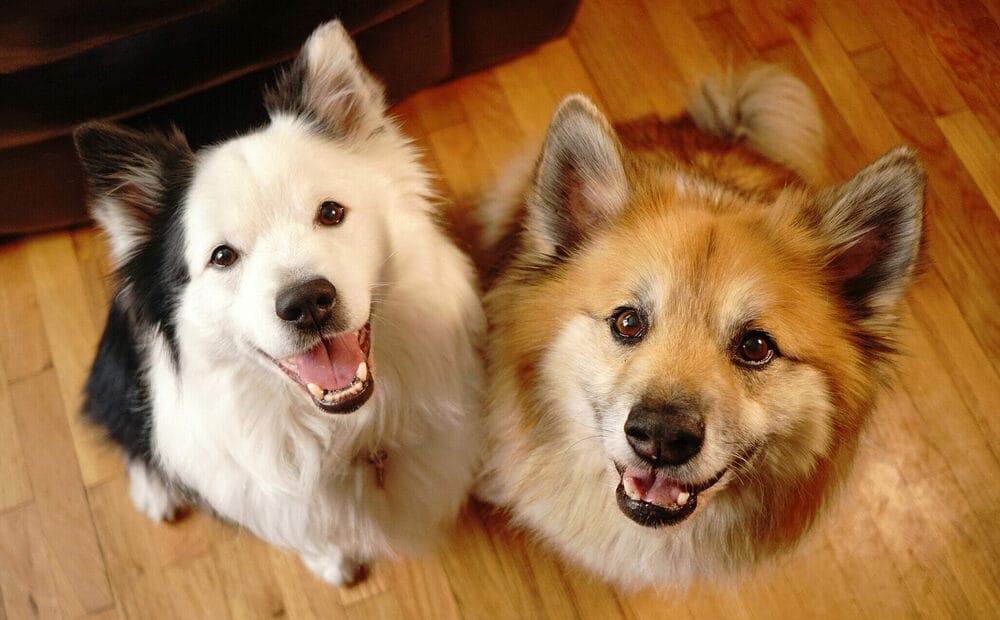
One of the reasons why your dog may be so interested in eating another dog’s hair is to relieve the pain of teething. This is particularly true with puppies because they have baby teeth, which are replaced by permanent adult teeth around 6 months or so.
This time can be difficult for them and they may end up chewing on things they wouldn’t normally chew on, like your furniture or another dog’s hair. If you notice that your puppy is chewing more than usual, chances may be that they are just trying to soothe their sore gums.
7Something’s Missing from Their Diet
The answer may lie in what’s missing from their diet.
Some dogs that eat hair or other non-food items may be lacking something in their diet, such as enough protein, fat, fiber or another essential nutrient. Hunger from too-small portions can play a role too. This is why it is important to feed your dog a complete, well-balanced diet in the right amount for its size and activity level.
If you suspect a diet problem, ask your vet before switching foods or adding supplements.
How to stop your dog from eating your other dog’s hair
- Brush the other dog often. Less loose fur means less to chew on.
- Interrupt and redirect. Use “leave it,” then hand over a chew toy or puzzle feeder, and reward your dog for choosing it.
- Add exercise and enrichment. Daily walks, sniffing games and food puzzles help with boredom-related chewing.
- Supervise or separate. Keep the dogs apart when you can’t watch them until the habit fades.
- Rule out medical causes. If the habit is frequent, sudden or comes with other symptoms, have your vet check your dog.
FAQ – frequently asked questions
To wrap things up, here are some frequently asked questions to help you understand more about your dog eating other dogs’ hair.
What should I do if home hacks can’t help stop my dog from eating other dogs’ hair?
If home remedies don’t help stop your dog from eating other dogs’ fur, then schedule an appointment with your vet for further diagnosis.
Can hair be digested by dogs?
As sophisticated as it is, your dog’s digestive system cannot break down hair. Hair contains keratin, a fibrous protein that’s not digestible. As such, it will simply pass through the system without being digested at all.
Can hair upset a dog’s tummy?
Yes, it can. Small amounts usually pass, but larger amounts can clump into hairballs that cause vomiting, constipation, or even a blockage in the stomach or intestines. Call your vet if your dog vomits repeatedly, stops eating, strains to poop, or seems to have belly pain.
Final Thoughts – Summing it up
It’s important to remember that dogs may chew on another dog’s hair for various reasons such as over-grooming, boredom, teething, tension between the dogs, or because something’s missing from their diet.
If not done frequently, it’s not a huge issue, but if it happens too often the hair can clump together and cause stomach upset or even an intestinal blockage.
In order to prevent this from happening, you should provide your dog with a balanced diet, pay attention to the signs of teething in puppies, and seek professional help if the problem persists.