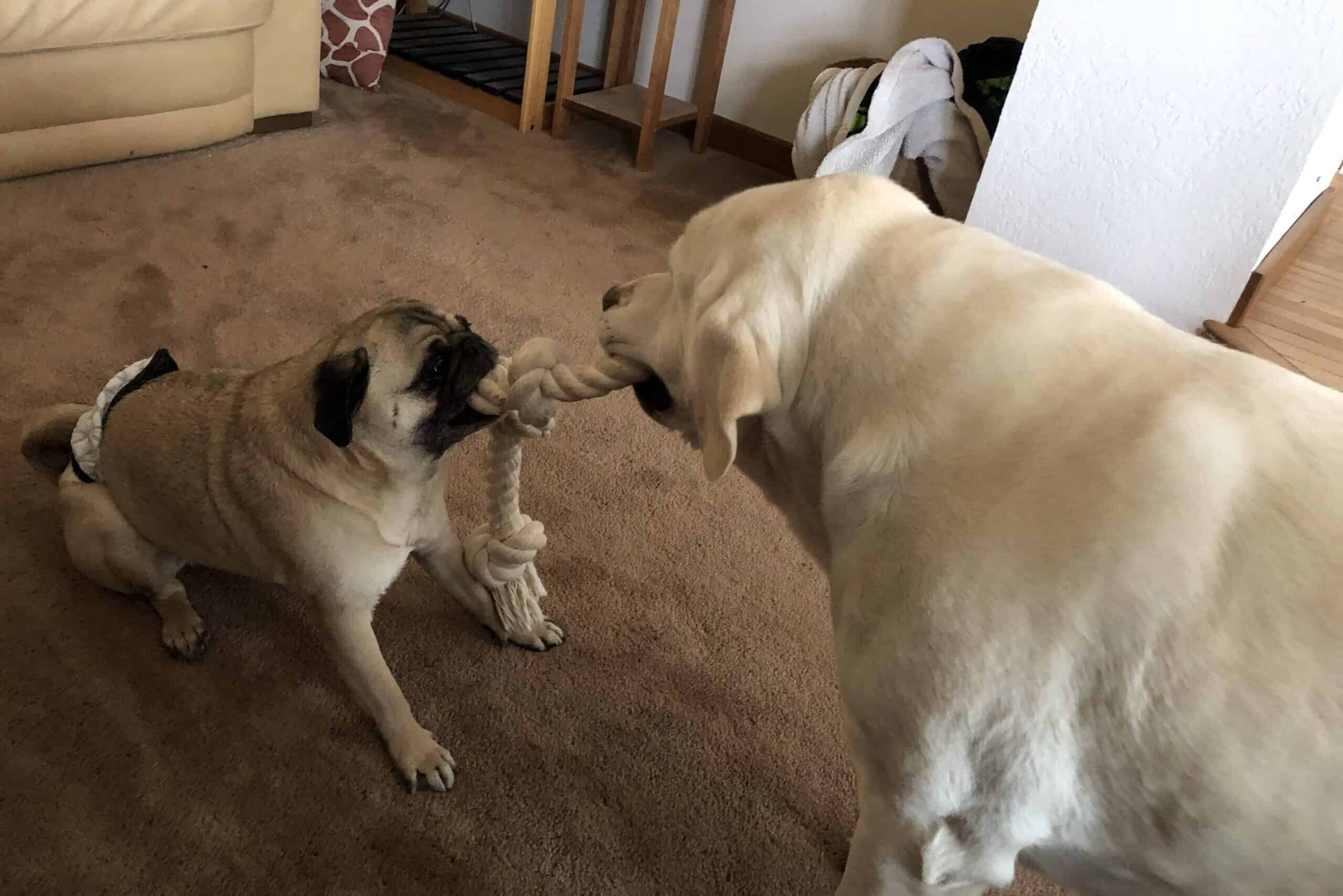
Why Do Dogs Lick Each Other's Ears? (And How to Stop It)
 Written by Tim de Jong
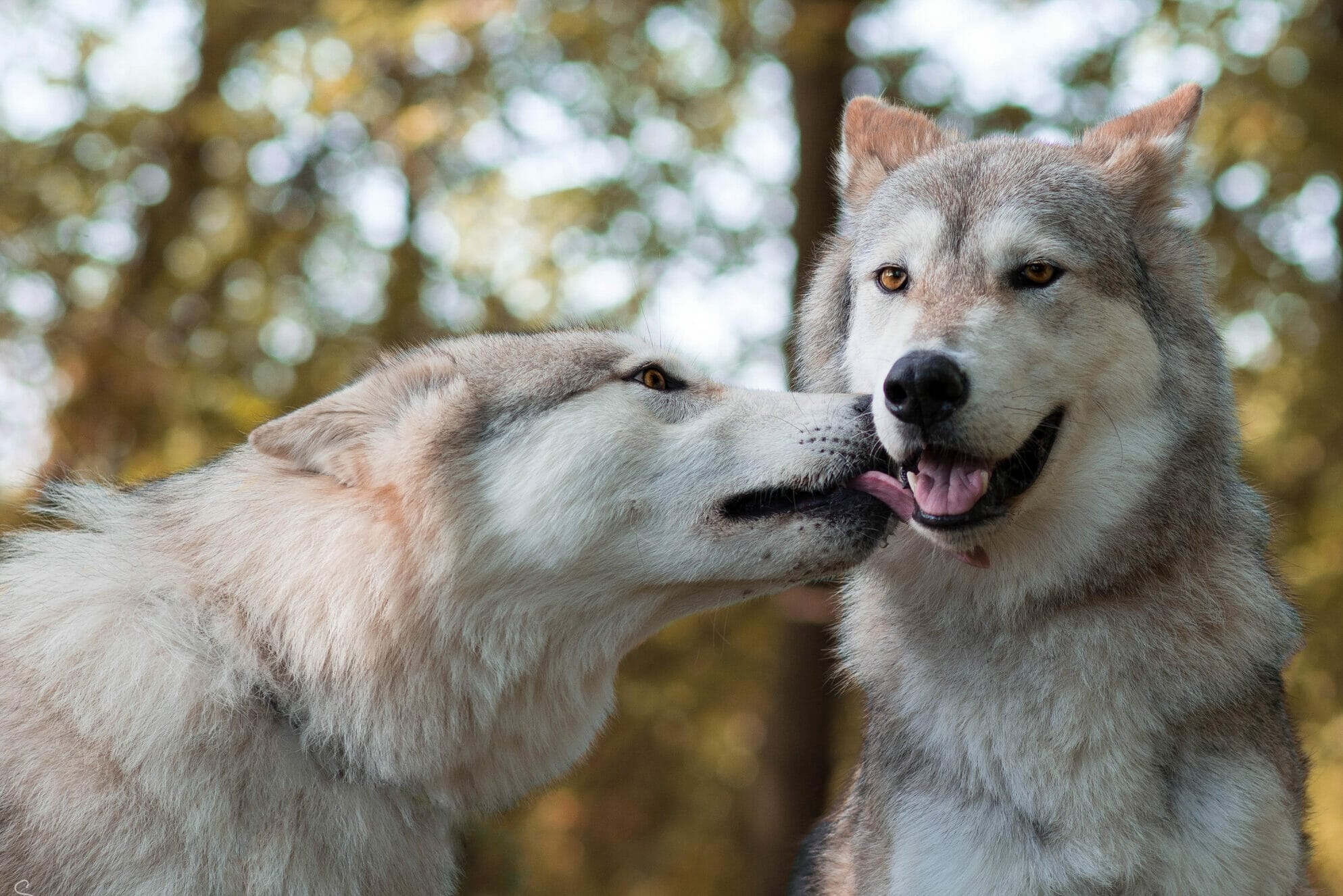
If you live with two dogs, you've probably seen it: one settles down next to the other and starts working away at an ear, sometimes for minutes at a time. The licked dog often looks perfectly content. Other times it gets up and walks off, or snaps.
Why do dogs lick each other's ears? Mostly to groom and bond. Ear-licking is a friendly, social behavior, and ears also have a strong smell and a salty, fatty taste from earwax that dogs find appealing. A little of it is normal. But if your dog suddenly fixates on one ear, check the other dog for an ear infection, and if the licking is constant or the other dog is clearly annoyed, interrupt it and redirect your dog.
Below we go through the six main reasons, how to tell normal ear-licking from a problem, and five ways to stop your dog from licking your other dog's ears.
Why does my dog lick my other dog's ears?
Licking another dog's ears is common, especially between dogs that live together. There usually isn't one single reason; most dogs do it for a mix of the ones below. Watching when it happens (at rest, after a walk, when one dog comes home, when one dog has been scratching) tells you a lot about which reason applies.

1Social grooming and bonding
The most likely explanation is that it's grooming. Dogs groom each other much as many social animals do, and ears are an obvious target because a dog can't reach the inside of its own ears with its tongue. When a dog licks another dog's ear, it can remove some dirt, debris or wax from the outer ear.
Grooming also strengthens the relationship. Mothers lick their puppies all over, ears included, and many dogs carry that habit into adulthood with dogs they're close to. If your dogs nap together and take turns licking each other's faces and ears, that's usually just two friends being friends. A related habit is grooming that goes a bit too far, which we explain in why your dog eats your other dog's hair.
2Appeasement and keeping the peace
Licking is also a way for dogs to say "we're fine, I'm no threat." A dog may lick the face or ears of another dog when greeting it, after a tense moment, or to defuse a situation, often with a lowered body, soft eyes and a wagging tail. This kind of licking tends to be short and directed at a dog it respects or wants to get along with, like an older resident dog or a new housemate.
3The taste and smell of earwax
It may not be pleasant to us, but to a dog, an ear is interesting. Earwax is made of oily secretions, shed skin cells and salts, so it has a salty, fatty taste, and ears carry a lot of the other dog's personal scent. Some dogs simply like it. This is why ear-licking often happens after the other dog has been outside, swimming or rolling in something, when the ears smell stronger than usual.
4A sign of an ear infection
Pay attention if your dog suddenly becomes fixated on one ear, or starts licking a dog it normally ignores. Dogs have an extraordinary sense of smell, and infected ears, especially yeast infections, often have a distinct musty, sour or "cheesy" odor along with extra discharge. Your dog may be the first to notice that something has changed.
Look inside the licked ear. Redness, swelling, a bad smell, dark or yellow discharge, crusting, head shaking, scratching at the ear or tilting the head are signs of an ear infection, and that dog should see a vet. Dogs with floppy ears, hairy ear canals, allergies or a habit of swimming are more prone to ear problems.
5Boredom, stress or compulsive licking
For some dogs, licking is self-soothing. It's something to do when they're bored, under-exercised, or stressed by changes like a move, a new pet or time alone. In a smaller number of dogs it becomes compulsive: the licking goes on and on, is hard to interrupt, and happens in lots of situations. If your dog also licks its own paws, the floor or furniture excessively, the ear-licking may be part of a bigger pattern worth raising with your vet.
6Attention
Finally, some dogs learn that licking the other dog's ears gets a reaction from you, even if that reaction is "hey, stop that." If the licking reliably starts when you sit down to relax or when you're on the phone, attention may be part of the payoff.
Is it normal for dogs to lick each other's ears?
Yes. Occasional ear-licking between dogs that get along is normal and usually harmless. It's generally fine when:
- it happens in short bouts and then stops on its own,
- the licked dog stays relaxed, or even leans into it,
- both dogs' ears look and smell clean and healthy.
When ear-licking becomes a problem
It's worth stepping in when any of these apply:
- The ears stay wet. A dog's mouth is full of bacteria and yeast, and frequent licking keeps the ear warm and damp. That can irritate the skin and set the stage for ear infections, especially in dogs with floppy ears.
- The licked dog wants out. Turning the head away, getting up and leaving, lip-licking, a hard stare, a growl or a snap all mean "enough." Ignoring those signals can turn a friendly habit into squabbles between your dogs.
- One ear gets all the attention. A sudden focus on one ear is a classic early hint of an infection.
- The other dog is on ear medication. If one dog has ear drops or ointment, keep the other from licking it off. It undoes the treatment, and the licking dog swallows medication meant for the ear. Ask your vet if you're unsure.
- The ear looks sore. Red, raw or hairless skin on the ear flap, or a bad smell, means the ear needs a vet check.
- Your dog can't stop. Licking that goes on for long periods and is hard to interrupt may be compulsive.
Keeping ears clean yourself helps, too. A vet-approved ear cleaner for dogs after swimming dries the canal, and Q-tips for dog ear cleaning are useful for the outer folds (never push anything down into the ear canal).
How to stop your dog from licking other dogs' ears
If the licking is occasional and the other dog doesn't mind, you don't have to do anything. If it's become a problem, these five methods work best together.
1Check the other dog's ears first

Before you start any training, rule out a medical reason. Look inside the ears of the dog being licked and give them a sniff. If you see redness, swelling or discharge, or smell something sour or yeasty, book a vet visit. An infected ear is uncomfortable for that dog, and it's much harder to train away licking when the ear keeps smelling interesting.
Treating the infection often solves the licking too. Afterwards, keep your dogs' ears clean and dry, especially after swimming or baths, so they're less appealing.
2Teach "leave it" with positive reinforcement

Teach your dog a "leave it" cue away from the other dog first, using a treat in your closed hand. Once your dog reliably backs off, start using it when they begin licking another dog's ear. As soon as your dog stops, call them over and reward them, or ask for something else, like a sit or "go to your bed," and reward that.
With enough repetition, your dog learns that leaving the other dog's ears alone pays off. Be patient and consistent, and reward calm behavior around the other dog even when they haven't licked. Avoid punishment; it tends to raise stress, which can make licking worse.
3Interrupt calmly and redirect

If your dog is licking another dog's ear, try calling their name in a happy voice or making a kissing sound to get their attention, rather than shouting, which can stress both dogs. When your dog turns to you, reward them and hand them something better to do with their mouth: a chew, a lick mat or a stuffed food toy.
Timing matters. Redirect early, before the licking has gone on long enough to annoy the other dog. If you notice it always starts at a certain time, such as on the sofa in the evening, have the chew ready before it begins.
4Give your dog more exercise and enrichment

Some dogs lick the ears of other dogs out of boredom or anxiety. If this is the case, one of the best ways to stop the behavior is to give your dog more to do.
This can include longer walks, play sessions, sniffing games, puzzle feeders and short training sessions. A dog that is physically and mentally tired is much less likely to fixate on another dog's ears. For dogs that lick when stressed, a predictable routine helps, and some owners find calming dog treats useful during stressful periods.
5Respect the other dog and give them space
Make sure the licked dog can always get away. Give each dog its own bed or resting spot, and if one dog keeps following the other to lick, separate them for rest periods with a baby gate or crate. This protects the relationship between your dogs while you work on the training. For more on managing two dogs at home, see how much harder it is to have 2 dogs.
If the licking seems obsessive, is hard to interrupt, or comes with other repetitive behaviors, talk to your vet. Compulsive behaviors sometimes need a behaviorist or medical help, and your vet can check for anything that's making your dog anxious or uncomfortable.
FAQ
Why does my dog lick my other dog's ears so much?
Most often it's social grooming and bonding, combined with the salty taste and strong smell of earwax. If it's suddenly much more than usual, or focused on one ear, check that ear for an infection. Constant licking can also come from boredom, stress or a compulsive habit.
Why do dogs lick each other's ears when they greet?
Licking the face and ears during a greeting is usually a friendly, appeasing gesture, a way of saying "I come in peace." It's often seen in younger dogs greeting older ones, or when a dog returns home from the vet or groomer smelling different.
Can a dog tell if another dog has an ear infection?
Dogs can certainly smell the change. Infected ears, especially yeast infections, give off a distinct odor and more discharge, and many dogs become very interested in them. A sudden fixation on one ear isn't a diagnosis, but it's a good reason to look inside that ear and see your vet if anything looks or smells off.
Can a dog licking another dog's ears cause an ear infection?
Frequent licking can contribute. It keeps the ear warm and moist and adds bacteria and yeast from the mouth, which can irritate the skin and make infections more likely, especially in floppy-eared dogs. Occasional licking in a healthy ear is unlikely to cause problems.
Is it bad if my dog eats my other dog's earwax?
A small amount is unlikely to hurt a healthy dog. It's more of a concern if the ear is infected or being treated with ear drops, since your dog would be swallowing discharge or medication. In those cases, keep them apart until the ear has healed.
Should I let my dogs lick each other's ears?
If it's occasional, both dogs are relaxed, and the ears are healthy, there's no need to stop it. Step in if it becomes constant, the licked dog tries to get away or growls, or the ears are wet, red or smelly.
Final thoughts
Dogs lick each other's ears mostly because they're grooming and bonding, and because earwax tastes and smells interesting to them. A little of it is a normal part of life with two dogs. Constant licking, though, can keep ears damp and irritated, annoy the other dog, and sometimes points to an ear infection.
Check the licked dog's ears first, then use "leave it" training, calm redirection, more exercise and enrichment, and give the other dog space. And if the licking seems compulsive or the ears look sore, see your vet.
Get The Ideal Dog Routine, free
A 10-page guide written by a vet: a sample daily routine, exercise and alone time, and grooming and vet check schedules.
We'll email you the download link. Unsubscribe anytime.