Why Does My Dog Lick Me So Much? 9 Reasons and How to Stop It
 Written by Tim de Jong
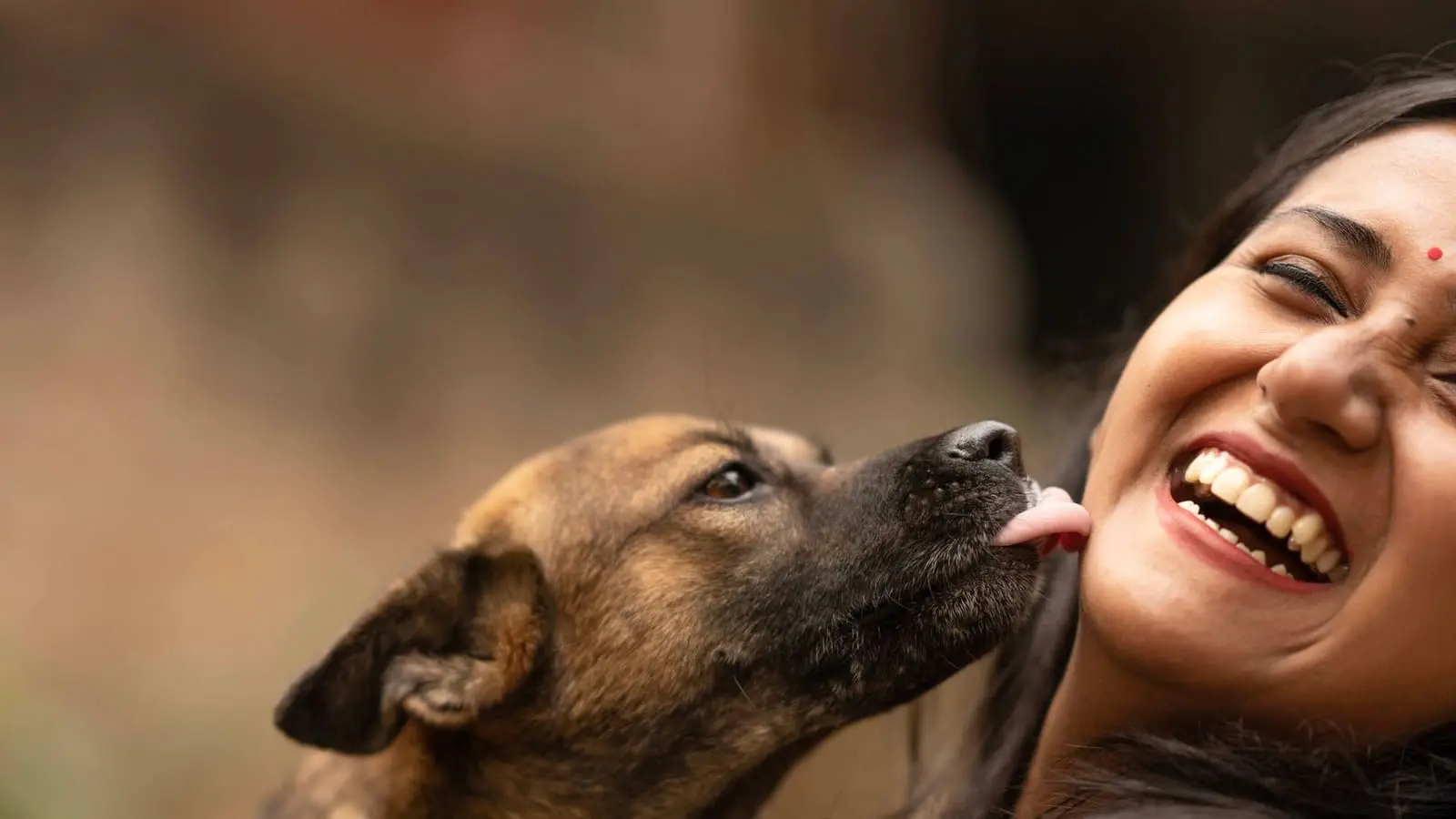
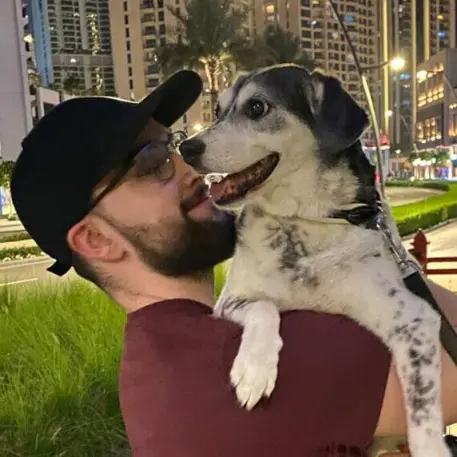
Some dogs greet you with a lick, some lick your hands while you watch TV, and some seem determined to wash your feet every time you sit down. A little licking is part of being a dog. A lot of licking can get annoying, and occasionally it's a sign that something's up.
Dogs lick people mostly because it feels good and gets a reaction. Licking is how puppies communicate with their mother, so it's tied to affection, attention-seeking and calming down. Your skin also tastes salty and interesting. Constant licking that your dog can't easily stop, or that shows up suddenly, can point to anxiety, boredom, nausea or an itch.
9 reasons your dog licks you so much
1Affection and bonding
Licking starts in the first hours of life: a mother licks her newborn puppies to clean them and get them breathing, and the puppies lick her face back. Many dogs carry that into adulthood as a way of connecting with the people they're attached to. Licking also releases feel-good hormones in the dog, which is part of why they enjoy it so much.
2Attention-seeking
If licking your hand gets you to look up, laugh, talk or push them away, your dog has learned that licking works. Even "negative" attention counts. This is the reason behind most repetitive licking, and it's also the easiest one to change.
3You taste good
Human skin is salty, especially after exercise, and it carries traces of whatever you've been eating, touching or putting on it. Lotions, sunscreen and food on your hands all make you more interesting. This is a big reason dogs lick hands, legs after a run and freshly showered skin.
4Greeting and respect
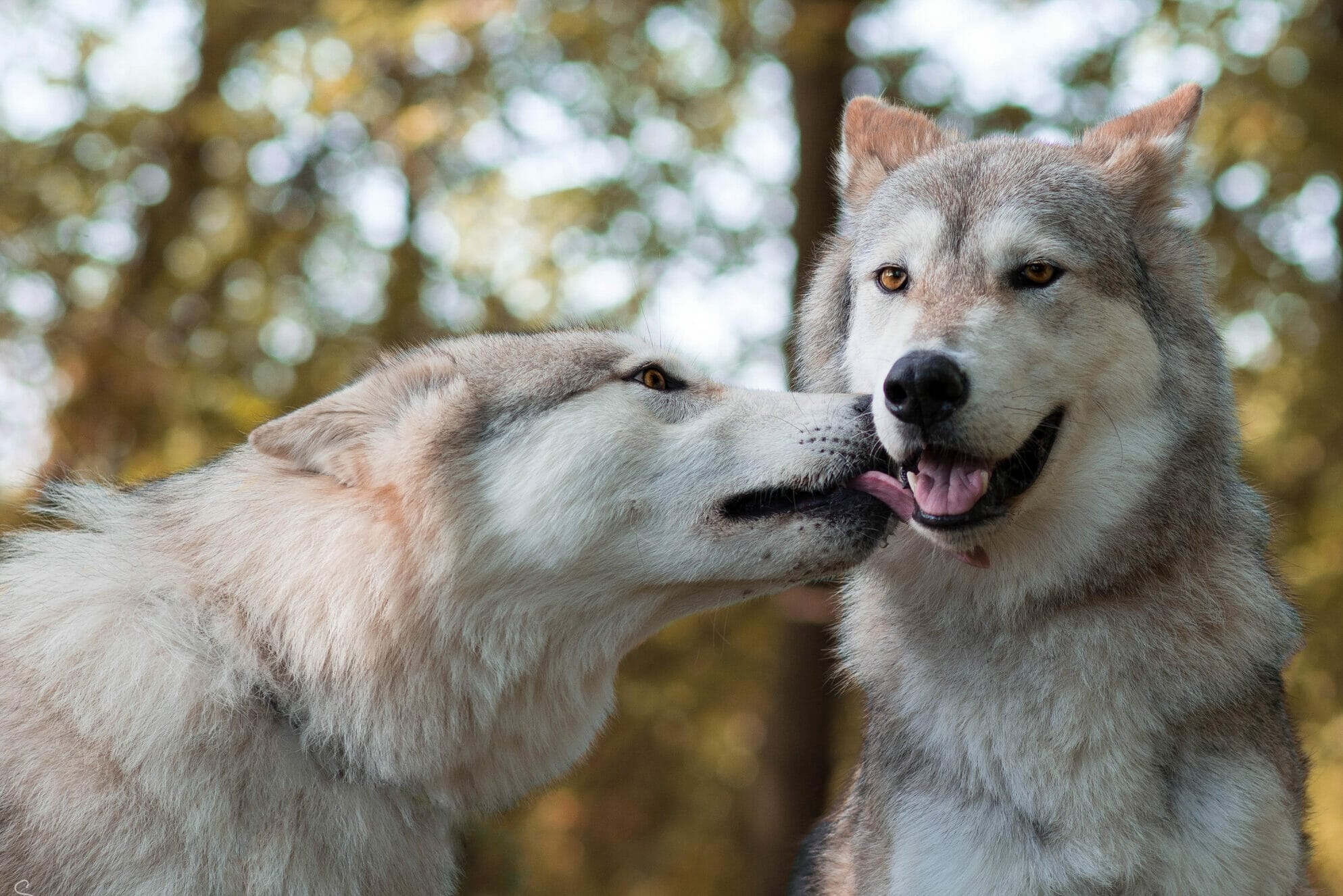
Wolves and wild dogs lick the mouths of pack members returning from a hunt, partly as a greeting and partly to ask for food. Dogs that lick your face when you come home are doing a version of the same thing. It's a friendly, appeasing gesture.
5Self-soothing and anxiety
Licking calms dogs down, so anxious dogs often lick more. If the licking ramps up when you're about to leave, during storms or around visitors, stress is likely part of the picture. Our guide on why your dog won't let you out of his sight covers clinginess that often goes along with it. Trembling is another common stress sign; see why is my dog shaking.
6Boredom
A dog without enough exercise or mental work will find something to do, and licking you is always available. Young, high-energy and working breeds are the most likely to fill quiet time this way.
7Grooming you
Dogs groom each other, and some extend that to their people, especially licking ears, hair and faces. It's the same impulse behind dogs that lick other dogs' ears.
8Wounds and skin
Dogs are drawn to cuts, scabs and skin conditions. In the wild, licking helps clean wounds, but dog saliva isn't a disinfectant and can carry bacteria into broken skin. Don't let your dog lick open wounds, and be extra careful if you have a weak immune system.
9Feet and athlete's foot
Feet are salty and full of interesting smells, which makes them a dog favorite. If your dog is obsessed with one person's feet, a fungal infection like athlete's foot can make them even more appealing. We go into that in why dogs lick feet with athlete's foot.
When licking is a sign of a problem
Most licking is normal. It's worth a closer look if:
- It's new or suddenly much more intense. Sudden changes in behavior often have a cause.
- Your dog licks you, the floor, walls or furniture obsessively. Licking surfaces can be a sign of nausea or stomach upset in dogs. Some studies have linked excessive licking of surfaces to gastrointestinal problems.
- They also lick themselves a lot, especially paws, the belly or the rear end. Allergies, itchy skin, anal gland trouble and pain are common causes. If it's the rear end, see dog anal gland problems.
- They can't be distracted from licking, even with food or a toy. That points toward anxiety or a compulsive behavior.
- They also seem unwell: vomiting, diarrhea, a poor appetite, drooling or lethargy.
Any of these is worth discussing with your vet, who can rule out medical causes before you treat it as a training issue.
Is it safe to let your dog lick you?
For most healthy people, an occasional lick on intact skin is low-risk. But dog mouths carry bacteria and, occasionally, parasites that can make people sick. Be more careful:
- Don't let dogs lick open wounds, cuts or broken skin.
- Avoid licks to the mouth, nose and eyes.
- Wash your hands after a licking session, especially before eating.
- Be extra cautious with babies, older adults, pregnant people and anyone with a weakened immune system.
Keeping your dog's vaccinations, deworming and dental care up to date lowers the risk.
How to stop a dog from licking you so much
You don't need to stop licking completely if you don't mind it. If you'd like less of it, these steps work for most dogs:
- Stop rewarding it. When the licking starts, calmly stand up or move away for a few seconds. No talking, no eye contact, no pushing. Your dog learns that licking makes you leave.
- Teach an alternative. Ask for something your dog can't do while licking, such as "sit", "go to your bed" or a chin rest on your knee, and reward that generously.
- Reward calm, non-licking moments. Quietly drop a treat when your dog is lying near you without licking.
- Add exercise and enrichment. A longer walk, a sniff walk, a puzzle feeder or a lick mat gives a bored dog something better to do.
- Address anxiety. If licking ramps up when you're leaving or during stressful events, work on the underlying stress, and talk to your vet or a qualified trainer if it's severe.
- Avoid punishment. Scolding can increase anxiety, which can increase licking.
- Wash off lotions and sweat. Removing the salty, scented layer makes you less of a magnet.
Be consistent. Everyone in the household needs to respond the same way, or your dog will just lick the person who still reacts.
FAQ
Why does my dog lick me more than anyone else?
You're probably the person they're most bonded to, the one who feeds them, or the one who reacts most when they lick. Your skin may also simply taste more interesting because of sweat, lotion or diet.
Is my dog licking me a sign of love?
Often, yes. Licking is a social, affectionate behavior that dogs use with people they're close to. It can also be about attention, taste or stress, so read it alongside the rest of your dog's body language.
Why does my dog lick me in the morning?
You're salty after a night's sleep, it's a greeting, and your dog may be telling you it's breakfast time. Morning licking is usually just a mix of affection and hunger.
Why does my dog lick my face when I cry?
Dogs are sensitive to changes in our voice, posture and smell. Licking your face may be an attempt to comfort you or to make sense of what's going on. Salty tears play a part too.
Why does my dog lick me when I pet him?
Licking while being petted is often a sign of relaxation and enjoyment. Some dogs also lick to ask for more. If your dog licks and then moves away, they may be saying they've had enough.
The bottom line
A dog that licks you a lot is usually saying hello, asking for attention or enjoying the salty taste of your skin. If the licking is sudden, obsessive or comes with signs of stress or illness, check in with your vet. Otherwise, the fix is simple: stop rewarding it, give your dog a better thing to do, and make sure they get enough exercise and mental work.

Get The Ideal Dog Routine, free
A 10-page guide written by a vet: a sample daily routine, exercise and alone time, and grooming and vet check schedules.
We'll email you the download link. Unsubscribe anytime.