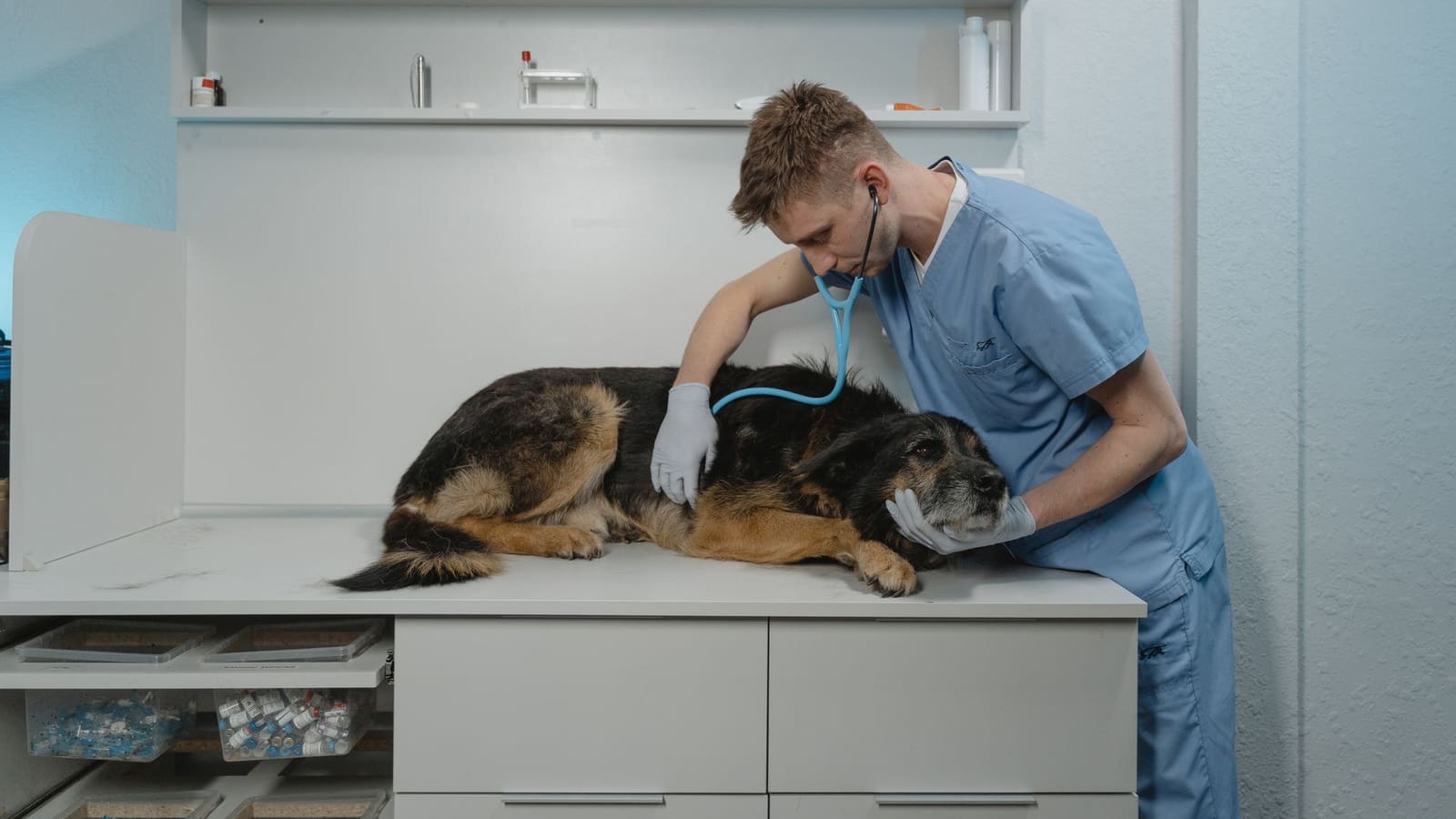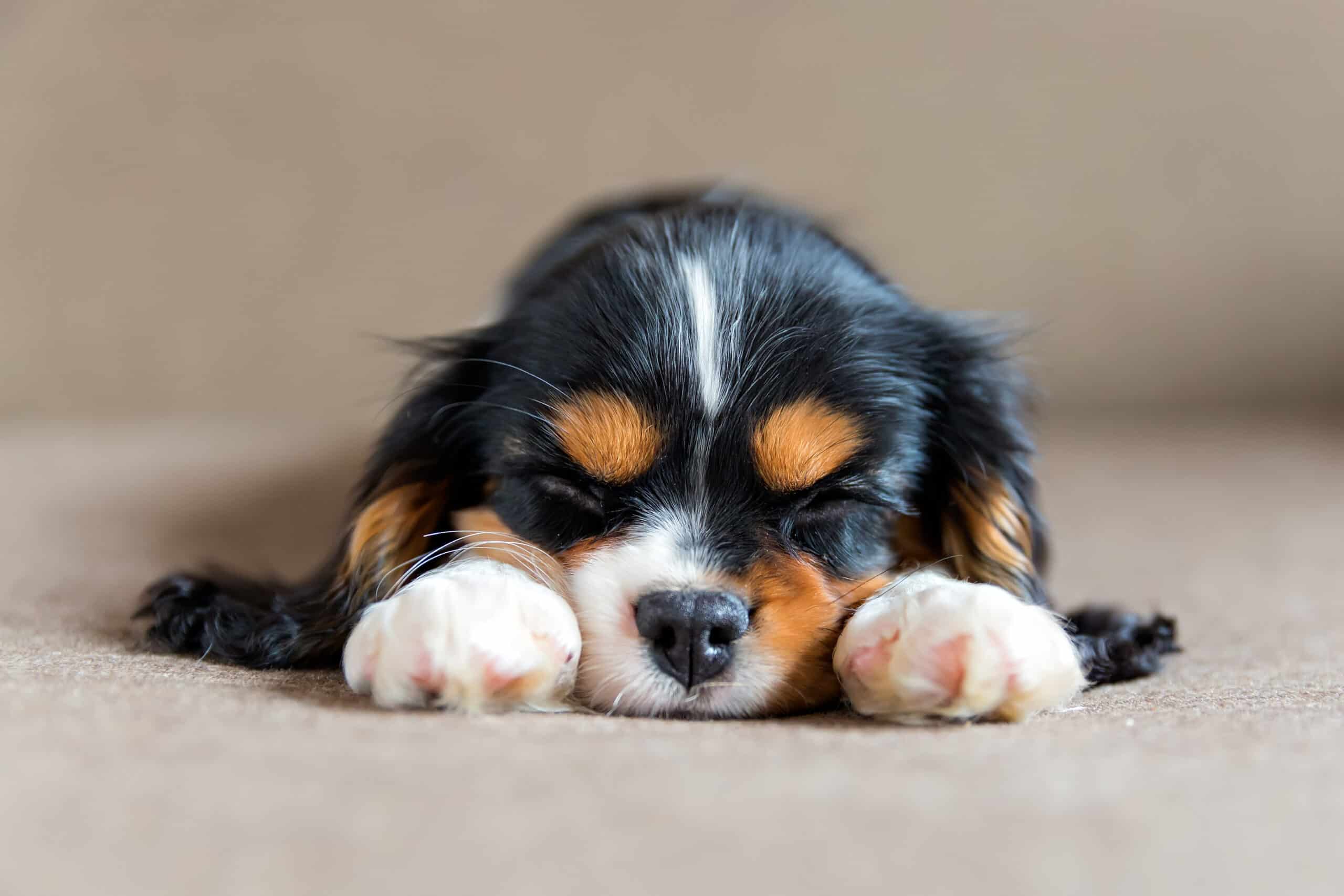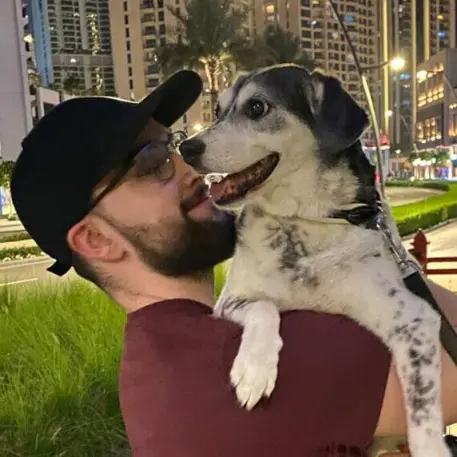

A shaking dog is hard to ignore. Sometimes the reason is obvious, like a Chihuahua in the snow or a dog that just heard fireworks. Other times your dog is trembling on the couch for no reason you can see, and you're left wondering whether it's nerves, cold or something medical.
Most shaking in dogs is harmless: it's caused by cold, excitement, fear or anxiety and stops once the trigger is gone. Shaking that comes with other symptoms, such as vomiting, weakness, limping, pale gums, a swollen belly or stumbling, or that doesn't stop, can be a sign of pain, poisoning or illness and needs a vet.
Shaking, shivering or seizure?
It helps to know what you're looking at:
- Shivering or trembling is a fine, fast shaking of the body. Your dog stays aware, responds to their name and can usually walk normally.
- Shaking off is the whole-body shake dogs do after a bath, a nap or a stressful moment. It's normal and over in a second.
- A seizure looks different. The dog usually falls over, paddles the legs, may drool, lose bladder control and doesn't respond to you. It lasts seconds to a few minutes, and the dog is often confused afterward.
If you think your dog is having a seizure, keep hands away from the mouth, move furniture out of the way, time it, and call your vet. A seizure lasting more than five minutes, or several in a row, is an emergency.
Harmless reasons a dog shakes
1They're cold
This is the most common cause, especially in small, short-coated, thin or older dogs. Chihuahuas, Italian Greyhounds, Whippets, Miniature Pinschers and Chinese Cresteds can start shivering at temperatures that don't bother a Husky at all. A wet coat after a bath or a rainy walk makes it worse.
What helps: a warm, draft-free bed, a towel-dry after walks and a coat for winter walks. Our guide to the best dog winter coats covers which dogs need one, and the is it too cold for my dog tool checks the conditions for your dog's size and coat.
2Excitement
Some dogs tremble with excitement when you pick up the leash, when a favorite person arrives or when they're waiting for a ball to be thrown. If the body language is happy (loose, wiggly, tail going) and the shaking stops once the excitement does, there's nothing to worry about.
3Fear, stress or anxiety
Thunderstorms, fireworks, the vet, car rides and being left alone are classic triggers. Look for other signs of stress: tail tucked, ears back, panting, yawning, lip licking, pacing, hiding or trying to escape.
What helps: stay calm, give your dog a safe hiding place, and work on the trigger over time with gradual exposure and rewards. For noise phobias, talk to your vet about medication before the next fireworks season. Our article on conditioned emotional responses explains how to change how a dog feels about a trigger.
4Learned attention
Some dogs learn that trembling gets them picked up and cuddled. If the shaking only happens when you're watching and stops as soon as you give attention, this may be part of it. Rule out cold and fear first, though.
5Dreaming
Twitching, paddling and little tremors during sleep are usually just dreaming. If your dog wakes easily and is normal afterward, it's fine. Some dogs even howl in their sleep.
Medical reasons a dog shakes
6Pain
Dogs often hide pain, and trembling is one of the few signs they show. Back and neck pain, arthritis, an injury, a sore belly or dental pain can all cause shaking. Other clues include a hunched back, reluctance to jump or climb stairs, limping, yelping when touched, and not wanting to lie down.
7Nausea
Dogs that feel sick to their stomach often tremble, drool, lick their lips and swallow a lot. It might come before vomiting or follow eating something they shouldn't have. Car sickness is a common cause in dogs that shake on car rides. If your dog vomits yellow liquid, see dog vomiting yellow foam.
8Fever
Shivering can be the body's way of pushing its temperature up during an infection. If your dog is also lethargic and off their food, check their temperature. Our guide on how to tell if your dog has a fever walks you through it.
9Poisoning
Shaking, tremors and twitching are early signs of several poisonings, including:
- Chocolate (theobromine and caffeine)
- Xylitol in sugar-free gum, candy and some peanut butters
- Moldy food in the trash or compost (tremorgenic mycotoxins)
- Some human medications, including antidepressants and ADHD drugs
- Some insecticides and slug or snail bait (metaldehyde)
- Marijuana and edibles
If there's any chance your dog ate something toxic, call your vet or a pet poison hotline right away. Don't wait for the shaking to get worse. Our chocolate toxicity calculator and xylitol toxicity calculator help estimate the risk while you make that call.
10Old age and weakness
Many senior dogs develop trembling in the back legs. It's often due to muscle loss, arthritis or nerve changes, and it tends to show up when they stand still for a while. It's common, but it's worth a vet check because pain relief and exercise can help a lot.
11Low blood sugar
Toy-breed puppies, very small dogs that skip meals and diabetic dogs on insulin can develop low blood sugar (hypoglycemia). Signs include trembling, weakness, wobbliness and, in severe cases, seizures. Rub a little honey or corn syrup on the gums and call your vet immediately.
12Generalized tremor syndrome and other conditions
Some conditions cause tremors on their own:
- Generalized tremor syndrome (sometimes called "shaker syndrome") causes whole-body tremors, usually in young adult dogs. It was first described in small white dogs like Maltese and West Highland White Terriers, but any breed can get it. It usually responds well to treatment.
- Addison's disease (low adrenal hormones) can cause shaking along with vomiting, weakness and weight loss.
- Kidney disease, liver disease and distemper can all cause trembling as part of a bigger picture.
These need a vet to diagnose, usually with blood tests.
What you can do at home
If your dog seems otherwise well:
- Warm them up. Dry a wet coat, offer a blanket and move them out of drafts.
- Check for a trigger. Noise, visitors, a new place or a stressful event?
- Look them over. Check for limping, a swollen belly, pale gums or sore spots.
- Think about what they could have eaten in the last few hours, including the trash, the yard and anything dropped on the floor.
- Take their temperature if they seem unwell.
- Watch for 15–30 minutes. Harmless shaking from cold or nerves usually settles.
When to see a vet
Call your vet promptly if your dog's shaking:
- Comes with vomiting, diarrhea, drooling or loss of appetite
- Comes with weakness, stumbling, collapse or confusion
- Comes with limping, a hunched posture or crying when touched
- Started after they may have eaten something toxic
- Happens in a puppy, a toy breed or a diabetic dog (possible low blood sugar)
- Lasts more than a few hours or keeps coming back
- Comes with a swollen, hard belly and unproductive retching, which can be bloat and is an emergency
FAQ
Why is my dog shaking and acting weird?
Shaking plus unusual behavior, such as hiding, restlessness, panting or not eating, often means pain, nausea or fear. If there's no obvious trigger like a storm, or if it lasts more than an hour, call your vet. Possible poisoning should always be treated as urgent.
Why is my dog shaking and panting?
Panting with shaking is common with anxiety, pain, nausea, overheating and fever. If your dog is panting heavily in a warm environment, move them somewhere cool. If it happens at rest in a cool room, it's worth a vet check.
Why is my old dog shaking?
In senior dogs, trembling legs are often linked to arthritis, muscle weakness or pain. It can also point to kidney disease or other age-related illness, so mention it at your dog's next checkup, or sooner if it's new or severe.
Why is my dog shaking after a bath?
Usually because they're cold and wet, or a bit stressed by the bath. Towel-dry thoroughly and keep them in a warm room until dry. Our article on whether to let a dog air dry covers when a blow dryer is the better choice.
Should I comfort my shaking dog?
Yes. Comforting a frightened dog doesn't "reward" fear. Calm, steady reassurance, a safe space and your presence help. Avoid an anxious tone, and don't force them out of a hiding spot.
The bottom line
Cold, excitement and fear explain most shaking, and it stops once your dog is warm and calm. Shaking that comes with other symptoms, follows a possible poisoning, or shows up in a tiny puppy or a senior dog is different. That's when you call the vet rather than wait it out.
Get The Ideal Dog Routine, free
A 10-page guide written by a vet: a sample daily routine, exercise and alone time, and grooming and vet check schedules.
We'll email you the download link. Unsubscribe anytime.