How to Tell If Your Dog Has a Fever (and What to Do Next)
 Written by Tim de Jong
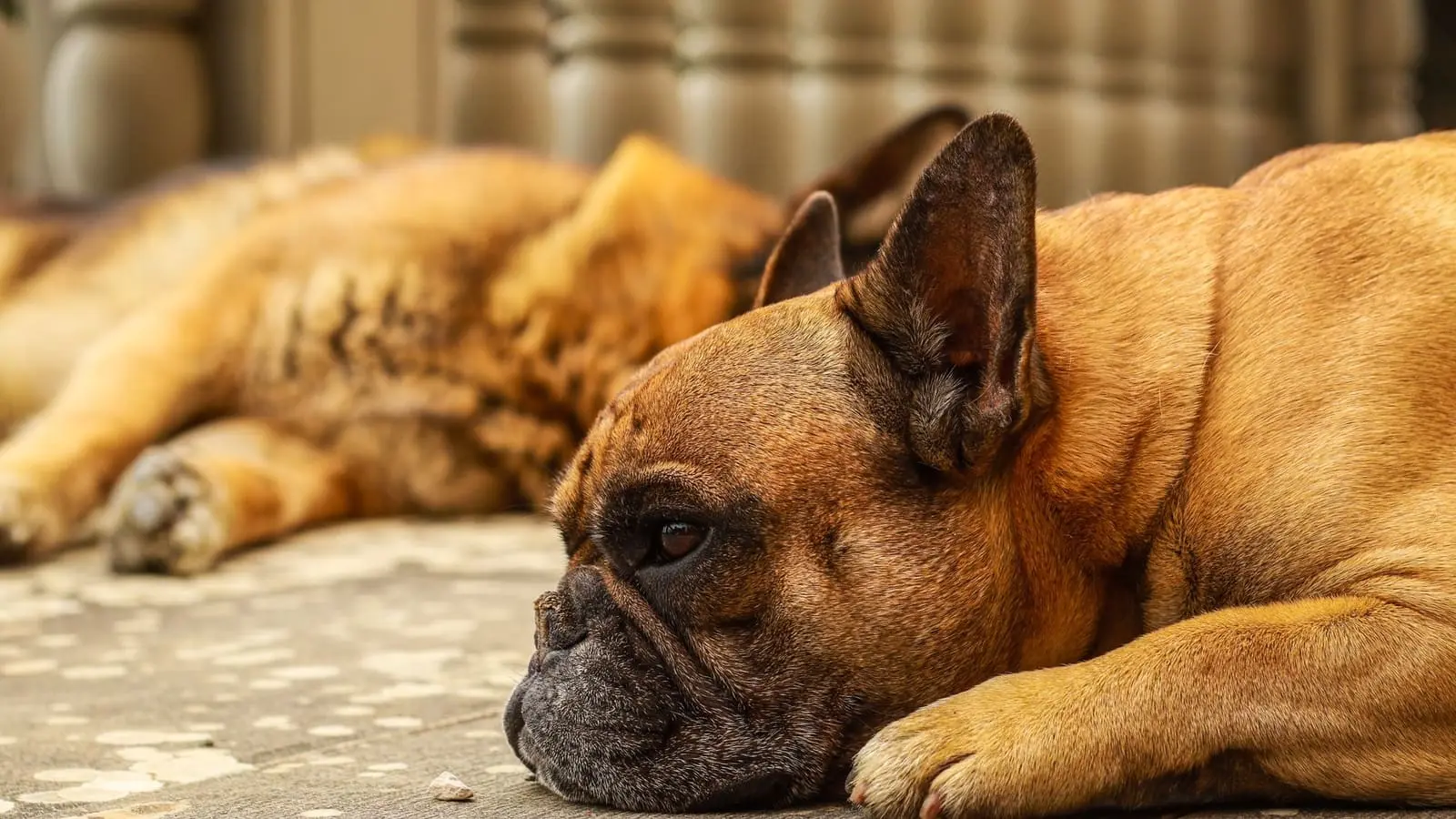
Your dog is quieter than usual, skipped breakfast and feels warm when you rest your hand on their head. It's natural to wonder whether they're running a fever. The tricky part is that dogs run warmer than people to begin with, so "feels hot" tells you very little.
The only reliable way to tell if your dog has a fever is to take their temperature with a thermometer. A normal temperature for a dog is about 101.0 to 102.5°F (38.3 to 39.2°C). Above 103°F (39.4°C) counts as a fever, above 104°F (40°C) needs a call to your vet the same day, and 106°F (41.1°C) or higher is an emergency.
What is a normal temperature for a dog?
Dogs are naturally warmer than we are. Where a person sits around 98.6°F (37°C), a healthy dog sits somewhere between 101.0 and 102.5°F (38.3–39.2°C). Puppies can read slightly higher, and an excited dog that has just run around the yard can briefly go up half a degree or so.
| Reading (rectal) | What it means |
|---|---|
| Below 99°F (37.2°C) | Too low. Call your vet, especially for puppies, small or senior dogs |
| 99–100.9°F (37.2–38.3°C) | Slightly low. Recheck in an hour |
| 101–102.5°F (38.3–39.2°C) | Normal |
| 102.6–103°F (39.2–39.4°C) | Upper normal or mild rise. Recheck after 30 minutes of rest |
| 103–104°F (39.4–40°C) | Fever. Call your vet for advice |
| 104–105.9°F (40–41°C) | High fever. See a vet the same day |
| 106°F (41.1°C) and above | Emergency. Go to a vet now |
Our dog temperature checker gives you the same verdict for a reading in Fahrenheit or Celsius, adjusted for puppies and seniors.
Signs your dog might have a fever
Fever itself has no single tell-tale sign. You'll usually notice a mix of these:
- Lethargy. Sleeping more, not greeting you at the door, not interested in walks or toys.
- Loss of appetite. Skipping meals or refusing treats they normally love.
- Shivering. Dogs, like people, can shiver as their body pushes its temperature up.
- Warm ears and paws. Noticeably warmer than usual, though this is only a hint.
- Red or glassy eyes.
- Panting while resting. Panting when your dog hasn't been active or isn't hot.
- Coughing, a runny nose, vomiting or diarrhea. These point to the cause of the fever rather than the fever itself. If your dog is bringing up yellow liquid, see dog vomiting yellow foam.
- Hiding or wanting to be left alone.
If you see a few of these together, it's worth taking a temperature rather than guessing.
Does a warm, dry nose mean a fever?
No. This is one of the most persistent dog myths. A dog's nose can be warm and dry after a nap, in a heated room or on a windy day, and it can be cold and wet when the dog is sick. Nose temperature and moisture change by the hour and say nothing reliable about body temperature.
The same goes for feeling the belly or the inside of the ears. Those spots can give you a hint that something's off, but they can't tell a 102°F dog from a 104°F dog. Only a thermometer can.
How to take your dog's temperature at home
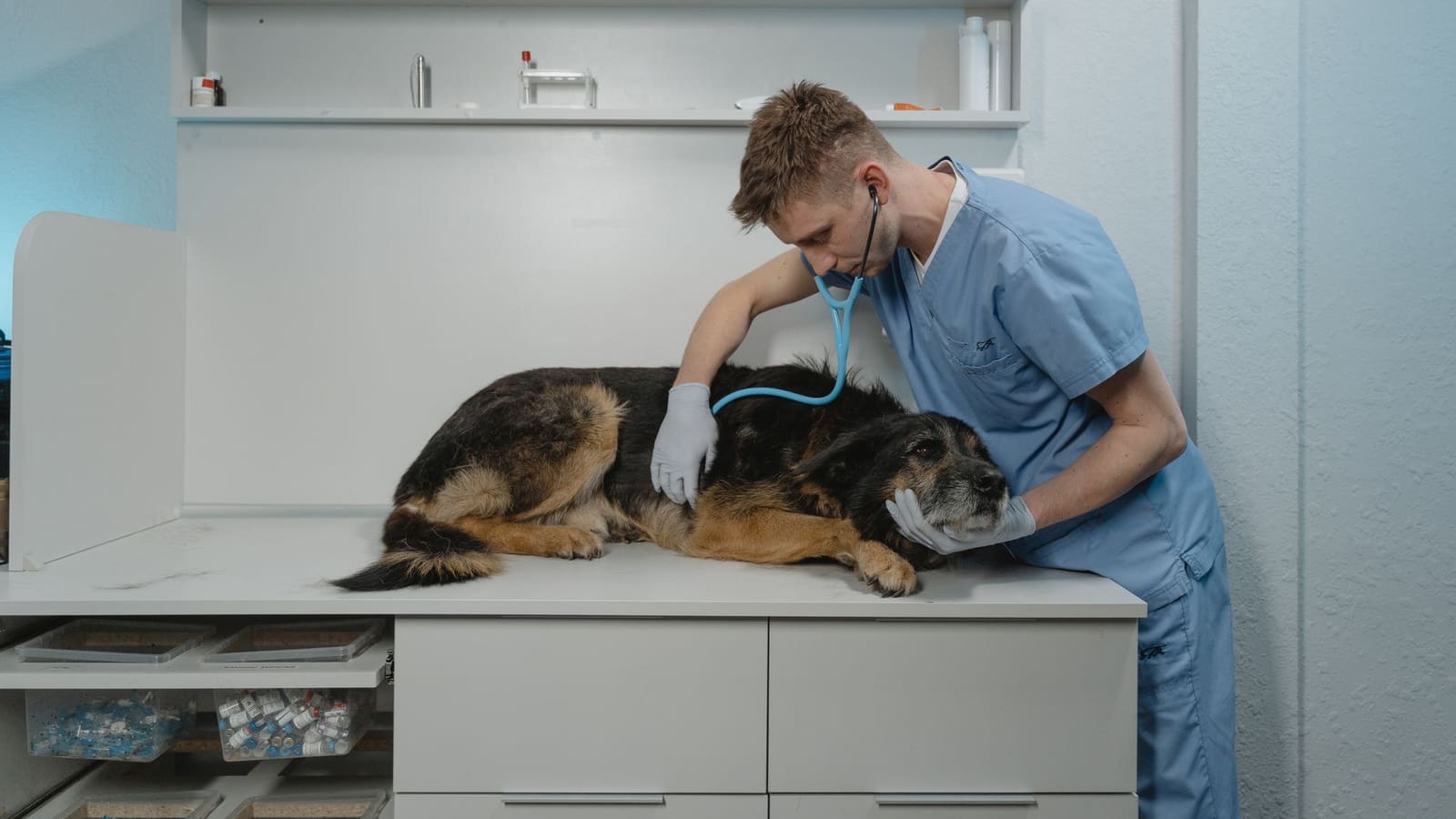
What you need: a digital thermometer (a rectal one is the most accurate; a fast one that beeps in 10 seconds makes life easier), petroleum jelly or a water-based lubricant, and ideally a second person to hold and reassure your dog.
- Pick a calm moment. Wait at least 15–30 minutes after exercise or excitement, which can raise the reading.
- Lubricate the tip of the thermometer.
- Have your helper hold your dog standing, with one arm under the belly and one around the chest. Small dogs can lie on their side on your lap.
- Lift the tail and gently insert the thermometer about 1 inch (2.5 cm) into the rectum for small dogs and up to 2–3 inches (5–7 cm) for large dogs. Angle it slightly toward the spine. Never force it.
- Hold it there until it beeps, then read the display.
- Clean the thermometer with soap and water or alcohol, and label it "dog only".
- Give a treat. You may need to do this again, so make it a good experience.
Ear thermometers made for pets are less stressful for many dogs but are less accurate, especially if they aren't placed deep enough in the ear canal or the dog has an ear infection. Non-contact forehead thermometers made for people don't work well through fur and aren't a good choice.
If your dog fights hard, stop. Getting bitten or causing an injury isn't worth it. Call your vet and describe the other symptoms instead.
What causes fever in dogs?
A fever is the body's response to something, usually an infection or inflammation. Common causes include:
- Bacterial or viral infections, such as a respiratory infection, kennel cough, or an infected wound or bite.
- Urinary tract or kidney infections.
- Tooth root abscesses and other dental infections.
- Ear infections.
- Tick-borne diseases, such as Lyme disease, ehrlichiosis and anaplasmosis.
- Recent vaccinations. A mild, low-grade rise for a day or two afterward is common and usually harmless.
- Swallowed toxins, including some plants, human medications and moldy food.
- Immune-mediated disease and, less often, cancer.
Sometimes a vet can't find a clear cause right away. That's called a fever of unknown origin, and it usually needs blood tests or imaging to work out.
Fever vs. overheating
A high temperature after a hot car, a summer run or a warm day isn't a fever. It's hyperthermia, and above about 105°F it can turn into heatstroke, which is life-threatening. Signs include heavy panting, thick drool, bright red gums, wobbliness and collapse. Move your dog somewhere cool, wet them with cool (not ice-cold) water and drive to a vet right away. Our hot car temperature calculator shows how quickly a parked car gets dangerous.
What to do if your dog has a fever
103–104°F (39.4–40°C), and your dog is otherwise fairly bright:
- Call your vet for advice, and tell them about any other symptoms.
- Offer fresh water often. Small, frequent amounts are better than one big drink.
- Let your dog rest in a cool, quiet spot.
- Recheck the temperature in a few hours.
104°F (40°C) or higher, or a fever lasting more than 24 hours: see a vet the same day.
106°F (41.1°C) or higher: this is an emergency. Go now.
You can cool a hot dog gently while you arrange care: dampen the paws, belly and ears with a cool, wet cloth and run a fan nearby. Stop cooling once the temperature drops to around 103°F so you don't overshoot.
Never give human fever medicine
Don't give your dog ibuprofen (Advil, Motrin), naproxen (Aleve) or acetaminophen (Tylenol). These are common causes of poisoning in dogs, and even one tablet can damage the stomach, kidneys or liver. Aspirin is also risky without a vet's dose and can interfere with the medicines your vet may want to use. If your dog has already swallowed some, our ibuprofen toxicity calculator helps you judge how serious it is while you call a vet or pet poison hotline.
When to call a vet right away
Even without a thermometer, these signs need prompt veterinary care:
- A temperature of 104°F (40°C) or higher, or below 99°F (37.2°C)
- A fever lasting longer than 24 hours
- Fever in a puppy under 12 weeks, a senior dog or a dog with a known illness
- Collapse, extreme weakness, confusion or seizures
- Pale, gray, blue or very bright red gums
- Trouble breathing
- Repeated vomiting or diarrhea, especially with blood
- A swollen, hot or painful area that could be an abscess
- Known or possible poisoning
If you're unsure, our dog symptom checker can help you decide how urgent things are, but it doesn't replace a vet who can examine your dog.
FAQ
Can you tell if a dog has a fever without a thermometer?
Not reliably. Warm ears, lethargy, shivering and a poor appetite can all suggest a fever, but they also have other causes. A thermometer is the only way to know for sure. If you don't have one and your dog seems unwell, call your vet.
Can I use a human thermometer on my dog?
Yes, a standard digital thermometer works fine for a rectal reading. Keep it for the dog only. Mercury thermometers can break, and forehead thermometers don't read accurately through fur.
What is the normal temperature for a puppy?
Newborn puppies run cooler, around 95–99°F in the first week, rising to the adult range of about 101–102.5°F by about four weeks. Very young puppies can't regulate their temperature well, so a low reading in a newborn is as worrying as a high one.
How long does a fever last in dogs?
A mild fever after vaccination usually fades within 24–48 hours. A fever from an infection lasts until the infection is treated. Any fever that lasts longer than a day, or keeps coming back, needs a vet visit.
Can dogs get a fever from teething or stress?
Teething doesn't usually cause a true fever in puppies. Stress, excitement and exercise can push a reading up slightly, which is why you should take the temperature when your dog is calm and rested.
Do dogs shiver when they have a fever?
They can. Shivering is one of the ways the body raises its temperature. It also has plenty of other causes, from cold and fear to pain, which we cover in why is my dog shaking.
The bottom line
A dog's nose won't tell you anything about a fever, and neither will how warm their head feels. Take their temperature: 101–102.5°F is normal, above 103°F is a fever, above 104°F needs a vet the same day, and 106°F is an emergency. Keep your dog cool, rested and drinking, never reach for human painkillers, and call your vet whenever a fever lasts more than a day or comes with other worrying signs.

Get The Ideal Dog Routine, free
A 10-page guide written by a vet: a sample daily routine, exercise and alone time, and grooming and vet check schedules.
We'll email you the download link. Unsubscribe anytime.