Toy schnauzer vs miniature schnauzer – Difference in Size, Health, and Price
 Written by Tim de Jong
The main difference between a toy schnauzer and a miniature schnauzer is size: toy (or "teacup") schnauzers weigh about 4–7 pounds, while miniature schnauzers weigh 11–20 pounds and stand 12–14 inches tall. The miniature schnauzer is a recognized breed; the toy schnauzer is not – it's an extra-small miniature schnauzer bred down in size, which comes with more health risks and is often sold at a higher price.
In this post, we compare the size, health and price of both so that you can decide which is right for you.
Differences between Toy schnauzer vs miniature Schnauzer
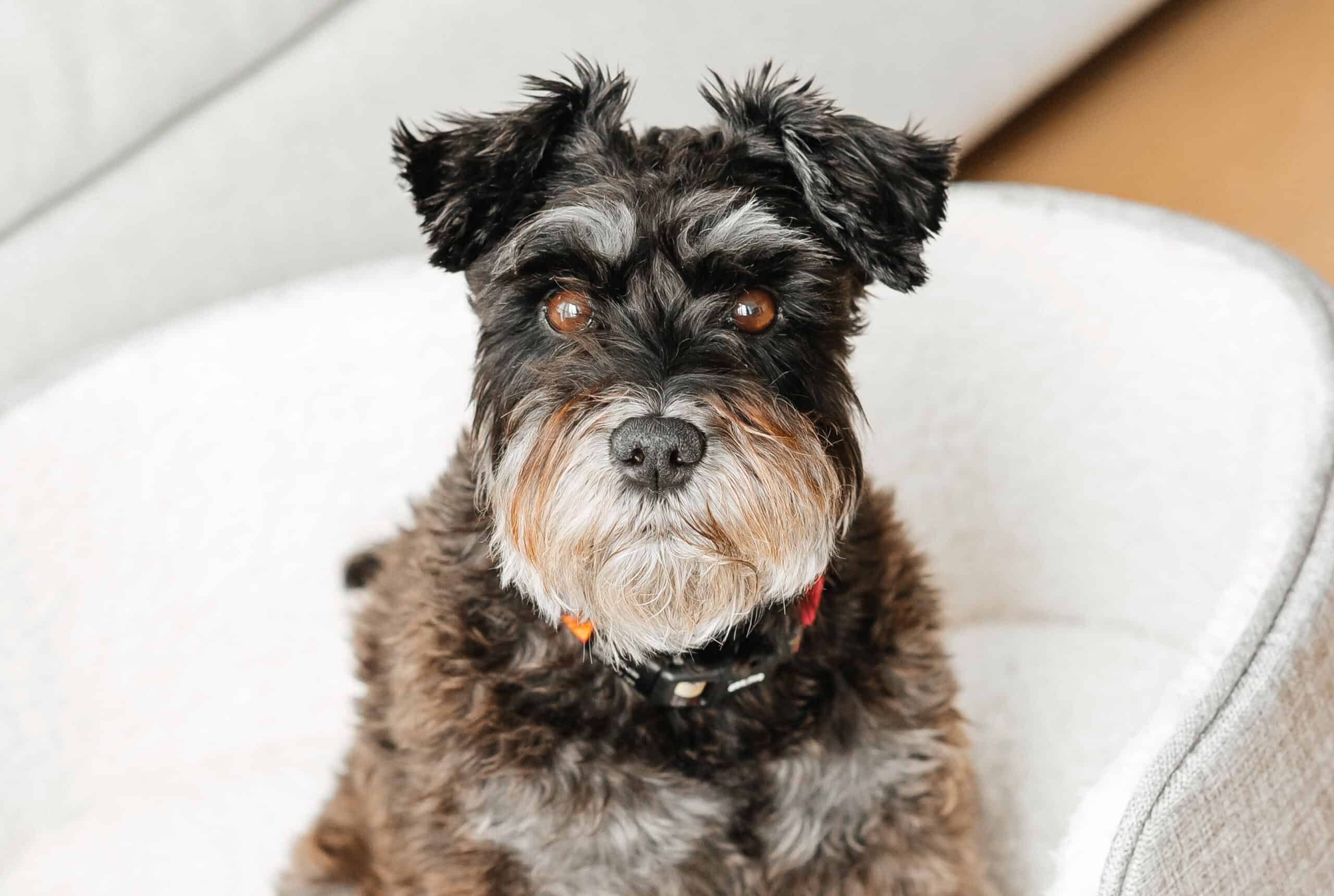
Toy schnauzer or also called a Teacup schnauzer is a smaller version of the miniature schnauzer. They typically range in size from 4 to 7 pounds and stand about 10 inches tall at the shoulder. Miniature schnauzers on the other hand are between 11 and 20 pounds and stand between 12 and 14 inches at the shoulder.
The toy schnauzer is not a breed recognized by the American Kennel Club, because it isn't a separate breed at all – it's simply a miniature schnauzer that is well below the breed standard's size. No major kennel club recognizes the toy schnauzer, and a miniature schnauzer under 12 inches is considered a fault in the show ring.
Most traits are quite similar in the toy / miniature Schnauzer. The main difference between these two types of schnauzers is their size. However, some health concerns are more common in toy schnauzers. If you love the look, see our list of dogs that look like a Schnauzer.

What makes the Toy Schnauzer so appealing?
Toy Schnauzers are appealing for a number of reasons. First, their tiny stature is well suited for today’s smaller living quarters and hectic lifestyles. They also need a little less exercise than larger dogs, although they are still lively terriers that need daily walks and play.
Additionally, their long faces and cute bodies make them very attractive puppies that many people enjoy having around. However, there are drawbacks and hazards associated with reducing dogs to tiny sizes.
Toy schnauzer’s health issues
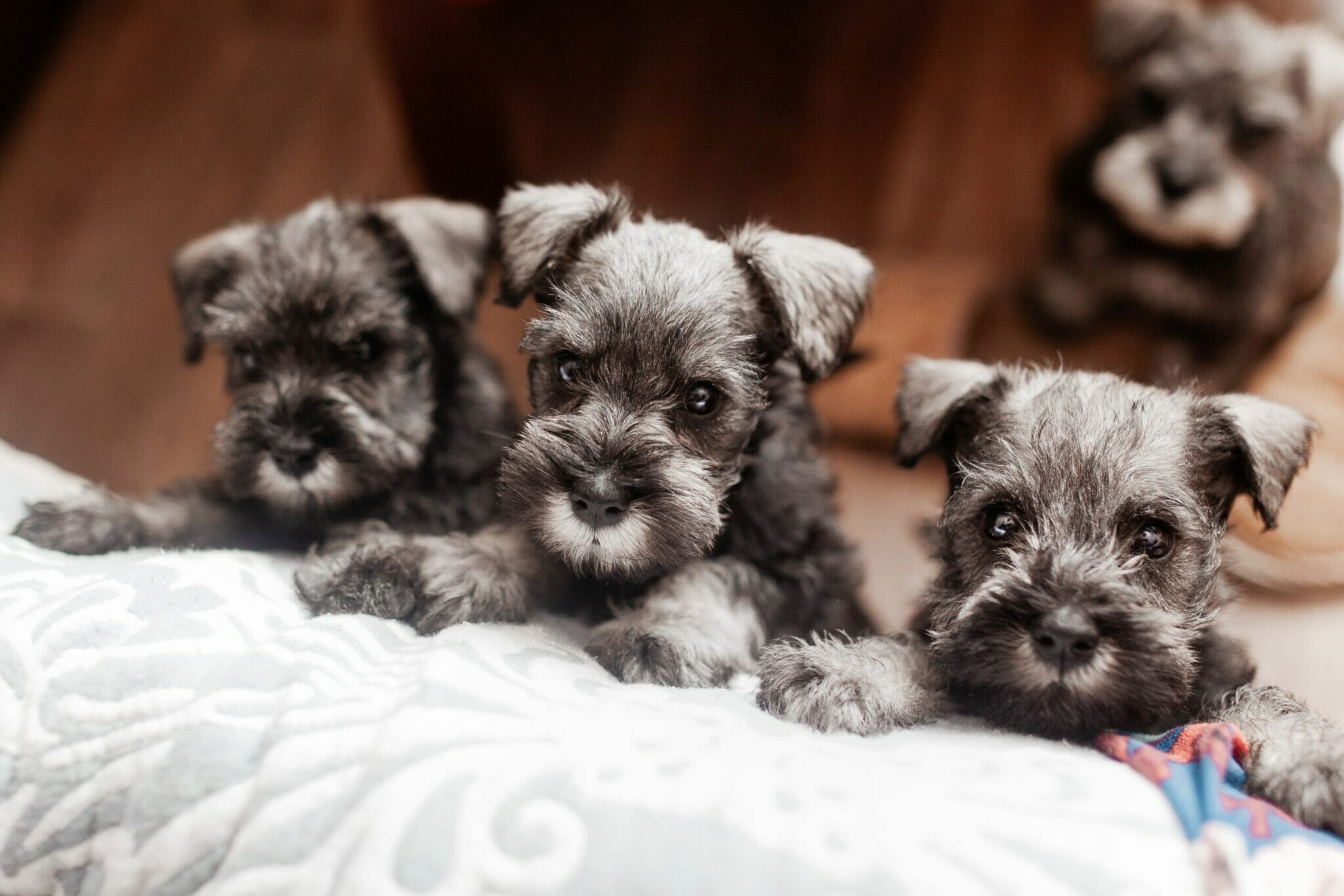
Miniature schnauzers are generally a healthy breed, with a lifespan of 12 to 14 years. Toy schnauzers share all the health concerns of the miniature schnauzer, and their tiny size adds more.
Very small dogs are more prone to low blood sugar (hypoglycemia, especially as puppies), broken bones from falls or being stepped on, crowded and failing teeth, kneecaps that slip out of place (luxating patella), and some congenital problems such as liver shunts. These are some of the health concerns to be aware of:
1Heart disease
Miniature schnauzers are predisposed to some heart conditions, such as mitral valve disease and an abnormal heart rhythm known as sick sinus syndrome. They are also very susceptible to dental problems because of their small mouths – even more so in toys – and severe, untreated dental disease has been linked to heart problems. Regular dental care and vet checks help catch problems early.
2Urinary stones
Urinary stones (bladder stones) are relatively common in miniature and toy schnauzers. A proper diet and plenty of water can help reduce the chances of developing them. See your vet if your dog strains to pee, pees small amounts often or has blood in the urine.
3Skin issues / allergies
Schnauzers of all sizes may also be prone to allergies and skin issues. Comedo syndrome is particularly common in the breed, causing blackheads, scabbing and hair loss.
4Myotonia congenita
Myotonia congenita is a muscular condition which causes the muscles to contract too easily, resulting in stiffness. This can lead to difficulties with movement and swallowing. It is an inherited condition in miniature schnauzers, and a DNA test is available, so a responsible breeder should be able to show that the parents have been tested.
5Cataracts
Miniature schnauzers are also at risk for developing cataracts, as well as ear infections, epilepsy, and hypothyroidism. They are well known for high blood fat levels (hyperlipidemia) and pancreatitis too, so a low-fat diet and avoiding fatty table scraps is important – call your vet if your schnauzer has repeated vomiting, belly pain or stops eating. We explain how the condition affects vision in what do dogs with cataracts see.

How is a Toy Schnauzer bred?
One way to breed a toy schnauzer is by mixing it with an even smaller breed. However, this can produce a mixed breed that might not have all the desired characteristics of a toy schnauzer.
The most common way is by repeatedly breeding the smallest dogs, often runts, together. Runts are sometimes small because of an underlying health problem, so this can concentrate health issues in the puppies and makes pregnancy and birth riskier for very small mothers.
Is breeding a Toy Schnauzer considered ethical?
Most schnauzer clubs and many vets say no. Critics argue that Toy Schnauzers are purely bred for a monetary gain, since breeding for extreme smallness puts size above the health and well-being of the dogs. Health problems are often exacerbated in these tiny dogs.
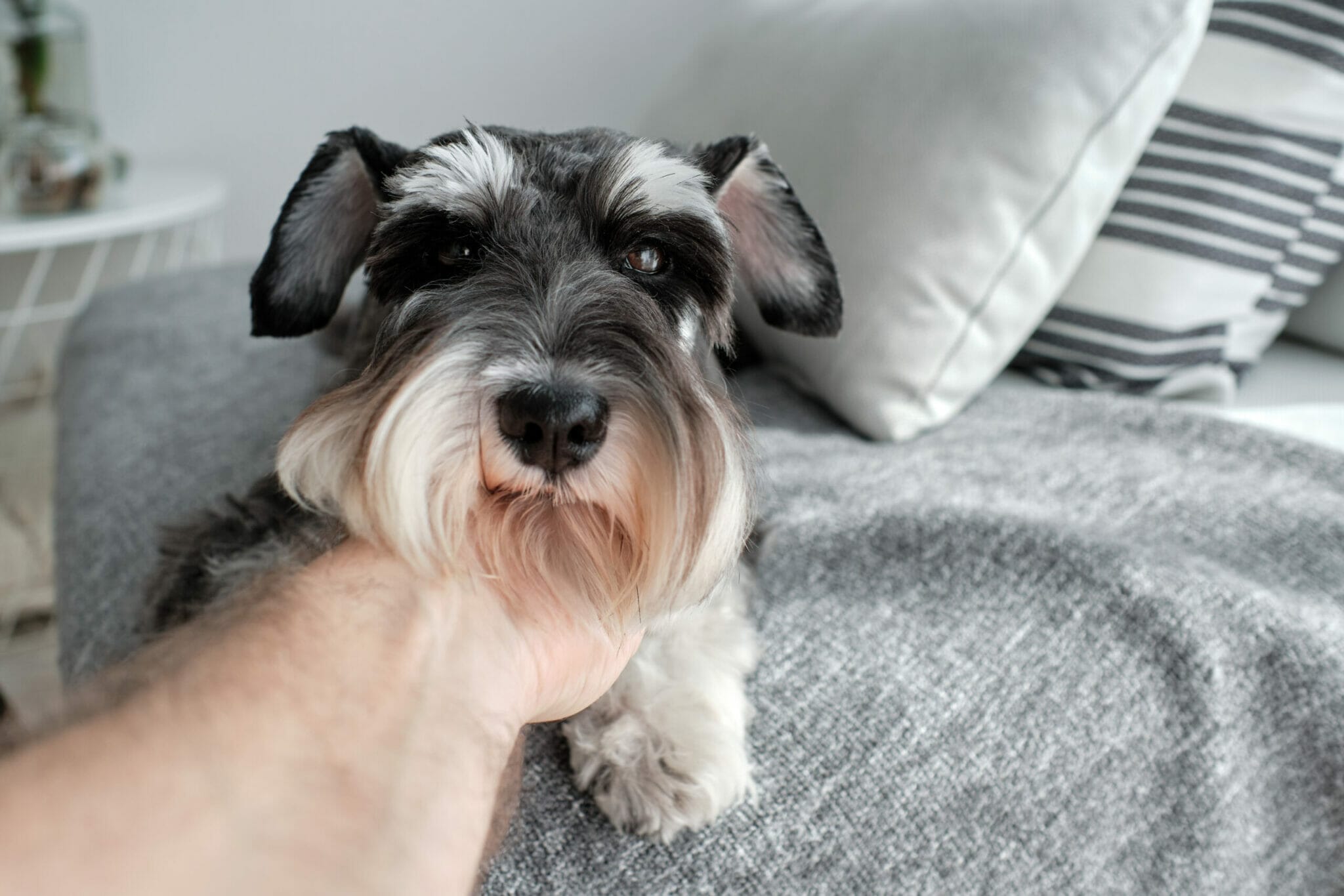
What is the price of a toy schnauzer vs a mini schnauzer?
Because toy schnauzers are marketed as rare, they are often sold for more than a miniature schnauzer – sometimes much more. Miniature schnauzers are much more common, and puppies from health-tested parents are usually easier to find. Prices vary a lot by region and breeder, so compare carefully, and remember that a high price is no guarantee of a healthy dog.
Should you buy a Toy Schnauzer?
We do not endorse the buying of Toy Schnauzers. If you want a small schnauzer, consider a healthy Miniature Schnauzer from a breeder who health-tests their dogs, or adopt one from a schnauzer rescue – and if you'd like a bigger dog, a Standard or Giant Schnauzer. If you are set on buying a Toy Schnauzer, be sure to do your research and purchase from a reputable breeder. Be prepared to pay a high price, and be aware of the health concerns that come with this breed.
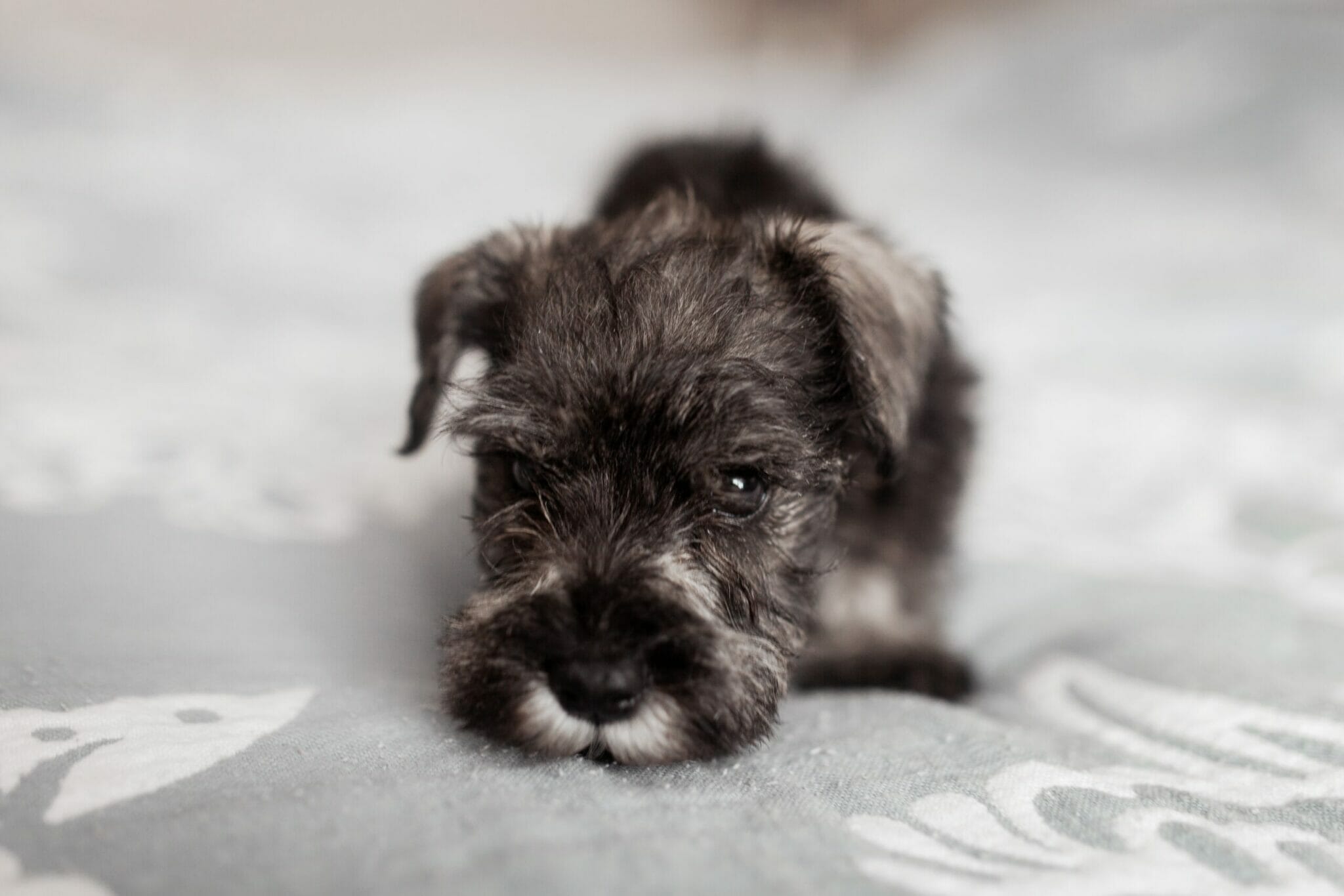
Final thoughts
The Toy Schnauzer is a controversial breed. While they may be appealing for their small size and cuteness, they come with a number of health concerns. Many people also consider their breeding unethical, as breeding for extreme smallness puts profit ahead of the dog’s health and wellbeing.
If you’re considering buying a Toy Schnauzer, we urge you to look at a well-bred or rescued Miniature Schnauzer instead (or a Standard or Giant Schnauzer if you have room for a bigger dog). They make just as good companions, without the extra health concerns.Whichever size you choose, our guide to the teddy bear Schnauzer haircut has grooming ideas.