Why Do Dogs Sniff Around Before They Poop? (Explained)
 Written by Tim de Jong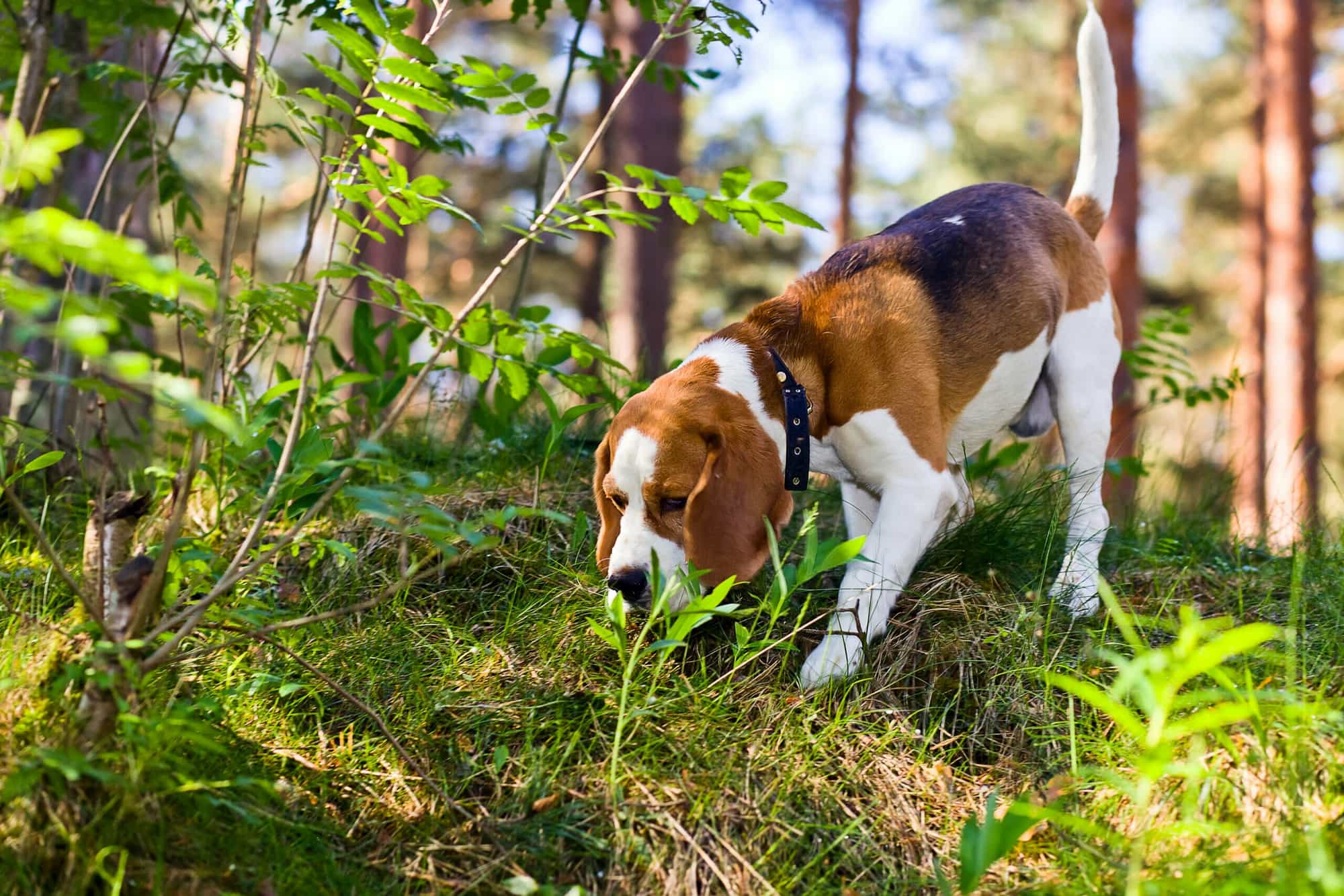
Dogs sniff around before they poop because they’re reading the scent messages other dogs have left behind and choosing the right spot to leave their own. Poop carries a dog’s personal scent, so picking a place is part communication, part territory marking – and some dogs also need to feel safe and comfortable before they’ll go.
Who would’ve thought going to the bathroom was so much work for our furry four-legged friends? It isn’t as simple as sitting down, doing the business, and hitting flush! Their sense of smell is the primary way dogs experience the world, so using their nose to find a place to relieve themselves is only natural.
Why do dogs sniff around before they poop? Keep reading to learn more about their nature and if there’s any way you can speed up the process if your dog takes forever to poop.
The root cause of the sniffing before pooping
Dogs consider pooping quite a public affair. It’s mainly about marking their territory, besides relieving themselves.
Every dog has a unique scent, partly produced by the anal glands on either side of the anus, which coat the poop as it passes. Although humans cannot detect them, dogs leave their scent everywhere and every time they pee or poop.
When you take your dog out for the toilet, he will start investigating and searching for the most recent scents left by other dogs and him. It’s like a world where borders and territories are constantly changing.
Your pup is continually evaluating and re-evaluating where it places its scents. Also, dogs can gather a wide range of information about other dogs living or strolling in the area and their surroundings from a single sniff of their pee or poop.
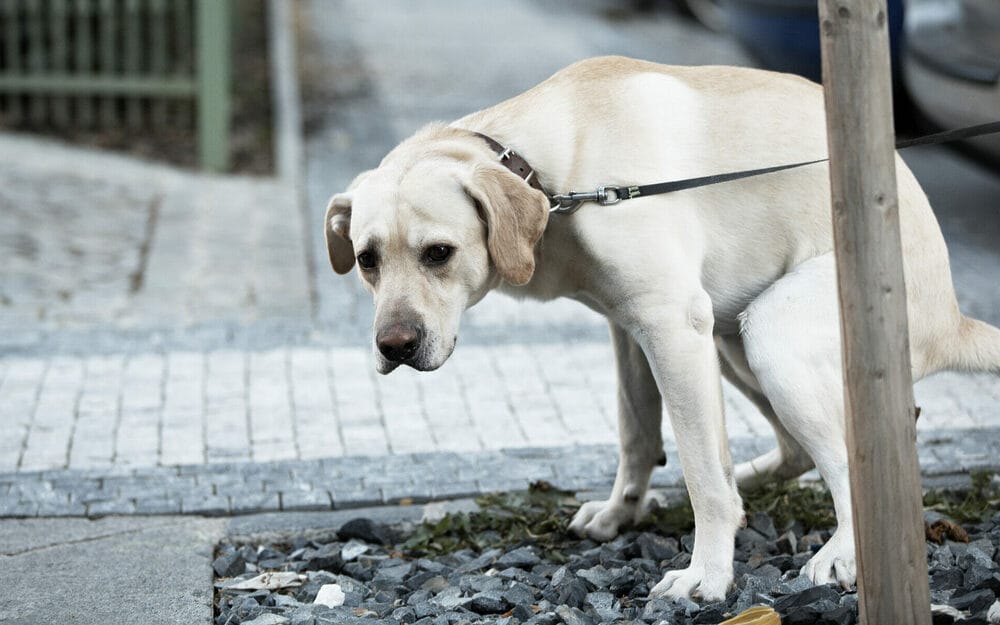
Although disgusting and entirely useless to humans, a dog’s poop contains information other dogs can gain with a sniff. It’s like turning on the news, where they learn much about the dog who left the poop.
Your dog can also learn about when the other dog has last been, whether there is any food lying around, whether it was a friend or foe, and if he should be concerned about anything in the surroundings.
Knowing that a single poop imparts that much information makes us understand why dogs don’t “just poop” anytime and anywhere.
Marking Their Territory with dog poop
Most of the time, it’s simply about marking their territory and giving the message about who the king of the area is. If your dog is sniffing around before poop, it could look for unclaimed areas to mark its place. Even if the area is already claimed, it may still choose to poop there and leave its own message on top.
The interesting thing is your dog shares this information with you, even though you might be oblivious to it sometimes. If he senses danger and feels scared when both of you are outside for his business, he will take longer to make his mark. If your dog has started refusing certain surfaces altogether, see why a dog suddenly won't go on grass.
Your dog will sniff around the area, false start, and then keep sniffing before defecating if he senses a threat.
Some dogs also seem to care about direction. A 2013 study published in Frontiers in Zoology found that, when the Earth’s magnetic field was calm, dogs preferred to line their bodies up along the north-south axis while pooping. So all that circling may partly be your dog getting lined up just right.
When marking his territory, your dog might also split his timing and pee and poop into different areas. That is because both the urine and feces release scent, allowing him to mark a larger area. If you want to steer that marking to one spot, see these dog pee post ideas.
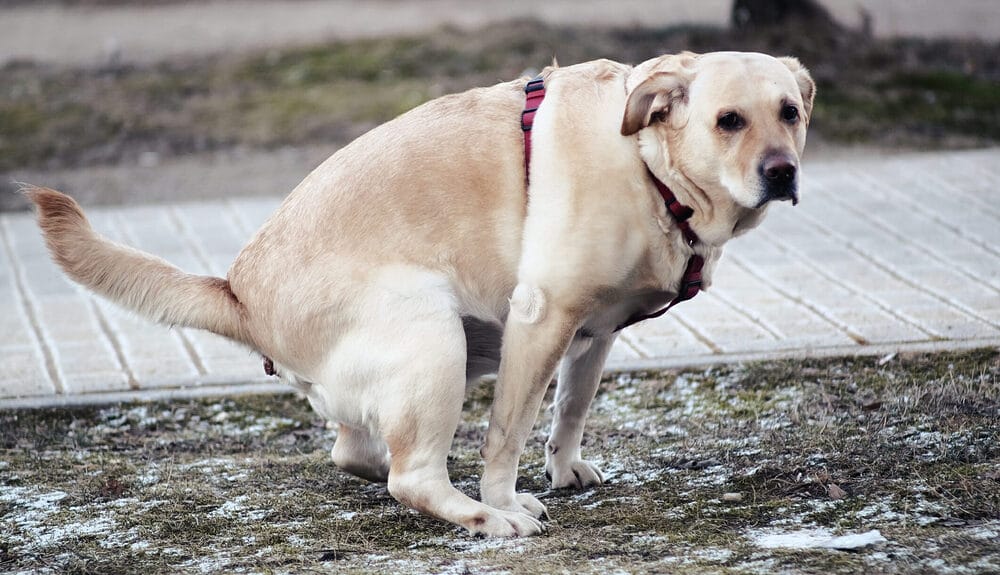
Communication via dog poop
Dogs have a sense of smell that’s estimated to be at least 10,000 times stronger than ours. They use it to communicate with one another.
Every dog’s distinct perfume allows other dogs to know if they are searching for a mate to reproduce. Female dogs in heat give off a different odor that gives the message to the other dogs visiting the same area.
Your male dog might acknowledge it and start behaving strangely in an effort to find this female. Unless your dog is neutered, you’ll simply need to accept this behavior while making sure his efforts go in vain – so keep him leashed.
Neutered dogs usually react much less strongly to a female’s scent, although they may still give it an extra-long sniff.
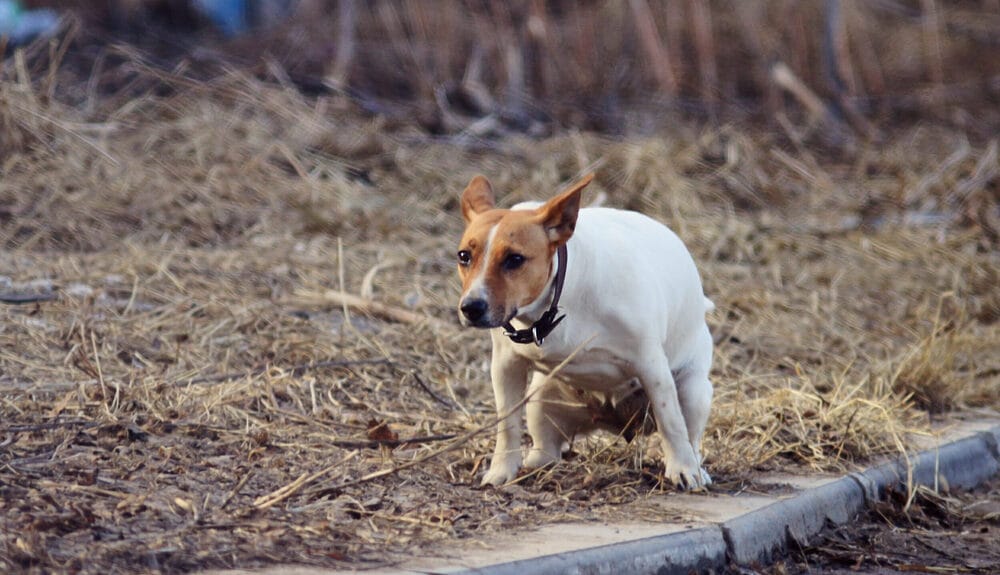
More Reasons Why Your Dog Sniffs Around And Takes Longer To Poop
There may be other reasons besides those mentioned above why your dog takes unusually long to go to the bathroom. You can determine which one based on your dog’s health, nature, and breed. If your dog asks to go out and then doesn't go at all, see why a dog whines to go out but doesn't potty.
1Mobility Issues
Older dogs or those with arthritis and orthopedic problems often take a longer time to get in position to poop. Since they might find it hard to squat, potty time can take more time.
These dogs will typically walk and squat while pooping to avoid pain and discomfort in their limbs. If your dog has suffered physical injuries recently, it will take him some time to poop like before.
Visit the vet if you’re not aware of your dog’s mobility problems and suspect there might be an underlying cause.
2More Outside Time
If your perfectly healthy dog is taking particularly long to smell around and poop, there’s a high chance he’s just enjoying the moment. He might want to stay longer outside if you only take him out for the bathroom or if the weather is lovely.
Consider increasing your dog’s outdoor time. Take him out more so that he finds it normal and his poop time less exciting. Your dog will stop considering poop time a reward and do his business quickly if you let him play outside more often.
3Your Pup Is Shy
Not all dogs are bold and confident. If you have a dog that looks the other way or have issues pooping in other people or dogs’ presence, they likely have anxiety.
No one enjoys being gawked at when they need to go to the bathroom; some dogs feel equally. Take your dog to somewhere isolated and less noisy where they can go number two privately.
Distracting environments and loud noises can startle the dogs and prevent it from doing its business smoothly.
Some pet owners train their pups to go to the toilet as soon as they go outdoors or reach a particular spot. You might want to start doing that if you have a new puppy. Training older dogs might give you a more challenging time, but you might just as well try if he is really hesitant.
Encourage The Behavior
It is essential for dogs to sniff; we simply cannot prevent them from doing it throughout their lives. Trying to stop your dog from sniffing the grass or surroundings is like making a human stop looking around to see the world.
However, many of us don’t have the time to wait around for as long as our dogs want to poop. You can’t (and shouldn’t) stop the sniffing, but you can encourage the process and speed it up:
- Stick to a schedule. Most dogs need to go shortly after waking up and 15–30 minutes after meals, so take them out at those times.
- Use the same spot. Taking your dog to the same potty area means familiar smells, which often makes him go faster.
- Add a cue word. Say a short phrase like “go potty” just as your dog starts to go, then reward with praise or a treat right after he finishes. Over time, the cue helps prompt him.
- Potty first, fun after. Keep things boring on the leash until he’s done, then start the walk or play session. Your dog learns that pooping quickly unlocks the fun part.
Constipation is possible in dogs, too. If your dog squats and strains repeatedly but produces little or nothing, it could be constipation – or diarrhea, which can also cause straining. Call your vet if your dog hasn’t pooped in two days, strains without result, cries out while pooping, or has blood in the stool or repeated diarrhea.
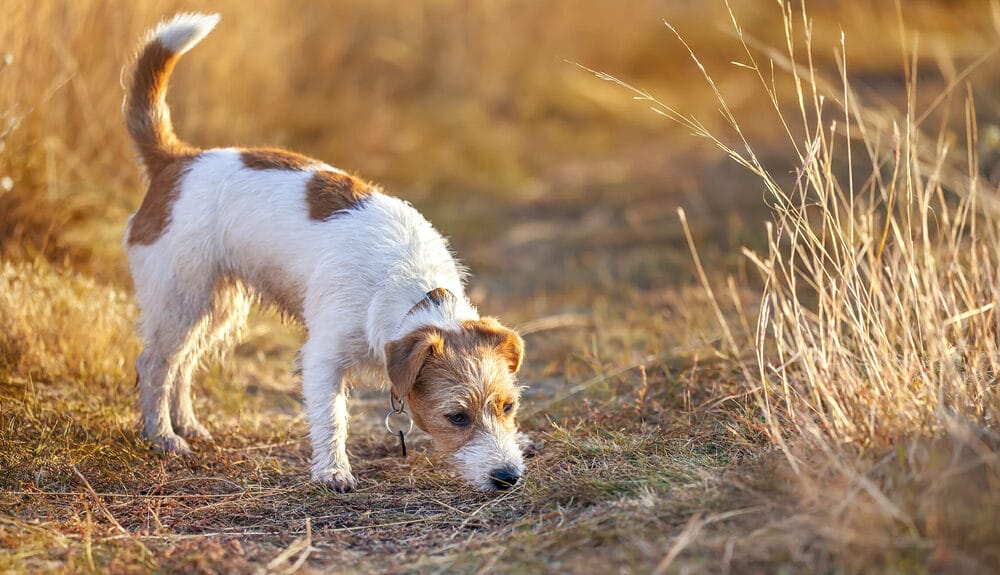
Other Things To Consider
You might see that your pup poops in the exact same spot every day if you regularly visit a specific dog park or have a usual walking route. In such a case, the dog may be competing with another canine for territory.
The two pups may be placing their scents above one another’s to compete and claim the location. Letting your dog encounter his counterpart might result in confrontation, although that depends on both dog’s natures.
If you want to avoid such encounters, encourage your pup to find and mark new territory. It will forget the former location after a while if you’re successful.
Is Kicking Before Pooping Normal Too?
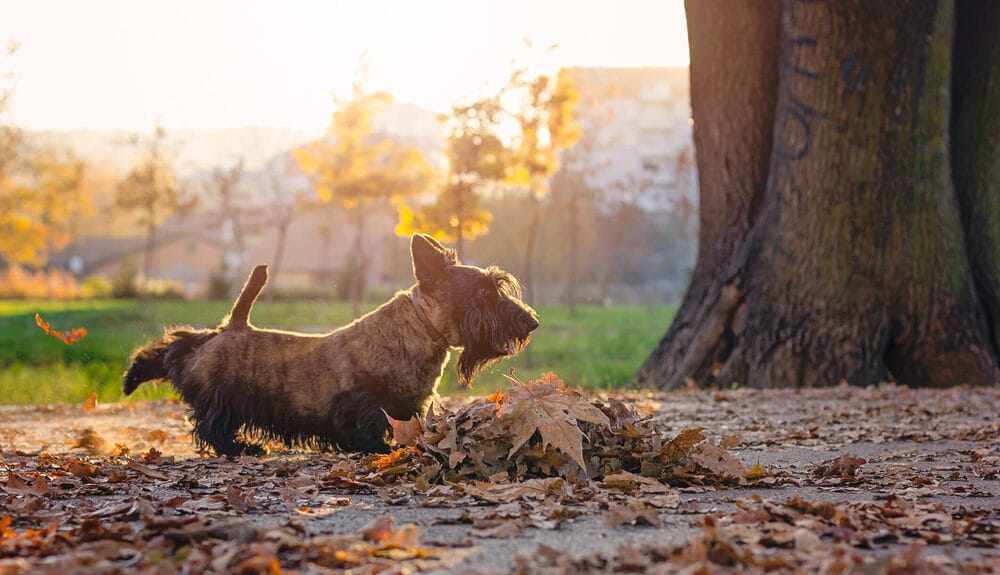
Your dog has chosen the best spot to drop his message and leave his mark. Sometimes he’ll even kick! Depending on his strength and size, it can be a cute or an embarrassing sight.
So, why the kicking after an endless round of sniffing, circling and dancing? If you’ve owned dogs for a while and know their behavior, you might have predicted the answer already- Scent Marking.
Dogs leave their scent wherever they go by moving or kicking the grass. Their cute paws have special glands that produce pheromones.
Although the kicking and scratching aren’t really necessary to let other dogs know that they’ve been there, dogs like to ensure that they leave their mark by behaving so.
So, don’t be alarmed when you see such behaviors from your dog after they take a poop. It’s normal for them to do things that amaze us and bring out our curiosity!
Conclusion
New dog owners may find it strange to see their dogs using their toilet time to communicate and engage with the rest of the dog community. Once you know what’s going on, though, the behavior makes a lot of sense.
Unless your dog takes longer than 15 minutes (although that depends on the factors mentioned above) to poop, it shouldn’t be a matter of much concern.
Before jumping to profound conclusions, ensure that your dog is healthy, has proper food, and gets enough time outside.
A little patience from our side is also required when it comes to letting these furry friends use the bathroom.