If your dog suddenly won’t go on grass, the most common reasons are paw pain (a cut, thorn, sting, or grass seed stuck between the toes), itchy paws from allergies, a new smell such as fertilizer or pesticide, wet or cold grass, or a scary experience in the yard. Start by checking your dog’s paws and between the toes, and call your vet if he’s limping, licking his feet a lot, or the paw looks red or swollen.
Is it because they’re afraid of getting their paws wet? Do they not like the way the grass feels? Or is there something else going on? In this blog post, we’ll explore some of the reasons why dogs may not want to go on grass and offer some solutions.
Why do some dogs hate grass? Is it natural?
A dog refusing to set his paws on grass can be due to various reasons, which can sometimes be related to injury or other health conditions.
So is a dog not walking on grass natural? There are no scientific explanations to determine that dogs have a natural no-go instinct toward the grass. However, past experiences or health issues can trigger these emotions, where your dog is simply following what it likes or prefers.
Furthermore, dogs can develop similar feelings for other surfaces as well, which means your dog might even refuse to walk on floor tiles or other surfaces.
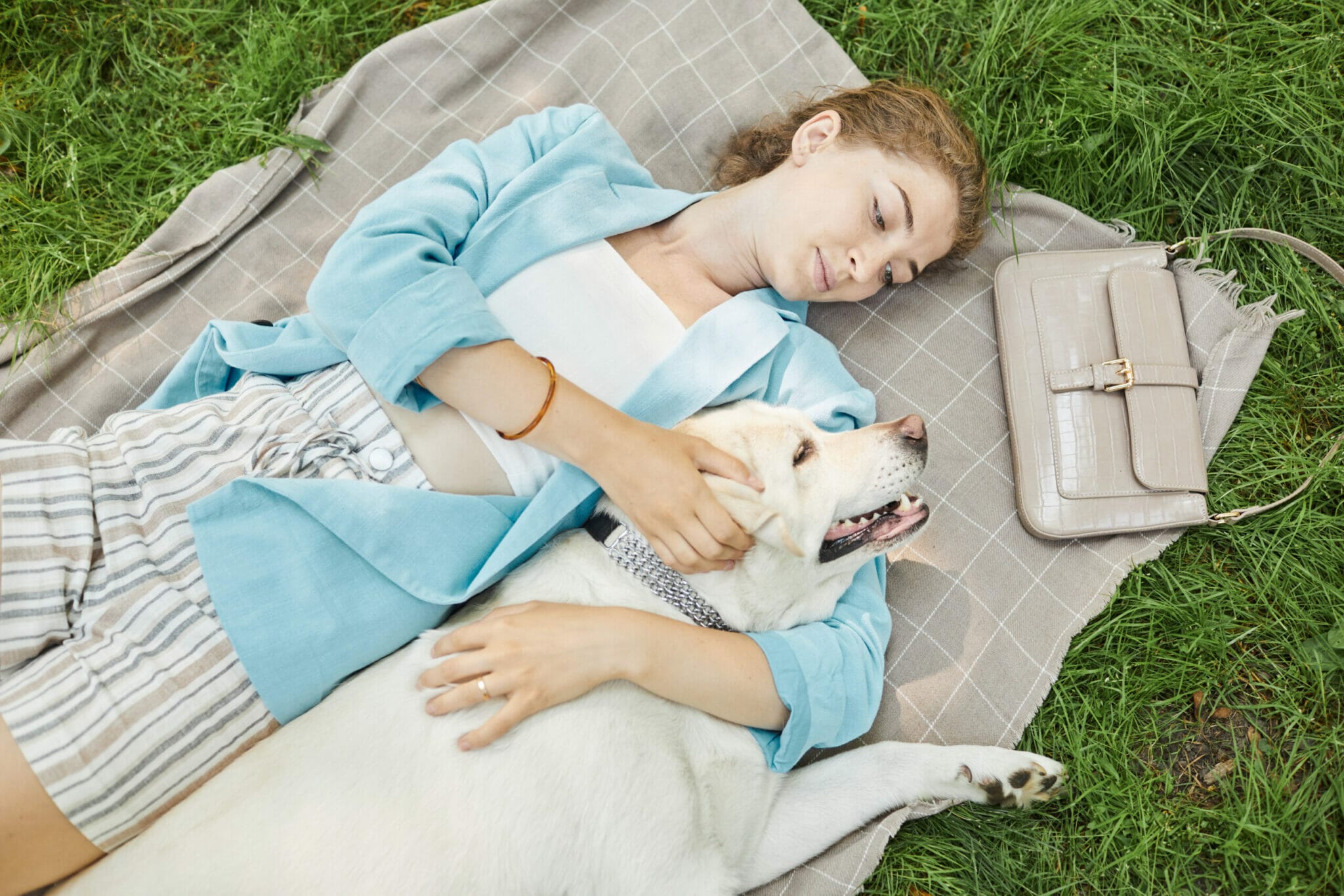
Reasons why dogs hate walking on grass
Witnessing your dog not walking on the grass can be frustrating, especially during the summers. While some dogs acquire this trait from an early age, dogs can also develop a hate for grass for different reasons at a later age.
Here are some of the reasons why dogs hate walking on grass.
1Unfamiliarity with grass
If you have adopted a dog from a shelter, your dog may not be used to grass. Many shelters and kennels have concrete flooring, and puppies raised indoors may have spent little time on natural surfaces.
So if you introduce a shelter pup to the grass, it will undoubtedly take some time for your new fur friend to adjust to the surface. Furthermore, grass often houses moisture or even insects, which can be entirely new to your new pup.
The best thing to do is to give your new pup some time and let it adjust to the conditions. Once your pup adjusts to the feeling of grass, it will undoubtedly love playing and romping on the new surface.
2Weird smells
Dogs are very particular with their sense of smell, so if they find anything that doesn’t suit their nose, they may reject your backyard.
For instance, many dogs dislike citrus fragrances, including orange, grapefruit, or lemon. So if your backyard has these plants, or someone has used a citrus-scented product outside, your dog might avoid going out on the grass.
However, not all dogs hate the citrusy smell, and if your dog is one of them, there might be some other things at play like a recent fertilizer or pesticide treatment, specific weeds, or the scent of another animal that has visited the yard. If the lawn has been treated, keep your dog off it for as long as the product label recommends (usually until it’s fully dry), and rinse his paws if he walks on it. Mowing your backyard can also improve the chances of getting your fur friend back on the grass.
3Wet grass
Wet grass is one of the places many dogs avoid, as they find it unpleasant. If your dog only refuses the grass after rain or on dewy mornings, this is the likely reason.
Furthermore, wet grass is often cold and might stick to your dog’s paws.
However, you can train your dog to walk on wet grass by offering treats or engaging him with an activity. You can also encourage your dog to play on wet grass by accompanying him and giving positive feedback.
4Injuries
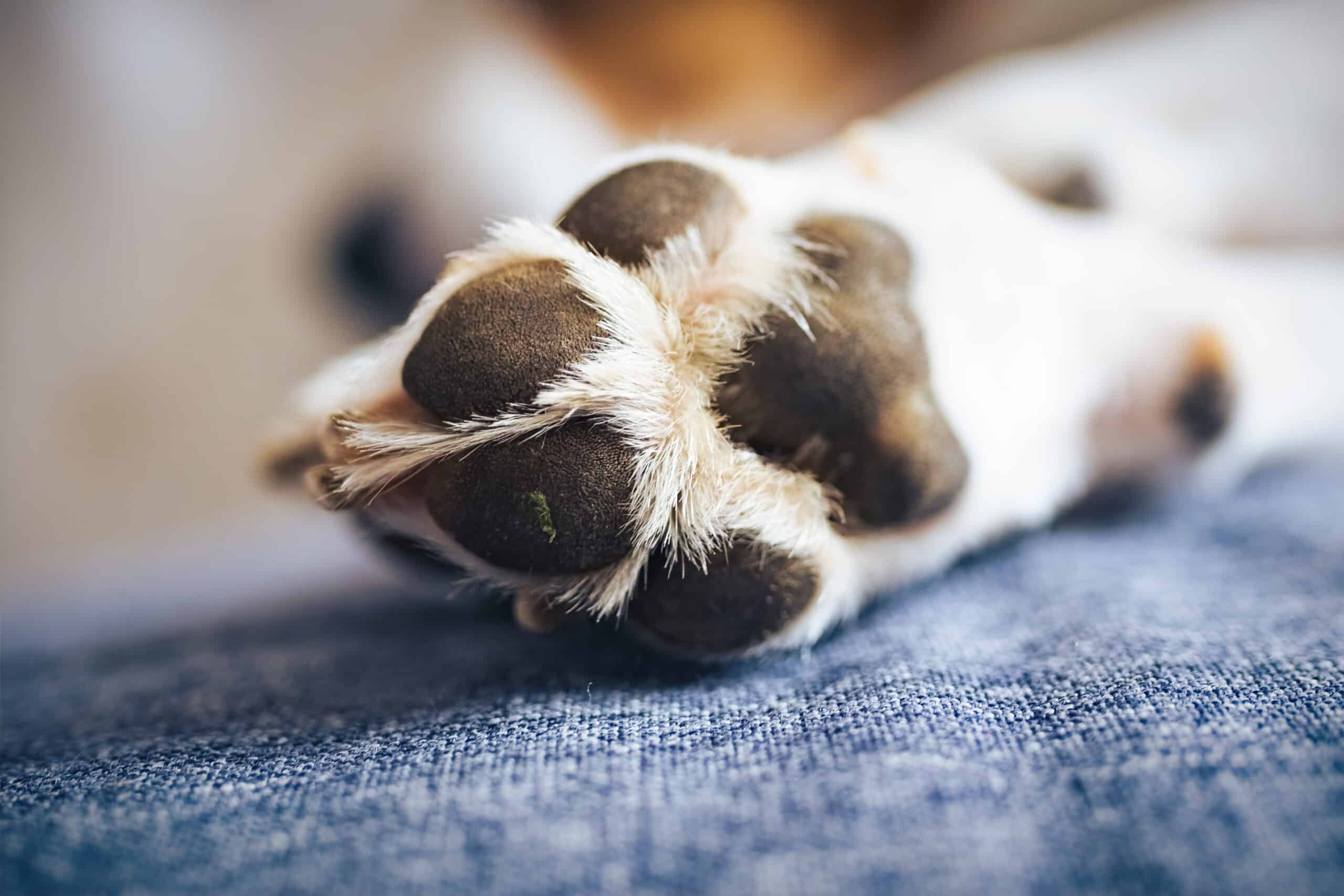
If your dog has an injury on his paw, stepping on grass can hurt. Common culprits include small cuts, thorns, bee or wasp stings, and grass seeds (like foxtails) that work their way between the toes. Arthritis or other joint pain can also make uneven ground uncomfortable.
Allergies are another frequent cause. Some dogs are allergic to grasses or pollen, which makes their paws itchy and inflamed after time on the lawn. Signs include licking or chewing the feet, red skin between the toes, and rusty-brown staining of the fur.
If you notice any change in behavior or body movement, it would be best to inspect your dog’s body and paws, spreading the toes to check in between. See your vet if your dog is limping, keeps licking a paw, or you see swelling, redness, or a lump between the toes, as embedded grass seeds often need to be removed by a vet. Make sure any injury is fully healed before expecting your dog to walk on the grass happily again.
5Fear
Bad experiences with thunderstorms, fireworks, wild animals, or other pets can also hinder your dog’s liking for grass. For instance, if your backyard has a frequent visitor, your dog might stop visiting the grass, probably due to a bad experience.
Sometimes, adopted dogs avoid grass due to their bad experience with their previous owner. The best way to encourage your dog to go out is to observe them for some time when they play in the backyard.
This way, you will understand why your dog is avoiding that place.
How to encourage your dog to walk on grass
Most dogs look to the lawn when it comes to the bathroom, which is a natural instinct for dogs (it's also why dogs sniff around before they poop). However, fear or unpleasant feelings about grass can force your dog to stay indoors, even for the bathroom.
In short, encouraging your dog to like the outdoors or grass becomes essential.
Here are the things you can do to help your dog.
- Use training treats and commands to get your dog on the grass. Making things engaging and exciting will undoubtedly overcome the unpleasant feelings and help your dog to walk on the grass.
- Besides walking on grass, ensure that you make a scheduled walking routine to help your dog adjust to different surfaces.
- Mow your backyard frequently and identify plants or weeds that might produce weird smells for your dog.
- Spend time with your dog and check for the possible intrusion of other pets or wild animals while they play. This way, your dog will develop a positive attitude towards the grass and conquer his fear.
- Never drag or push your dog onto the grass. Start at the edge, reward every step, and let him set the pace. Dog booties can help if wet or prickly grass is the problem.
Final Thought
Although familiarizing a dog with grass might take some time, proper engagement and motivation will help your dog overcome his fears.
We hope that this article has helped you understand this condition and how you should deal with it.