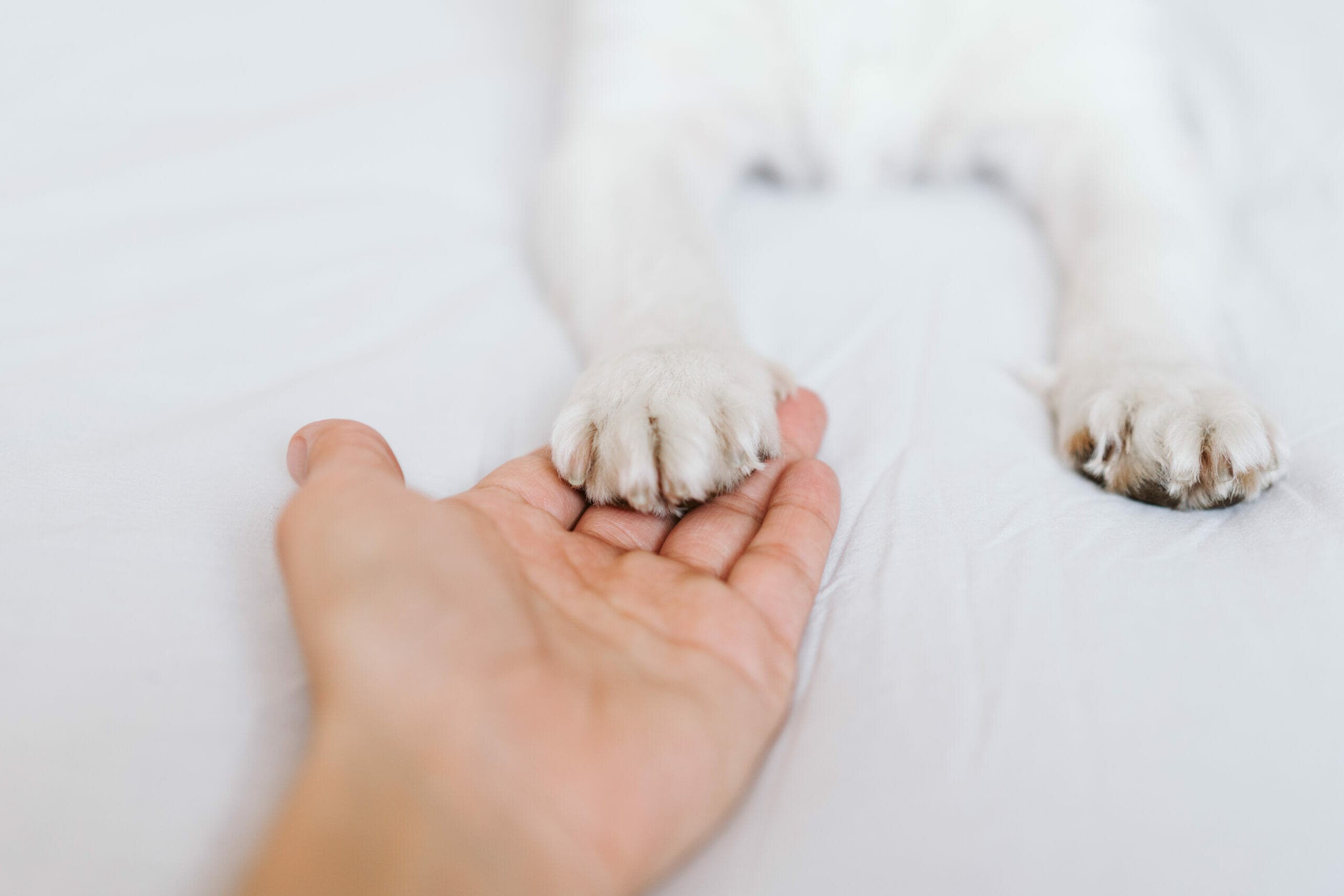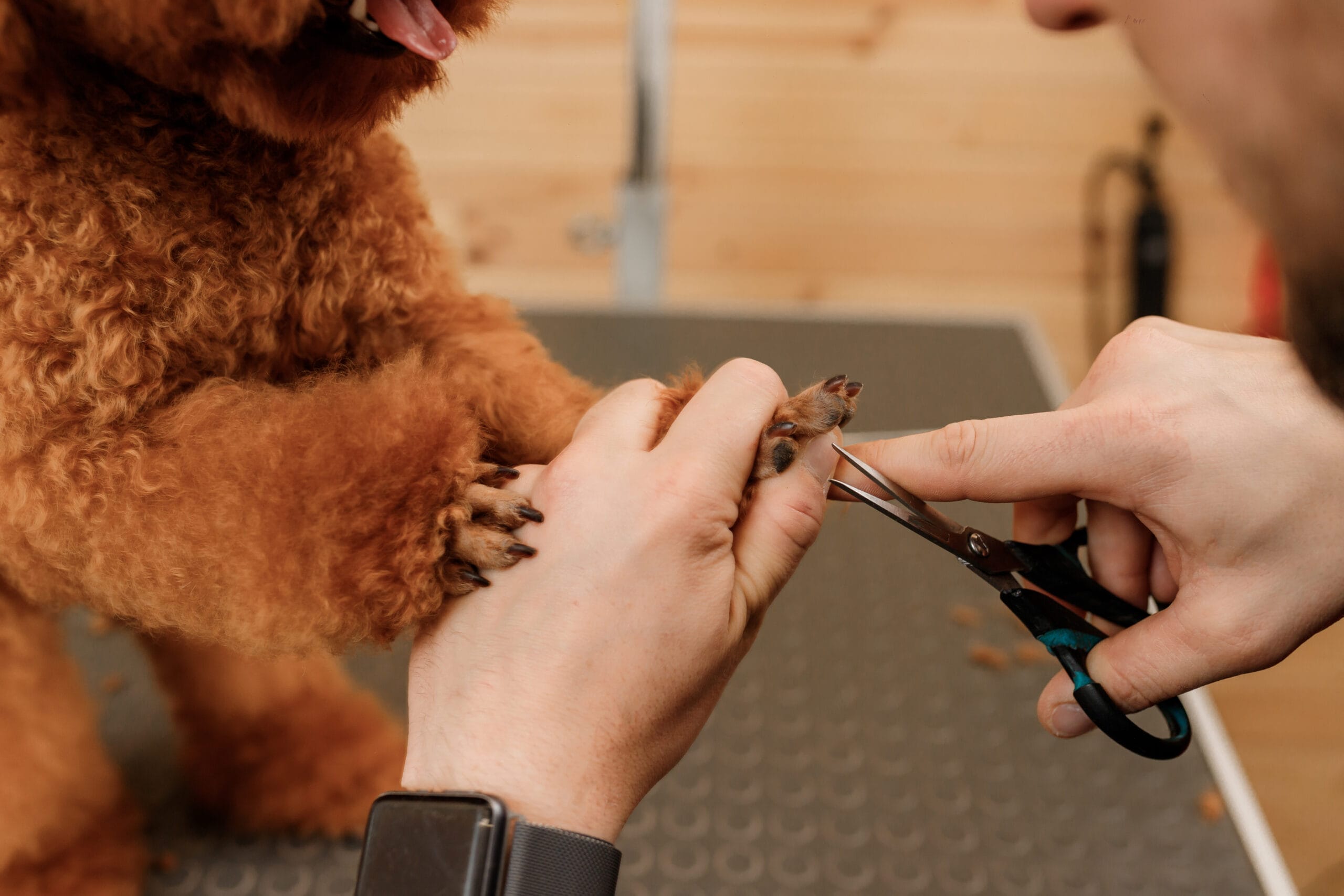

The white powder you see when you pet your dog is almost always dandruff: tiny flakes of dead skin, often mixed with dried skin oil (sebum). A few flakes are normal, especially in dry winter air, but lots of flakes usually mean dry skin or a problem with sebum production called seborrhea, which can be triggered by allergies, parasites, hormonal disease or diet. If the flaking is heavy, itchy or comes with hair loss or redness, see your vet.
In this post, we’ll dive into the topic of white powder when petting your pup, the role sebum plays, what it means and how to address any potential issues that may arise.
What is sebum?
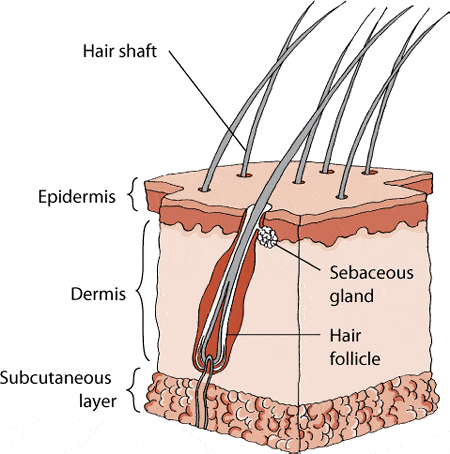
Sebum is an oily, waxy substance made by the sebaceous glands, which are located in the hair follicles. Sebum itself isn’t a white powder, but when the skin makes too much or too little of it, skin cells clump and flake off as white dandruff.
When your dog sheds or you pet them, these white flakes can be seen in the coat, on the floor or on your clothes.
Why Do Dogs Have Sebum?
Sebum is necessary for keeping the skin and hair healthy. It helps to lubricate the skin and hair, and it also provides a barrier against bacteria and other harmful substances.
Too much sebum can lead to oily skin and hair, but too little can result in dryness and irritation.
Therefore, it is important to maintain a healthy balance of sebum in order to keep your dog’s skin and hair looking their best.

What Causes An Excessive Amount Of Sebum?
Problems with sebum production (seborrhea) are usually a sign of something else going on. Common causes of excess sebum and white flakes include:
- Allergies to food or things in the environment, such as pollen and dust mites
- Parasites, including fleas and Cheyletiella mites – nicknamed “walking dandruff” because the flakes can appear to move
- Hormonal conditions such as an underactive thyroid (hypothyroidism) or Cushing’s disease
- Skin infections caused by bacteria, yeast or ringworm
- Genetics – some breeds, including Cocker Spaniels, West Highland White Terriers and Basset Hounds, are prone to inherited seborrhea
- Dry skin from low humidity, bathing too often or harsh shampoos
Moreover, inadequate or unbalanced nutrition, particularly a lack of fatty acids, can also show up as a dull, flaky coat, so it is crucial to provide your pup with a complete diet that meets their needs.

Health Problems Associated With Sebum
If your dog is producing an excessive amount of sebum, it can lead to several health problems, such as:
1Oily Skin
Oily skin in dogs is not only detrimental to their health, but can lead to an accumulation of bacteria and yeast. This can further cause a range of issues ranging from skin infections, relentless itching, and foul odors.
2Hair Loss
Overproduction of sebum not only causes problems for dog skin, but can also lead to hair loss. Sebum blocks the follicles and inhibits new growth from occurring. We cover hair loss in more depth in home remedies for alopecia in dogs.
3Skin Infections
Left uncleaned, sebum accumulation can lead to skin infections; its presence opens the door for bacteria and yeast which in turn causes irritation, itchiness and redness.
4Dandruff
Sebum problems are a major cause of the irritating and unsightly flaking known as dandruff – the white powder you notice when petting your dog. These flakes are dead skin cells mixed with sebum.
Call your vet if the flaking is heavy or sudden, or if your dog is itchy, losing hair, has red, scabby or smelly skin, or the flakes seem to move. Also book a check if it comes with other changes such as weight gain, lethargy or increased thirst, as these can point to a hormonal problem. Your vet can look for parasites or infection and may prescribe a medicated shampoo.
How To Care For A Dog With Sebum Problems
If your pup is overproducing sebum, there are a variety of measures you can take to help them feel better. Here are just some options:
Get The Ideal Dog Routine, free
A 10-page guide written by a vet: a sample daily routine, exercise and alone time, and grooming and vet check schedules.
We'll email you the download link. Unsubscribe anytime.