The best ways to prevent burrs on dogs are to keep the fur on their legs, belly and feet trimmed short, coat the fur with a dog-safe detangler or a little oil before outdoor trips, use a vest and booties, stay on cleared paths, and check and brush your dog right after every walk. No method is 100% effective, but together they cut down dramatically on burrs.
If you use your dog for hunting or love hiking through woods or dry grasslands, you’d probably know about burrs. These spiky seeds latch onto your dog’s fur, which can cause a lot of problems if not handled properly.
Although burrs caught on your dog’s fur might not cause discomfort, they can penetrate deep or cause skin irritation if you do not remove them. Furthermore, burrs caught on paws, toes, nose, or other sensitive areas can be painful and can even cause skin infections.
So how to prevent burrs on dogs?
Although some dog owners have mastered the trick of preventing these sticky invaders, most of us have to deal with the process of removing burrs after returning from an activity. This article lists the ways you can prevent burrs from invading your dog’s fur.
But before moving to our prevention list, let us learn more about burrs.
What are the burrs that get stuck in dog fur?
Burrs are dry seed heads covered in tiny hooks or spines. Plants such as burdock and cocklebur use them to hitch a ride on passing animals, which is why they latch onto a dog’s fur so easily.
You can find burrs in different sizes and shapes, which can even cause skin infections if they come in contact with your dog’s skin. Furthermore, if your dog swallows these seeds, it can cause digestion and breathing issues.
In short, burrs can become a menace for your dog, and avoiding them will keep your dog safe.

How to Prevent Burrs on Dogs
If your dog maintains an indoor life, you will hardly face any problems with burrs. However, if you live on farmland or near a forest, your outdoor activity might include hunting or hiking with your dog, which means burrs can be inevitable.
Thankfully, there are some ways which you can follow to avoid burrs.
1Use vegetable oil
Applying or spraying vegetable oil on your dog’s fur is a good way of keeping burrs away from your dog’s fur. Since vegetable oil makes your dog’s fur slippery, burrs will have a hard time sticking to it.
Vegetable oil also enhances the removal process, and you will have no issue while removing burrs from your dog’s fur. We cover a similar trick in using olive oil for matted dog hair.
Although you can use other options like baby oil for the job, we recommend vegetable oil as it’s non-toxic if your dog licks a little off. Use only a light coating, though – large amounts can upset your dog’s stomach and an oily coat attracts dirt, so wash it out after the trip.
2Use tangle remover
Besides using vegetable oil, tangle removers are also effective and somewhat better than vegetable oil. Choose a detangler made for dogs and free from alcohol, which can dry out the skin.
Furthermore, tangle removers offer long-lasting performance against burrs, making it ideal if you love extensive outdoor sessions.
3Keep the coat trimmed
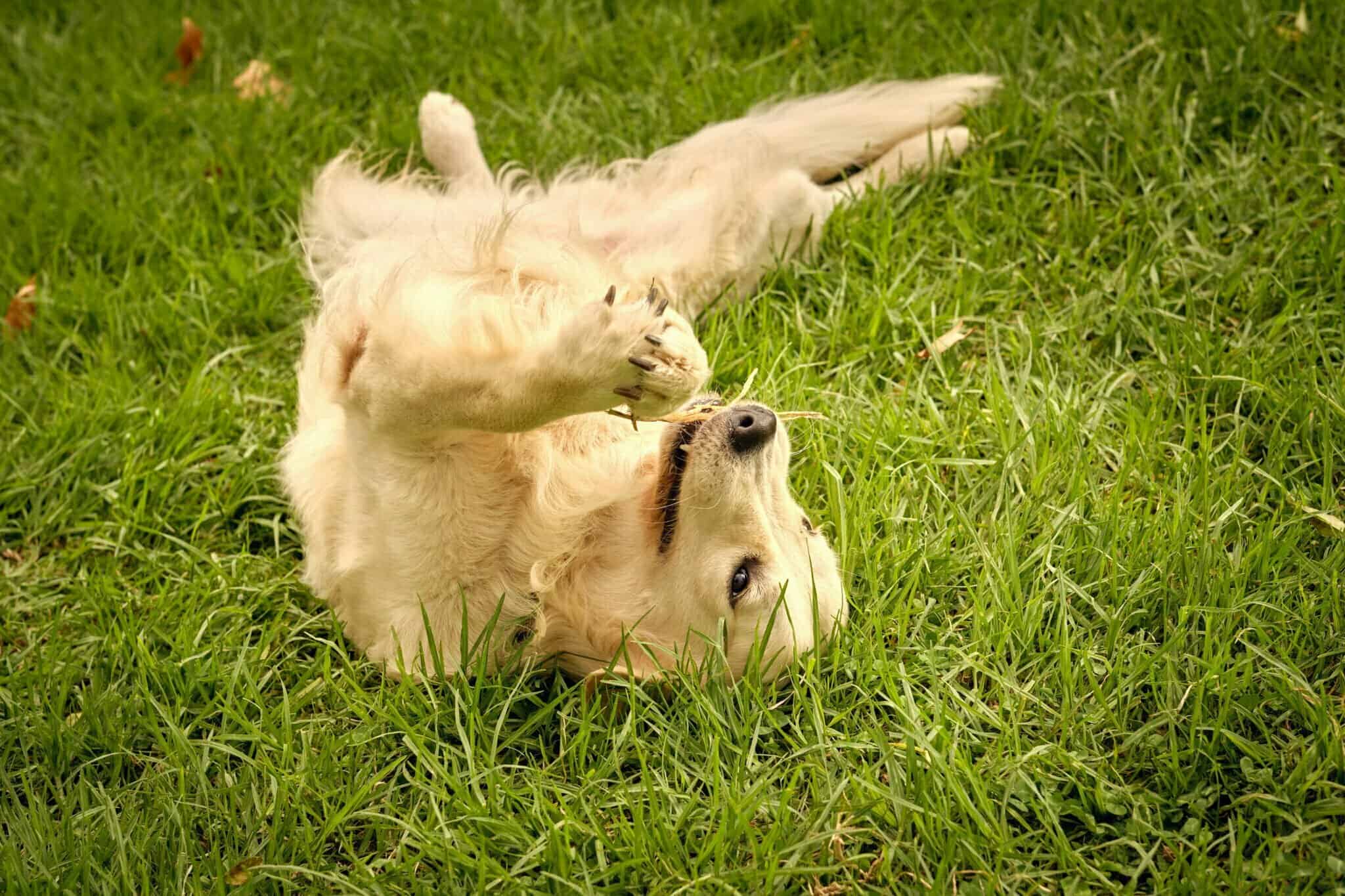
Long feathering on the legs, belly, ears and between the toes acts like Velcro for burrs. Ask your groomer for a tidy “field trim” on these areas before burr season, or keep the fur between the paw pads short yourself. Less fur means fewer places for burrs to grab and a much quicker clean-up.
4Use protective outfit
Another product that can prevent burrs from attacking your dog’s fur is to use vests or jackets. These outfits can cover most of your dog’s body parts and prevent burrs from attaching.
Although they are not as effective as vegetable oils or tangle removers, vests can be an ideal solution. You can also use booties to protect your dog’s paws if your dog is ok with them. Paws pick up other sticky things too; see how to remove tar from dog paws.
5Use a leash
Using a leash while walking through the woods will help you control your dog and his movement. You can pair a leash with a protective vest to get maximum protection from burrs.
6Avoid woods
Although this option is not feasible with hunting dogs, if your outdoor adventure involves just walking, you can avoid dry grasslands and woods. Burrs often grow in dense vegetation, so avoiding it can keep your dogs away from burrs.
7Remove burrs quickly
Although this option is not a foolproof prevention technique, removing burrs soon after noticing them can minimize your work after you reach home. Furthermore, burrs can penetrate deep into the fur and cause problems like skin irritation and infections. So, running a check after every 30 minutes will help you to reduce the number of burrs clinging to your dog’s fur.
8Mow the yard
If your dog’s walking routine falls within your farmland, mow the area frequently to control burrs. You can also use commercial weed killers to control weeds, but it can be dangerous for your dog.
Since commercial weed killers contain various harmful chemicals, your dog might swallow some while playing, which can result in dire consequences. In short, it would be best not to use commercial weed killers for controlling burrs.
How to remove burrs from your dog’s fur
If your outdoor adventure involves excessive hunting and hiking through different terrains, you will have to deal with burrs, even if you follow our prevention tips.
However, using a vegetable oil or tangle remover can ease the removal process, making it less challenging.
Here are the steps you can follow to remove burrs from your dog’s fur.
1Get the tools
Get all the essential tools like protective gloves, scissors, a wide-toothed comb, and sometimes pliers before proceeding with the removal process.
2Put on your gloves
Put on the protective gloves and remove loose and visible burrs using your fingers. Ensure that you progress gently without pulling the fur.
3Use wide-toothed comb
Once you remove all the visible burrs, use the wide-toothed comb to remove burrs from severely tangled fur.
4Break the remaining pieces
If you encounter a tough burr, you will have to use the pliers to break it into smaller pieces. Once you break the burr, you can use the comb to remove the broken pieces. However, be careful, as pliers can also hurt your dog if not handled properly – keep them well away from the skin.
5Finishing touches
If you have a long-haired dog, you can use scissors to cut out burrs that won’t comb free. Slide a comb between the burr and the skin first and cut on the outside of the comb, as it’s very easy to nick a dog’s skin. After you complete this process, comb through the coat once more and check the paws, armpits and ears. If you're choosing grooming scissors, see are dog thinning shears the same as human ones.
When burrs and grass seeds need a vet
Burrs usually stay in the coat, but sharp grass seeds such as foxtails (grass awns) can work their way into the skin, ears, nose, eyes and between the toes, and keep travelling deeper. Call your vet if your dog suddenly shakes their head or paws at an ear, sneezes repeatedly, squints, licks one paw constantly, or has a painful lump or swelling – especially after a walk through long grass. Don’t try to dig out anything embedded in the skin, ear or eye yourself.
Final Thought
Removing burrs from a dog’s fur is challenging, especially when you have a long-haired dog. So opting for a preventive measure will provide maximum protection from burrs.
Although these preventive measures do not provide a 100% guarantee, you will still see a lot of improvement and far fewer burrs when you take your dog out for a hike or hunt.