
Eye supplements cannot cure, dissolve or reverse cataracts in dogs – surgery is the only treatment that restores vision. Antioxidant supplements may support eye health and possibly slow the progression of some cataracts, but the evidence is limited, so think of them as a supportive extra, not a treatment.
Let’s make it clear once and for all: supplements don’t do magic. Cataracts can lead to blindness and, if left unchecked, to painful complications such as inflammation inside the eye and glaucoma. That's why every dog with cloudy eyes should be examined by a vet, who may recommend surgery, monitoring, eye drops, and sometimes supplements as supportive care.
In this article, we will discuss the supplements for dogs with cataracts and cover the best supplements.
Role of Supplements in a Dog’s Life
Believe it or not, one-third of all dogs and cats in the USA are taking dietary supplements. Still, there is a lack of scientific proof that supplements truly work. Depending on the product, supplements are used to support:
What Supplements Can Do For Your Dog:
- Improved cognitive function
- Improved cardiopulmonary function
- Shiny coat
- Healthy eyes
- Normal digestion
Even if supplements don’t cure a disease, some can play a useful role in your dog’s overall health – ideally with your vet's input.
Supplements come in many forms, including:
- Pills
- Oils
- Powders
- Chews
- Liquid
Most Popular Supplements for Dogs
Even if your dog is perfectly healthy, you can add some supplements to its diet. Some of the most popular supplements support the digestive system, which is why probiotics are widely used in veterinary medicine.
Another popular supplement is fish oil. Salmon oil is a common alternative, and their effects are very similar. These products can improve the dog’s skin, cardiovascular system, and cognitive function.
Antioxidants are also widely used for pets. Dogs naturally produce antioxidants, but their natural defenses decline with age, which is why antioxidants are often suggested for senior dogs.
Our tip is to avoid human supplements strictly. Even supplements for babies can be harmful to your puppy. These products might contain some hazardous substances like xylitol which is highly toxic for dogs.
Are Supplements Effective in Dogs With Cataracts?
Supplements may help slow the progress of some cataracts, but there isn’t enough research yet to give a definite answer, and no supplement can make an existing cataract disappear.
That said, some studies suggest that certain antioxidant supplements may delay the progress of cataracts.
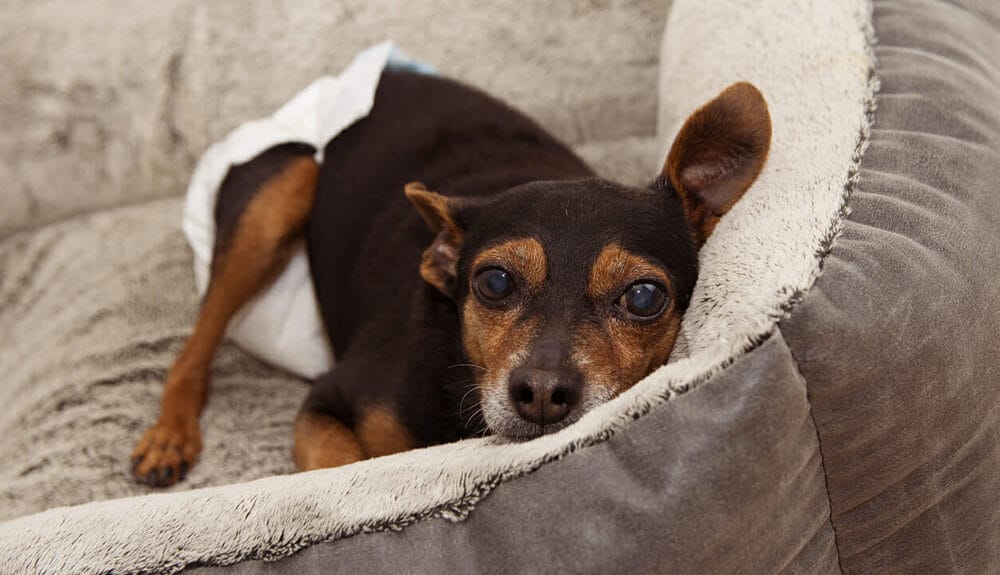
Supplements are most useful as an add-on to surgery or other therapy, and results depend on the product and its ingredients. Research also suggests that supplements are great for many eye-related health issues as supportive care – but conditions like conjunctivitis and glaucoma need proper veterinary treatment, and glaucoma in particular is an emergency.
Before adding a supplement to your dog’s diet, we advise consulting with your vet. Some dogs might suffer from other diseases, and supplements can do more harm than good in certain situations.
In the end, supplements may support your dog’s eye health, but they are not a substitute for a vet exam.
When to see a vet
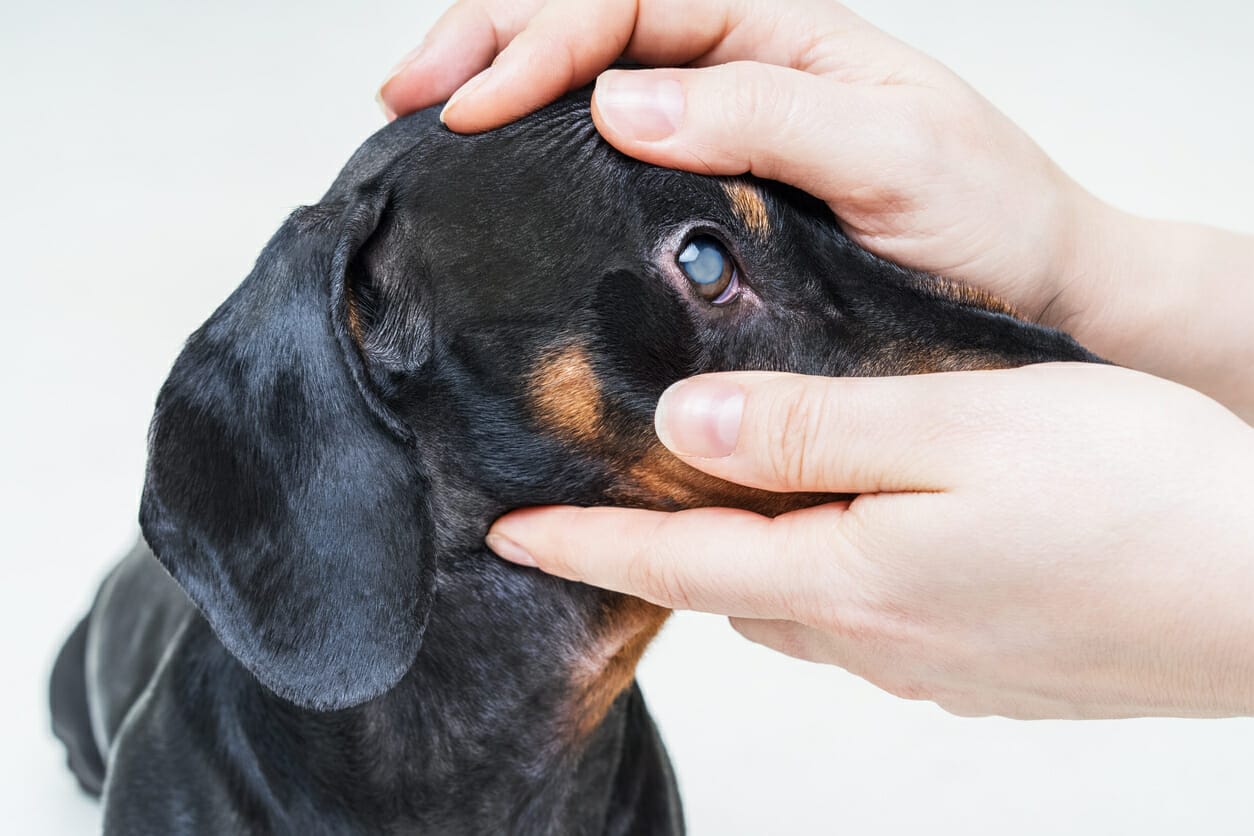
Book a vet visit as soon as you notice cloudiness in your dog's eyes. A gray-blue haze in older dogs is often nuclear sclerosis, a normal aging change that doesn't affect vision much, while a true cataract is whiter and blocks vision – only a vet can tell them apart. Cataracts that appear suddenly can be a sign of diabetes. Go right away if your dog has a red or painful eye, squints, paws at its eye, or seems to lose vision quickly.
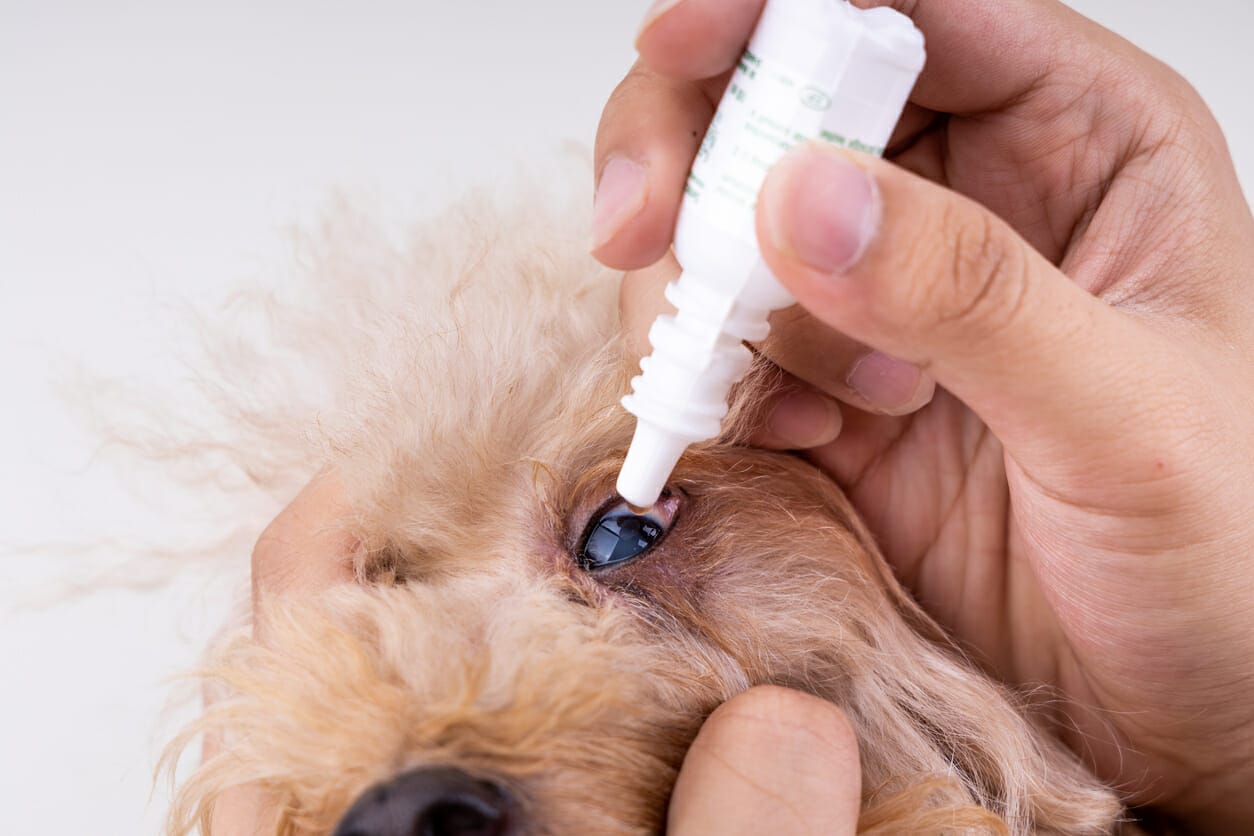
Eye Drops For Dogs With Cataracts: Do They Work?
Supplements for Dogs With Cataracts
There are plenty of cataract supplements for dogs. We will list a few of them.
1Vitamin A
Vitamin A is found in liver, eggs and fish oils, and carrots and sweet potatoes provide beta-carotene, which dogs convert into vitamin A. AAFCO's nutrient profiles set the range for dog food from 5000 to 250000 IU/kg. Note that this is per kilogram of food (dry matter), not per kilogram of body weight. A complete and balanced dog food already contains enough vitamin A, and too much is toxic, so don't add a vitamin A supplement unless your vet recommends it.
2Antioxidants
Many cataracts in dogs are inherited, and diabetes is another common cause, but age-related cataracts are thought to be linked to oxidative damage to the lens from free radicals. Antioxidants help neutralize free radicals, and because a dog's natural antioxidant defenses decline with age, antioxidant supplements are one of the most commonly suggested options.
Berries are another great alternative for antioxidants. Besides that, they are rich in flavonoids which support cellular health.
3Vitamin C and Vitamin E
These vitamins are highly recommended for eye-related issues.
However, these vitamins can have some side effects if your pet suffers from some circulatory disease. Therefore, consult with your vet before purchasing your supplements.
Also, higher dosages can do a lot of harm.
4Coenzyme Q10
Another antioxidant that may help slow the process of cataracts.
The right dose depends on your dog's weight and the product, so ask your vet how much to give rather than guessing.
5Cod Liver Oil
This supplement is a rich source of vitamins A and D and antioxidants. As a fish oil product, it offers plenty of other benefits besides protecting the eyes.
It has positive effects on the:
- Immune system
- Reproduction
- Cellular growth
Additionally, its anti-inflammatory properties, due to the omegas, make this supplement amazing.
Because cod liver oil is high in vitamins A and D, which can build up to toxic levels, stick to the label dose and check with your vet first. Salmon and fish oil are great alternatives for cod liver oil.
Best Supplements for Dogs With Cataracts
There are many products available on the market. However, we chose the best products for your furry friends.
At a glance
4 picks, each best at something different
1Zesty Paws Senior Advanced Vision Bites
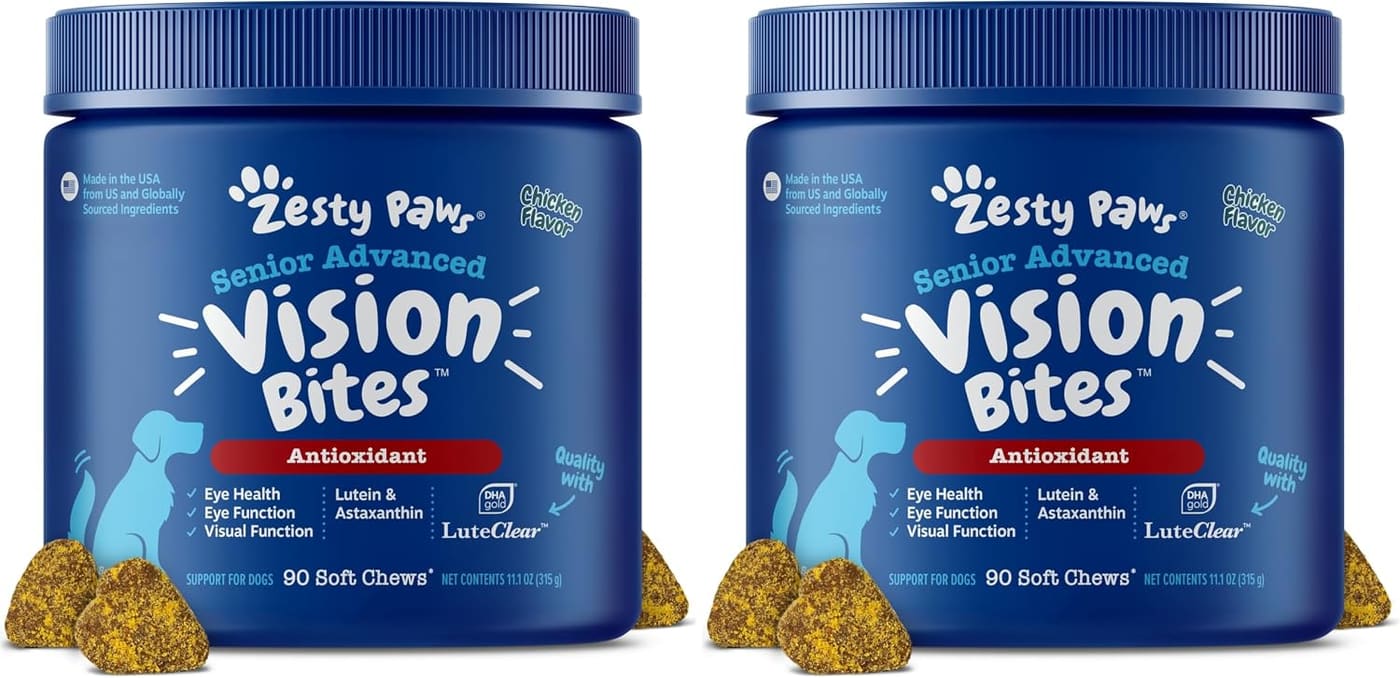
According to the listing, these chicken-flavored soft chews are designed to support eye health in senior dogs of any breed or size, which makes them a good fit for older dogs with cataracts. Still, ask your vet about the right dosage first.
The formula contains lutein and zeaxanthin (from marigold extract), astaxanthin, beta carotene and bilberry, plus vitamins C and E. Omega-3 DHA from cod liver oil and algae is added to support skin health. This listing is a pack of two 90-chew tubs.
2Nutri-Vet
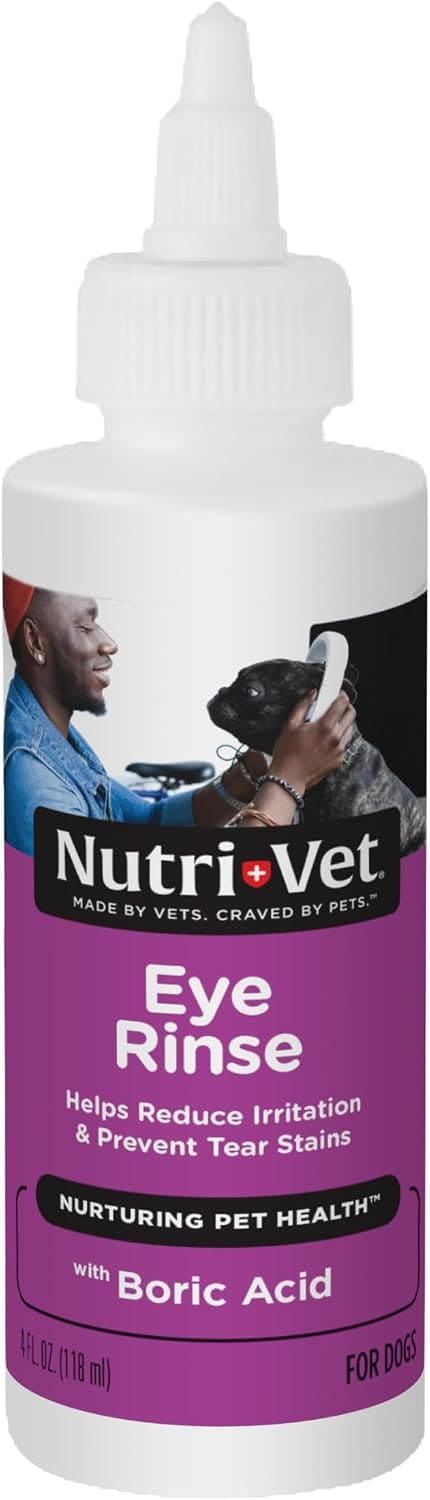
Strictly speaking, this is an eye rinse rather than a supplement – it won't affect a cataract, but it helps keep the eye area clean and free of irritants.
It also removes tear stains. Nutri-Vet contains boric acid, which helps in fighting eye infections.
3Ark Naturals
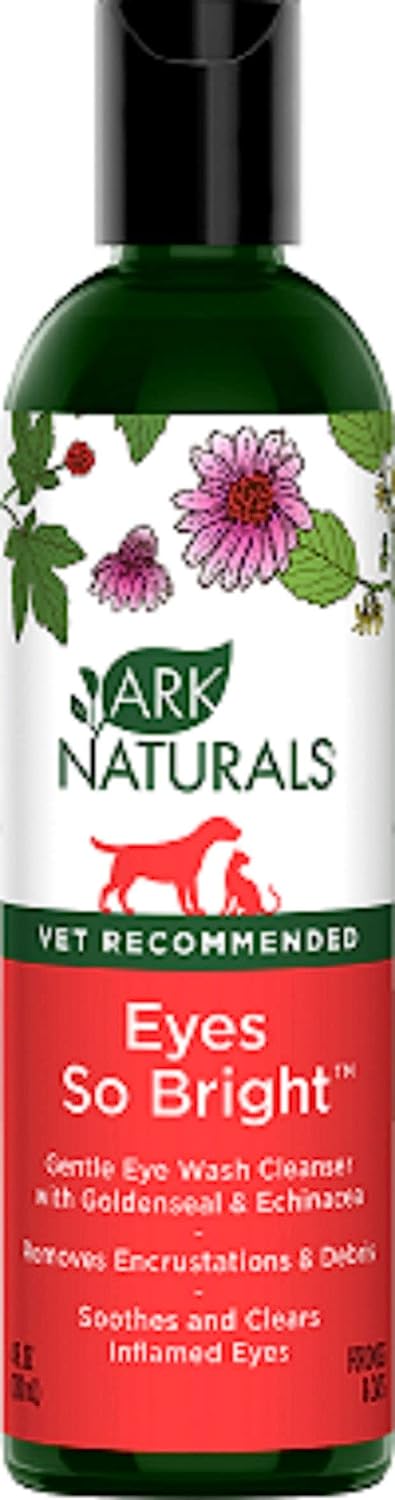
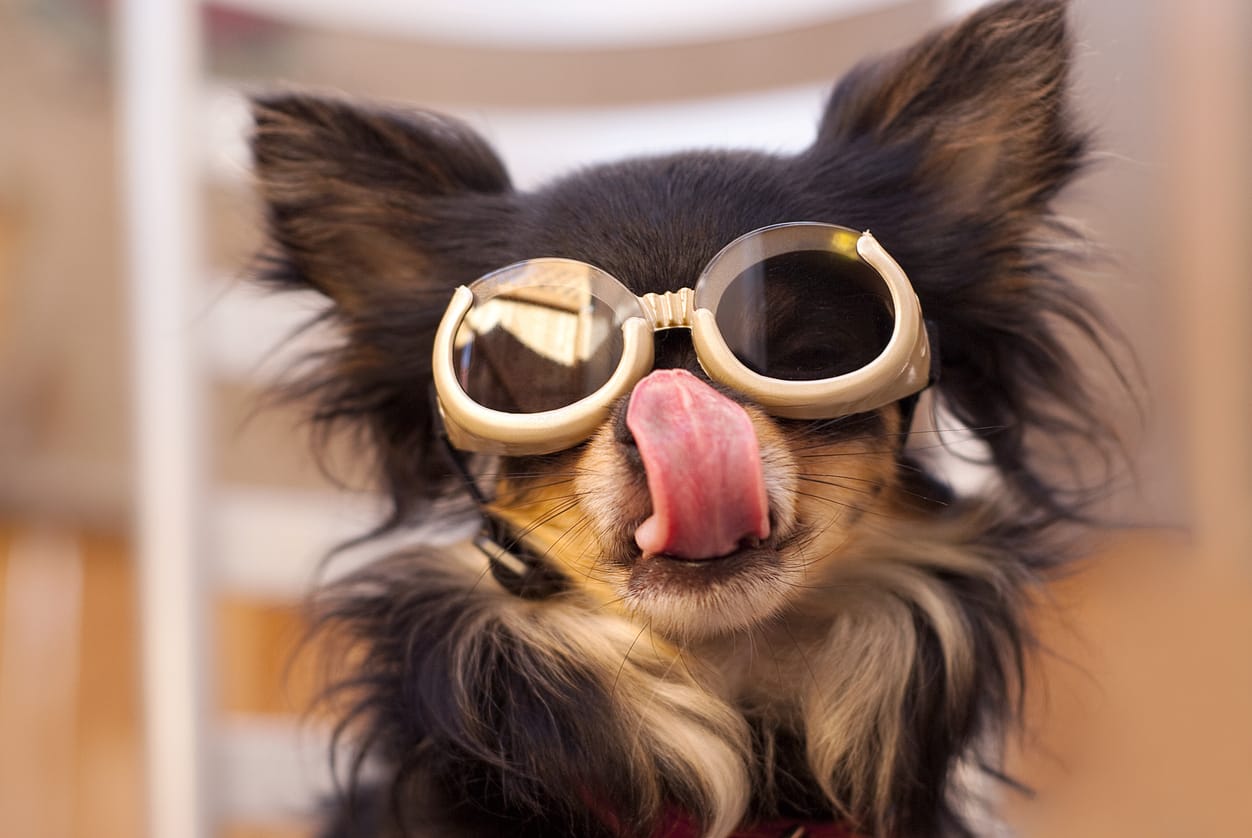
Like Nutri-Vet, this is an eye cleanser rather than a supplement, so it won't treat cataracts. It helps rinse away irritants, a bit like dog goggles help keep them out. The cleaning process is super easy. You just need to pour the product on a cotton ball and rub it around the dog’s eyes.
Even if this product sounds generic, its results are amazing.
4Dr. Joseph's VetPro Complete Wild Alaskan Salmon Oil
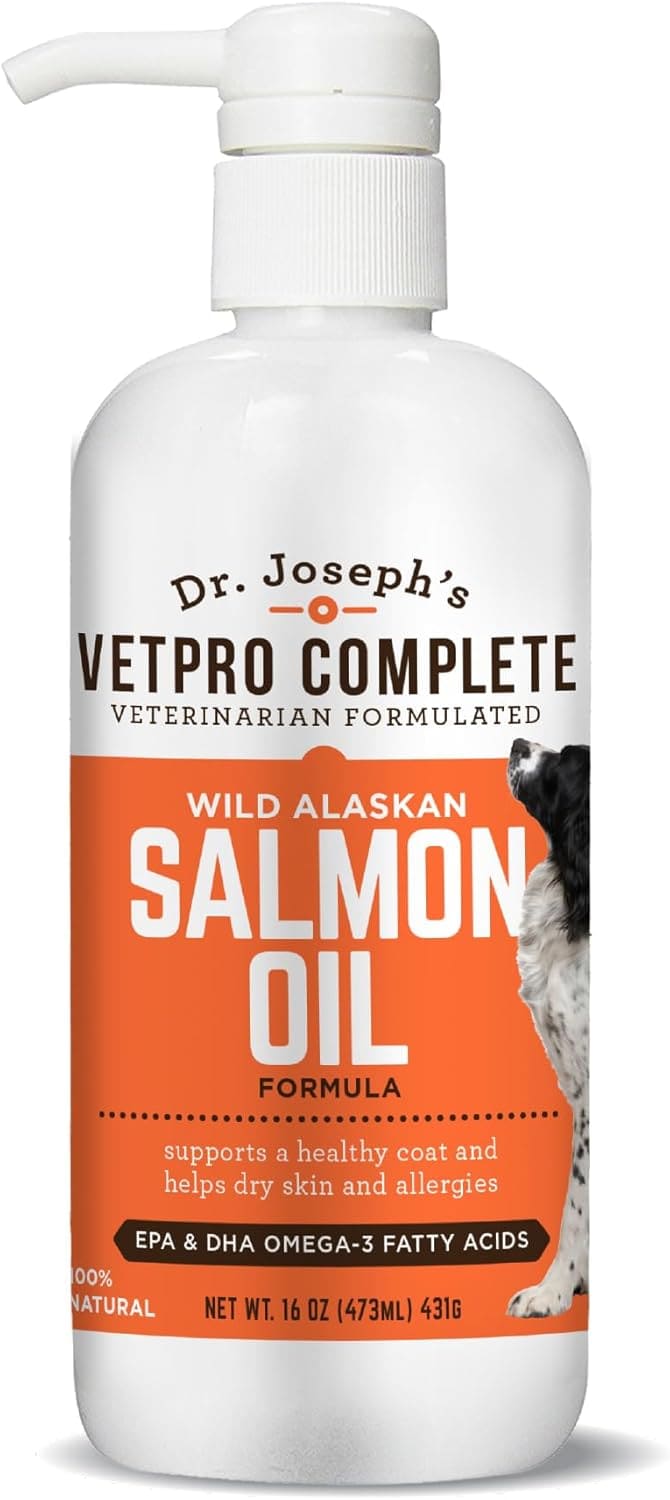
This is a great alternative to cod liver oil. As we previously mentioned, don’t use human products as supplements. If you can’t find cod oil, no worries – you can purchase salmon or fish oil. They both have amazing Omega-3 content. According to the listing, this 16 oz bottle of wild Alaskan salmon oil has a pump so you can add a consistent dose to your dog’s food, and it provides EPA and DHA omega-3 fatty acids for skin, coat and joint support.
The previously mentioned products are not the only products available for cataracts. There are plenty of other supplements, or you can simply improve the dog’s diet.