Most senior dogs do best on two meals a day, spaced roughly 8 to 12 hours apart. Some older dogs, especially those with small appetites, sensitive stomachs, diabetes or dental problems, do better on three or four smaller meals spread through the day. What matters most is feeding the right total amount for your dog’s weight and activity level, and keeping meal times consistent.
Dogs usually reach their senior years somewhere between 7 and 10 years old; large breeds age sooner than small ones. Our dog age calculator shows when your dog becomes a senior. Here are a few tips to help you determine how much and when to feed your senior dog.
How often to feed a senior dog
As your dog reaches their senior years, they may start to prefer smaller meals more often throughout the day. This is normal and nothing to worry about. Smaller meals are easier to digest, can help dogs that feel nauseous on an empty stomach, and spread their daily calories out without adding extra food. Just divide the same daily amount into more portions rather than adding meals on top.
It’s important not to overfeed your senior dog, as many older dogs become less active and gain weight easily, which puts extra strain on their joints. When in doubt, always consult with your veterinarian to make sure you are feeding your dog the right amount of food based on their age, weight, and activity level.
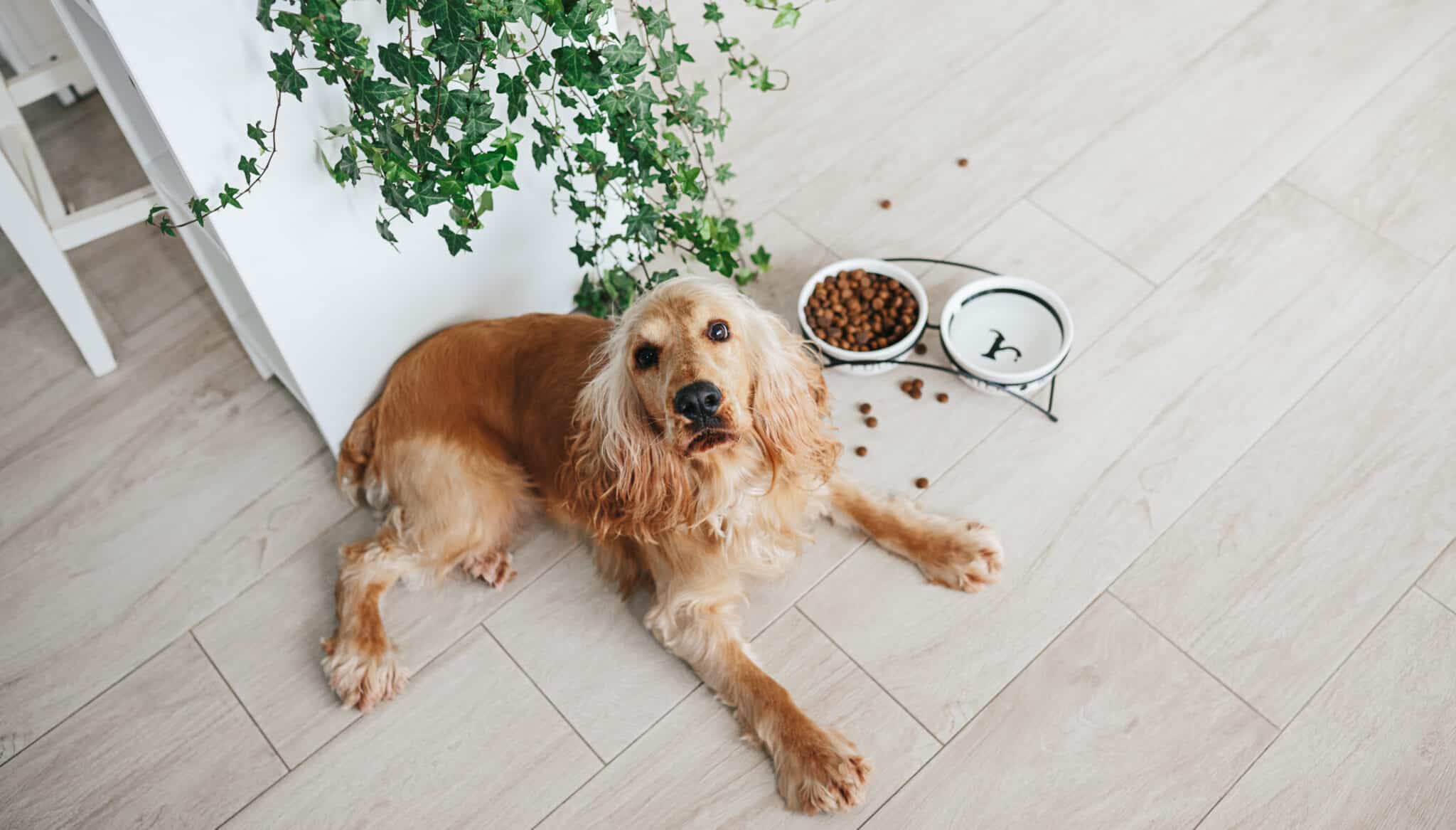
When to feed a senior dog
In addition to how often you feed your senior dog, you’ll also want to pay attention to when you feed them. For example, if your dog has diabetes, they will usually need to eat at the same times each day, timed with their insulin injections, to help keep their blood sugar levels in check. Follow your vet’s schedule exactly.
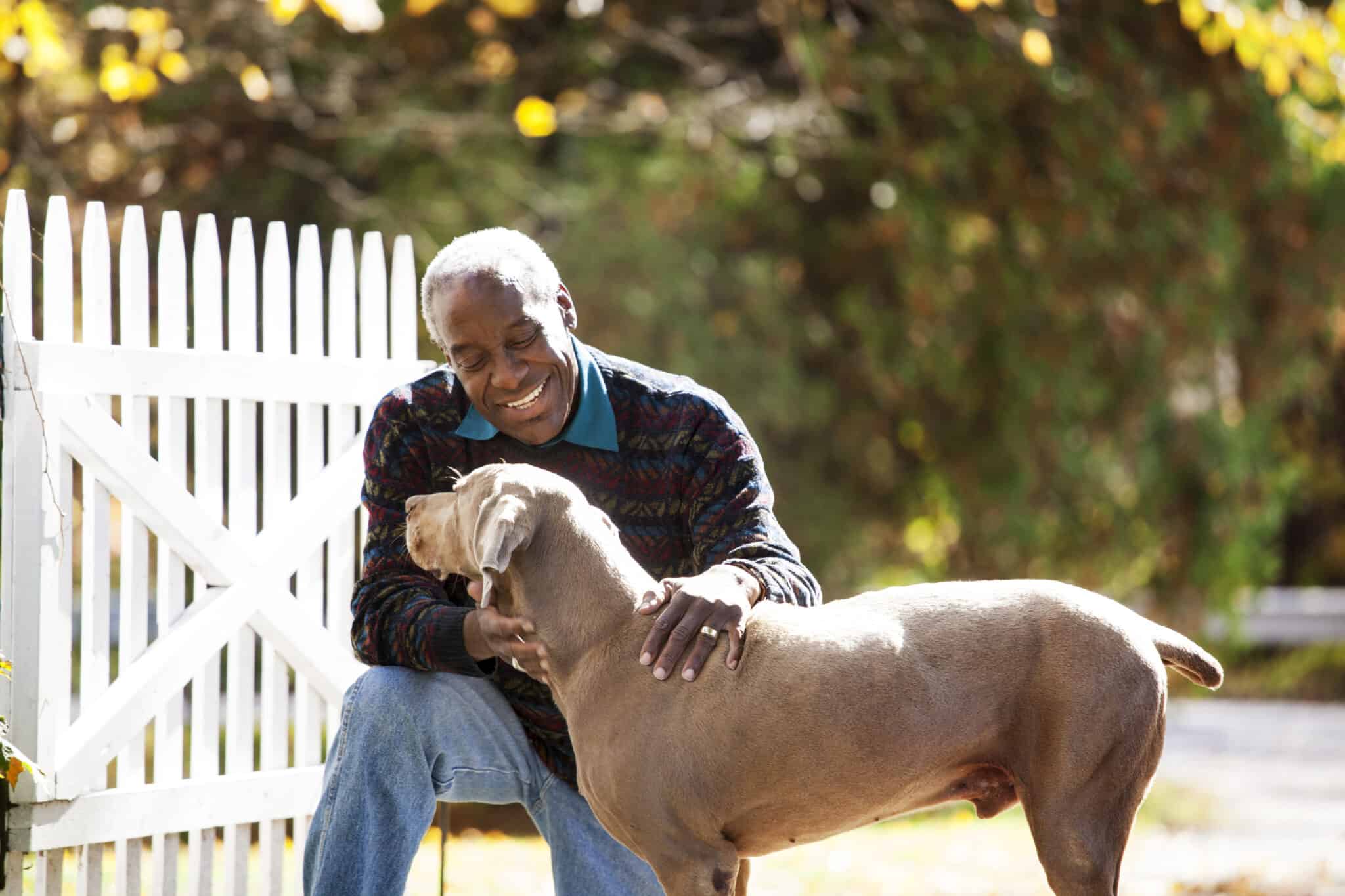
As dogs are creatures of habit, feeding them around the same time each day is recommended anyway! Avoid feeding right before or right after vigorous exercise: running around on a full stomach can cause an upset stomach and, in large, deep-chested dogs, raises the risk of bloat (a life-threatening twisting of the stomach). A gentle walk first, then a meal, works well for most dogs. An example would be:
- 8 AM: Morning walk, then a small meal
- 1 PM: A small meal, then a quiet rest
- 6 PM: Evening walk, then a small meal
If feeding your dog 3 times a day is not possible, we recommend the following schedule:
- 8 AM: Morning walk, then a medium meal
- 6 PM: Evening walk, then a medium meal
Try to wait at least an hour after a meal before any energetic play.
How much to feed a senior dog
Obviously, other variables come into play in the quantity of food your dog is supposed to consume. For example, weight and exercise are far more significant than age.
We recommend utilizing a dog food calculator. They will calculate your dogs’ diet based on their metabolism. You may select “senior” from the activity level option.
As mentioned on the calculator’s website, many senior dogs require fewer calories as their activity levels drop. Not all, though: some very old dogs start losing weight and muscle and actually need more calories or protein. Weigh your dog regularly and adjust portions to keep them at a healthy body condition, where you can feel their ribs easily but not see them. You can also use our own dog calorie calculator: pick a lower activity level for a less active senior and it shows the daily calories and cups to aim for.
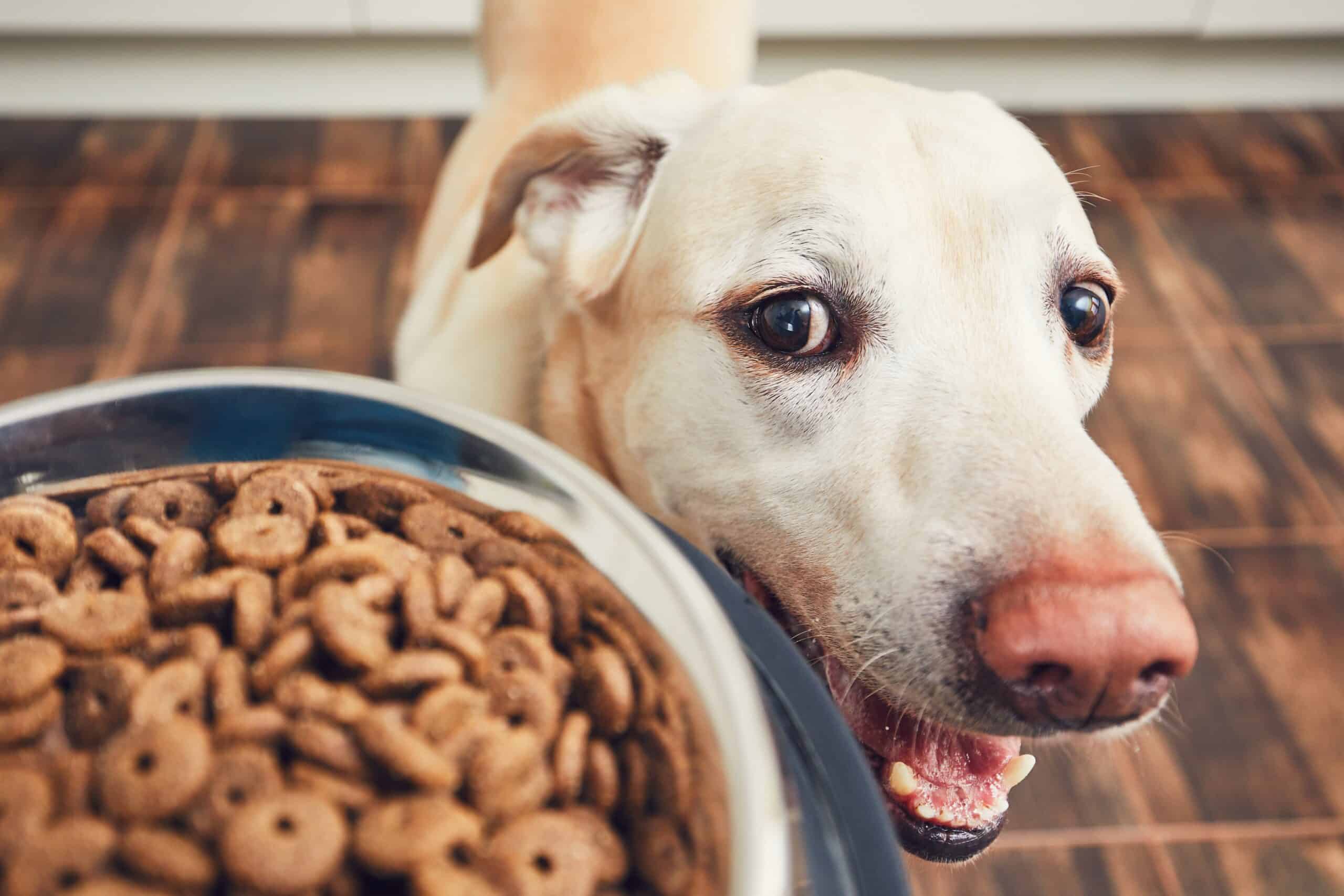
The right food for a senior dog
As your dog ages, you may want to consider switching them to a senior formula dog food. These foods are designed for older dogs and typically contain more fiber to help with digestion and fewer calories to help with weight management.
If your senior dog is healthy and active, they may do just fine on their regular diet. But if they are starting to slow down or put on a few extra pounds, switching to a senior formula food may be the way to go.
Consult with your veterinarian before making any changes to your dog’s diet, especially if your dog has kidney, heart or liver disease, as they may need a specific prescription diet. When you do switch foods, mix the new food in gradually over about a week.
Also call your vet if your senior dog suddenly loses interest in food, loses weight without trying, drinks much more than usual, or has trouble chewing. These changes are common signs of illness or dental disease in older dogs.
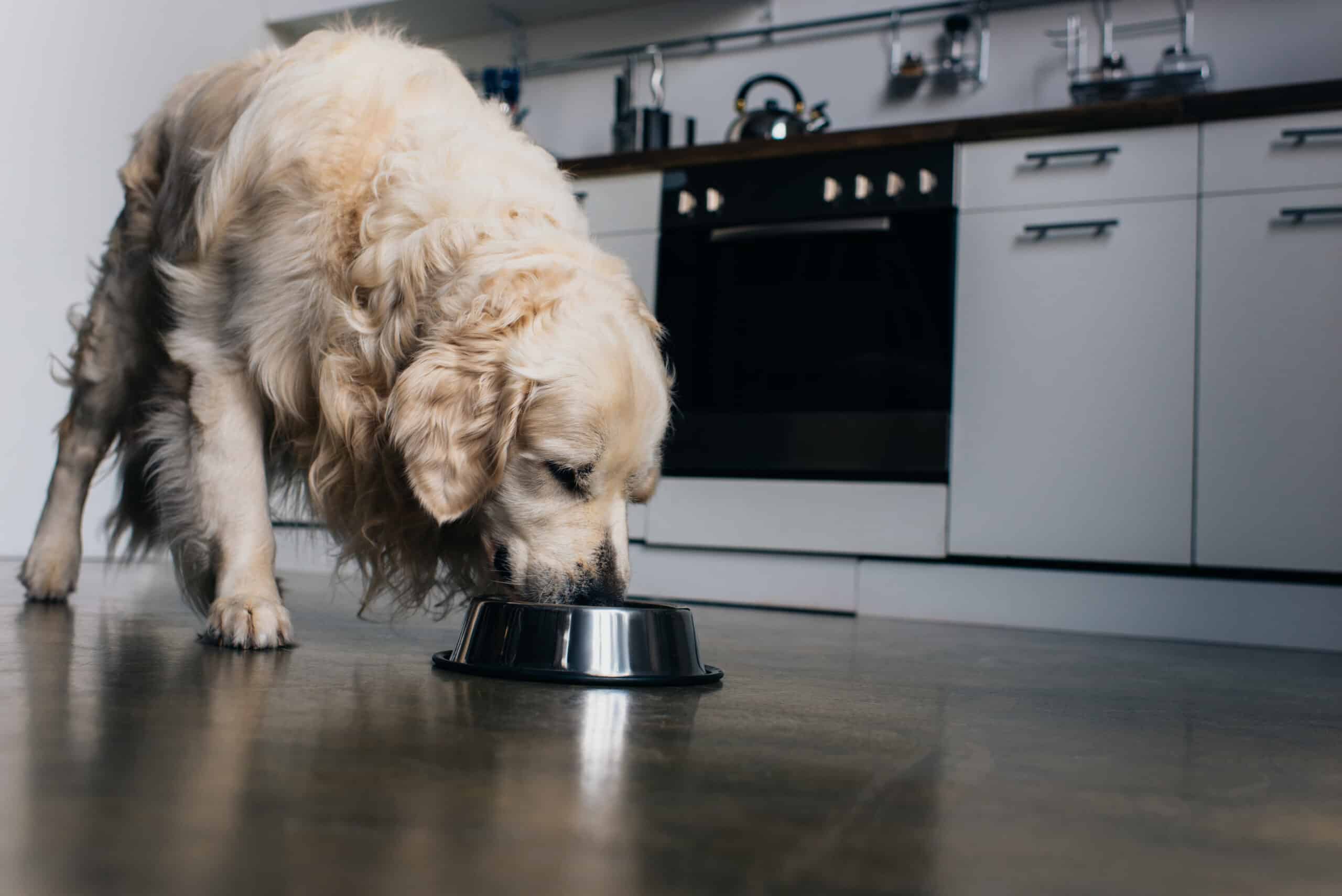
Special considerations for feeding a senior dog
There are a few things to keep in mind when feeding a senior dog.
1More prone to obesity
First, older dogs are more prone to obesity, which raises the risk of joint pain and health problems like diabetes, so it’s important not to overfeed them.
2Keep them full
Second, they may do better on smaller meals more often throughout the day. Splitting the daily amount into more portions keeps them from getting too hungry between meals without adding extra calories. If your dog seems constantly hungry, ask your vet about a higher-fiber food, as a sudden increase in appetite can also be a sign of conditions like diabetes or Cushing’s disease.
3Keep their blood sugar levels in check
Third, you’ll want to pay attention to when you feed your senior dog. For example, if your dog has diabetes, they will need to eat at consistent times each day, matched to their insulin doses, to help keep their blood sugar levels in check.
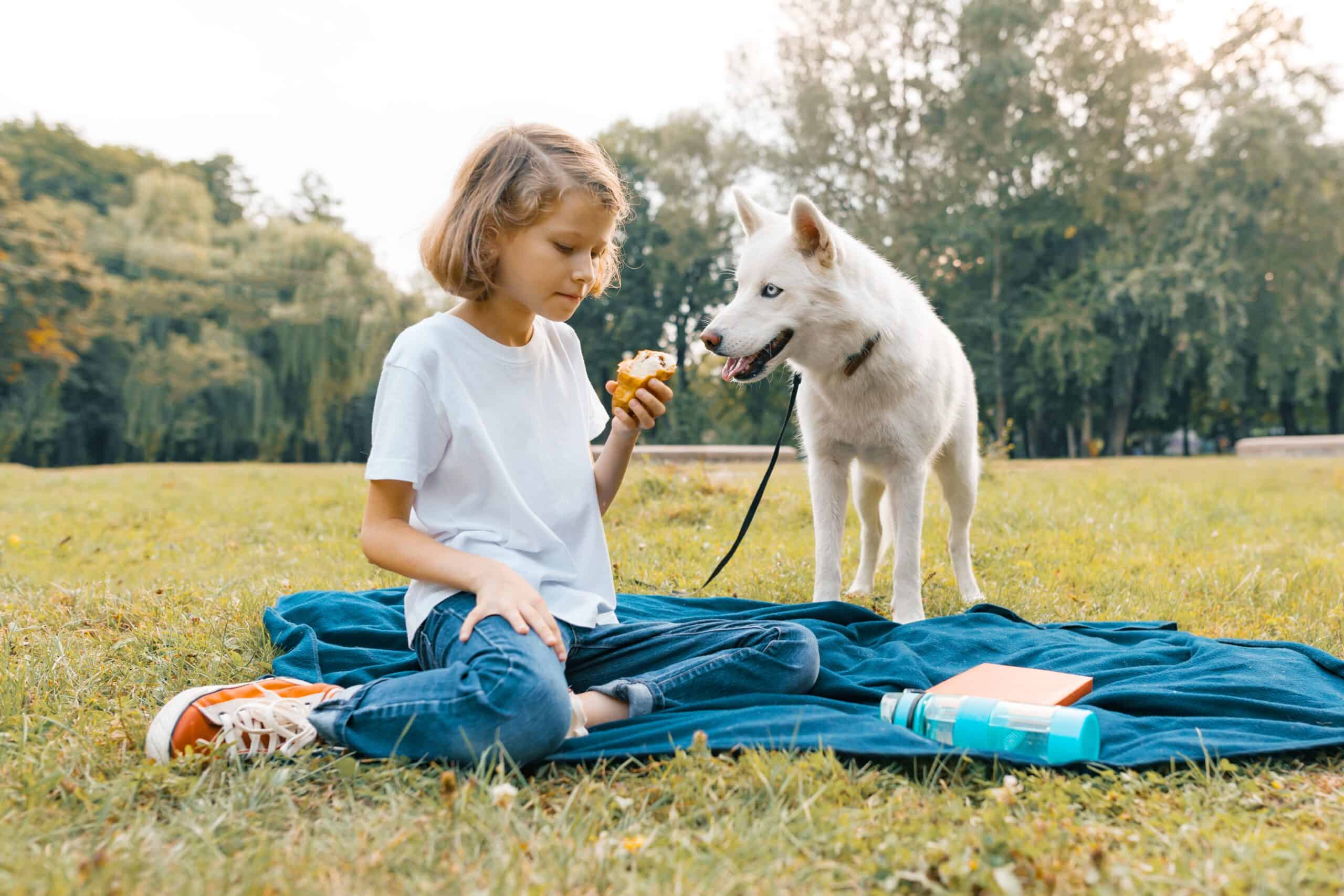
What not to give your senior dog as a snack
While it’s tempting to give your senior dog a little treat now and then, there are some things you should avoid giving them as snacks. For example, processed foods like cookies, chips, and crackers are high in calories and low in nutrients, so they’re not the best choice for older dogs.
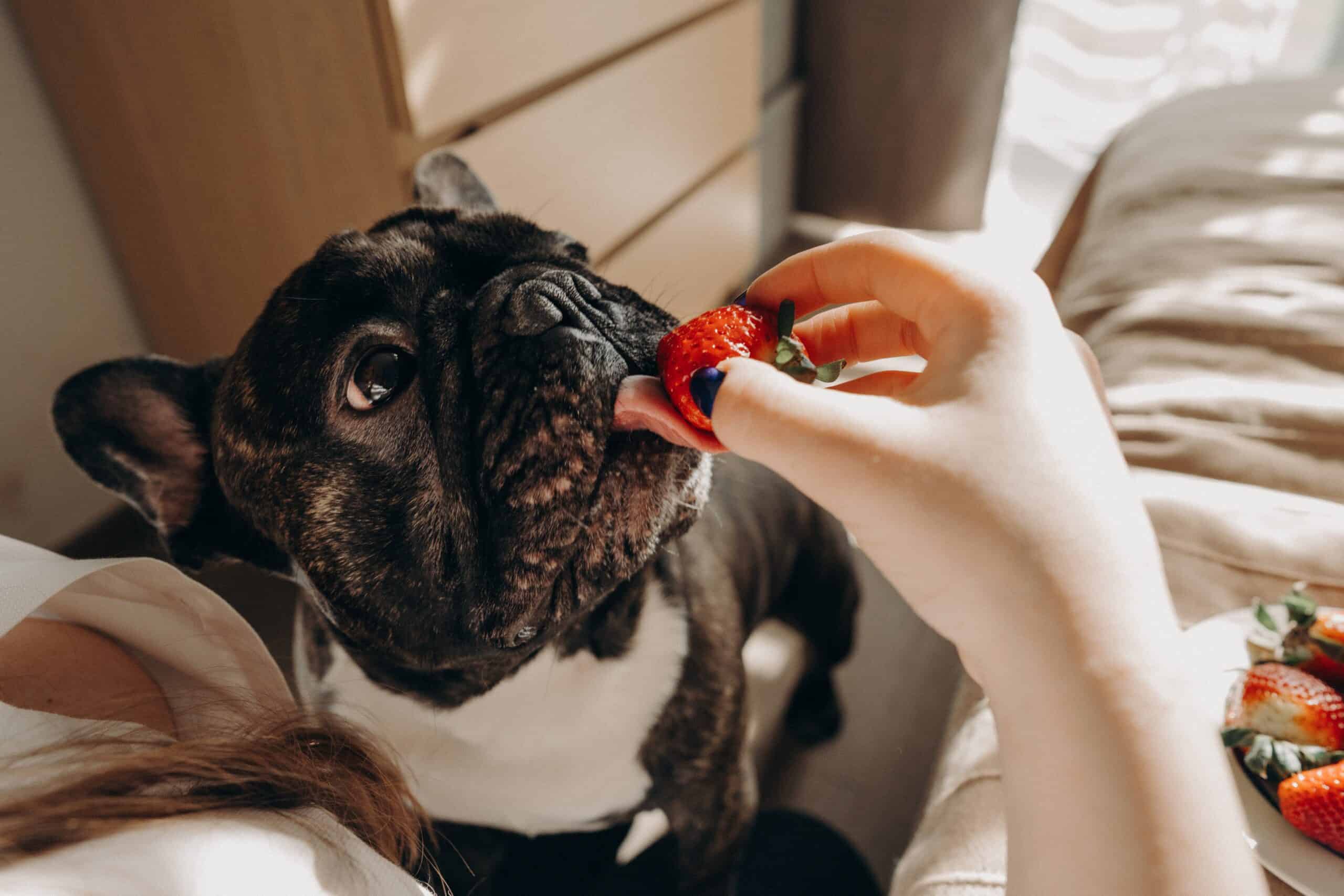
In addition, avoid giving your dog table scraps as these can also be high in calories and fat, which can trigger pancreatitis. Instead, opt for healthy snacks like carrots, apple slices (without the core and seeds), or blueberries, cut into small or soft pieces if your dog has dental problems.

Conclusion
Most senior dogs do well on two meals a day, and some benefit from three or four smaller ones. Whatever schedule you choose, make sure you are feeding them the right total amount based on their weight, body condition and activity level.
In addition, try to feed them at the same times each day, and avoid vigorous exercise right before or after meals.
Finally, make sure you are giving them healthy snacks and avoiding processed foods.
Feeding your senior dog the right way will help them stay healthy and happy for years to come!