Dog Frantically Eating Grass And Coughing (Explained)
 Written by Tim de Jong
A dog frantically eating grass and then coughing or gagging is most often dealing with an upset stomach or nausea: the grass tickles the throat and stomach, and the coughing and gagging is your dog trying to bring it (and whatever was bothering them) back up. A blade of grass stuck in the throat can also cause a hacking cough. If it happens once and your dog is otherwise fine, it's usually nothing serious – but frantic grass eating with repeated unproductive retching, a swollen belly, trouble breathing, or a cough that lasts more than a day or two needs a vet.
There are also a few everyday reasons why dogs eat grass. Some believe it could be due to a nutritional deficiency, while others believe it may help with digestive issues or relieve boredom. It’s also possible that your dog simply likes the taste and texture of grass.
Do dogs eat grass because they like it?
While the exact reason why dogs consume grass is still unknown, there are a few hypotheses. Some experts think that dogs eat grass because they want more fiber in their diet. Others feel that dogs consume grass to self-medicate, perhaps to relieve nausea or an upset stomach. Studies suggest that most grass-eating dogs don't seem sick beforehand, and only a minority vomit afterwards.
For many dogs, the most likely explanation is that they simply like the taste of grass, especially fresh spring growth. Whatever the reason, there’s no need to worry if your dog nibbles on a bit of grass from time to time. In most cases, it’s harmless – as long as the lawn hasn't been treated with pesticides, herbicides or fertilizers, which can make dogs sick.
Do dogs eat grass when they are sick?
It’s not uncommon for dogs to eat grass when they’re feeling sick.
If your dog is normally well-behaved and suddenly starts chowing down on your lawn, it could be a sign that they’re trying to soothe their stomach. If tummy trouble is common for your dog, our list of treats for dogs with sensitive stomachs has gentler snack options.
Many owners notice their dog eating grass urgently when they have an empty, acidic stomach or have eaten something that disagrees with them, and some dogs vomit afterwards. If this happens often, mention it to your vet, as frequent grass eating and vomiting can point to an ongoing stomach or gut problem.
However, if your dog is eating grass and coughing, it could also be a sign of something more serious, like kennel cough or heartworm.
When frantic grass eating is an emergency
Go to a vet or emergency clinic right away if your dog is frantically eating grass or licking the floor and also:
- Retches or tries to vomit repeatedly but brings nothing up
- Has a swollen, tight or painful belly, is restless, or drools heavily
- Has difficulty breathing, blue or pale gums, or collapses
- Keeps gagging and pawing at the mouth, as if something is stuck
Unproductive retching with a bloated belly can be a sign of bloat (gastric dilatation-volvulus), which is life-threatening, especially in large, deep-chested breeds. Constant gagging can also mean a foreign object or a grass awn is stuck in the throat.

What is kennel cough?
Kennel cough is an infection of the respiratory tract caused by bacteria or viruses. It’s highly contagious and may spread quickly in kennels, boarding facilities, and doggie daycares. A dry, honking cough (often followed by gagging that looks like your dog is trying to bring something up), a runny nose, and sometimes a fever are symptoms of kennel cough. If your dog has these signs, call your vet – and keep your dog away from other dogs. Get help quickly if your dog is lethargic, stops eating or has trouble breathing, as kennel cough can turn into pneumonia.
What is heartworm?
Heartworm is a mosquito-borne disease. The worms reside in the heart and lungs of infected animals, causing serious health issues. Coughing, tiredness, weight loss, and difficulty breathing are all signs of heartworm infection. It’s critical to visit the veterinarian if your dog has any of these symptoms. Heartworm is far easier to prevent than to treat, so ask your vet about year-round preventive medication.
Treatment for kennel cough and heartworm
If your dog is diagnosed with kennel cough or heartworm, it will need to be treated by a veterinarian.
Mild kennel cough often clears up on its own with rest, while your vet may prescribe cough medicine or, if a bacterial infection is suspected or the cough is severe, antibiotics.
Heartworm treatment is more complex and usually involves a series of injections, other medications and several weeks of strict rest; in severe cases, hospitalization or surgery may be needed.
It’s important to visit the veterinarian if your dog is showing symptoms of illness. Early diagnosis and treatment make a big difference.
Should you be concerned if your dog is eating grass?
Occasional grass eating is very common and usually normal. But if your dog suddenly starts grazing like a cow, frantically and in large amounts, it could be an indication of an upset stomach. If your vet suggests a gentler diet, we explain what low residue dog food is.
If your dog is also coughing, it could be a sign of something more serious, like kennel cough or heartworm. If your dog is showing any signs of illness, the most important thing is to take them to the veterinarian as soon as possible. A fast recovery depends on early detection and treatment.
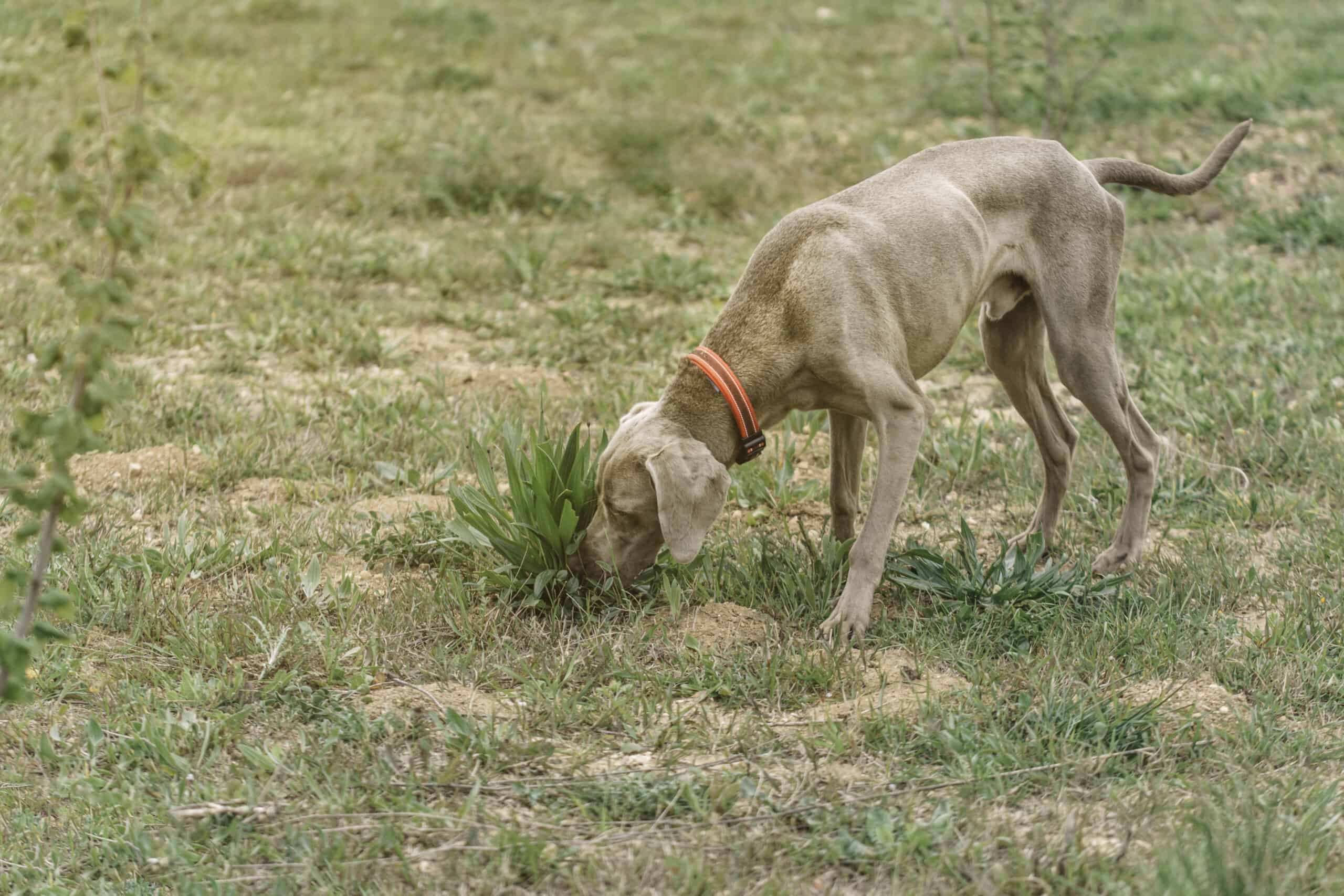
What are the benefits of eating grass for dogs?
Though the jury is still out on why dogs eat grass, there are some potential benefits of grass consumption for dogs. Some owners believe grass helps settle an upset stomach, although this hasn't been proven. Grass does contain fiber, which may be part of the appeal, but a complete dog food already provides everything your dog needs.
So, while we may never know exactly why dogs eat grass, there are some possible benefits to this curious behavior. If your dog does consume grass from time to time, there’s no need to worry – in most cases, it’s perfectly harmless. If your dog has the opposite problem and avoids the lawn, see why a dog suddenly won't go on grass.
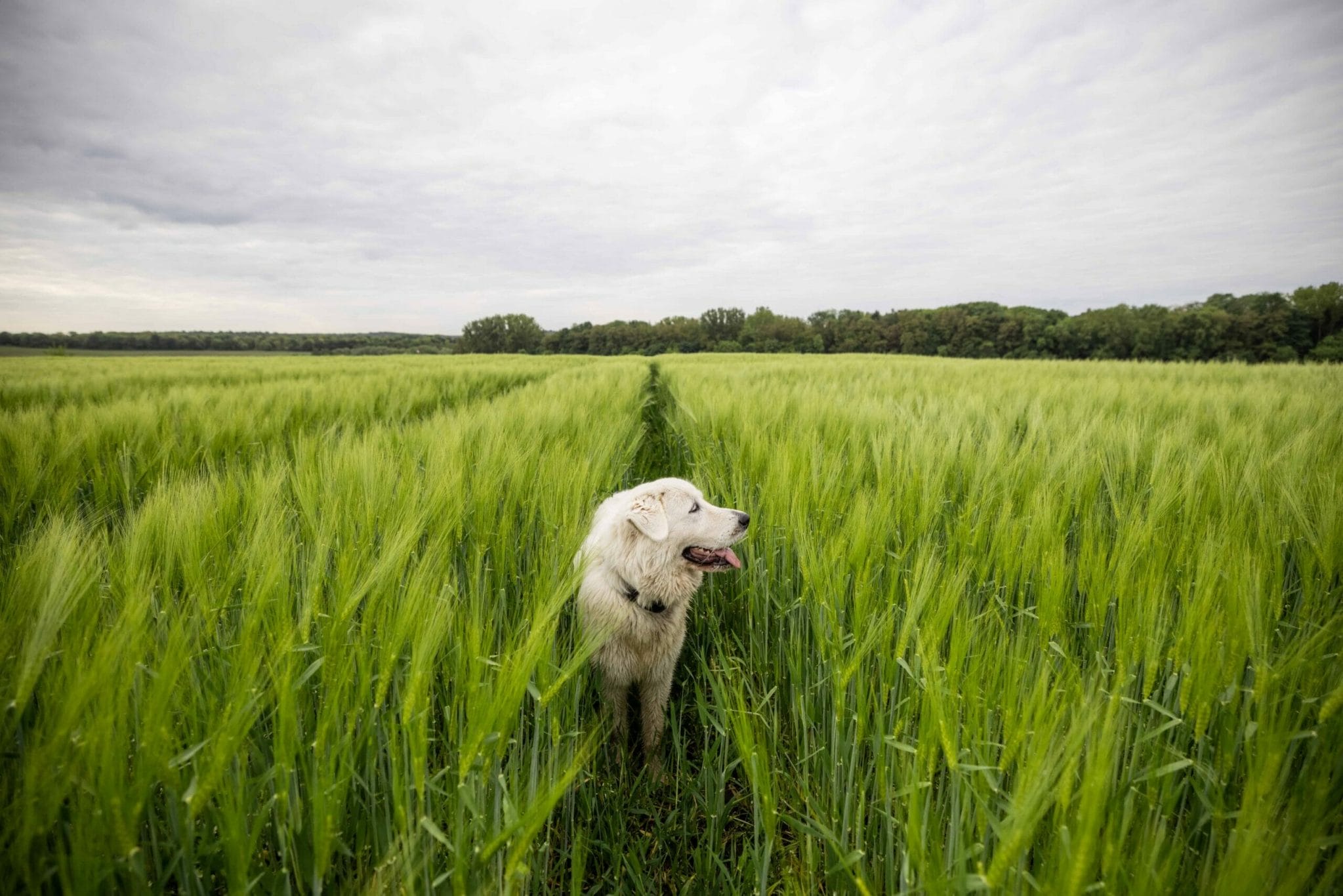
What vitamins do dogs get from eating grass?
Grass contains some fiber, carotene (which the body can turn into vitamin A) and chlorophyll, but dogs digest very little of it, so it isn't a meaningful source of nutrients. Fiber is important for keeping the digestive system healthy, which is one reason some experts think dogs seek grass out.
It’s important to remember that dogs should not eat grass excessively. If your dog is eating large amounts of grass or if you notice any other changes in their behavior, it’s important to take them to the vet for a check-up.
Final word
It’s normal for dogs to eat grass from time to time, and in most cases it’s harmless. However, if your dog is eating grass and coughing, it could be a sign of something more serious, like kennel cough or heartworm. If your dog is showing any signs of illness, or the grass eating and coughing keep coming back, get them to the veterinarian as soon as possible – and treat repeated unproductive retching with a swollen belly as an emergency.