The 6 Best Dog Training Books for 2026 (Puppies, Basics and Tricks)
 Written by Tim de Jong
As an Amazon Associate we earn from qualifying purchases, at no extra cost to you. Disclosure

Pick by your dog
Swipe ›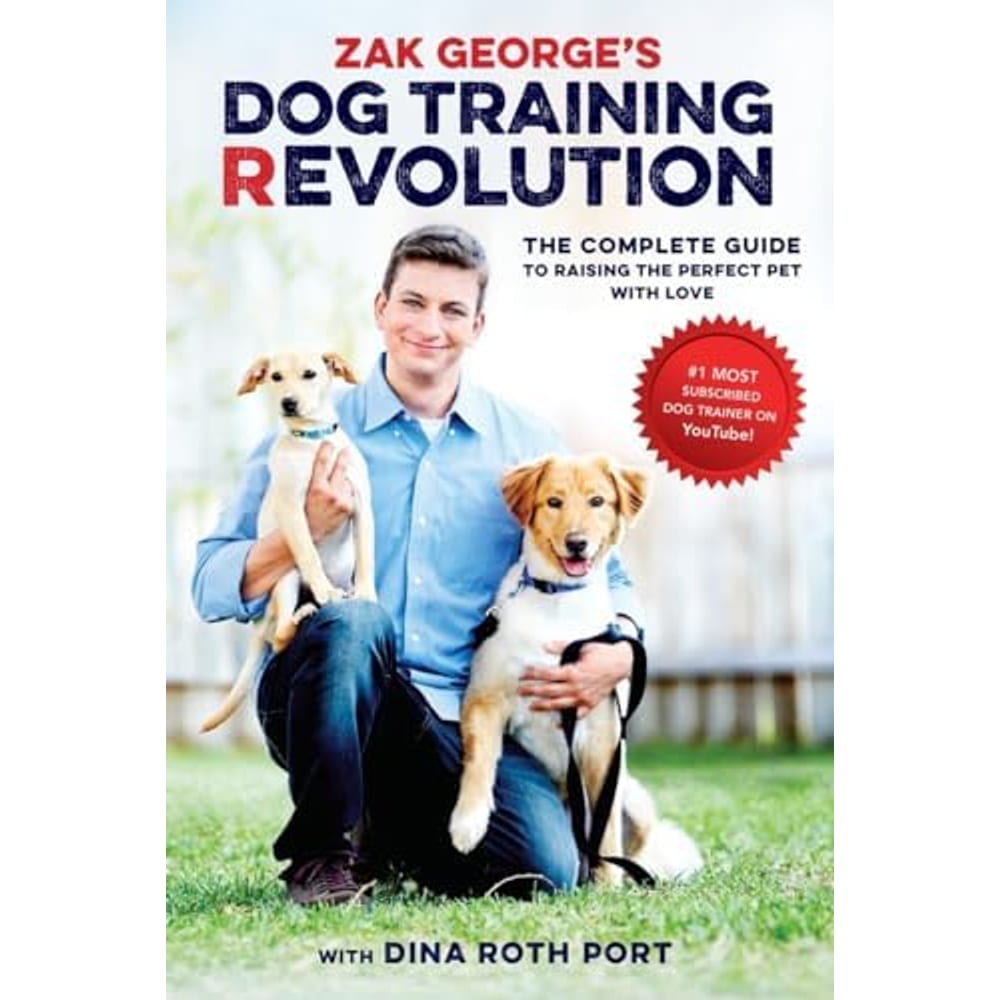
Our picks
| Pick | Best for | Buy |
|---|---|---|
| Top pickZak George's Dog Training Revolution | Best Overall | Check price |
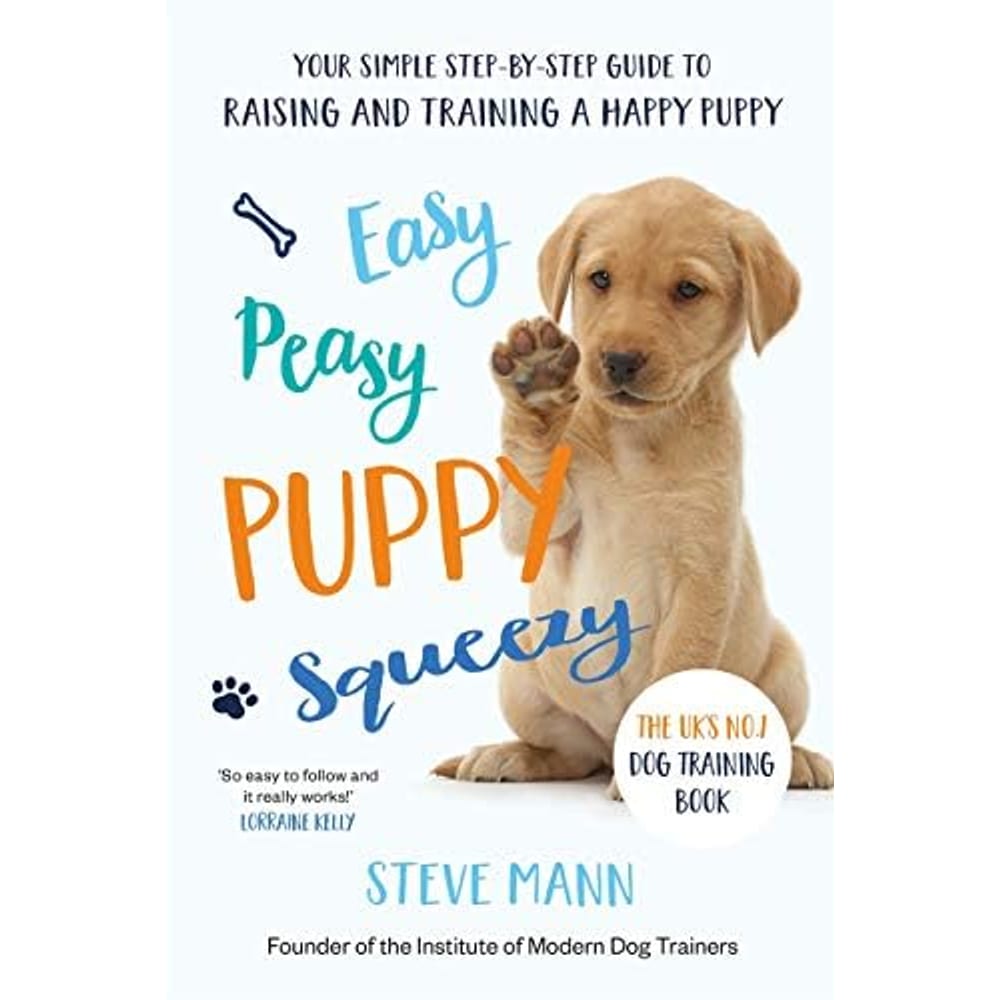
| Easy Peasy Puppy Squeezy by Steve Mann | Best for Puppies | Check price |
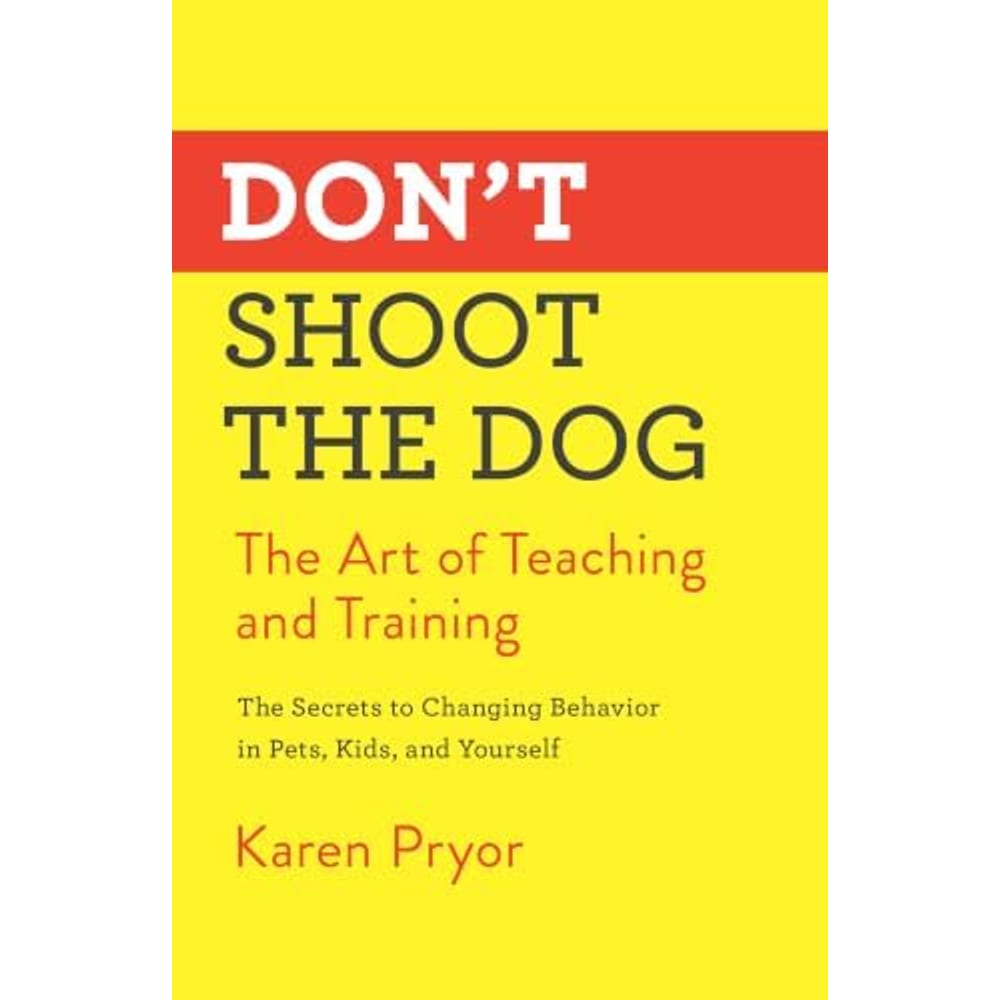
| Don't Shoot the Dog by Karen Pryor | Best for Understanding the Science | Check price |
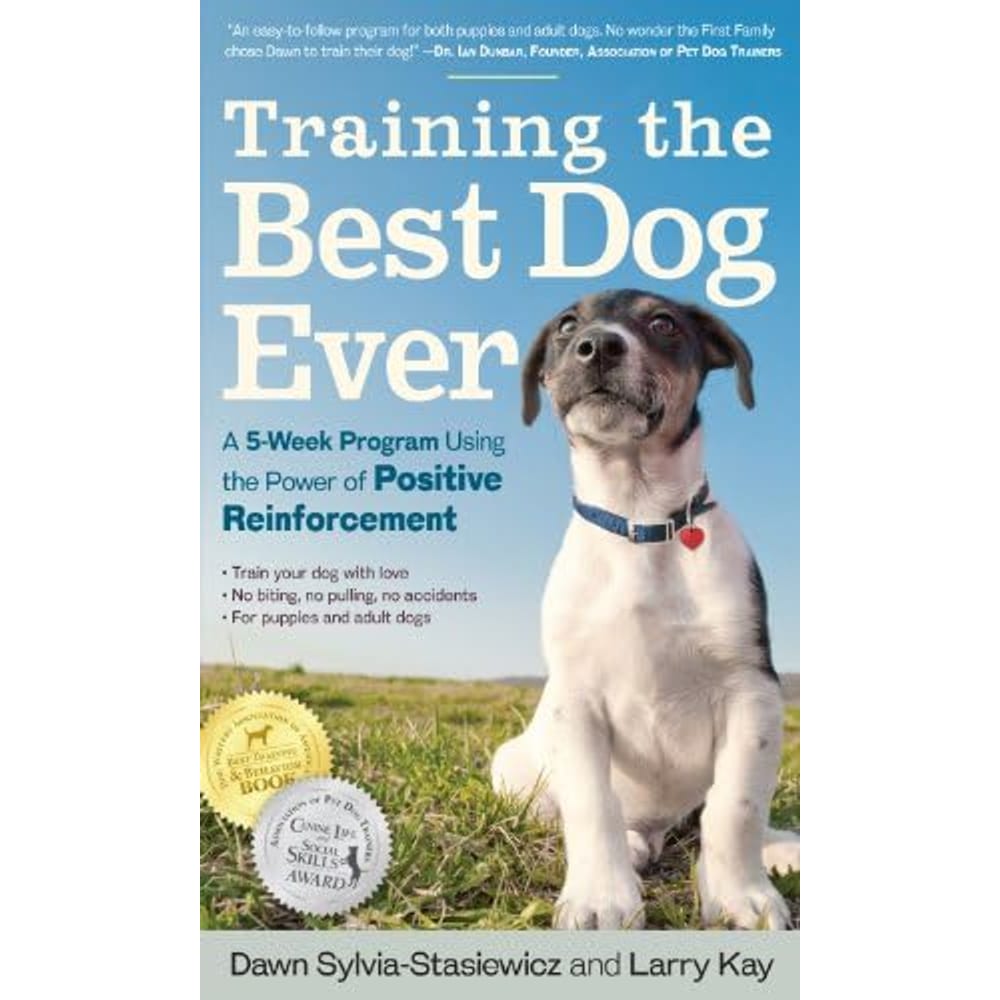
| Training the Best Dog Ever | Best Structured Program | Check price |
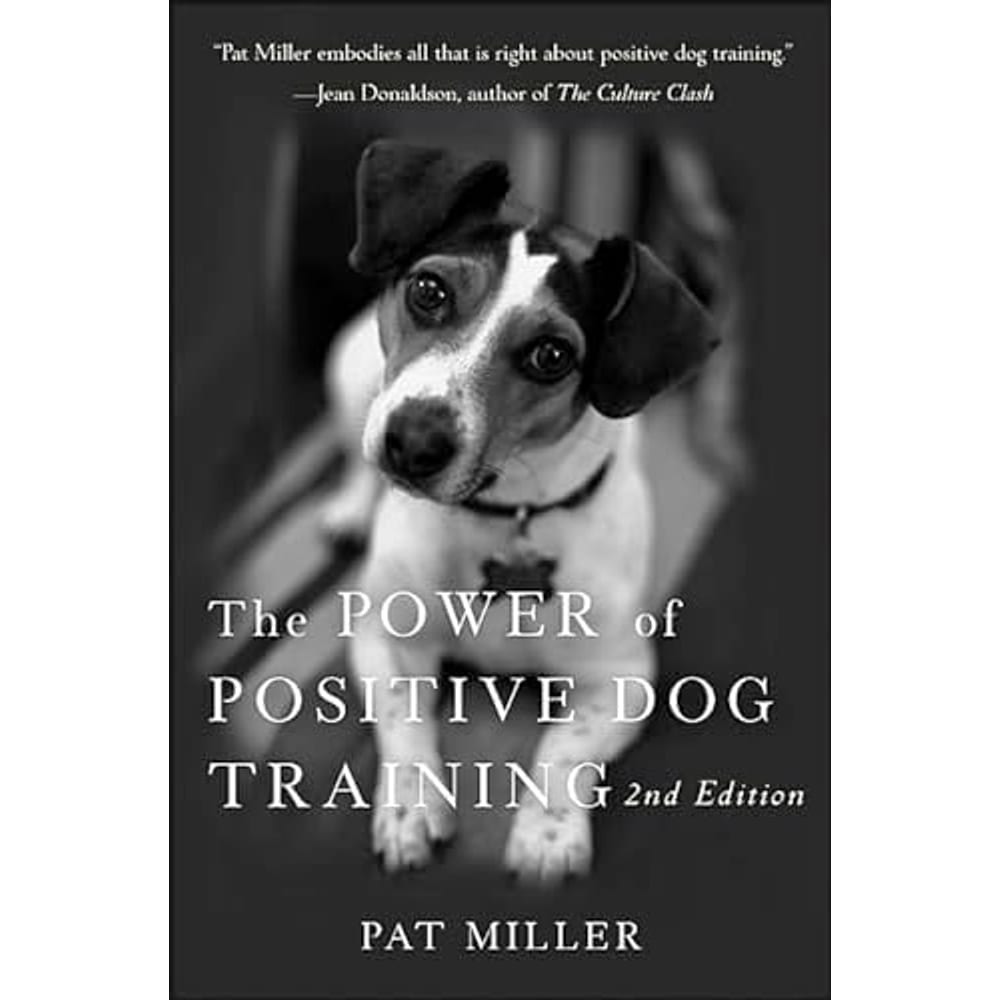
| The Power of Positive Dog Training by Pat Miller | Best for Problem Behavior | Check price |
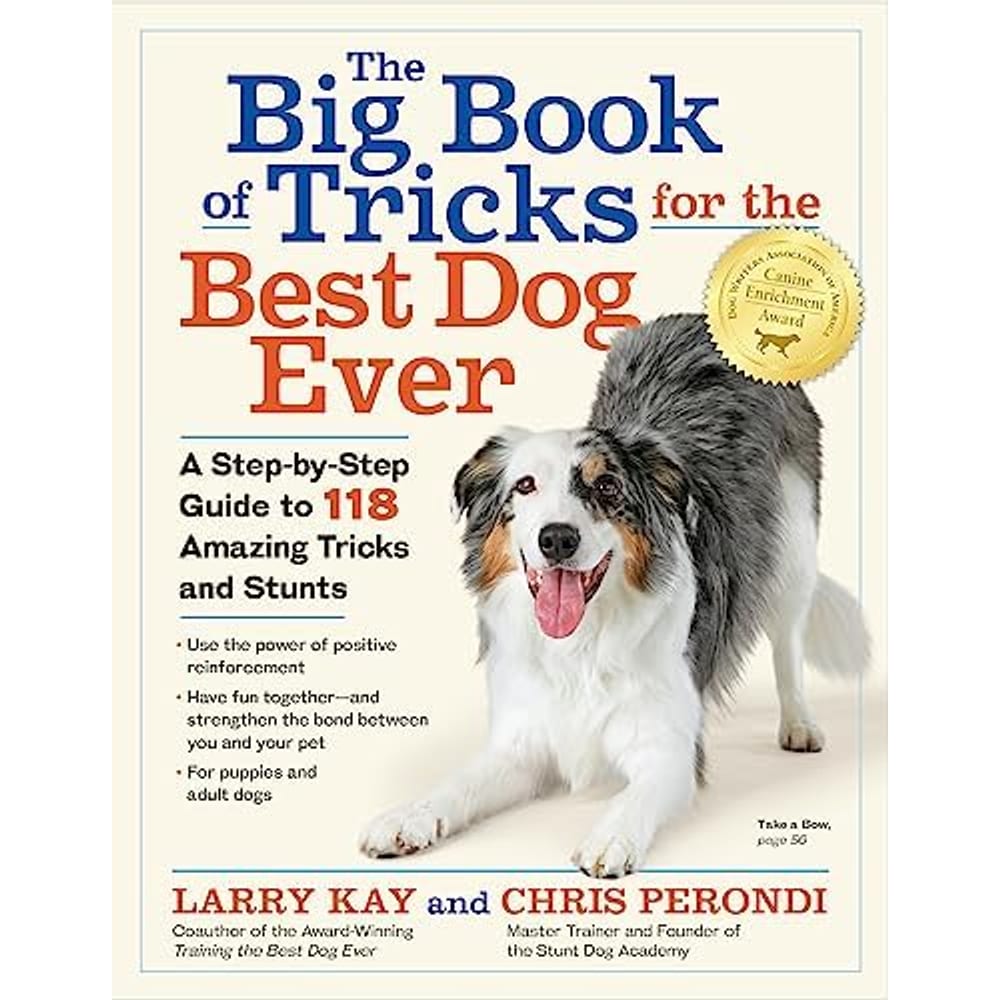
| The Big Book of Tricks for the Best Dog Ever | Best for Tricks | Check price |
YouTube videos are great for seeing a single exercise, but a good training book gives you something videos usually don't: a plan. It explains why your dog does what it does, puts the exercises in a sensible order, and stays on the coffee table where you'll actually look at it again when the jumping, pulling or chewing starts.
The trouble is that dog training books range from brilliant to badly outdated. Some still teach "alpha" and dominance ideas that modern behavior science has moved away from. Below are the six we'd recommend, all based on positive reinforcement, and what each one is best for.
The short answer: Zak George's Dog Training Revolution is the best all-round dog training book for most new owners. For a new puppy, Easy Peasy Puppy Squeezy by Steve Mann is the most practical. And if you want to understand why reward-based training works, Don't Shoot the Dog by Karen Pryor is the classic.
What makes a good dog training book?
- Reward-based methods. Look for books built on positive reinforcement: rewarding what you want so your dog does it more. Major veterinary and behavior organizations recommend this approach, and it's easier on your relationship with your dog.
- A clear plan. Week-by-week programs or step-by-step exercises are easier to follow than a collection of tips.
- Explanations, not just commands. The best books teach you to read your dog's body language and understand the reason behind a behavior.
- The right stage. A puppy book and a book for a reactive adult dog are very different. Pick the one that fits your dog now.
- Up to date. Training science has moved on. If a book talks about being the "pack leader" or "showing who's boss", look elsewhere.
1Zak George's Dog Training Revolution
Get it if
You're a first-time owner who wants one book that covers everything.
Skip if
You already know the basics and need help with a specific problem.
Zak George is one of the best-known dog trainers on YouTube, and this book pulls the material from his hundreds of videos into one complete guide. It covers choosing and raising a dog, house training, basic obedience and common problem behaviors, with an emphasis on adapting training to your own dog's personality and energy level.
What makes it the best starting point is how approachable it is. It reads like a friendly conversation rather than a manual, and it explains the "why" alongside the "how". The book also carries an endorsement from veterinarian and behaviorist Dr. Ian Dunbar. If you like the book, Zak's free videos are a handy way to see the exercises in action.
Pros
- Covers puppies, adult dogs and problem behaviors in one book
- Friendly, easy-to-read style
- Pairs well with free video demonstrations
Cons
- Broad rather than deep on any single problem
- Experienced trainers may find it basic
2Easy Peasy Puppy Squeezy by Steve Mann
Get it if
You have a new puppy, or one arriving soon.
Skip if
You want an in-depth guide to a serious behavior problem.
Steve Mann has been a professional dog trainer and behaviorist for over 30 years and founded the Institute of Modern Dog Trainers. This is his step-by-step guide to raising and training a happy puppy, using what he describes as simple, proven, science-based and ethical techniques. It works for adult and rescue dogs too, but it shines in the first few months.
It's practical and easy to dip into, which is exactly what tired new puppy owners need, and it covers the skills that make daily life easier, like a fast recall, loose-lead walking and good manners. Pair it with our puppy potty schedule and puppy socialization checklist for a solid plan for the first weeks.
Pros
- Short, practical, easy to dip into
- Written by an experienced professional trainer
- Kind, reward-based methods
Cons
- Less useful once your dog is past the puppy stage
- Lighter on the science than Don't Shoot the Dog
3Don't Shoot the Dog by Karen Pryor
Get it if
You want to understand how training actually works.
Skip if
You want a step-by-step program for your dog this week.
Karen Pryor is a behavioral biologist and one of the people who brought clicker training to the dog world. Don't Shoot the Dog is her classic explanation of how reinforcement shapes behavior, in dogs, other animals and people. It isn't a dog training manual as such; it's the book that makes every other training book make sense.
Read it if you've ever wondered why your dog does something reliably at home but not at the park, or why "just ignore it" sometimes makes things worse. It's entertaining, short and still one of the most recommended books among professional trainers.
Pros
- The classic book on reinforcement and shaping
- Makes you a better trainer with any method
- Readable and entertaining
Cons
- Not a step-by-step dog training plan
- Covers people and other animals, not just dogs
4Training the Best Dog Ever
Get it if
You like a clear daily plan you can follow from start to finish.
Skip if
You prefer to read about the reasons rather than follow a program.
This book is built around a five-week training program using positive reinforcement. Its co-author, trainer Dawn Sylvia-Stasiewicz, used the program to train the White House dog Bo and Senator Ted Kennedy's dogs. The approach is all about trust and treats rather than choke collars and leash corrections.
The week-by-week structure is what sets it apart: you always know what to work on next, which makes it much easier to stay consistent. It's a great choice for busy families who want a plan the whole household can follow.
Pros
- Clear five-week program
- Reward-based, no harsh corrections
- Easy for the whole family to follow
Cons
- Less detail on serious behavior problems
- The program pace may need adjusting for some dogs
5The Power of Positive Dog Training by Pat Miller
Get it if
You want a thorough guide that also covers body language and behavior problems.
Skip if
You only want quick tips.
Pat Miller is a well-known positive-reinforcement trainer, and this book combines a six-week basic training program with clicker training and a strong section on reading your dog's body language. It's more detailed than most beginner books, which makes it a great second book once you've got the basics down.
Its strength is the focus on understanding and responding to what your dog is telling you, not just teaching commands. That makes it particularly useful for dogs that are nervous, excitable or reactive. If your dog struggles around strangers, our guide on how to train your dog to ignore strangers uses the same principles.
Pros
- Six-week program plus clicker training
- Excellent on reading body language
- Covers common behavior problems
Cons
- Denser than the other beginner picks
- Clicker training takes a little practice
6The Big Book of Tricks for the Best Dog Ever
Get it if
Your dog knows the basics and needs more mental exercise.
Skip if
You're still working on house training and leash manners.
Once your dog has the basics, tricks are one of the best ways to keep training fun and tire out a busy mind. This fully illustrated guide teaches 118 tricks and stunts with hundreds of step-by-step photos, organized from beginner to pro: from paw shake and roll over to dance routines and flying disc tricks.
Trick training isn't just for show. It builds focus, confidence and your bond with your dog, and it's a great rainy-day activity for high-energy breeds. Keep sessions short and reward generously; our best training treats are small enough to use dozens in one session.
Pros
- 118 tricks from beginner to advanced
- Hundreds of step-by-step photos
- Great mental exercise for active dogs
Cons
- Not a basic obedience guide
- Advanced stunts take a lot of practice
Which dog training book should you choose?
| Your situation | Best book |
|---|---|
| First dog, want one complete guide | Zak George's Dog Training Revolution |
| New puppy | Easy Peasy Puppy Squeezy |
| Want to understand how training works | Don't Shoot the Dog |
| Want a week-by-week plan | Training the Best Dog Ever |
| Nervous, excitable or reactive dog | The Power of Positive Dog Training |
| Dog knows the basics and gets bored | The Big Book of Tricks |
Books we'd skip
Some of the best-selling dog books of the last 20 years are built on dominance theory: the idea that you need to be your dog's "pack leader" and correct them into submission. Modern behavior research has moved away from this. Studies have linked confrontational and punishment-based methods to more stress and more aggression, and organizations like the American Veterinary Society of Animal Behavior recommend reward-based training instead.
If a book tells you to use leash jerks, "alpha rolls" or intimidation, choose one from the list above instead. The same goes for equipment: we explain the risks of aversive tools in do prong collars make dogs aggressive.
How to get the most out of a training book
- Read one chapter, then practice it before moving on.
- Keep sessions short. Five to ten minutes, a few times a day, beats one long session.
- Use high-value treats and a training treat pouch so rewards are always at hand.
- Get the whole household on board. Everyone should use the same cues and rules.
- Expect setbacks. Teenage dogs especially go through phases; we cover this in why is my dog regressing in training.
- Get professional help for aggression, severe anxiety or anything that worries you. A book is a great tool, but it can't watch your dog.
FAQ
What is the best book for training a dog?
For most owners, Zak George's Dog Training Revolution is the best all-round choice. It covers puppies, adult dogs and common problems in an easy, reward-based style. For a new puppy, Easy Peasy Puppy Squeezy is more focused and practical.
What is the best book for training a puppy?
Easy Peasy Puppy Squeezy by Steve Mann is our top pick for puppies, a practical, easy-to-follow guide from a trainer with over 30 years of experience, covering skills like recall, loose-lead walking and manners. Zak George's book is a good alternative if you want something that will also cover your dog as an adult.
Are dog training books worth it?
Yes, especially as a complement to classes or videos. A good book gives you a structured plan and explains why your dog behaves the way it does, which makes it easier to solve new problems on your own.
Is positive reinforcement training better?
Research and major veterinary behavior organizations support reward-based training as effective and lower-risk than punishment-based methods. Positive reinforcement doesn't mean "no rules"; it means teaching your dog what to do and rewarding it.
Can I train my dog myself with a book?
Most owners can teach basic manners, house training and tricks with a good book and consistency. For aggression, severe fear or separation anxiety, work with a qualified trainer or veterinary behaviorist.
Final thoughts on the best dog training books
If you only buy one book, make it Zak George's Dog Training Revolution: it's friendly, complete and reward-based. New puppy owners will get the most out of Easy Peasy Puppy Squeezy, and anyone who wants to understand the science behind training should read Don't Shoot the Dog. Whichever you choose, keep sessions short, reward generously and be consistent. That matters more than any single book.
Get The Ideal Dog Routine, free
A 10-page guide written by a vet: a sample daily routine, exercise and alone time, and grooming and vet check schedules.
We'll email you the download link. Unsubscribe anytime.