How Much Lions Mane To Give To A Dog? +Benefits of Lions mane
 Written by Tim de Jong

There is no established standard dose of lion’s mane for dogs, because it hasn’t been studied enough in dogs to set one. The safest approach is to use a supplement made for dogs, follow the dose on its label for your dog’s weight, start at the lowest amount, and check with your vet first – especially if your dog is on medication or has a health condition.
Lion’s mane has become a popular supplement for people and pets, and many owners are curious whether it can help their dog.
In this blog post we’ll explore what lion’s mane is, its potential benefits and side effects, and how to work out how much to give each day. Let’s get started!
What Is Lion’s Mane And Why Should You Give It To Your Dog?
Lion’s mane is a type of mushroom that is thought to have many health benefits, including boosting the immune system and helping to fight inflammation.
Lion’s mane mushrooms contain compounds that are thought to support the immune system, and they are also a source of antioxidants and anti-inflammatory compounds. Most of the research so far has been done in the lab, in rodents or in people, so there is little direct evidence in dogs yet.
Lion’s mane is generally considered safe for dogs, which is why some owners choose to add it to their dog’s diet. Only ever use a supplement from a reputable brand – never feed wild mushrooms you’ve picked yourself, as many wild mushrooms are toxic to dogs and are easy to misidentify.
Flavor
________ Rated 4 out of 5
Natural
________ Rated 4.6 out of 5
Quality
________ Rated 4.6 out of 5
Price
________ Rated 4 out of 5
Overall
________ Rated 4.5 out of 5
How To Give Your Dog Lion’s Mane
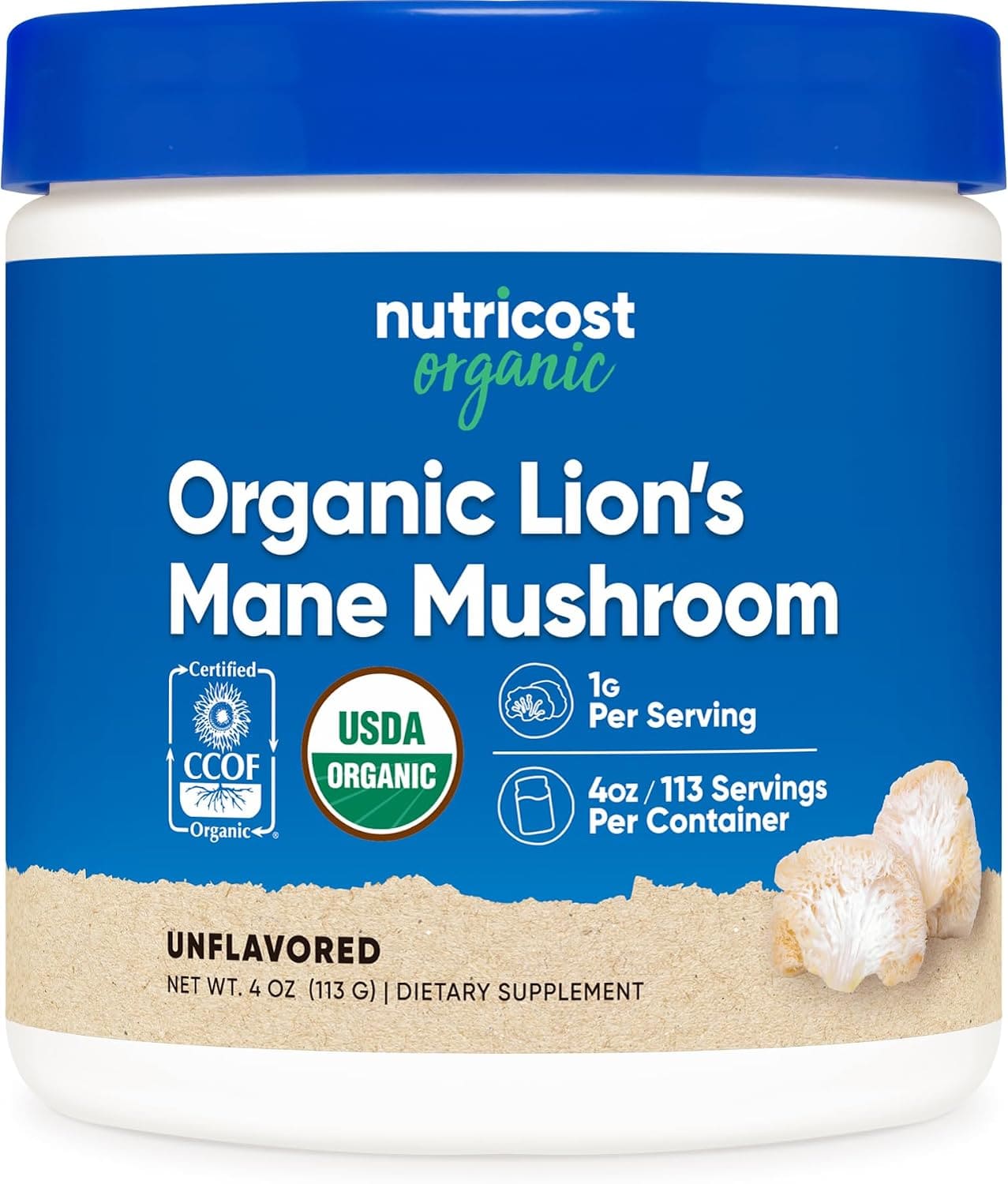
When adding Lion’s Mane to your pet’s diet, it is essential to begin with a small amount and gradually increase according to their reaction. While Lion’s Mane can come in the form of powder, supplement or extract, we recommend using the powdered version as it can be easily mixed into your canine companion’s food at the recommended dosage.
For extracts however, you must take extra caution since dosages may differ significantly depending on product type; always start off with minimal usage and adjust from there accordingly.
How Much Lions Mane To Give To A Dog?
It is critical to adhere to the instructions provided on any supplement packaging that you provide your dog. Since each product can vary, such as some being 100% Lions Mane and others composed of a mixture, it’s essential to start with the lowest recommended dose in order to assess how your pup responds before increasing if necessary.
Choose a product made for dogs where possible. If you’re considering a human supplement, ask your vet about the dose first and check the label carefully: some contain added ingredients such as xylitol (toxic to dogs) or blends of other mushrooms and herbs. Give it for a few weeks and watch for any changes, good or bad, before deciding whether to continue.

The Many Health Benefits Of Lion’s Mane For Dogs
Lion’s mane mushrooms are a source of antioxidants and anti-inflammatory compounds. Keep in mind that the benefits below are based mostly on early research in labs, rodents and people, not on studies in dogs.
Some of the potential health benefits of giving your dog lion’s mane include:
1Boosting the immune system
Lion’s mane mushrooms are a source of compounds that are thought to support the immune system. If your dog has an immune-related condition or takes medication that affects the immune system, talk to your vet before using it.
2Helping to fight inflammation
Lion’s mane mushrooms are also a source of anti-inflammatory compounds. This may be beneficial for dogs with inflammatory conditions such as arthritis, alongside – not instead of – the treatment your vet recommends.
3Improving cognitive function
Some studies suggest that compounds in lion’s mane mushrooms can help to improve cognitive function and memory. This may be beneficial for senior dogs who are starting to show signs of cognitive decline, although this hasn’t been proven in dogs.
4Supporting digestive health
Lion’s mane mushrooms contain compounds that are thought to support gut health and digestion. This may be helpful for dogs who suffer from gastrointestinal issues.
5Helping to heal wounds
The compounds in lion’s mane mushrooms are thought to have wound-healing properties. Any wound that is slow to heal should be checked by your vet, though, rather than treated with supplements.
6Reducing stress and anxiety
Lion’s mane mushrooms contain compounds that are thought to have calming and anti-anxiety effects. This may be helpful for dogs who suffer from anxiety or stress.
Possible Side Effects Of Lion’s Mane For Dogs
Although lion’s mane mushrooms are generally regarded as safe for dogs, it is always advised to check with your veterinarian before offering any new supplement to your pup. The possible side effects of giving a dog lion’s mane include:
1Digestive Issues
Lion’s mane mushrooms boast active constituents that are believed to promote a healthy gut, as well as aid digestion. Despite the potential benefits of taking this supplement, some dogs may experience digestive issues when they initially begin consuming it.
As such, if your pup struggles with an upset stomach after starting the supplement regimen, we suggest reducing their dosage or stopping it altogether. Call your vet if vomiting or diarrhea continues.
2Allergic Reactions
If your pup is allergic to lion’s mane mushrooms, they may display symptoms such as scratching, puffiness and even difficulty breathing. If you spot any of these signs in your dog after giving them the supplement, be sure to stop administering it right away and get professional help as soon as possible.
3Kidney Problems
There’s little information on how lion’s mane affects dogs with existing kidney disease, so ask your vet before giving it to a dog with kidney problems. If you observe your doggo drinking a lot more water or peeing more often than usual, stop the supplement and contact your vet, as these signs can point to a number of health problems.
4Interactions With Other Medications
Little is known about how lion’s mane interacts with medications in dogs, including diabetes, blood-thinning and cancer drugs, so it is always advised to consult your veterinarian before feeding them to your dog if they are already taking any form of medication.
5Pregnancy And Nursing
Lion’s mane mushrooms should be avoided if your dog is pregnant or lactating, as the compounds in these fungi could potentially have a detrimental impact on their unborn puppies. It’s always wise to speak with their veterinarian for personalized advice based on their unique health condition and history.

Conclusion – A Great Supplement
Lion’s mane mushrooms are growing in popularity due to their potential health benefits. Reported advantages include reducing inflammation, supporting cognitive function and gut health, although research in dogs is still limited. There’s no standard dose, so follow the label of a dog-specific product, start low, and talk to your vet before giving any new supplement to your pet.

Get The Ideal Dog Routine, free
A 10-page guide written by a vet: a sample daily routine, exercise and alone time, and grooming and vet check schedules.
We'll email you the download link. Unsubscribe anytime.