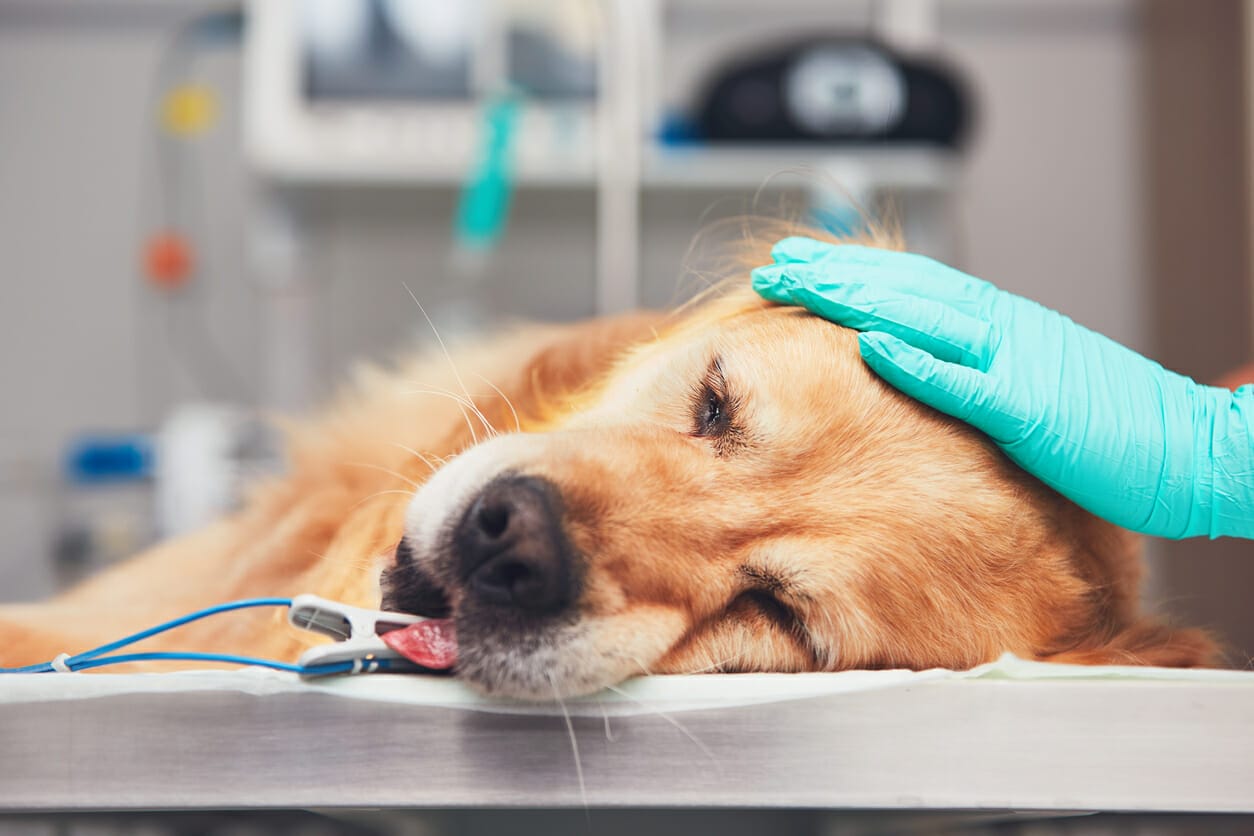
The most common side effects of anesthesia after dog teeth cleaning are mild: grogginess, wobbliness, a slight cough, nausea, and a reduced appetite for the rest of the day. Serious complications such as dangerously low blood pressure, aspiration pneumonia, or (very rarely) coma can happen, but they are uncommon in healthy dogs that have pre-anesthetic bloodwork and careful monitoring.
While dog anesthesia is generally safe, and vets take additional precautions before putting dogs under, it’s not risk-free. If you are nervous about the procedure, knowing which side effects are normal and which need a call to your vet will help you feel more prepared.
First, Is Dental Care even Important in Dogs?
Owning a dog is not just cuddles and smooches but a real responsibility, more like caring for a kid and being by their side for any underlying problem that might occur during their life.
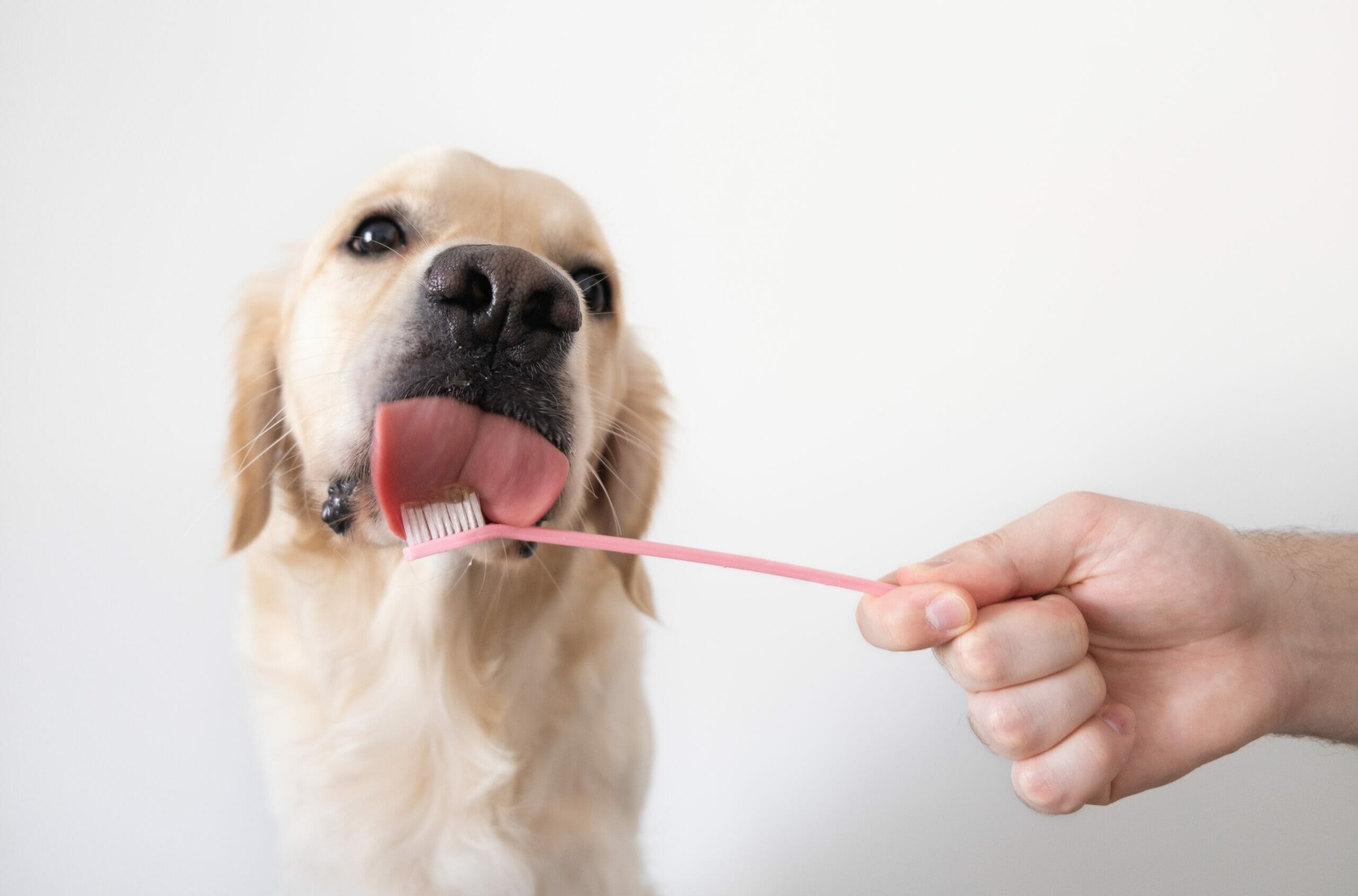
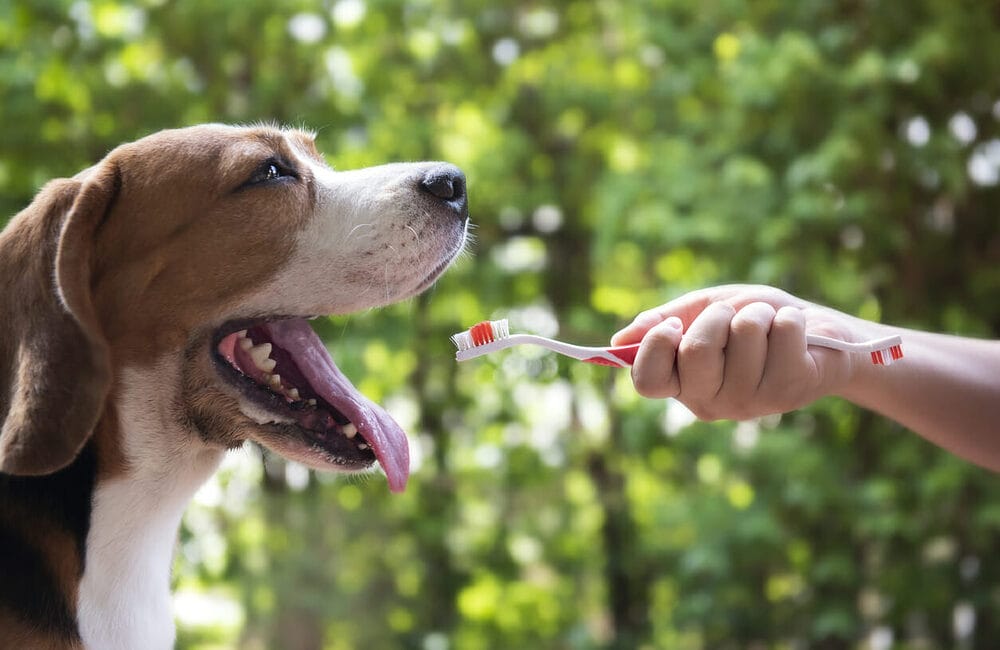
Dental care is often one of the most difficult parts to manage. While some dogs are cooperative and stay while you clean their teeth and enjoy the smell of vanilla-flavored toothpaste, others are unwilling to cooperate, running from the toothpaste and the brush as if it’s their worst enemy.
And naturally, while the former tend to have better dental hygiene, the latter are more likely to need professional cleanings. Even dogs that get brushed regularly usually need a professional cleaning under anesthesia from time to time, and it should be done by a veterinarian, since tartar below the gumline can’t be cleaned properly on an awake dog.
Dental disease as a breeding ground for bacteria
But just how important is proper dental care? Poor dental health doesn’t just cause bad breath; it can affect your dog’s overall health and comfort.
Dental disease is often a breeding ground for bacteria which can spread throughout the dog’s body, weaken the organs, and affect the immune system. More often than not, if underlying dental problems are not treated, plaque and tartar lead to inflammation of the gums and the tissues that hold the teeth in place, known as periodontitis, which can end in painful, loose teeth and tooth loss.
Remember, even what we call dog breath indicates some dental problems. Bad breath often occurs when there is a tartar build-up, and persistent bad breath is worth a veterinary check-up to determine the cause.
When dogs lack dental care, they might be reluctant to eat, as chewing the food can be pretty painful. Also they might seem more lethargic than usual.
Dog Teeth Cleaning Anesthesia Side Effects
Grogginess, lethargy, nausea, lack of appetite, and a mild cough (from the breathing tube) are the most common after-effects, and they usually pass within a day. Less common side effects include low blood pressure during the procedure, vomiting, diarrhea, and bleeding after extractions. Rarely, more serious complications such as aspiration pneumonia, hearing loss, or coma have been reported.
So to help you understand each possible side effect, let’s discuss it in more detail.
1Low blood pressure
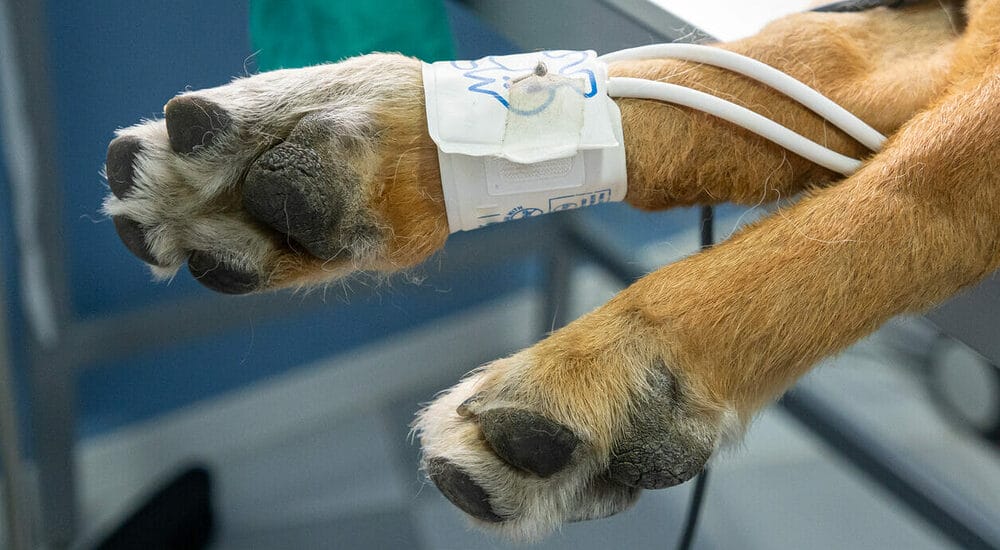
Low blood pressure (hypotension) is one of the most common complications in dogs under anesthesia, often affecting seniors. But young, healthy dogs are not immune to it. The most frequent reason is simply that many anesthetic drugs relax the blood vessels and slow the heart, especially at deeper levels of anesthesia. This is why your dog’s blood pressure is monitored throughout the procedure.
Bleeding, dehydration, an allergic reaction (rarely), and some untreated cardiac diseases can also cause low blood pressure.
If this happens, the vet team treats it right away, usually by giving intravenous (IV) fluids, lightening the anesthesia, and sometimes giving medication to support blood pressure.
2Vomiting
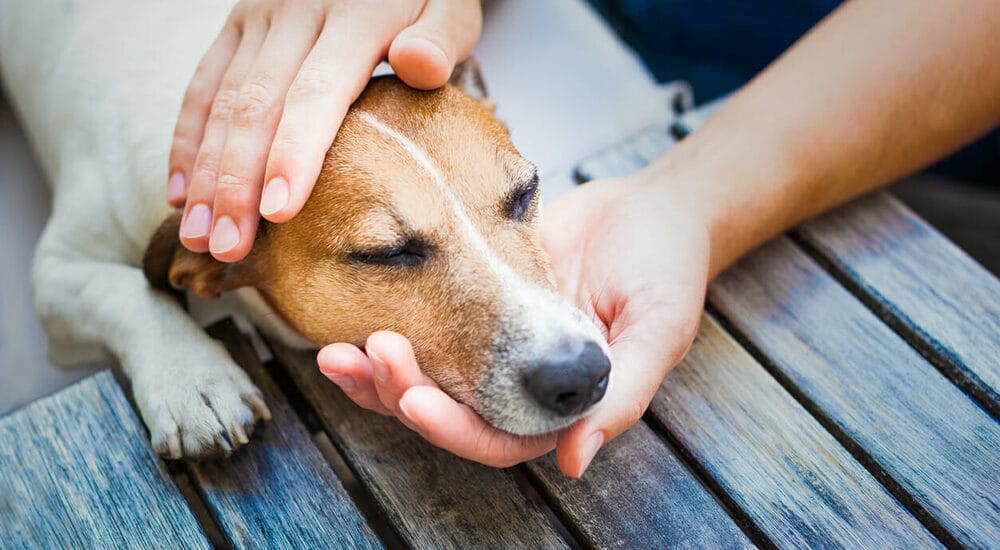
Vomiting can be another side effect of the anesthesia. Often, dogs can be nauseous after a procedure requiring a general anesthetic. This is more likely if the dog ate before the procedure instead of fasting as instructed, or simply as a reaction to the anesthetic drugs.
Whatever the reason, vomiting after anesthesia is unsafe as there is a risk of aspiration. This means that food can enter the lungs and lead to a more severe condition- aspiration pneumonia.
If it persists, contact the vet immediately.
3Diarrhea

It’s not uncommon for your dog to experience an upset stomach after waking up from anesthesia. This might occur because of stress, pain, the medications used, or a change in diet during recovery.
If your dog has diarrhea after teeth cleaning, consult your veterinarian. Even though this side effect usually lasts a couple of hours to a day, it is better to be safe than sorry, and diarrhea with blood or lasting longer than a day needs a vet visit.
4Bleeding
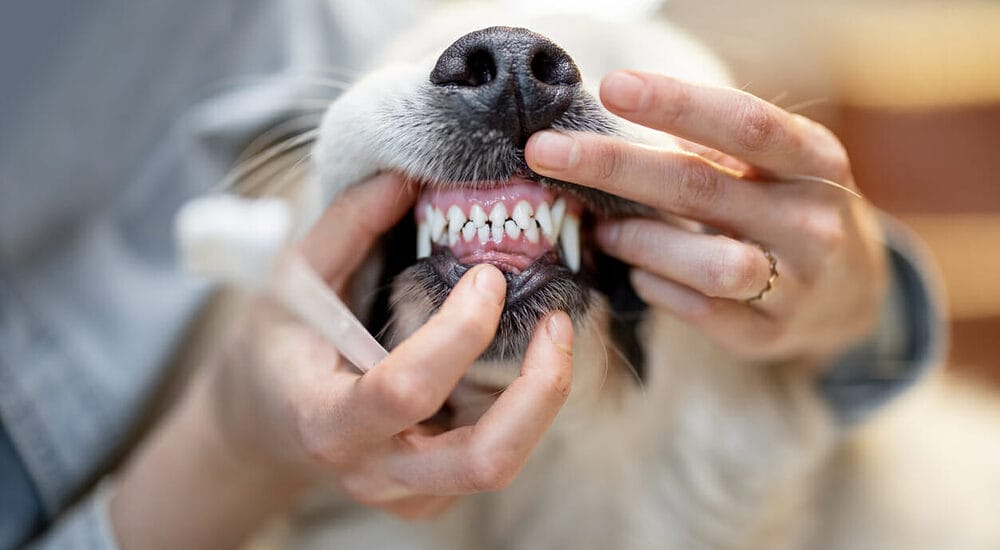
Some dogs may be bleeding after tooth extraction. After all, teeth extraction is a surgery, and some blood in the dog’s saliva is completely normal. Swelling and pain are also common symptoms.
Although common, the bleeding should stop after some time, as a blood clot forms where the tooth was extracted.
Contact the veterinarian right away if the bleeding gets heavier instead of slowing down, or if bloody drooling continues for more than several hours after you get home.
5Coma
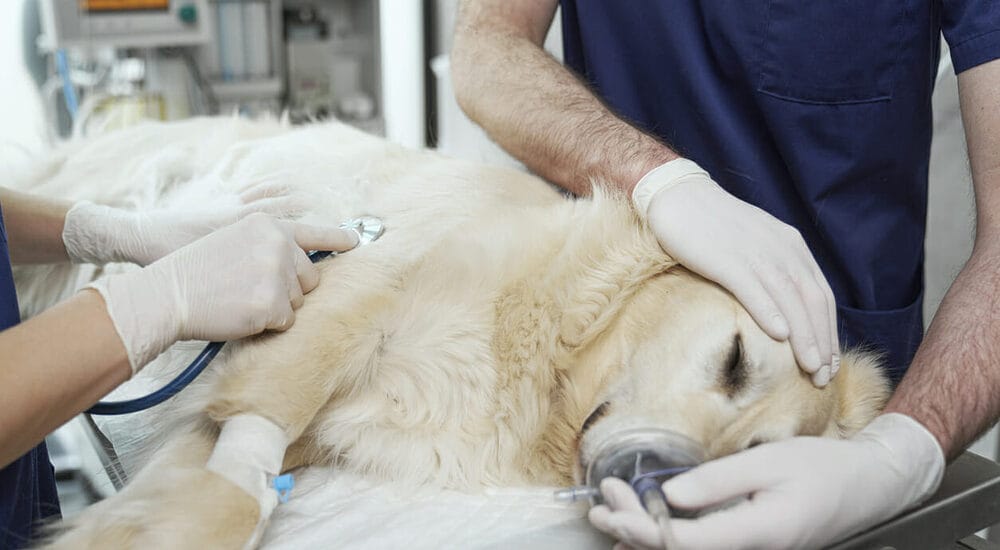
Probably the scariest side effect that dogs could experience after receiving general anesthesia during dental care is a coma. Thankfully, it is extremely rare. As you know, a coma is a condition of unconsciousness where the individual, the dog in this case, is alive but unable to move and lacks perception.
Anesthetic drugs work by depressing the brain, including the reticular activating system (RAS), which is responsible for regulating consciousness. Serious complications like this are usually linked to an overdose, a severe drop in oxygen or blood pressure, or an undiagnosed underlying disease, which is why careful dosing, monitoring, and pre-anesthetic testing matter so much.
What Factors Affect the Side Effects of Anesthesia?
Dog size, breed, age, and health are among the most common factors that affect anesthetic risk. Flat-faced breeds such as French Bulldogs and Pugs carry a greater risk because of their breathing difficulties, and dogs with heart, kidney, or liver disease need extra precautions.
You can help lower the risk by:
- Agreeing to pre-anesthetic bloodwork (and other tests your vet suggests for older dogs)
- Following the fasting instructions exactly
- Telling your vet about every medication and supplement your dog takes
- Asking how your dog will be monitored and whether IV fluids will be given during the procedure
What Happens After the Dental Procedure?
Just as it’s important to have blood tests and a check-up before the procedure, it helps to know what to expect afterward.
If your dog is lucky enough only to get their teeth cleaned up, without teeth extraction, there’s not much to do after the procedure. All you can do is wait for a few hours until the anesthesia wears off to take your dog from the hospital and bring them home in a safe and peaceful environment for a full recovery.
If there was a tooth extraction, your dog will usually be sent home with pain medication, and sometimes antibiotics.
Regardless of whether there was a tooth extraction or not, expect the dog’s mouth to be sore for the next couple of days. If extraction took place, it’s safe to say that the soreness might persist for up to five days.
What to feed a dog after dental cleaning
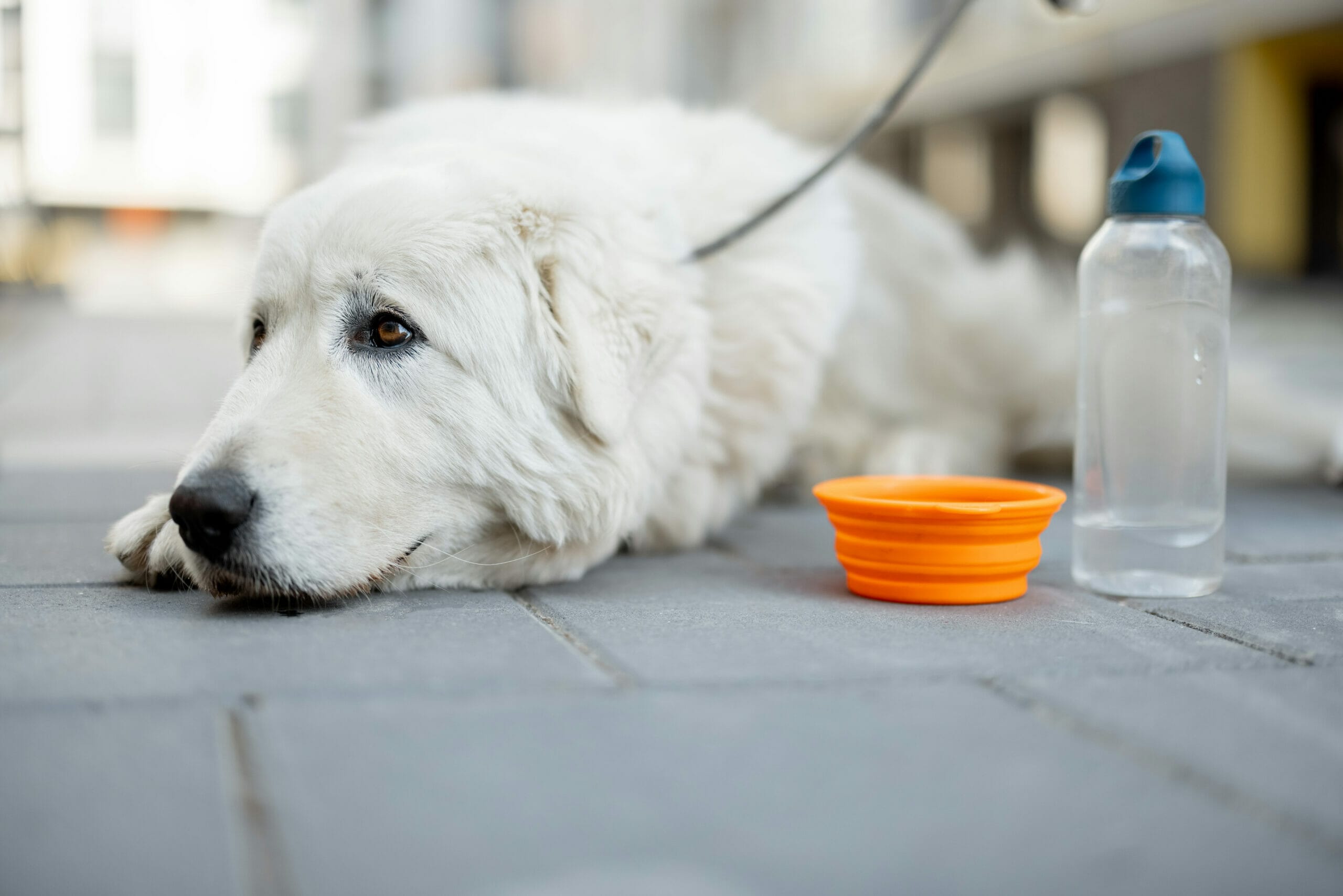
Once your dog is settled at home, offer a small meal (about half their usual portion) and small amounts of water at a time to lower the chance of vomiting, nausea, or diarrhea. After all, the dog is still sensitive from the anesthesia and might feel drowsy or disoriented. Follow any specific feeding instructions your vet gives you.
The next day, and the days after, feed soft or wet food to avoid irritating the gums, especially if teeth were extracted.
How to care for a dog after tooth extraction
While most dogs make a full recovery after a couple of days, they might need to rest and take antibiotics as directed.
If you care for an older dog, remember that a senior dog’s tooth extraction recovery path is just the same as that of a younger dog.
Regardless of the dog’s age, pet owners need to pay attention to the following instructions for a fast and safe recovery.
1Let your dog rest

Make sure your dog is in a warm, safe, and comfortable environment, especially during the first day after teeth extraction.
It’s normal for the dog to be sleepy and not very interested in food on the evening of the procedure. But if your dog still won’t eat after 24 hours, or seems to be getting worse instead of better, contact the vet. We cover drinking problems specifically in dog won't drink water after dental surgery.
2Antibiotics and painkillers
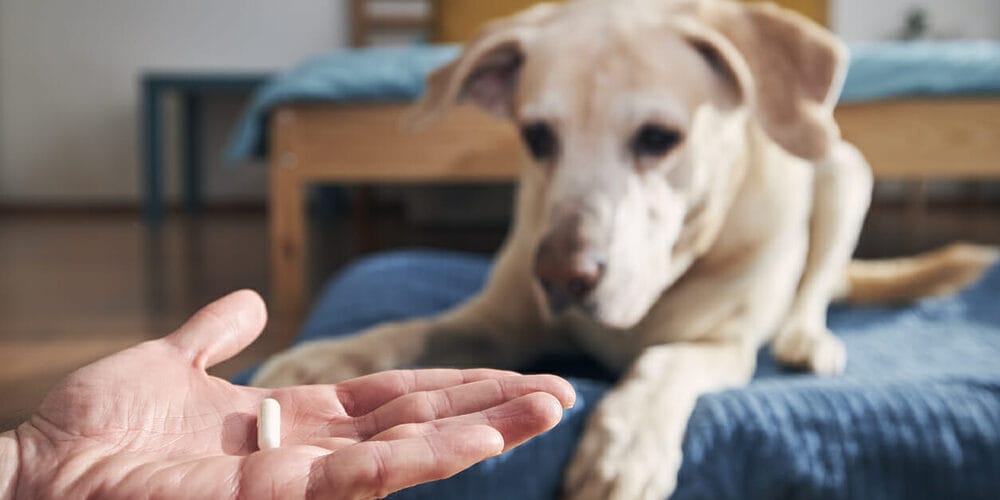
Before the discharge, your dog may be prescribed painkillers to ease the pain and, if there was an infection, antibiotics. After all, there’s a wound in the dog’s mouth that requires proper care.
Give every medication exactly as prescribed, finish the full course of antibiotics, and never give your dog human painkillers such as ibuprofen or acetaminophen, which can be toxic to dogs.
Should your dog refuse to take the pills, you could try hiding the pill in certain foods or use pill poppers to ensure the pill’s effectiveness.
Read about: Best Foods To Hide Dog Pills In
3Appropriate diet
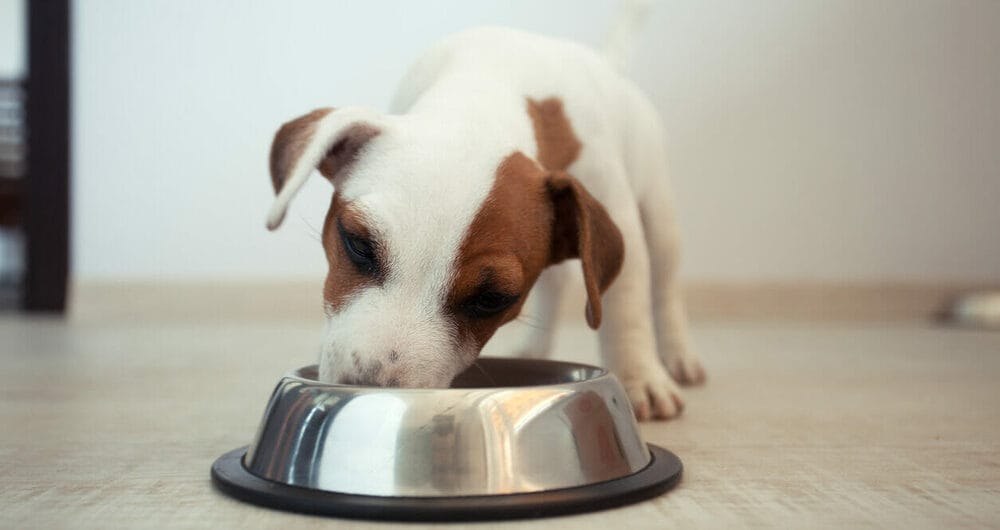
As mentioned above, try feeding your dog wet or soft food, or soak their normal kibble in warm water until it’s soft.
Hard kibble and chews might irritate the inflamed gums and the extraction sites, so it’s best to stick with soft food until your vet confirms the mouth has healed.
Remember to keep an extra eye out during the recovery period as dogs hide that they are in pain. You should keep an eye out for the following:
6 Signs That You May Want To Keep An Eye On:
- Drooling
- Bad breath
- Lack of appetite
- Disinterest in toys
- Aggression
- Disorientation
Call your vet if your dog has trouble breathing, a persistent or worsening cough, pale gums, repeated vomiting, bleeding that won’t stop, swelling of the face, or is still very drowsy or wobbly the morning after the procedure.
FAQ – Frequently Asked Questions
You may have a few questions before we wrap things up; here are some of the most frequently asked:
Can a 14-year dog receive dental care?
Of course. Age shouldn’t be a problem when it comes to maintaining the dog’s overall health. Older dogs carry a somewhat higher anesthetic risk than younger dogs, so your vet will usually run more thorough tests first, but untreated dental disease is painful at any age.
What do you need to do prior to the dental procedure?
Prior to the dental procedure, your dog will usually need a full check-up and blood tests to make sure they are healthy enough for anesthesia and to lower the risk of serious adverse effects. You’ll also be told when to stop food (usually the night before).
Why is my dog very sick after teeth cleaning?
Although it’s common for your dog to feel drowsy or have an upset stomach in the first few hours after the procedure, if the adverse symptoms persist for more than 24 hours, it’s time to consult your vet. Some complications might have occurred.
In Conclusion – Keep An Eye On Your Dog
Now that you know all the possible side effects from anesthesia after dog teeth cleaning, keep an extra eye out the next time you bring your dog for a dental check-up.
Always inform your vet about any health conditions your dog has so they can plan the anesthesia accordingly. Should anything go wrong, your vet will take every possible measure to help your dog stay on its four feet.
Does your dog like having their teeth cleaned? Are there other side effects we failed to mention? Let us know in the comments below.