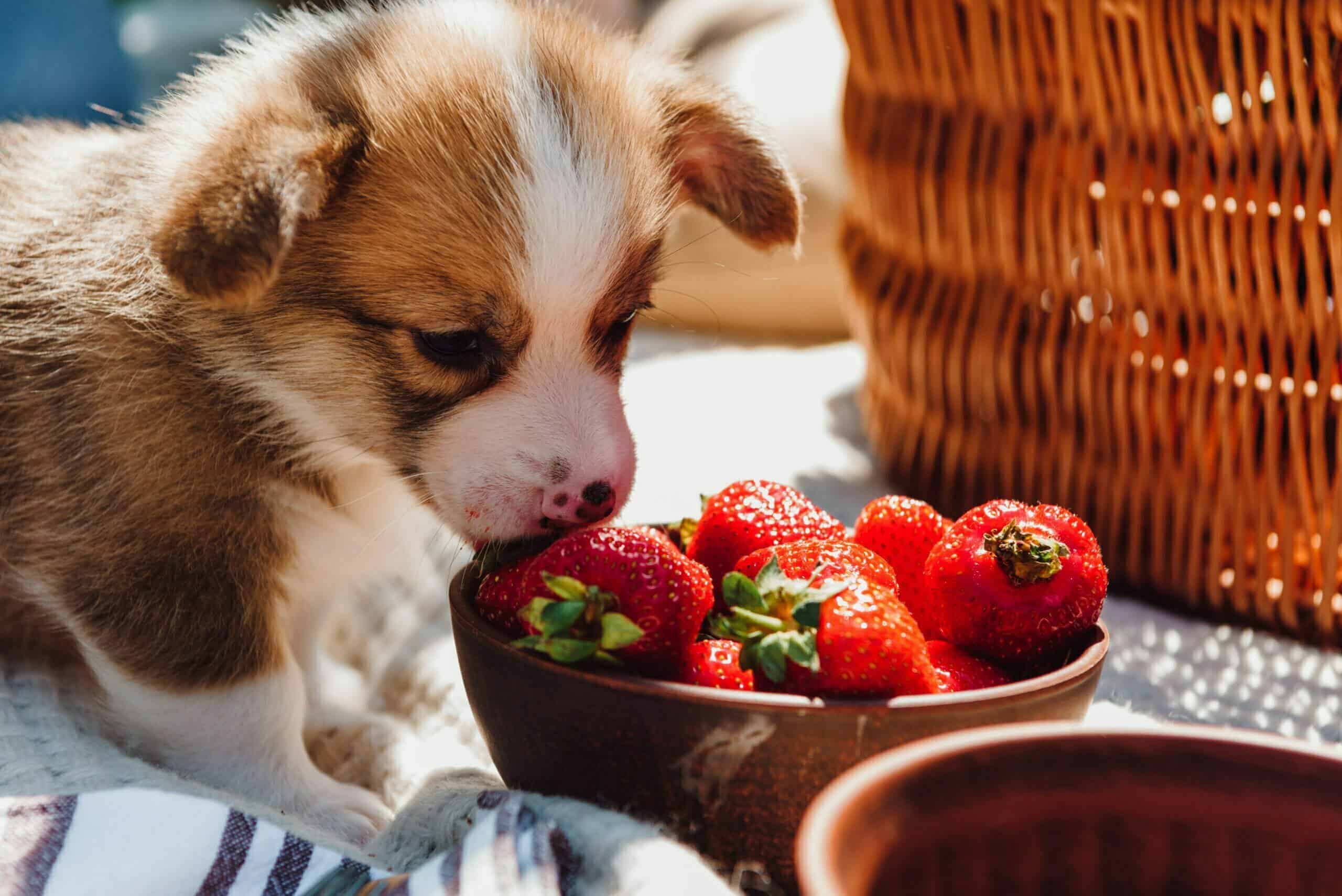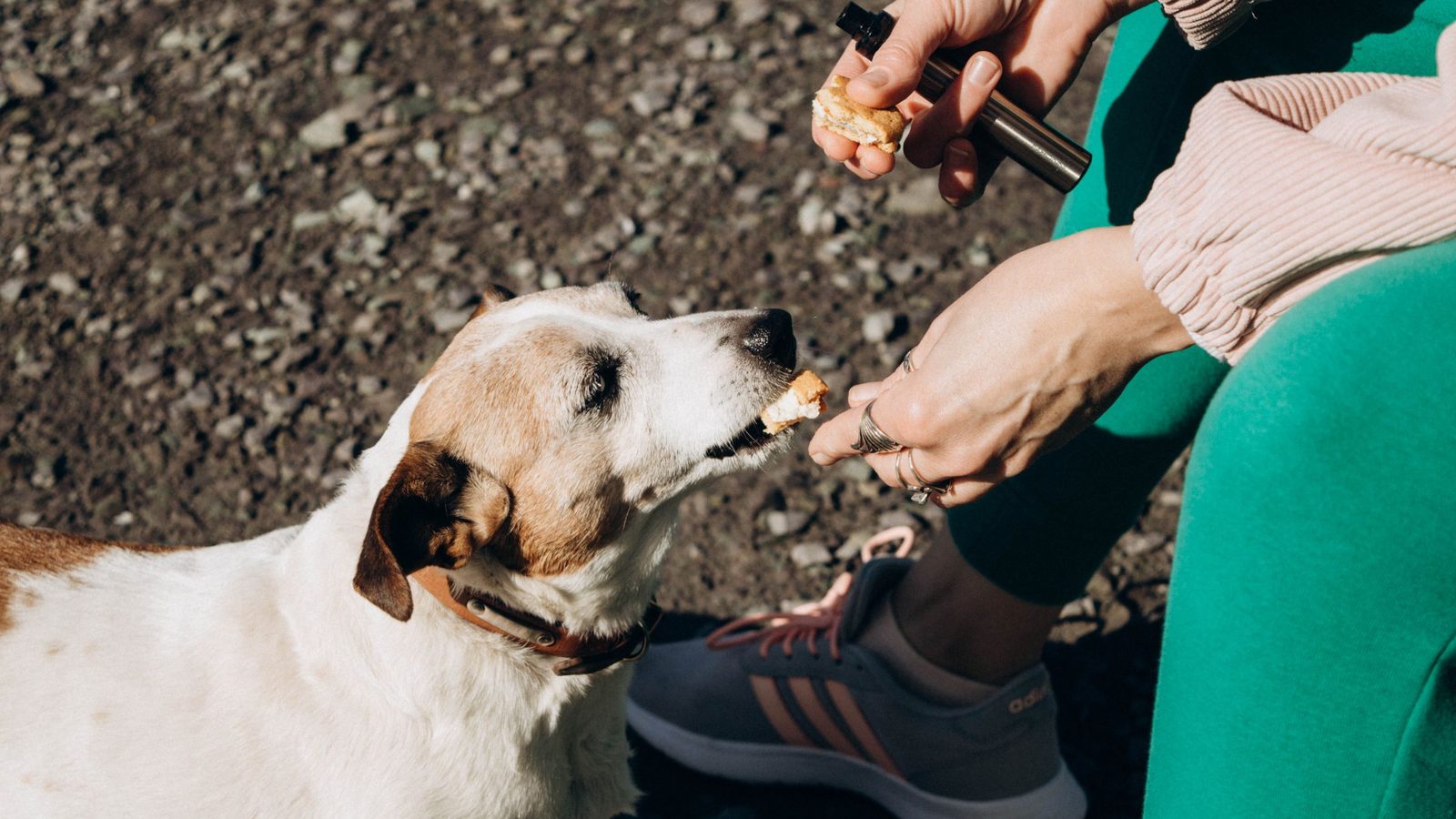
Say the word "cheese" in most kitchens and the dog is already sitting. It is one of the most popular human foods to share, and the one most owners reach for when a pill needs to go down. The good news is that a little plain cheese is fine for most dogs. The catch is in the type and the amount.
Yes, most dogs can eat cheese in small amounts. Plain, lower-fat cheeses such as mozzarella, cottage cheese and a little mild cheddar are the better choices. Skip blue cheese and any cheese with garlic, onion, chives or herbs, and keep portions tiny, because cheese is high in fat and salt and some dogs can't digest lactose well.
Is cheese good for dogs?
Cheese isn't a superfood for dogs, but it isn't junk either. It contains protein, calcium and fat, and most dogs find it irresistible. That makes it a useful high-value reward for training and for hiding medication.
What it doesn't do is fill a nutritional gap. A dog eating a complete and balanced dog food already gets the protein and calcium it needs, so cheese is purely a treat. Its real value is behavioral: a pea-sized piece of cheese can buy a lot of cooperation at the vet or during nail trims.
What are the risks of cheese for dogs?
1Lactose intolerance
Many adult dogs make less lactase, the enzyme that breaks down milk sugar, than they did as puppies. Cheese contains much less lactose than milk, and hard, aged cheeses contain very little, which is why many dogs handle a small piece without trouble. Fresh, soft cheeses tend to carry more. Signs that your dog doesn't tolerate dairy include gas, loose stool, diarrhea or vomiting within a few hours. If you see that, cheese isn't for your dog.
2High fat and pancreatitis
Most cheese is high in fat. Too much fat can cause stomach upset, and in some dogs a fatty meal can trigger pancreatitis, a painful inflammation of the pancreas that can need hospital care. Dogs with a history of pancreatitis, and breeds prone to it such as Miniature Schnauzers, should not get fatty treats without a vet's okay. Fat also means calories, so cheese adds up quickly for overweight dogs.
3Salt
Cheese is salty. Feta, halloumi, Parmesan and processed cheese slices are among the saltiest. A nibble won't hurt a healthy dog, but regular salty treats are a poor idea, especially for dogs with heart or kidney disease.
4Cheeses to avoid
- Blue cheese (Roquefort, Stilton, Gorgonzola). The molds used to make these cheeses can produce a substance called roquefortine C. Dogs may be sensitive to it, and large amounts have been linked to vomiting, diarrhea, tremors and seizures. Keep blue cheese away from your dog entirely.
- Cheese with garlic, onion, chives or herbs. Garlic and herb spreads, chive cream cheese and onion-flavored cheese contain alliums, which damage a dog's red blood cells. Check the label on flavored cheeses before sharing.
- Very salty or strongly aged cheese, such as feta, halloumi and aged Parmesan. Not toxic, just too much salt and fat for a regular treat.
- Moldy or spoiled cheese. Mold on old food can produce toxins that cause tremors and seizures, so leftovers past their best go in a closed bin, not the dog bowl.
- Cheese in rich dishes, such as pizza, nachos, mac and cheese or fondue. These often bring garlic, onion, butter and a lot of fat along with the cheese.
Not sure about a specific cheese or ingredient? Search it in our toxic to dogs checker.
How much cheese can a dog eat?
All treats, cheese included, should stay under 10% of your dog's daily calories, with the other 90% coming from a complete and balanced diet. Cheese is calorie-dense, so it uses up that allowance fast. A half-inch cube of cheddar is roughly 9 to 10 calories, and a one-inch cube is closer to 70. For a 10 lb dog, the whole daily treat budget is only about 40 calories.
These are rough guides for an occasional treat, not a daily target:
| Dog size | Example weight | Cheddar or mozzarella | Low-fat cottage cheese |
|---|---|---|---|
| Extra-small | Up to 10 lb | 1 to 2 pea-sized pieces | 1 to 2 teaspoons |
| Small | 10 to 25 lb | 1 to 2 half-inch cubes | About 1 tablespoon |
| Medium | 25 to 50 lb | 2 to 3 half-inch cubes | 1 to 2 tablespoons |
| Large | 50 to 90 lb | 3 to 4 half-inch cubes | 2 to 3 tablespoons |
| Giant | 90 lb and up | Up to a one-inch cube | 3 to 4 tablespoons |
If your dog also gets chews, biscuits or training treats that day, cut the cheese back. Our dog treat calculator shows your own dog's daily treat budget in calories. For training, cut cheese into tiny crumbs; dogs care about the taste, not the size.
How to give cheese to your dog
- Pick plain, lower-fat cheese. Part-skim mozzarella, low-fat cottage cheese and a little mild cheddar are good starting points. The AKC also points to soft goat cheese as a lower-fat option.
- Start small. Offer one tiny piece the first time and wait a day to check for gas or loose stool.
- Cut it to size. Small cubes or shreds for training, a teaspoon of cottage cheese stirred into food for a picky eater.
- Freeze it. A spoonful of cottage cheese mixed into a stuffed toy and frozen makes a long-lasting treat.
- Keep it plain. No crackers with seasoning, no garlic bread, no sauce.
Can puppies eat cheese?
Puppies can have a crumb of plain, mild cheese as a training reward once they're eating solid food, but they need nearly all of their calories from a complete puppy food. Their stomachs are also more sensitive, so start very small. Ask your vet if your puppy has had any digestive trouble.
Cheese for dogs with health conditions
- Pancreatitis or a sensitive stomach: avoid fatty cheese unless your vet says otherwise.
- Obesity: cheese is easy to overdo. Switch to lower-calorie rewards, such as those in our list of low-calorie dog treats.
- Kidney or heart disease: cheese is high in salt and phosphorus, which these dogs often need to limit. Ask your vet first.
- Diabetes: cheese is low in sugar, but its fat and calories still matter. Check with your vet.
Long-tail questions about cheese
Can I use cheese to hide my dog's pills?
Yes, and it works well for many dogs. Soft cheese molds easily around a tablet. Two cautions: ask your vet first if your dog is on an antibiotic, because some antibiotics (such as doxycycline and fluoroquinolones) bind to the calcium in dairy and work less well, and use the smallest piece that hides the pill. Our guide to the best foods to hide dog pills in covers other options.
Can dogs eat string cheese?
Yes, plain string cheese is usually part-skim mozzarella, one of the better choices. One full stick is a lot of calories for a small dog, so tear off a strip rather than handing over the whole thing.
Can dogs eat cream cheese?
A small lick of plain cream cheese is fine for most dogs, but it is high in fat. Avoid flavored versions, especially chive, onion, garlic and herb, and sweet versions that may contain sugar or xylitol.
Can dogs eat cottage cheese?
Yes. Plain, low-fat cottage cheese is one of the gentler cheeses for dogs. It does contain some lactose, so watch for loose stool the first time.
Can dogs eat Parmesan, feta or Swiss cheese?
Swiss cheese is relatively low in lactose and fine as a small nibble. Parmesan and feta are salty, so keep them to a rare sprinkle at most.
What to do if your dog ate too much cheese or the wrong kind
If your dog stole a big block of cheddar, expect vomiting, diarrhea or gas over the next day. Offer water, skip the next meal's extras and watch your dog. Call your vet if vomiting or diarrhea is repeated, if your dog seems painful in the belly, hunches over, stops eating or seems lethargic, as these can be signs of pancreatitis.
Call your vet or the ASPCA Animal Poison Control Center at (888) 426-4435 right away if your dog ate:
- Blue cheese, especially a large amount, or moldy cheese. Watch for tremors, twitching, agitation or seizures.
- Cheese with garlic, onion or chives. Signs of allium poisoning can be delayed by several days. Our onion and garlic toxicity calculator helps put the amount in context.
Have the type of cheese, the amount, the time and your dog's weight ready when you call.
FAQ
Is cheese toxic to dogs?
No, plain cheese isn't toxic to dogs. Blue cheese and cheese flavored with garlic, onion or chives are the exceptions, and moldy cheese can also make dogs sick.
What cheese is best for dogs?
Plain, lower-fat cheeses: low-fat cottage cheese, part-skim mozzarella and string cheese, and small amounts of mild cheddar.
Can dogs eat cheese every day?
A crumb or two within the 10% treat budget is fine for most healthy dogs. Larger daily amounts add fat, salt and calories, so rotate cheese with lower-calorie treats.
Why does cheese give my dog diarrhea?
Most likely lactose intolerance or too much fat at once. Stop the cheese, and if the diarrhea lasts more than a day or your dog seems unwell, call your vet.
Can dogs eat cheese puffs or cheese crackers?
These are best avoided. They are salty, fatty and often seasoned with onion or garlic powder. See our post on whether it's okay to share food with your dog for more on snacks.
The bottom line
Plain cheese is a fine treat for most dogs, as long as it stays small. Choose low-fat cottage cheese, mozzarella or a bit of mild cheddar, cut it into tiny pieces, and keep it within the 10% treat budget. Leave out blue cheese and anything with garlic, onion, chives or herbs, and skip cheese altogether if your dog is lactose intolerant or has had pancreatitis.
Get The Ideal Dog Routine, free
A 10-page guide written by a vet: a sample daily routine, exercise and alone time, and grooming and vet check schedules.
We'll email you the download link. Unsubscribe anytime.