The 6 Best Heated and Self-Warming Dog Beds for Winter (2026)
 Written by Tim de Jong
As an Amazon Associate we earn from qualifying purchases, at no extra cost to you. Disclosure
Pick by your dog
Swipe ›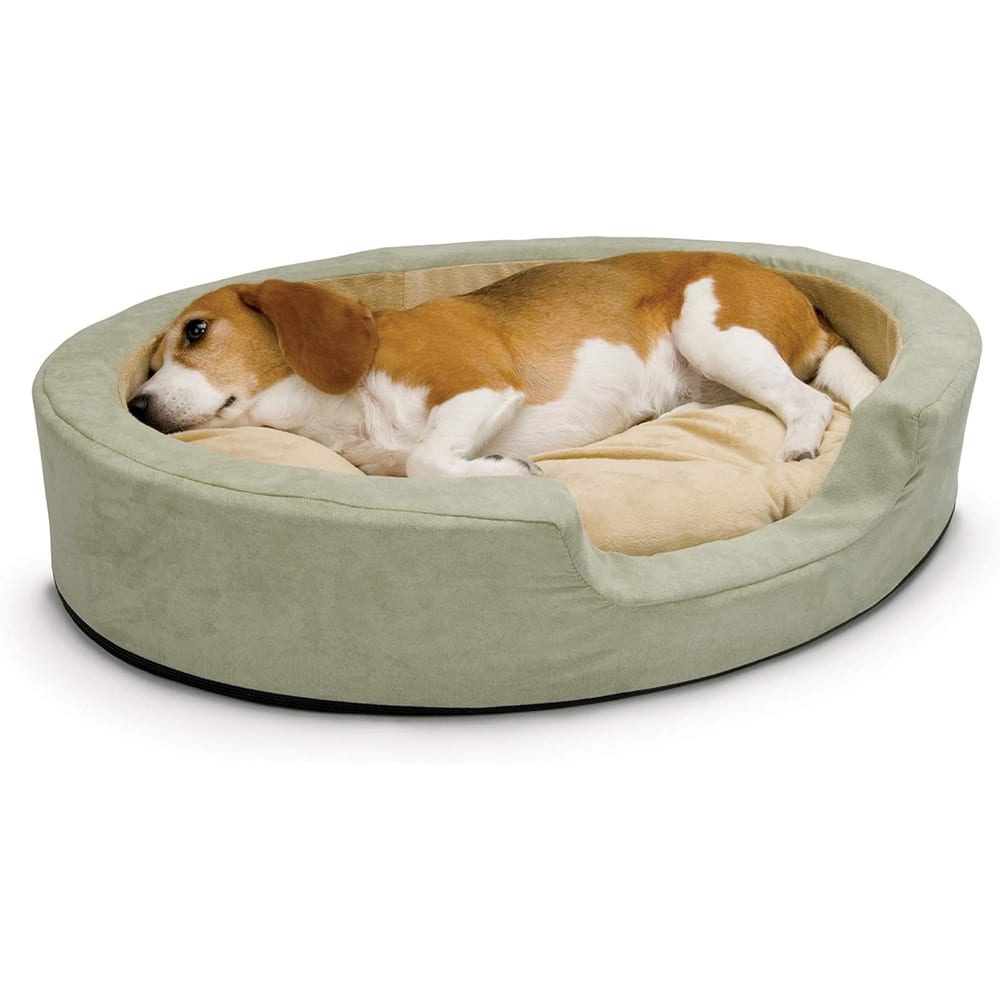
Our picks
| Pick | Best for | Buy |
|---|---|---|
| Top pickK&H Thermo-Snuggly Sleeper Heated Dog Bed | Best Overall | Check price |
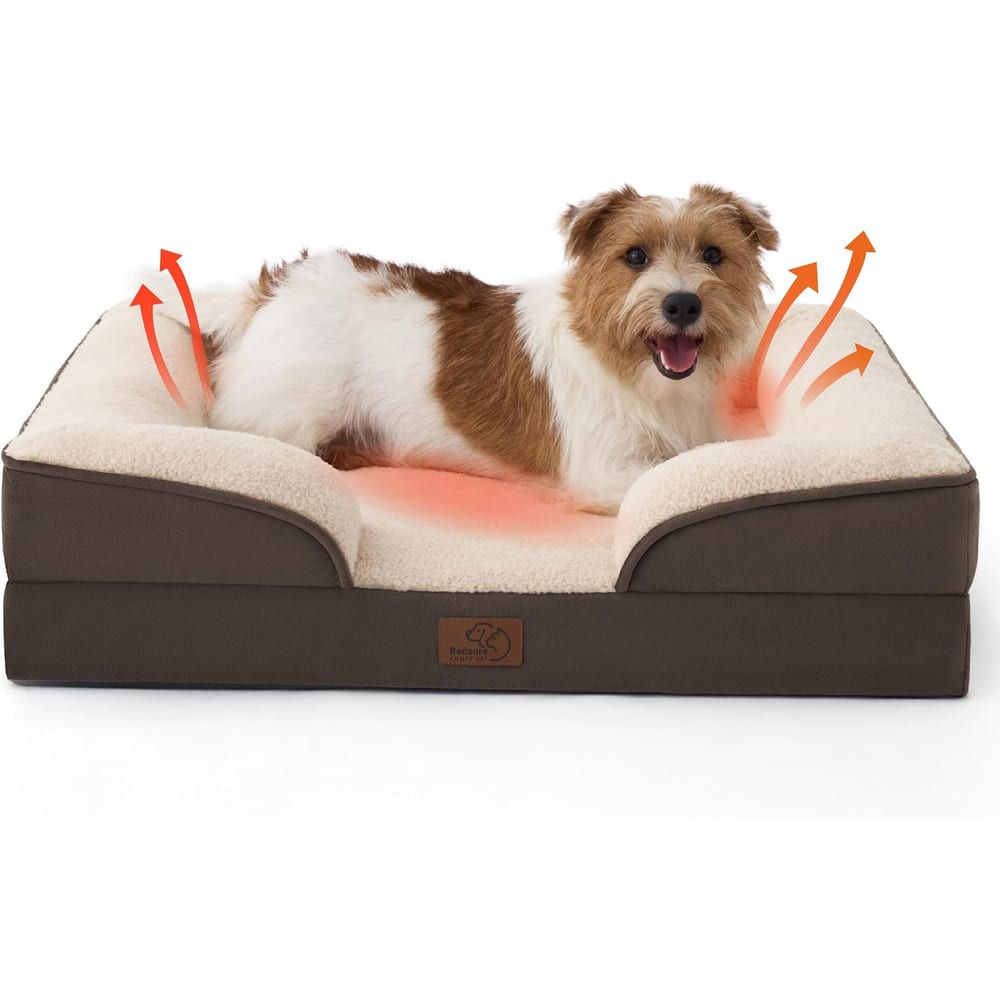
| Bedsure Self Warming Orthopedic Dog Bed | Best Self-Warming Bed | Check price |
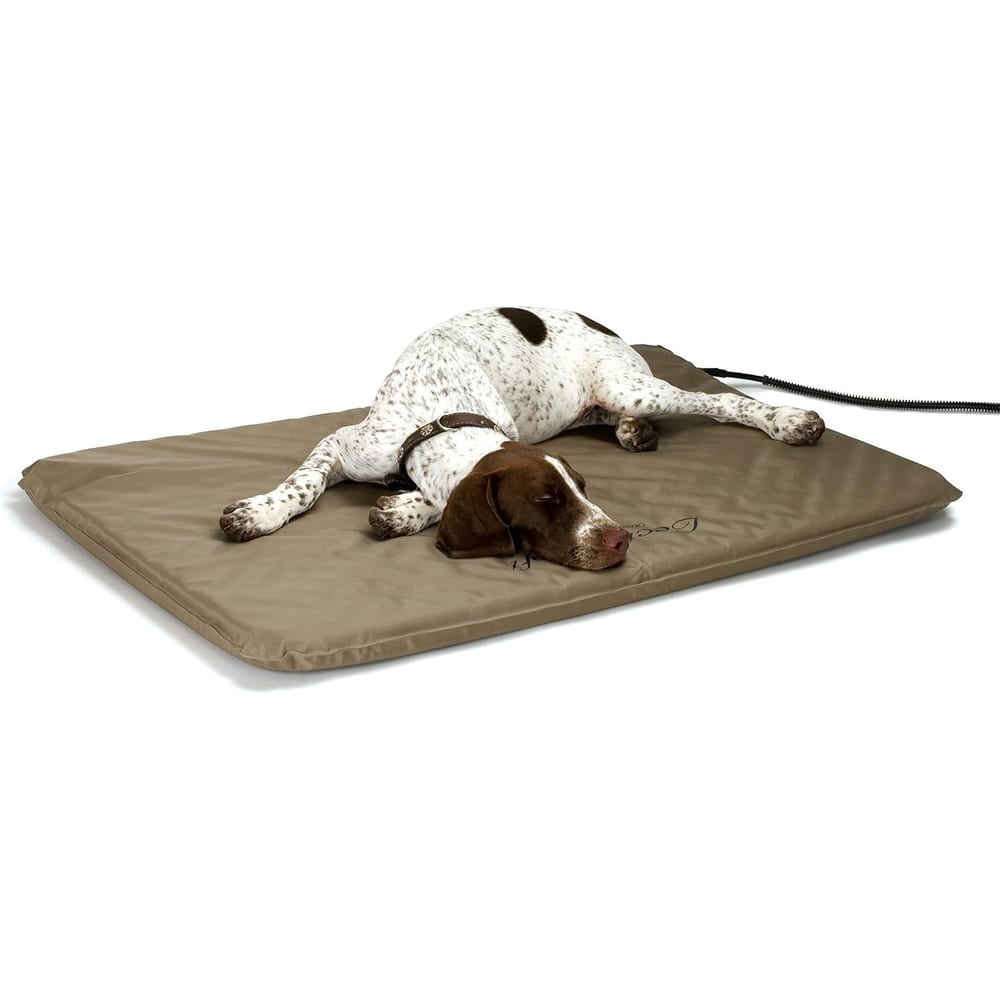
| K&H Lectro-Soft Outdoor Heated Pet Bed | Best for Garages and Sheds | Check price |
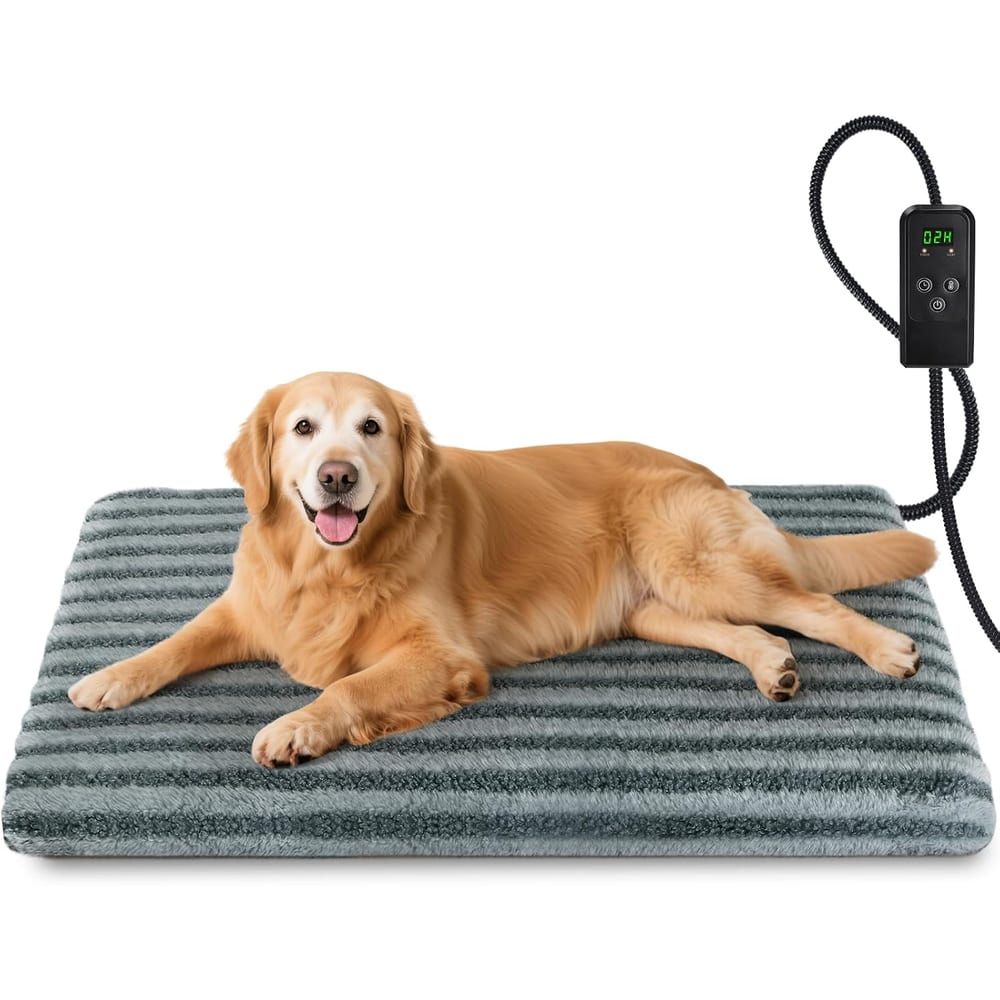
| Large Pet Heating Pad with Timer | Best Adjustable Heat | Check price |
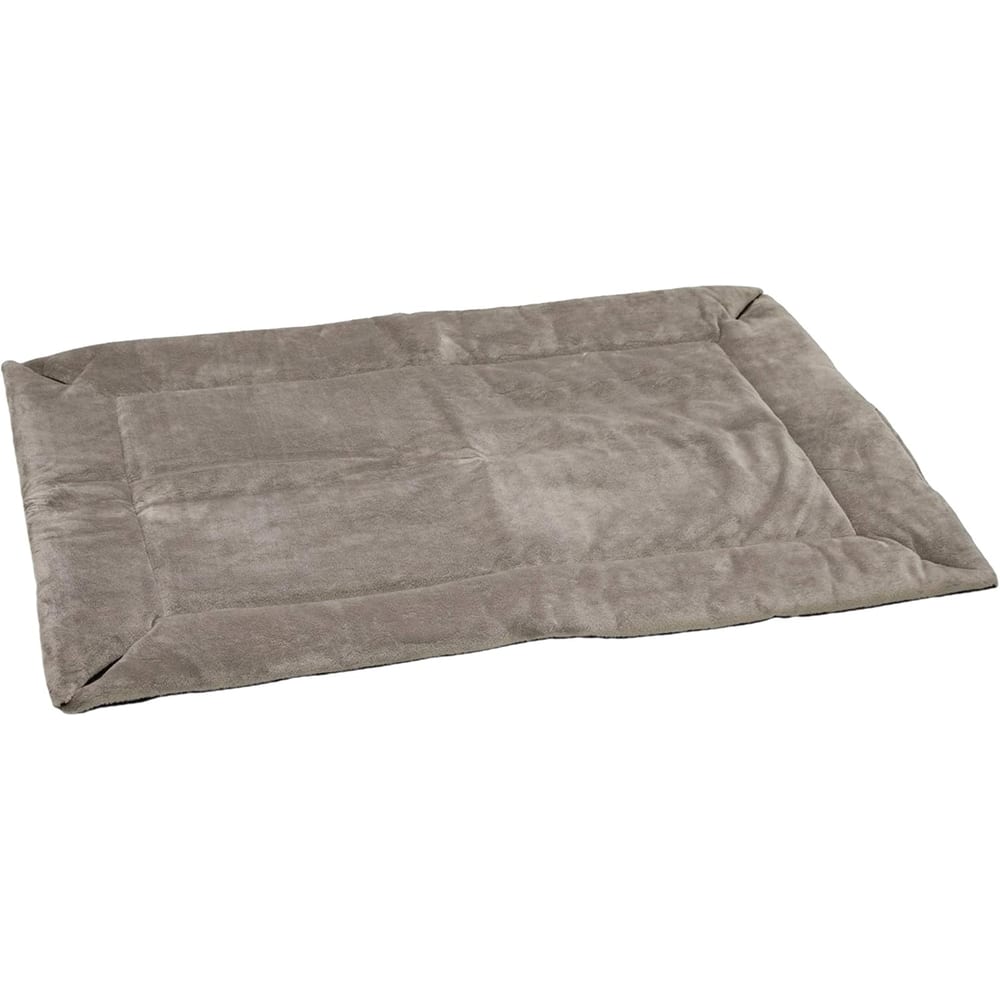
| K&H Self-Warming Crate Pad | Best for Crates | Check price |
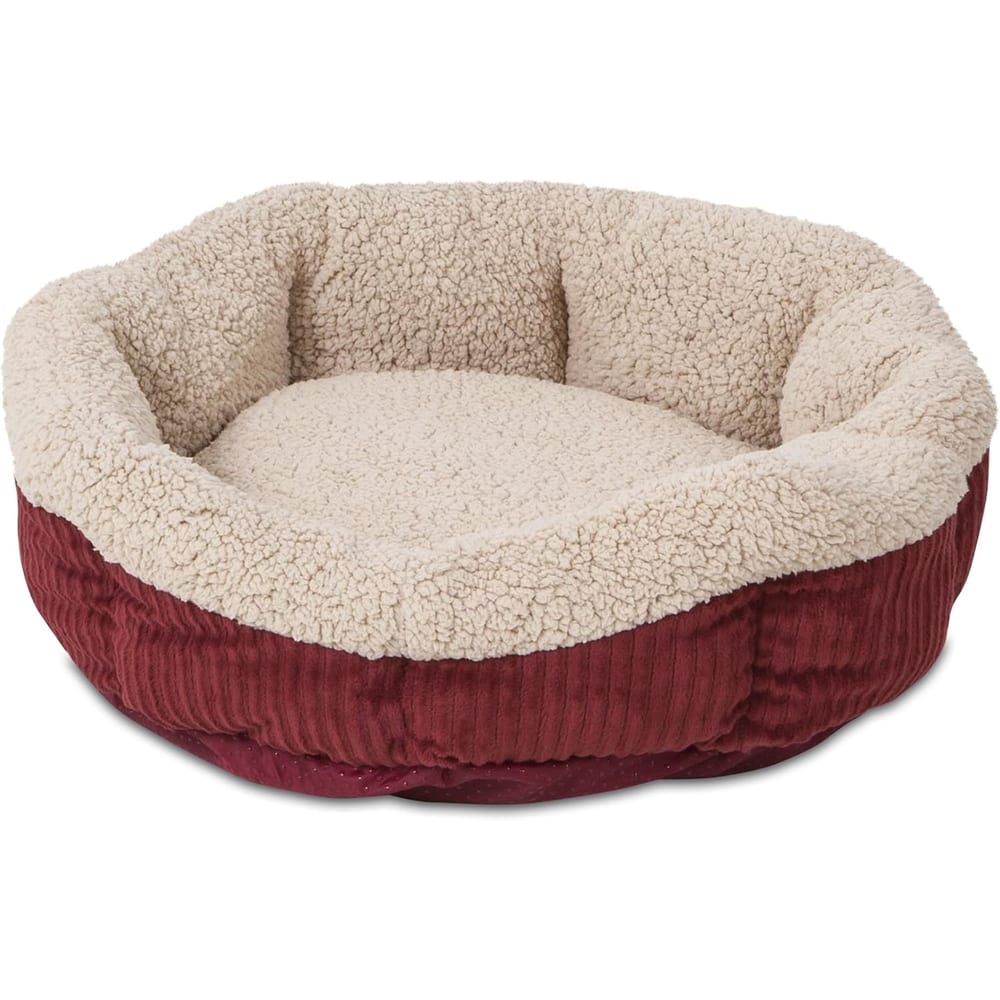
| Petmate Aspen Pet Self-Warming Round Bed | Best for Small Dogs | Check price |
If your dog spends winter evenings pressed against the radiator, curled into a tight ball or burrowing under every blanket in the house, they're telling you they're cold. A warm bed is one of the easiest ways to help, especially for older dogs with stiff joints and small or thin-coated dogs that lose heat quickly.
There are two kinds of warm dog beds: heated beds that plug in and actively warm up, and self-warming beds that use insulating materials to reflect your dog's own body heat back to them. Both work, but they suit different dogs and different spaces. Below are the six we'd buy, and how to choose.
The short answer: the K&H Thermo-Snuggly Sleeper is the best heated dog bed for most indoor dogs, because its low-wattage heater only warms up to your dog's normal body temperature when they're lying on it. If you'd rather avoid cords, the Bedsure Self Warming Orthopedic Dog Bed combines heat-trapping fabric with egg-crate foam, which is a great match for senior dogs.
Heated vs. self-warming dog beds
| Heated (electric) | Self-warming | |
|---|---|---|
| How it works | A heating element warms the bed | Insulating layers reflect your dog's body heat |
| Warmth | Warmer, steady heat | Gentle; depends on your dog's own heat |
| Best for | Seniors, arthritis, outdoor shelters, very cold rooms | Most indoor dogs, crates, travel |
| Needs power | Yes | No |
| Chewers | Not suitable (cords) | Fine |
| Safety | Choose one with a thermostat or low setting | Very low risk |
Which dogs benefit from a warm bed?
- Senior dogs and dogs with arthritis. Warmth eases stiff joints, much like a heat pack does for people. A heated bed is often most noticeable on cold mornings when your dog gets up.
- Small, thin and short-coated breeds. Chihuahuas, Italian Greyhounds, Whippets, Dachshunds and other low-body-fat dogs lose heat fast. If your dog is shivering indoors, see why is my dog shaking.
- Puppies, who can't regulate their body temperature as well as adults.
- Dogs recovering from surgery or illness.
- Dogs that sleep in a garage, shed or kennel. For these spaces you need an outdoor-rated heated pad.
Healthy, thick-coated breeds in a heated house usually don't need active heating. A self-warming bed is plenty for them.
1K&H Thermo-Snuggly Sleeper Heated Dog Bed
Get it if
You want gentle, automatic heat for an indoor dog.
Skip if
Your dog chews cords or beds.
K&H is the best-known name in heated pet beds, and the Thermo-Snuggly Sleeper is its cuddler-style indoor bed. Soft foam walls give your dog something to lean against, and the heater is thermostatically controlled so it only warms to your dog's normal body temperature while they're lying on it. The medium size uses just 6 watts, so it costs very little to run all winter.
What we like most is that the heater is removable. Take it out in spring and you still have a normal bolster bed for the rest of the year. The cover and pillow are machine washable, and K&H says its heated beds are tested and certified by MET Labs to US and Canadian electrical safety standards.
Pros
- Thermostat warms only to body temperature, only when in use
- Very low wattage
- Removable heater turns it into a normal bed in summer
Cons
- Gentle heat; not a strong heating pad
- Not for dogs that chew
2Bedsure Self Warming Orthopedic Dog Bed
Get it if
You have a senior dog and don't want a cord.
Skip if
Your dog sleeps somewhere unheated and really cold.
This is the bed we'd pick for most older dogs. Bedsure uses hollow-core fibers that trap still air and reduce heat loss, so your dog's own warmth stays in the bed. Underneath is high-density egg-crate foam that spreads your dog's weight and takes pressure off sore joints. Four bolsters give your dog a place to rest their head, and a lowered entrance makes it easier to step in and out.
Because there's no power involved, there's nothing to chew, nothing to overheat and nothing to plug in. The trade-off is that it only keeps warmth in; it can't add heat in a very cold room.
Pros
- No cords or electricity
- Orthopedic egg-crate foam for joint support
- Lowered entrance for stiff or older dogs
Cons
- Can't add heat in an unheated room
- Bolster style isn't for dogs that sprawl out flat
3K&H Lectro-Soft Outdoor Heated Pet Bed
Get it if
Your dog sleeps in a garage, barn, shed or kennel.
Skip if
Your dog chews; the cord is protected but not chew-proof.
Most heated dog beds are indoor-only. The Lectro-Soft is built for sheltered outdoor spaces like garages, sheds, barns and covered kennels. It has a waterproof orthopedic foam base with a soft, washable fleece cover, and a thermostat that warms the surface to your dog's normal body temperature when they're lying on it.
The 36" x 25" size uses 60 watts and has a 5.5-foot steel-wrapped cord for extra protection. It's not a chew-proof bed, though, and K&H itself says it isn't recommended for pets that chew. Keep it out of the rain and under a roof.
Pros
- Rated for sheltered outdoor use
- Waterproof foam base with washable fleece cover
- Steel-wrapped cord
Cons
- Not for chewers
- Needs a sheltered spot, not open weather
4Large Pet Heating Pad with Timer
Get it if
You want to add heat to your dog's existing bed.
Skip if
You can't supervise the settings; a thermostat bed is simpler.
If your dog already has a bed they love, a heating pad is a cheaper way to add warmth. This 35" x 24" pad has six temperature settings from 86°F to 131°F (30–55°C), six timer settings plus an always-on mode, and an LED control box. The maker lists a 7-layer build with a waterproof PVC layer, flame-retardant insulation, UL-approved heating wire, a 55°C thermal protector and a built-in fuse.
That wide temperature range is the reason to be careful. Start on one of the lowest settings, put the pad under a blanket or inside the bed rather than directly under your dog, and use the timer. The top settings are too hot for a dog that can't easily move away, such as a senior dog or a dog recovering from surgery.
Pros
- Six heat levels and a timer
- Large enough for big dogs
- Adds warmth to a bed your dog already likes
Cons
- Top settings too warm for direct contact
- Needs more attention than a thermostat bed
5K&H Self-Warming Crate Pad
Get it if
Your dog sleeps in a crate or you need a travel bed.
Skip if
Your dog needs thick cushioning for sore joints.
Crates can be drafty, and a heated bed with a cord is a bad idea inside one. This self-warming pad captures your dog's body heat and reflects it back, with no electricity at all. Corner slits let it fit neatly into a crate, and a non-slip bottom keeps it from bunching up. The top is soft microfleece over a thin layer of polyester fill.
It's light enough to take on trips, and you can also use it on its own on the floor or a sofa. It's machine washable. Being a thin pad, it doesn't offer the cushioning of a foam bed, so pair it with an orthopedic bed for older dogs.
Pros
- Fits crates neatly with corner slits
- No cords, safe for crate use
- Light and easy to travel with
Cons
- Thin; not much joint support
- Gentle warmth only
6Petmate Aspen Pet Self-Warming Round Bed
Get it if
You have a dog under 10 pounds that loves to burrow.
Skip if
Your dog is bigger than a Chihuahua or a toy Poodle.
Small dogs lose heat quickly, and many of them love to burrow. This round bed has plush faux-lambswool sides to snuggle into and a Mylar layer inside that reflects your dog's body heat back to them. The sleeping area is about 16 x 16 inches, which Petmate says suits pets under 10 pounds, and a non-skid base keeps it in place on tile and hardwood.
It's a simple, affordable bed that makes a real difference for Chihuahuas, Yorkies and other tiny dogs that shiver through winter. If your small dog likes to dig under blankets, see our guide to beds for dogs who like to burrow for more options.
Pros
- Mylar layer reflects body heat
- Plush sides for snuggling and burrowing
- Light enough to move around the house
Cons
- Only for very small dogs
- Round shape doesn't suit dogs that stretch out
How to use a heated dog bed safely
- Choose a thermostat or a low setting. Beds that warm only to body temperature are the safest choice for dogs left alone.
- Leave room to move away. Your dog should always be able to move off the heat. Put the heated bed next to a normal bed or blanket, or use a pad that only covers part of the bed.
- Never use human heating pads. They get much hotter than pet pads and usually lack the safety features.
- Protect the cord. Run it along the wall or through a cord protector, and don't use electric beds with dogs that chew. Our guide to why dogs chew on electrical cords explains the risks.
- Be extra careful with dogs that can't move easily. Paralyzed, very weak, sedated or post-surgery dogs can't shift away if they get too warm, so use only gentle, thermostat-controlled heat and check on them often.
- Check the bed regularly for damage to the cover, the pad and the cord.
- Keep it dry. Indoor beds are not waterproof, and outdoor beds still need shelter from the weather.
How to choose the right size
Measure your dog from nose to tail base while they're lying in their usual sleeping position, and add a few inches. Dogs that curl up can use a smaller round bed; dogs that sprawl need a rectangular one. Our dog bed size calculator does the math for you.
FAQ
1Are heated dog beds safe?
Yes, when you choose one made for pets, with a thermostat or low-heat setting, a protected cord and a safety listing. Avoid human heating pads, keep cords away from chewers and always let your dog move off the heat.
2Is a heated or self-warming dog bed better?
For most indoor dogs, a self-warming bed is enough and has no electrical risk. A heated bed is better for senior or arthritic dogs, very small or thin dogs in cool homes, and dogs that sleep in garages or sheds.
Can I leave a heated dog bed on all night?
Beds with a thermostat that only warms to body temperature are designed to be left on. With adjustable heating pads, use a low setting and the timer, and keep part of the bed unheated.
3Do heated dog beds help with arthritis?
Many owners and vets find that gentle warmth helps stiff joints, especially on cold mornings. It's not a treatment on its own, so keep up with any pain relief, weight management and exercise your vet recommends.
How do I know if my dog is cold at night?
Signs include curling into a tight ball, shivering, burrowing under blankets, seeking out warm spots and being stiff or reluctant to get up in the morning. Our is it too cold for my dog tool checks the temperature risk for your dog's size and coat.
Final thoughts on the best heated dog beds
For most indoor dogs that need extra warmth, the K&H Thermo-Snuggly Sleeper is the safest heated bed: gentle, thermostat-controlled heat with a removable heater. For senior dogs, the Bedsure Self Warming Orthopedic bed adds joint support without a cord. Dogs in garages or sheds need the outdoor-rated K&H Lectro-Soft, and tiny dogs will love the Petmate Aspen round bed. For winter walks, pair a warm bed with one of the best dog winter coats. Shopping for the holidays? A warm bed is one of our favorite Christmas gifts for dogs, especially for seniors.
Get The Ideal Dog Routine, free
A 10-page guide written by a vet: a sample daily routine, exercise and alone time, and grooming and vet check schedules.
We'll email you the download link. Unsubscribe anytime.


