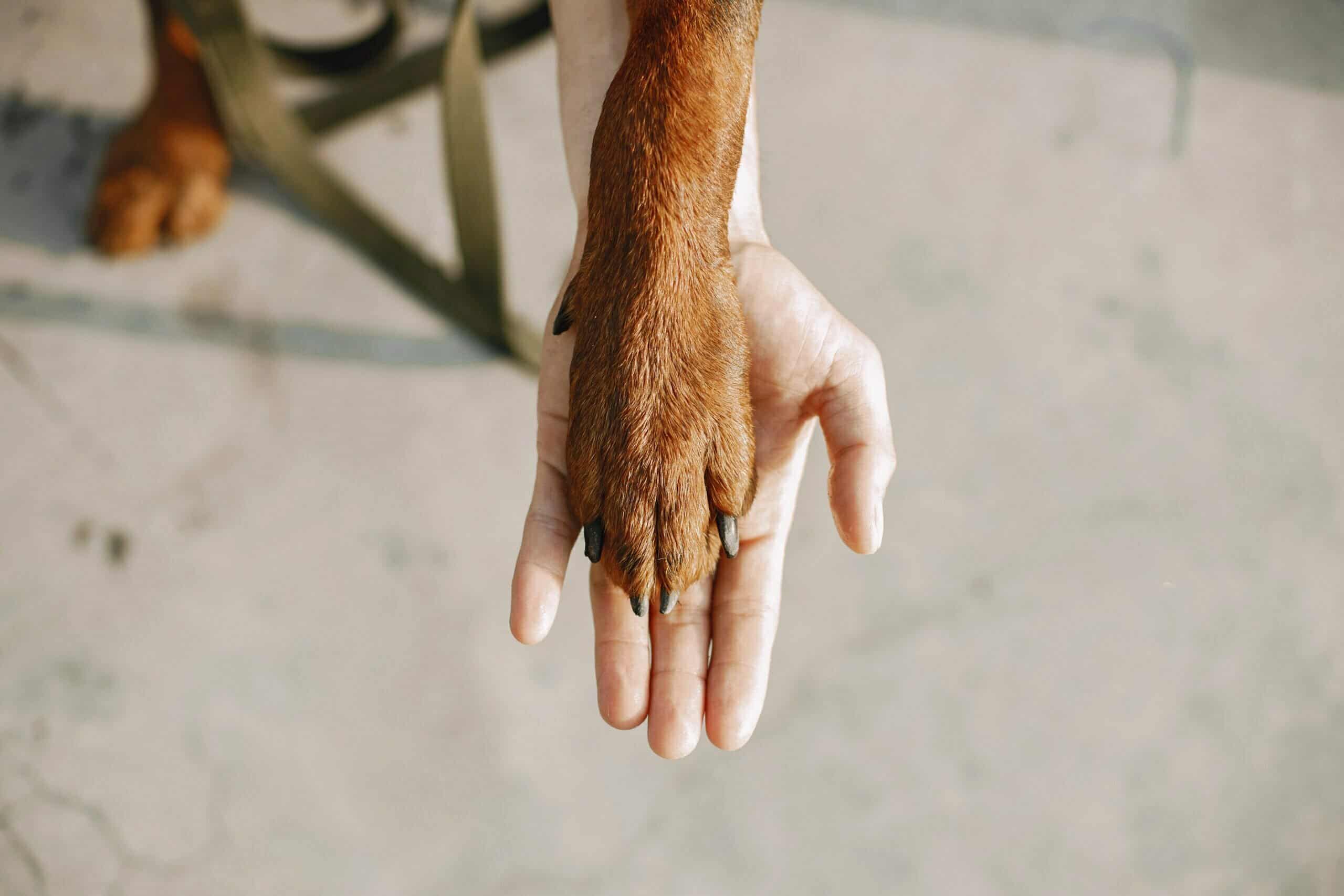
To remove tar from your dog's paws, work a generous amount of olive, coconut or vegetable oil into the tar to soften it, let it sit for a few minutes, then gently wipe the tar away with a cloth. Finish by washing the paw with warm water and a mild, dog-safe soap to get rid of the oily residue, and stop your dog from licking the tar while you work. Never use solvents like acetone, turpentine or gasoline.
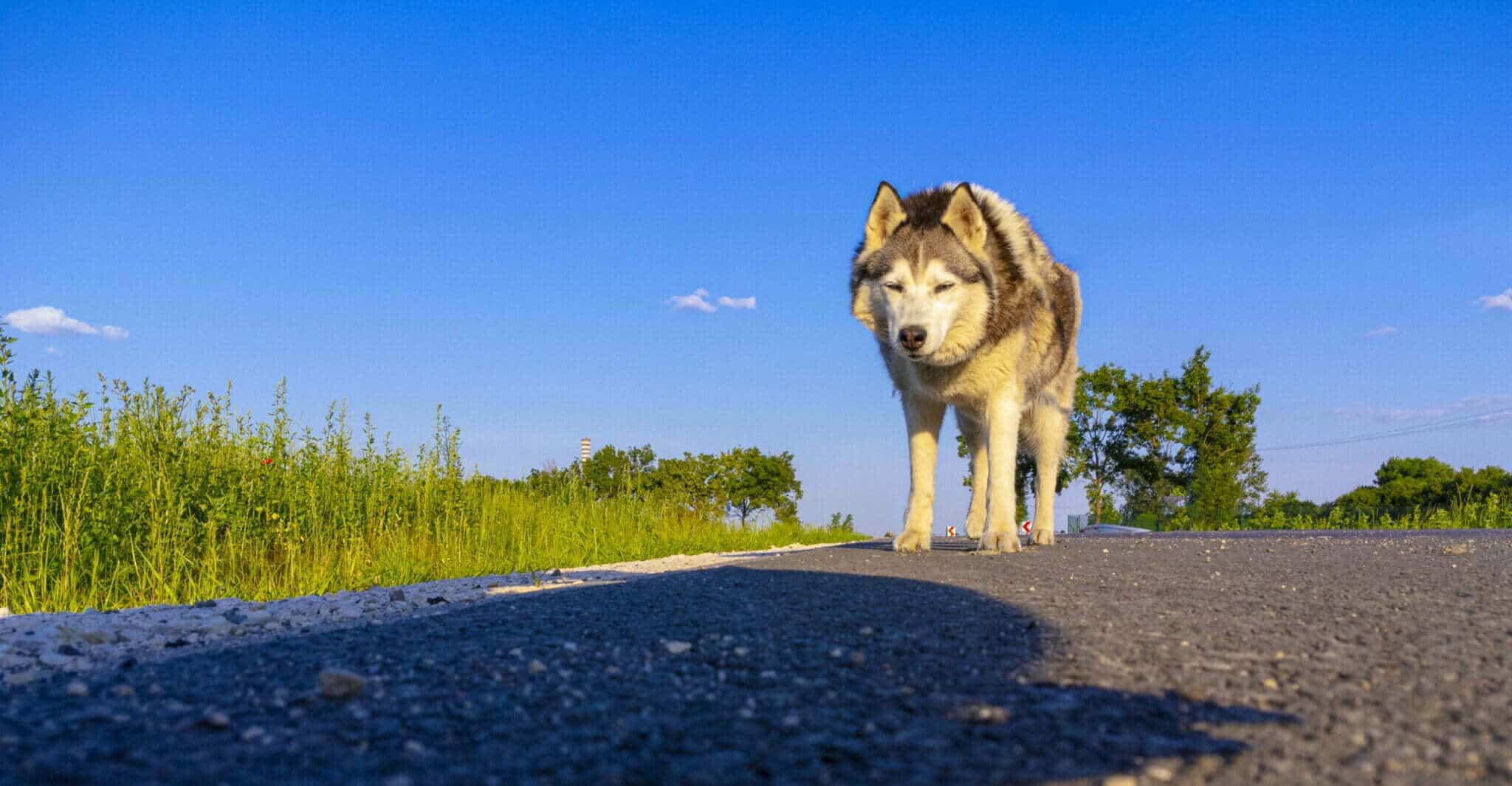
Dogs that walk on freshly paved or sealed roads and driveways, especially on hot days, can easily come home with sticky tar between their toes. Below we explain each method in more detail. First, what even is the tar on your dog’s paws?
What is the tar on your dog’s paws?
If you’re not familiar, tar is a black, sticky substance that’s often used on roads and sidewalks. It can be difficult to remove from surfaces, and it’s even more challenging to get off of your dog’s fur. Not to mention, it’s also quite smelly. But don’t worry, there are a few ways to remove tar from your dog’s paws without any fuss.
How to remove tar from dogs paws – the best methods
1Use olive oil or coconut oil
One of the simplest ways to remove tar from your dog’s paws is to use olive oil or coconut oil. Start by applying a small amount of oil to a clean cloth or paper towel. Work it into the tar and let it soak in for a few minutes, then gently rub the affected areas on your dog’s paws until the tar comes off. You may need to apply additional oil if the tar is particularly stubborn.
2Use vegetable oil
If you don’t have any olive oil or coconut oil on hand, you can try using vegetable oil. Simply apply a small amount of oil to a clean cloth or paper towel and gently rub the tarred areas on your dog’s paws. As with the previous method, you may need to reapply the oil if the tar doesn’t come off easily.
3Use a mild soap
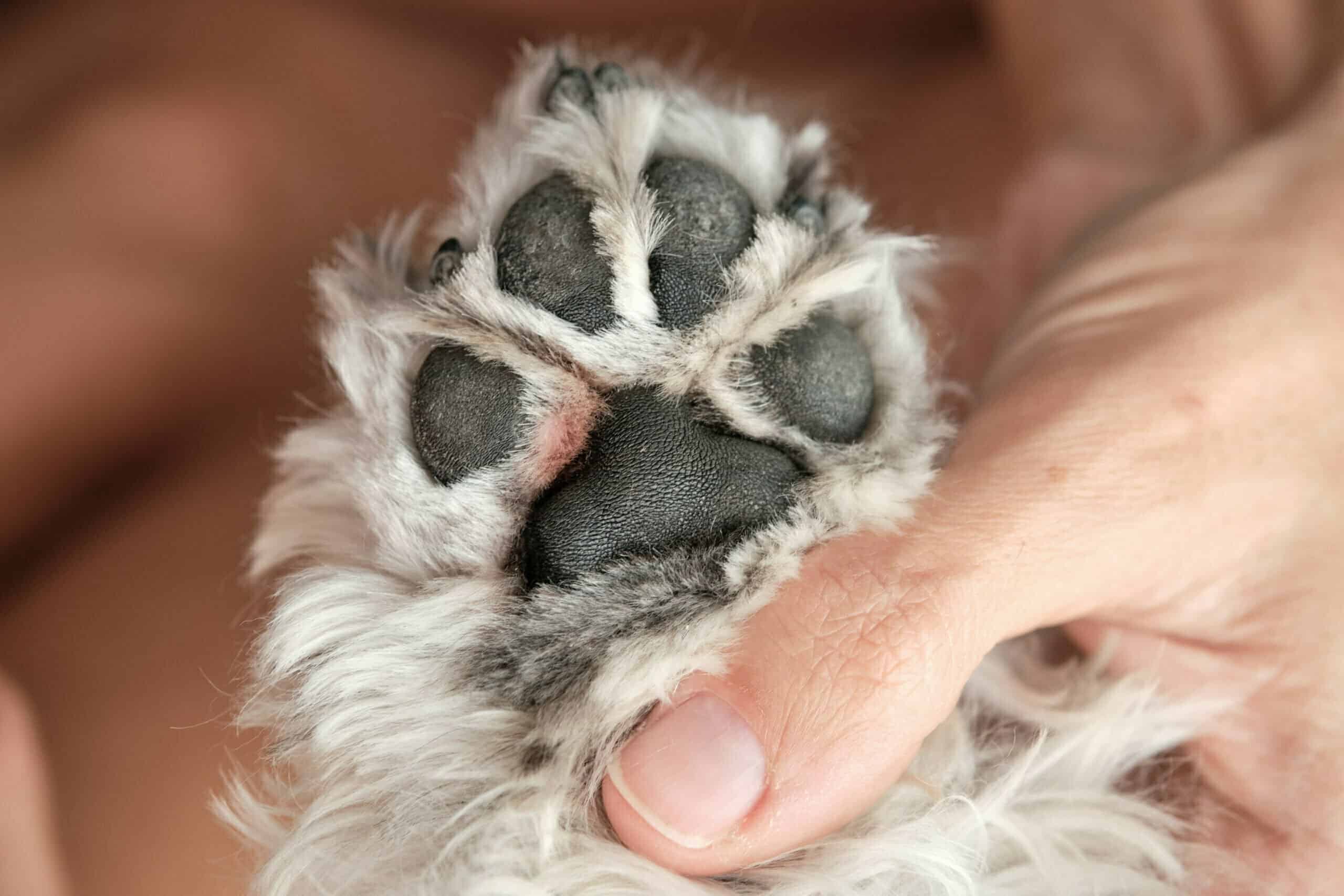
Once the oil has loosened the tar, use a mild soap, such as a dog shampoo or a drop of gentle dish soap, to wash away the remaining tar and oil. Wet your dog’s paws with warm water, apply a small amount of soap to the affected areas and gently massage it in, then rinse well and dry the paw, including between the toes. You may need to repeat the oil-and-wash process a few times to get all of the tar off.
If a clump of tar is stuck in the fur between the toes, it's often easiest to carefully trim that fur away with blunt-tipped scissors, keeping the blades away from the skin.
Additional tips when removing tar from your dog’s paws
There are a few things you’ll want to avoid when removing tar from your dog’s paws.
1Don't start with water
Cold water makes tar firm up, which makes it more difficult to remove. Always loosen the tar with oil first and only use warm water and soap afterwards. The one exception is hot tar: if your dog stepped in fresh, hot tar, cool the paw with cool (not ice-cold) water to stop the burn, don't try to pull the tar off, and call your vet.
2Don't use a scrub / brush
Never use anything abrasive, like a scrub brush or harsh soap. This can damage your dog’s delicate paw pads. Once the tar is gone, a dog paw balm can help soothe and protect them.
3Never use harsh chemicals
Don’t use any harsh chemicals or solvents, like acetone, nail polish remover, turpentine, paint thinner, gasoline or kerosene. These can be toxic if ingested, can be absorbed through the skin and can burn your dog’s paw pads.
4Make sure you remove all the tar
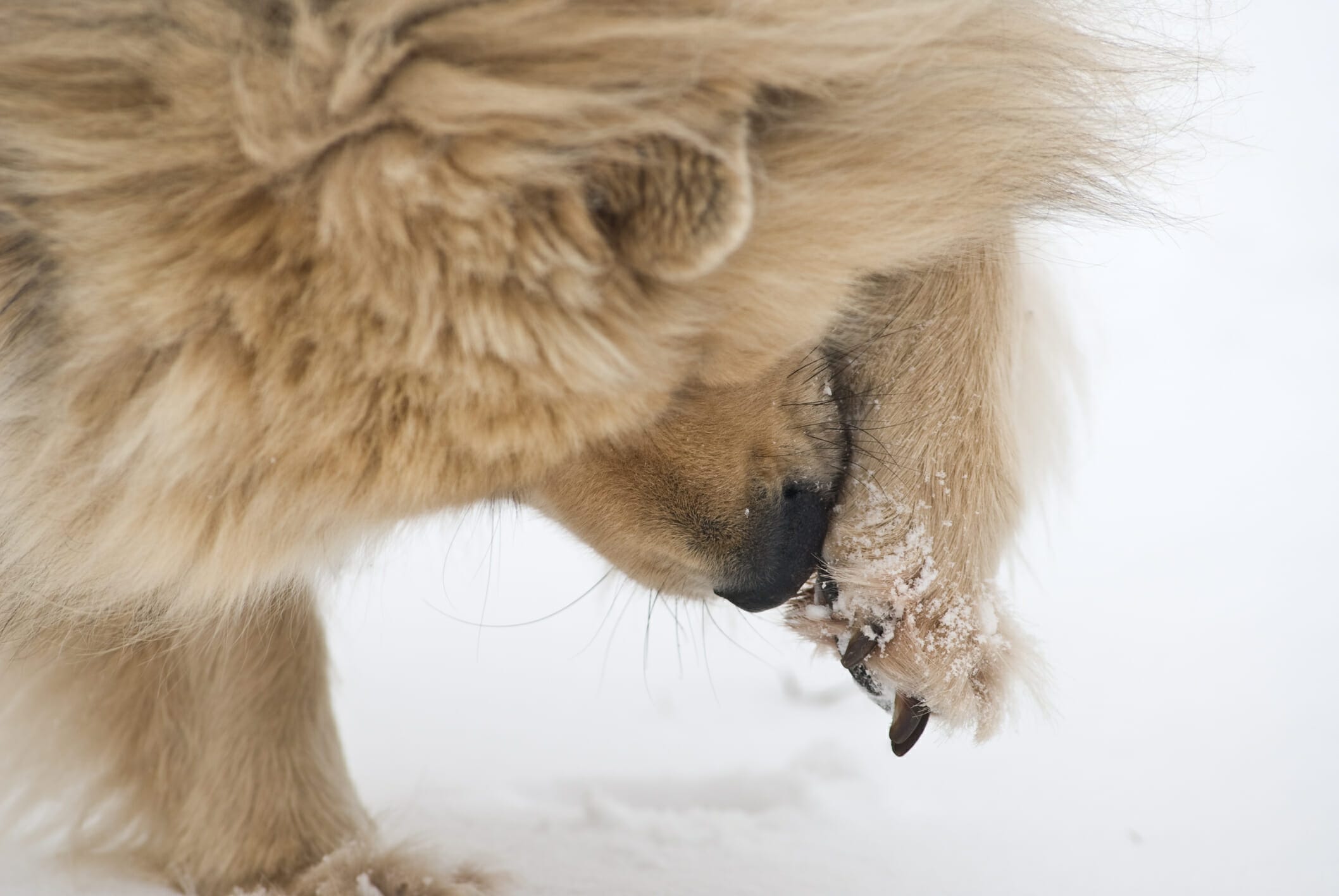
Finally, be sure to remove all of the tar before your dog has a chance to lick it off. Ingesting tar can be dangerous for dogs and may cause gastrointestinal issues. If you can't get it all off in one go, cover the paw with a sock or use a cone until you can try again.
How to avoid getting tar on your dogs paws in the first place
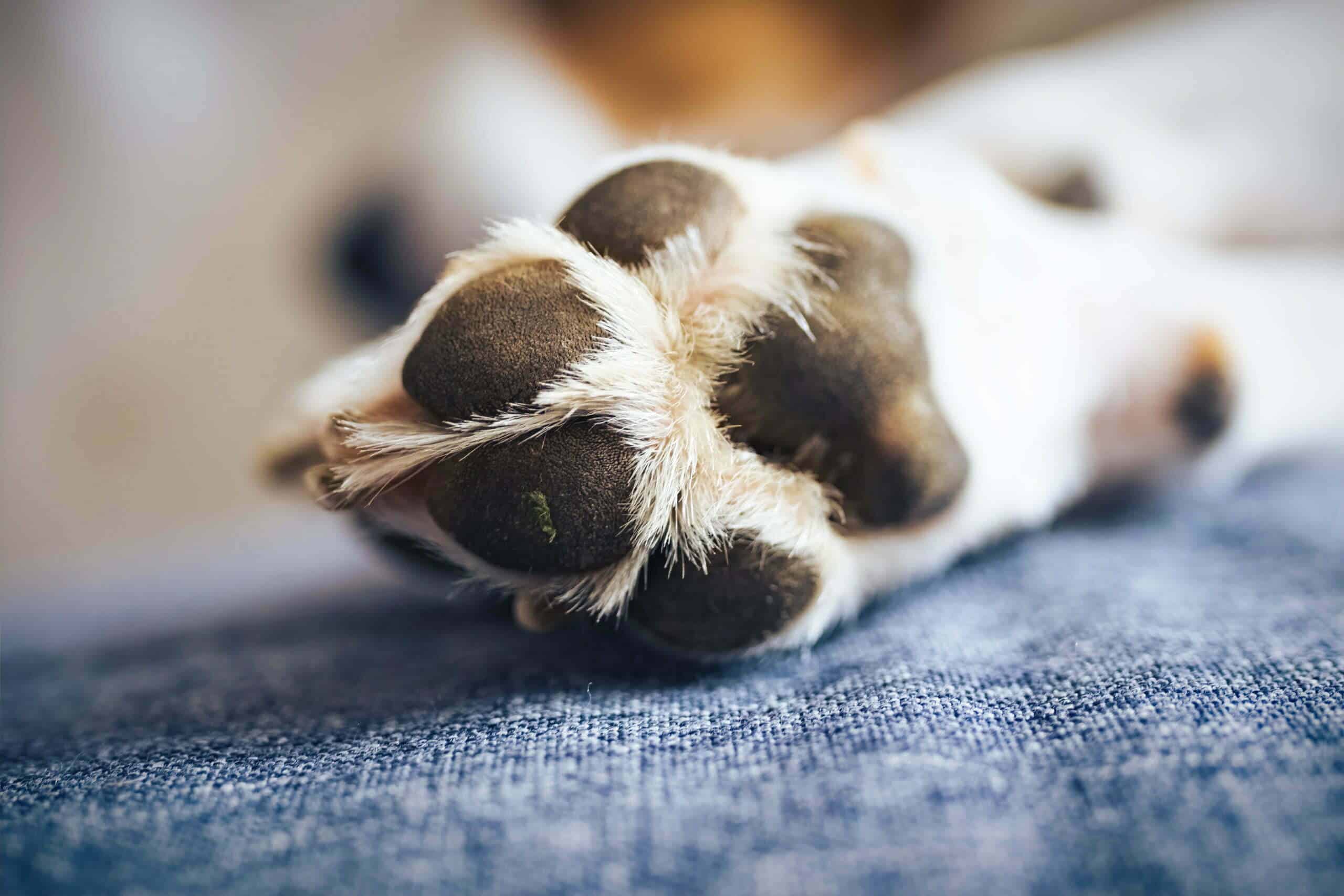
The best way to avoid getting tar on your dog’s paws is to keep them away from fresh tar. That means steering clear of roadworks, newly paved or resealed roads and driveways, and tar patches in parking lots, especially on hot days when tar softens. If you can't avoid them, stick to grassy areas where possible, or put booties on your dog’s paws. Hot asphalt can also burn paw pads in summer, so check the ground with the back of your hand before walks.
Is tar harmful to dogs?
Tar can contain phenols and other petroleum-based compounds that are toxic to dogs if ingested. If your dog licks their paws after walking on tar, they could get sick. That’s why it’s so important to remove tar from their paws as soon as possible.
If you think your dog has ingested tar, contact your veterinarian right away. Tar can cause vomiting, diarrhea and other problems if not treated promptly. Also call your vet if the paw looks red, swollen, blistered or raw after you've removed the tar, or if your dog is limping.
Conclusion
We hope this blog post has given you some helpful tips for removing tar from your dog’s paws. In short: oil first, then a gentle wash, no harsh chemicals, and don't let your dog lick it. Thanks for reading!
FAQ
My friend's dog got tar on their paw. Should we remove it?
If your friend’s dog has tar on their paw, the best thing you can do is to help them remove it as soon as possible. The longer the tar stays on the paw, the more difficult it will be to remove and the more likely the dog is to lick it off and ingest it.
Can tar damage a dog's paw?
If not removed in a timely manner, tar can damage a dog’s paw. It can irritate the skin, pull on the fur between the toes and make it uncomfortable for the dog to walk. Fresh, hot tar can also cause burns, which need a vet's attention.
How do I keep my dog from getting tar on their paws?
Avoid fresh roadwork and newly sealed surfaces, especially in hot weather, and use dog booties if you have to cross them.
Get The Ideal Dog Routine, free
A 10-page guide written by a vet: a sample daily routine, exercise and alone time, and grooming and vet check schedules.
We'll email you the download link. Unsubscribe anytime.