No, dog teeth are not stronger than human teeth. Dogs have a much stronger bite (commonly cited estimates are around 230-250 psi for an average dog versus roughly 120-140 psi for a human), but their tooth enamel is far thinner than ours, so their teeth chip and fracture more easily, especially when they chew on hard bones and toys.
So, let’s look at why that is, and how you can protect your dog’s teeth.
Are Dog Teeth Stronger Than Human Teeth?
To cut it short, no – dog’s teeth ARE NOT stronger than our teeth. To understand why, let’s first discuss the structure of a tooth.
The Science Behind The Tooth
Inside your tooth are nerve endings and blood vessels which connect it to the rest of your body. These are surrounded by dentin which is the base layer of your tooth. This is very sensitive but luckily, our bodies create a protective layer called enamel.
Enamel is a hard substance that protects your nerve and dentin from everything that comes in contact with your tooth.
For the most part, the tooth structure between dogs and humans is the same. Aside from the shape of the tooth itself, the roots of a dog’s teeth are distributed differently as well. Dogs also have longer roots than humans.
The most important difference, however, is the thickness of the enamel.
Dogs Have Thinner Enamel
Studies have shown that a dog’s enamel is around 6 times thinner than human enamel. This means that a dog’s teeth have a lesser protective coating.
Enamel doesn’t grow back either. As dogs vigorously chew on hard bones, stones or abrasive toys like tennis balls, they’re also wearing away at their enamel. Once that thin layer of enamel becomes even thinner, their teeth also become more prone to fracture.
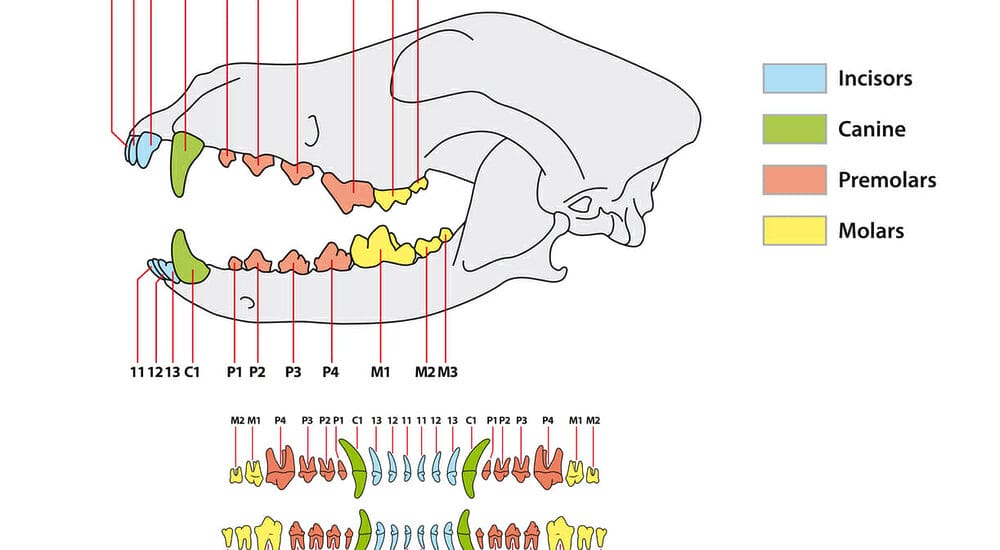
What Happens When A Dog’s Teeth Fractures?
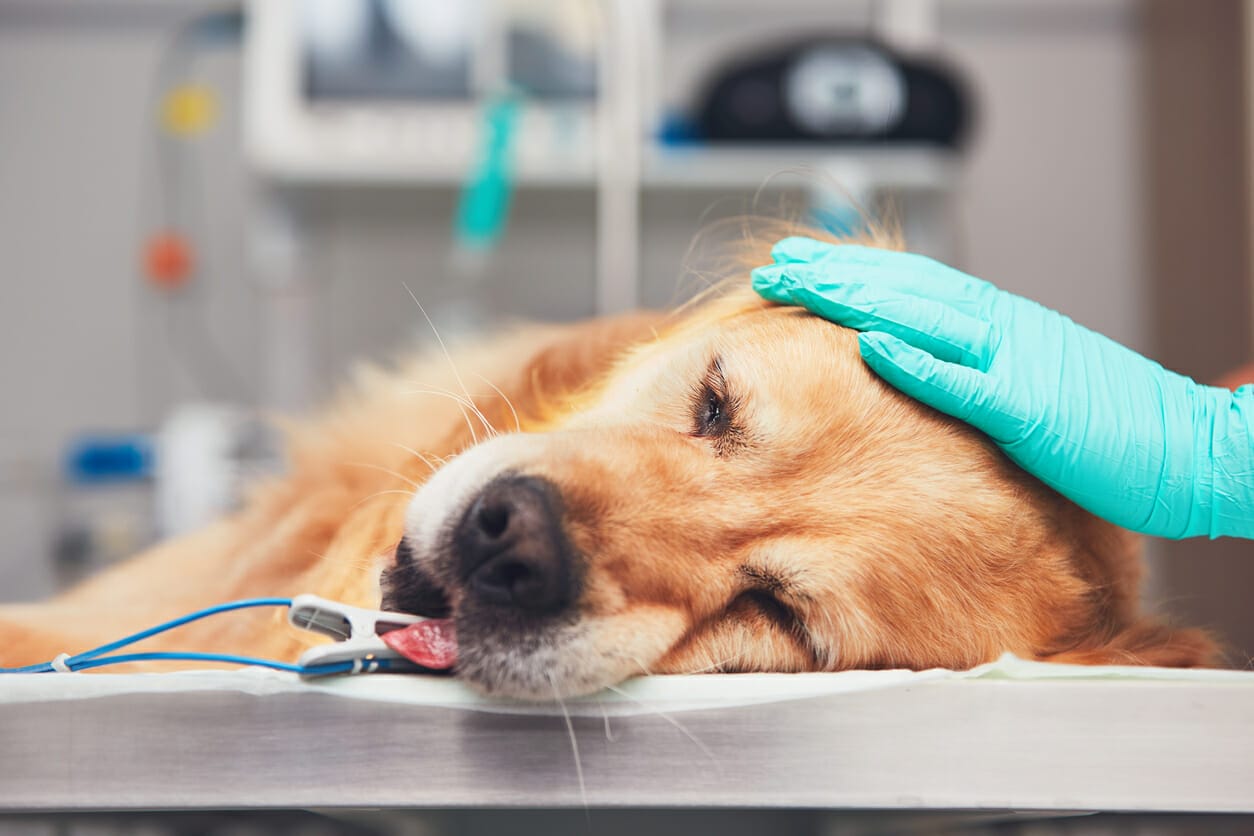
A dog can go about its day hardly ever showing that it has a fractured tooth, because dogs are good at hiding pain. However, if it’s left untreated, a fracture that exposes the inside of the tooth can lead to serious infections and abscesses that cause a lot of pain and discomfort. Signs to watch for include chewing on one side, dropping food, drooling, pawing at the mouth, a discolored tooth, or swelling on the face.
Whether the fracture looks big or small, have your dog checked by your vet promptly.
Your veterinarian will likely recommend a dental x-ray to see how serious the damage is. A small chip that doesn’t expose the inner layers of the tooth may only need monitoring. If the pulp (the nerve and blood supply) is exposed, the tooth needs treatment.
In serious cases, the tooth can either be saved with a root canal, often done by a veterinary dentist, or extracted, after which the gums are closed to prevent infections.
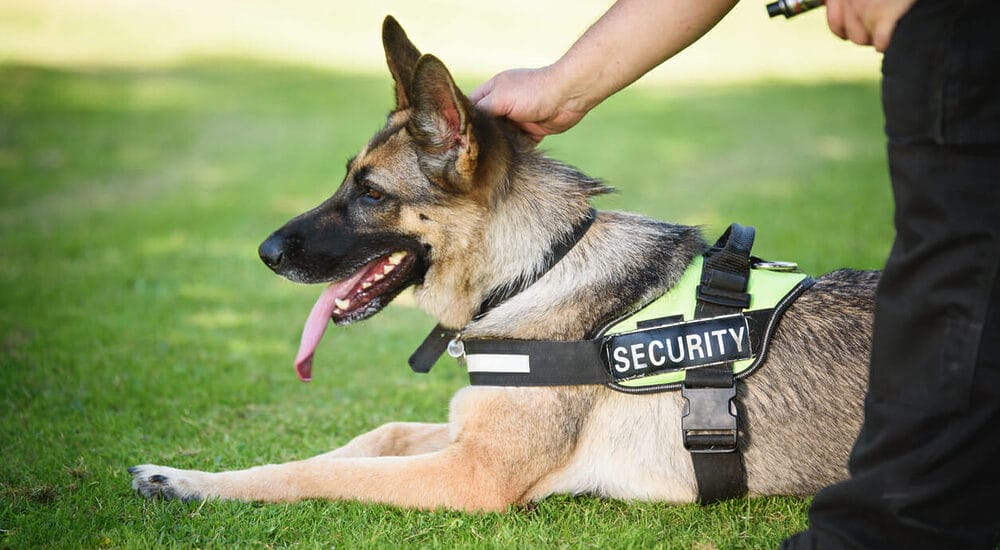
That said, did you know that active police and military dogs get a titanium cap if their incisors are fractured and extracted? This is to ensure that they can still work at their best after the injury.
How To Protect Your Dog’s Teeth
The last thing you want as a fur parent is to see your dog in pain when it fractures a tooth. Here are a few pointers to keep in mind:
5 Ways To Protect Your Dog's Teeth
- Watch their chewing habits - Dogs can get really curious about the things they see. If you see them particularly interested in chewing branches and stones, redirect them to a safe chew right away.
- Give them the right chew toys - To stop them from chewing on unsafe things, get them a chew toy instead. A firm but slightly flexible rubber toy is often recommended. A good rule of thumb many vets use: if you can’t make a dent in it with your fingernail, it’s too hard for your dog’s teeth. That rules out cooked bones, antlers, hooves and very hard nylon chews for most dogs.
- Get dental chews - Lots of mainstream dog brands sell dental chews that help reduce plaque and tartar. Look for products with the VOHC (Veterinary Oral Health Council) seal, and consider these over regular treats. If you notice bleeding gums while brushing, have your vet take a look.
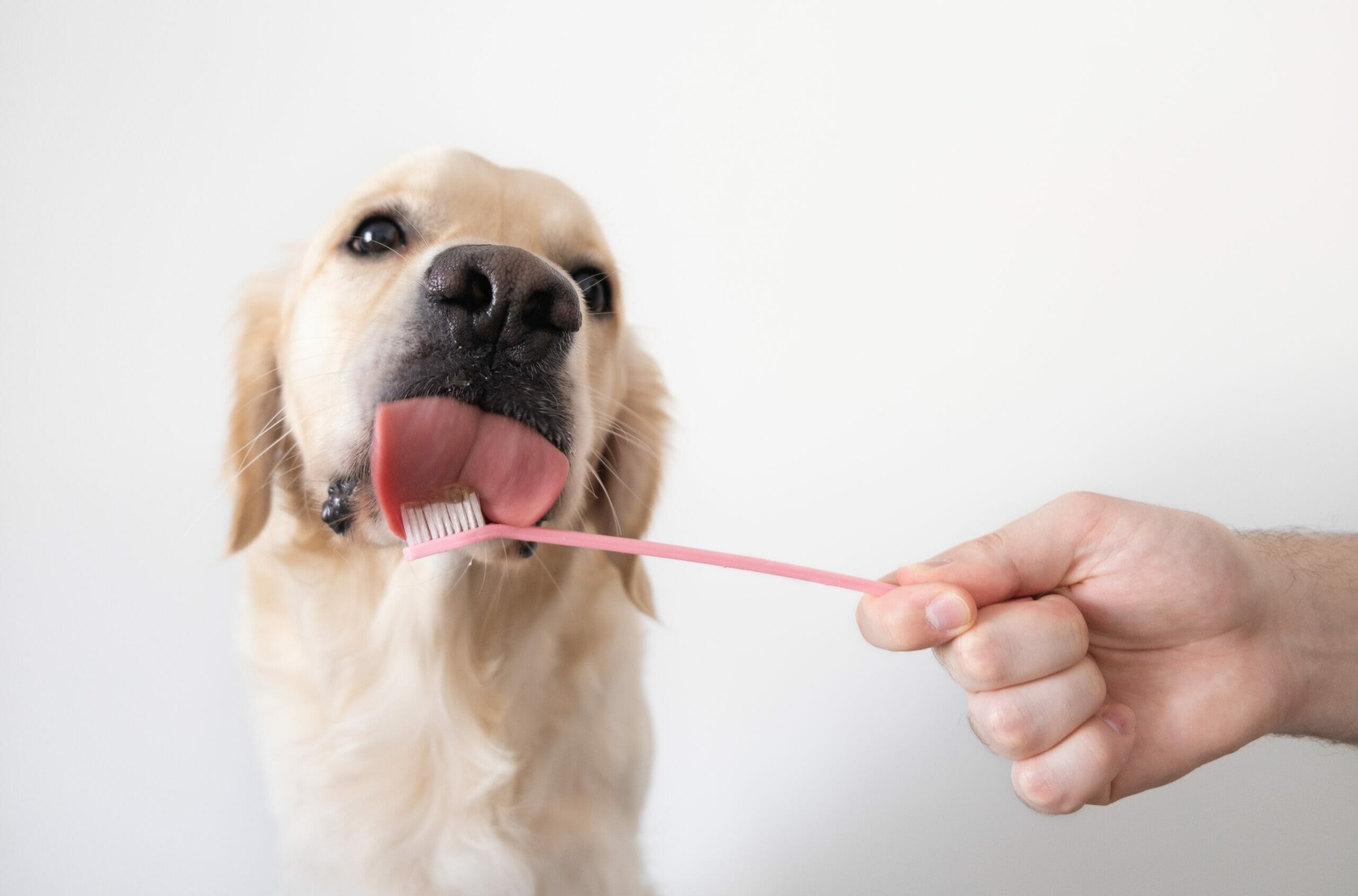
- Brush their teeth regularly - Make sure to brush your dog’s teeth regularly. This protects the enamel and it also prevents plaque buildup, infections, and more oral problems.
- Schedule regular cleanings - Dogs also need a deeper clean aside from regular brushing. Consult with your veterinarian about how often dogs need to get their teeth cleaned.
Conclusion – Who is the winner?
So while the bite force of a dog may be stronger than that of a human, humans have the advantage when it comes to tooth strength. This is due to their thicker enamel which provides better protection against fractures and damage.
Dogs clearly have a harder bite but that doesn’t mean they have indestructible teeth. As the dog’s parents, it’s your duty to ensure that your pal can chew and eat easily well into their golden years.