Are Bully Sticks Safe for Dogs? Risks, Rules and 5 Best Bully Sticks
 Written by Tim de Jong
As an Amazon Associate we earn from qualifying purchases, at no extra cost to you. Disclosure
Pick by your dog
Swipe ›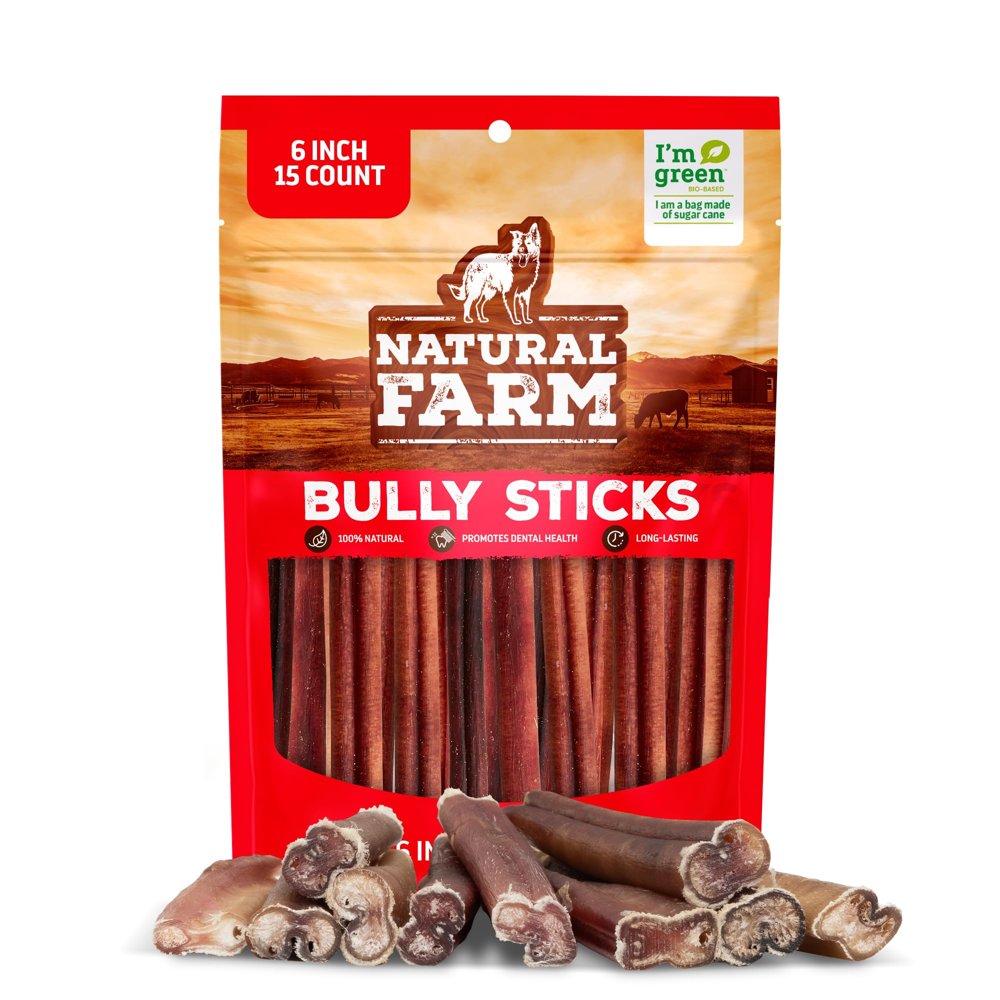
Our picks
| Pick | Best for | Buy |
|---|---|---|
| Top pickNatural Farm Odor-Free Bully Sticks (6 Inch) | Best Overall | Check price |
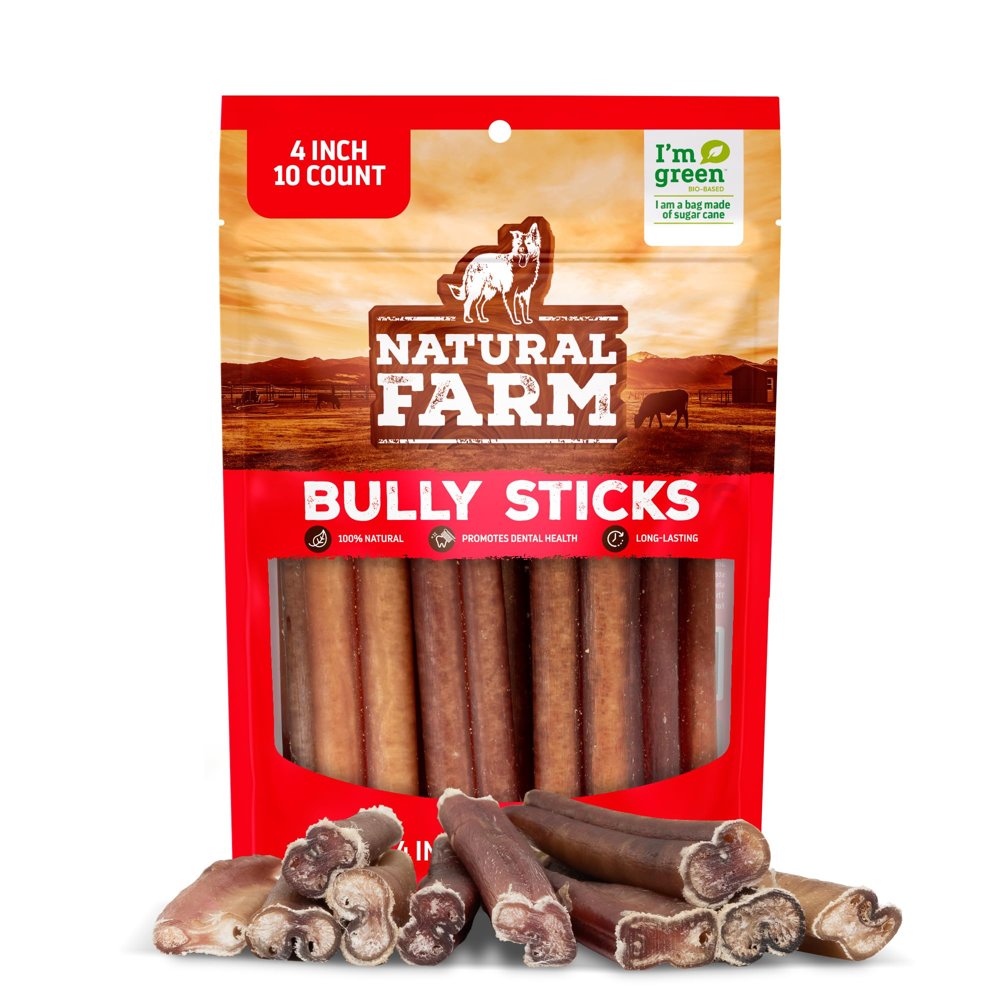
| Natural Farm 4 Inch Bully Sticks for Small Dogs & Puppies | Best for Small Dogs and Puppies | Check price |
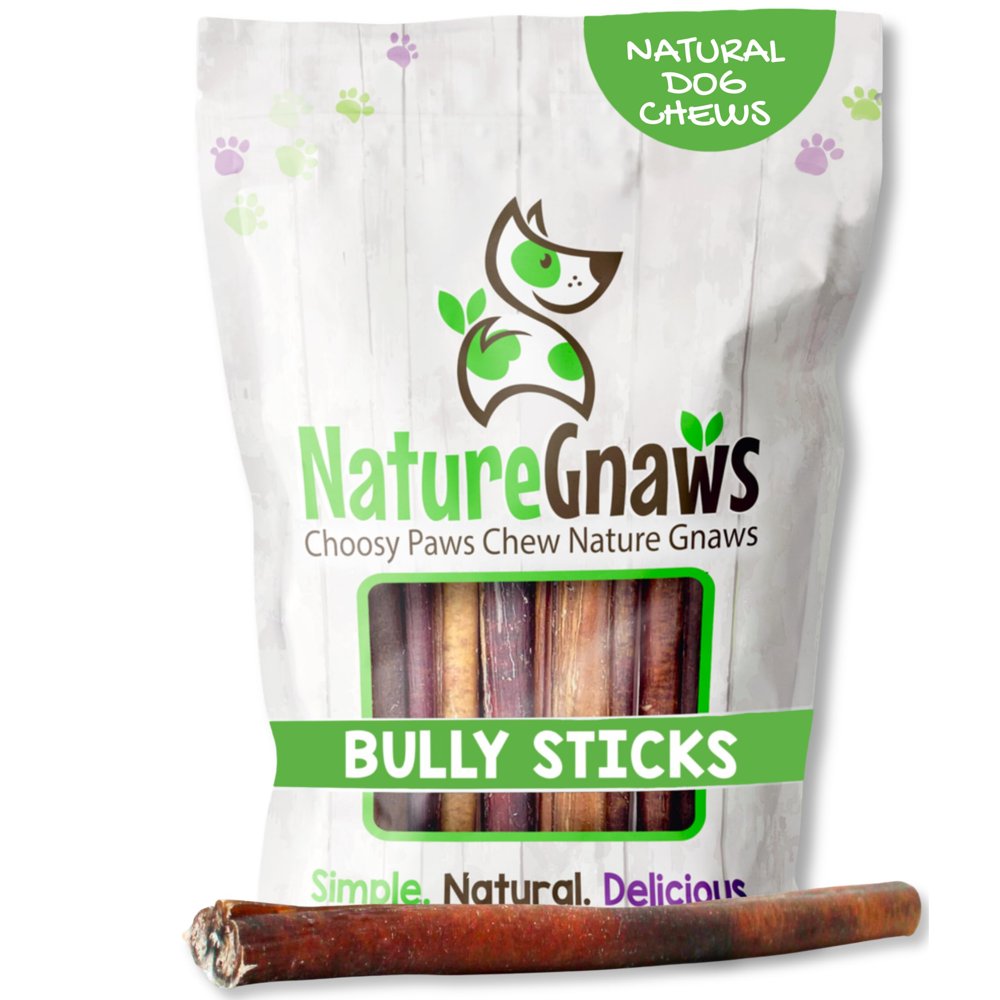
| Nature Gnaws 11–12 Inch Bully Sticks | Best Long-Lasting for Big Chewers | Check price |
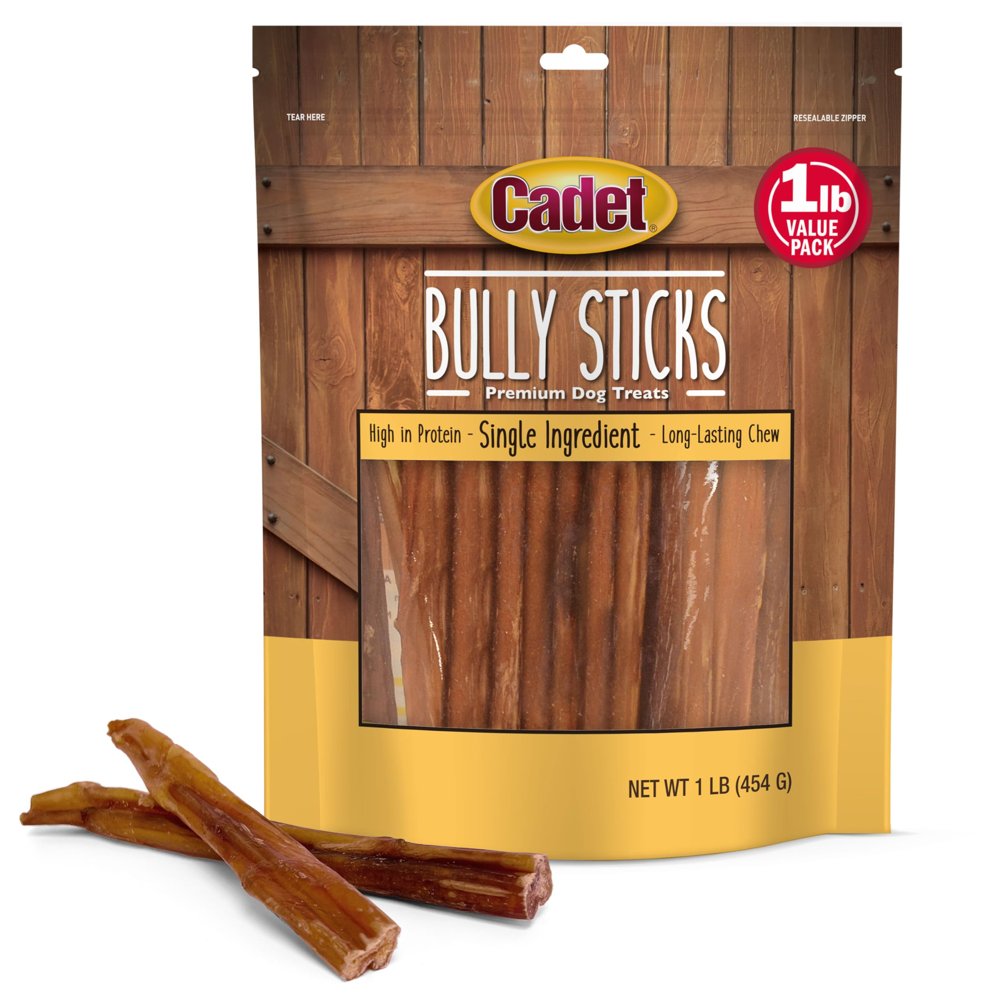
| Cadet Bully Sticks (1 lb Value Pack) | Best Value | Check price |
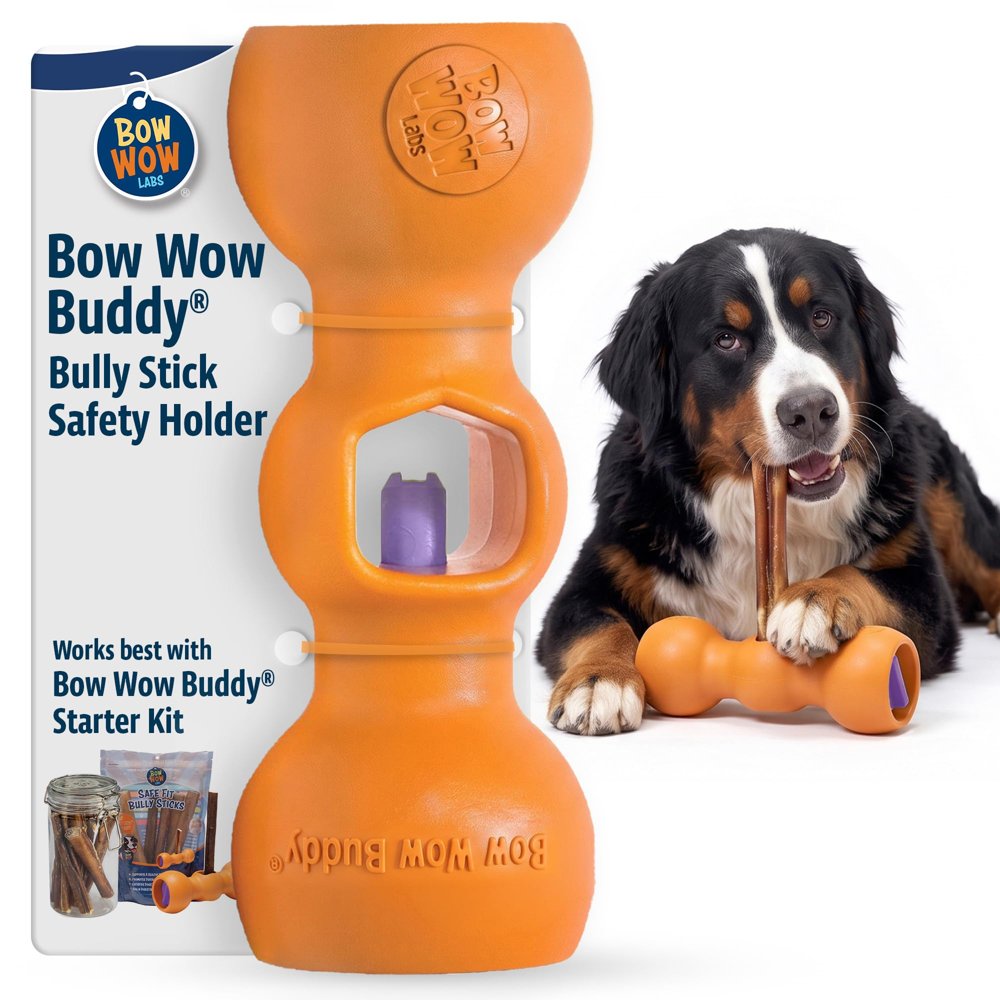
| Bow Wow Labs Bow Wow Buddy SafeFit Bully Stick Holder | Best Safety Holder | Check price |
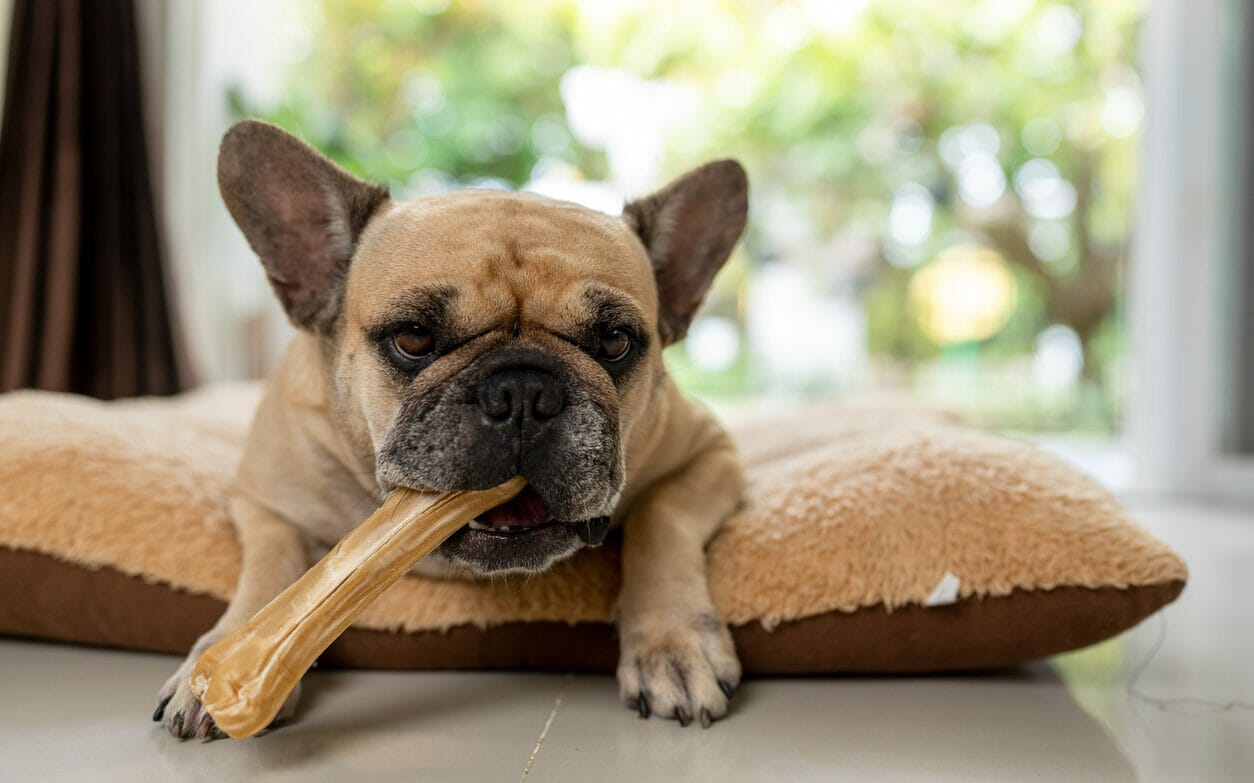
Bully sticks are one of the most popular dog chews, and one of the most argued about. Some owners call them the "safe" alternative to rawhide; others have heard they're full of calories or can choke a dog. Both sides are partly right.
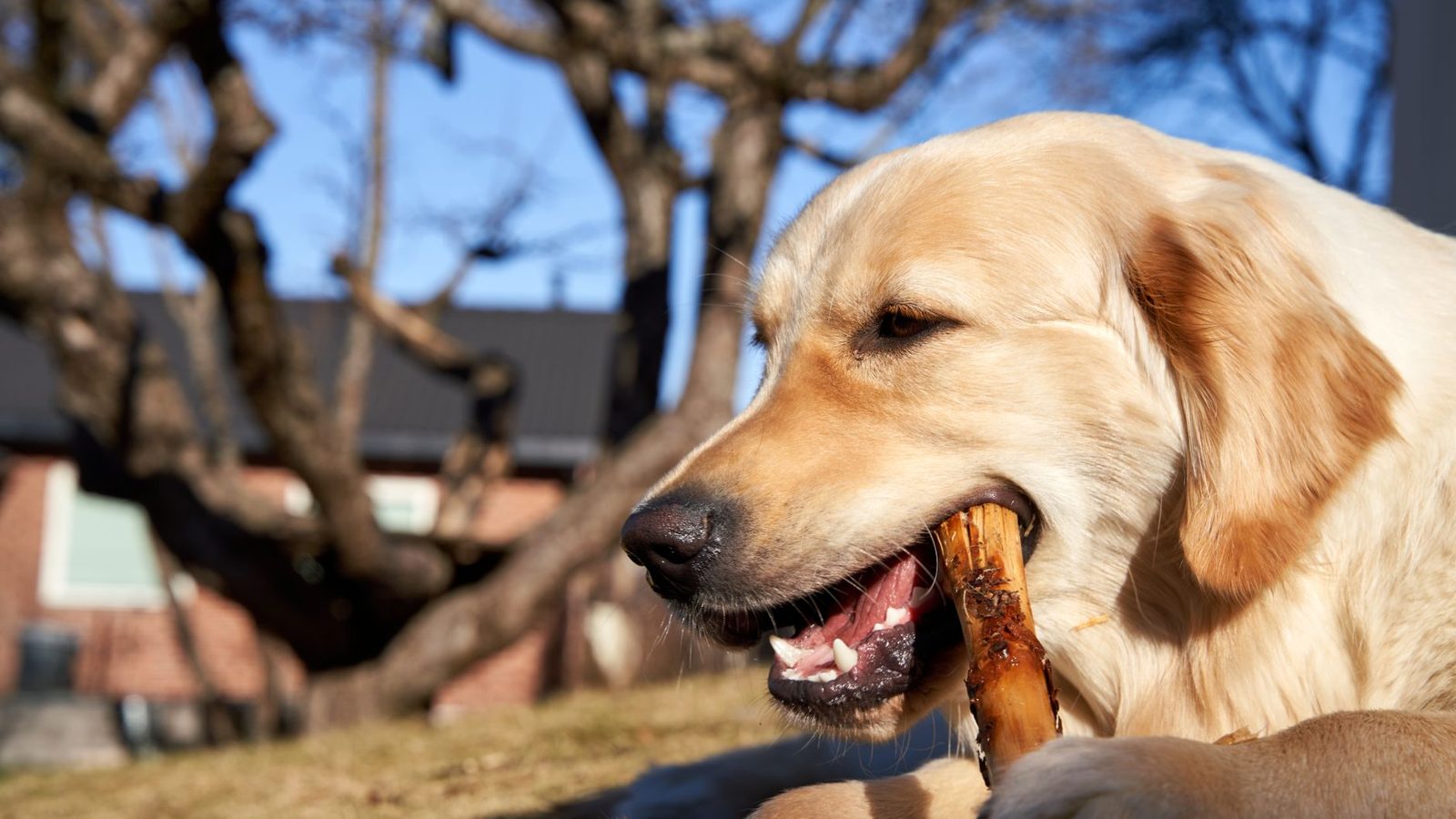
Are bully sticks safe for dogs? Yes, for most healthy adult dogs and puppies, as long as you choose a stick that's thick and long enough for your dog, watch them while they chew, and take the stick away once it's down to about 2 inches. Bully sticks are a single-ingredient beef chew that breaks down far more easily in the stomach than rawhide, but they're calorie-dense and can still cause choking or a blockage if a dog swallows a large piece.
Below we cover what bully sticks actually are, how they compare with rawhide, the real risks, how often your dog can have one, and then the five best bully sticks (and the one holder) worth buying.
What are bully sticks made of?
A bully stick is a dried beef pizzle, which is the penis of a bull or steer. It's a by-product of the beef industry: the pizzle is cleaned, stretched, and then dried, baked or smoked until hard. A good bully stick has a single ingredient and nothing else: no glue, no flavoring, no preservatives.
"Odor-free" or "low-odor" sticks are dried longer to drive out more moisture. They smell less (not zero), and they tend to be a bit harder and longer-lasting. Braided sticks, rings and "jumbo" or "monster" sticks are the same material in different shapes and thicknesses.
Bully sticks vs. rawhide: which is safer?
This is the main reason bully sticks became popular. Rawhide is the dried inner layer of an animal's skin. It's tough to digest, and pieces that a dog swallows can soften and swell instead of breaking down, which is how rawhide causes choking and intestinal blockages. (If you've been buying "beefhide" chews thinking they're different, beefhide is just rawhide made from cowhide.)
Bully sticks are muscle and connective tissue, so they're generally considered much more digestible than rawhide. A small piece that gets swallowed is far more likely to break down in the stomach. They also soften from the outside as your dog chews, which is gentler on teeth than antlers, hooves or real bones, which are hard enough to fracture teeth.
That said, "more digestible than rawhide" isn't "risk-free": a big chunk swallowed whole can still get stuck before the stomach can break it down.
| Bully sticks | Rawhide / beefhide | |
|---|---|---|
| Ingredient | Single ingredient (beef pizzle) | Dried animal hide, often processed and flavored |
| Digestibility | Generally good, breaks down in the stomach | Poor, can swell when swallowed |
| Choking/blockage risk | Lower, but real with the last stub or big chunks | Higher |
| Calories | High (roughly 9–22 kcal per inch) | Moderate |
| Smell | Noticeable unless "odor-free" | Low |
The real risks of bully sticks
1Choking on the last 2 inches
This is the big one. As a bully stick gets shorter, it reaches a size a dog can try to swallow whole. Most choking incidents happen with that final stub. The rule is simple: take it away once it's about 2 inches long, or sooner for a small dog, and throw it out. Trading it for a small treat makes giving it up easier.
If your dog won't let you take it, or gulps the end before you can, a bully stick holder solves that problem. The stick locks into the holder, so the last piece stays inside it instead of going down your dog's throat (see our holder pick below).
2Stomach or intestinal blockage
Dogs that bite off and swallow big chunks instead of gnawing slowly are the ones most at risk of a blockage. Pick a stick that's too thick for your dog to crunch through in a few bites, and watch how your dog chews the first few times.
See your vet straight away if your dog swallowed a large piece and then starts vomiting, retching without bringing anything up, stops eating, seems painful in the belly, or isn't passing stool. Don't try to make your dog vomit at home.
3Calories add up quickly
Bully sticks are pure protein and fat, and they're denser in calories than most owners expect. Depending on thickness, they come in at roughly 9 to 22 calories per inch, so a 6-inch stick can be anything from about 55 to 130 calories, and a thick 12-inch stick can easily pass 200. For a 20-pound dog that needs around 500 calories a day, one big stick can be a large part of the day's food.
The common veterinary rule is that treats and chews should make up no more than about 10% of your dog's daily calories. Our dog treat calculator works out that budget for your dog. If your dog is overweight, give shorter sessions, choose thinner sticks, or alternate with low-calorie treats.
4Bacteria
Like any raw-derived, dried animal product, bully sticks can carry bacteria such as E. coli, Salmonella or Staph. Researchers who tested store-bought bully sticks have found bacteria on some of them. This is more of a risk to people than to most healthy dogs, but it's a good reason to:
- Wash your hands after handling bully sticks
- Keep chewed sticks off kitchen counters and away from small children
- Store them in a sealed bag or container in a cool, dry place
- Throw out sticks that are slimy, moldy or smell off
Be more careful if anyone in your home has a weakened immune system.
5Upset stomach
Some dogs get loose stool or gas the first few times they have a rich chew. Start with short sessions and build up. Dogs with a beef allergy or a vet-prescribed diet shouldn't have bully sticks without checking with your vet first.
Are bully sticks safe for puppies?
Yes, most puppies can have bully sticks, and they're a popular teething chew because they soften as the puppy gnaws. A few extra rules apply:
- Check the label's age guidance. Many brands list a minimum age; follow it.
- Use thin, short sticks. A thin 4–6 inch stick is plenty for most puppies.
- Keep sessions short. About 10 minutes is enough. Puppies have small stomachs and the calories add up even faster for them.
- Supervise every time and take away the stub early.
For more puppy-safe options, see our best puppy treats roundup.
How often can dogs have bully sticks, and for how long?
Can dogs have a bully stick every day? A healthy, active dog at a good weight can, as long as the calories fit inside that 10% treat budget and you reduce meals slightly to make room. For most dogs, though, two or three sessions a week is a sensible default.
How long a dog should chew depends on size and appetite:
- Small dogs and puppies: about 10 minutes
- Medium dogs: 10–20 minutes
- Large dogs: up to 20–30 minutes
When time's up, wrap the stick and save it for next time. Splitting a stick over several sessions is the easiest way to keep calories in check.
How to pick a safe size
- Length: longer than your dog's mouth is wide, so it can't be gulped. 6 inches suits most small to medium dogs; 12 inches is better for large dogs.
- Thickness: thin sticks for small dogs, puppies and seniors with sensitive teeth; thick or "jumbo" sticks for big, strong chewers.
- When in doubt, go bigger. A stick that's too big just lasts longer. A stick that's too small is a choking risk.
Bully sticks also make a good, safe crate chew when you're at home and watching. See what to put in a crate for chewers for more ideas. Don't leave your dog alone with one.
Signs a bully stick isn't working for your dog
Stop and talk to your vet if your dog has repeated vomiting or diarrhea after chewing, gains weight, always tries to swallow big pieces, cracks a tooth, or develops itchy skin or ear flare-ups (a possible beef allergy).
Bully sticks give some mechanical cleaning as your dog gnaws, but they aren't a replacement for brushing. If your dog resists the toothbrush, try our tips on how to brush a dog's teeth that hates being brushed.
The best bully sticks for dogs
We picked these from Amazon's best-selling bully sticks based on ingredients (single ingredient only), size options, review volume and what thousands of owners report about smell, splintering and how long the sticks last. We didn't test them ourselves. Every stick on this list still needs supervision and the 2-inch rule.
1Natural Farm Odor-Free Bully Sticks (6 Inch)
Get it if
You have a small to medium dog and want an all-round size.
Skip if
Your dog gulps; pair it with a holder or choose a longer stick.
Natural Farm is one of the best-known bully stick brands, and its sticks are sourced from grass-fed beef and sold odor-reduced. The 6-inch, 15-count bag is the size that fits the most dogs: long enough that a small or medium dog can't gulp it, short enough that you're not handing a 20-pound dog 200 calories in one go.
The sticks are single-ingredient beef pizzle, dried longer to cut the smell. Reviewers consistently say they smell much less than cheaper bully sticks (not zero, but you won't smell them from across the room). Thickness varies a little stick to stick, which is normal for a natural product.
Pros
- Single ingredient, no additives
- Low-odor drying process
- 6-inch length suits most small and medium dogs
- Huge review base with consistent feedback
Cons
- Thickness varies between sticks
- Power chewers will finish a 6-inch stick fast, so size up
2Natural Farm 4 Inch Bully Sticks for Small Dogs & Puppies
Get it if
You have a puppy or a dog under about 20 pounds.
Skip if
Your dog is a strong chewer that finishes treats in minutes.
Most bully sticks are sized for medium and large dogs, which leaves small-breed owners cutting sticks in half (creating a choking-size piece). This 10-count bag has shorter, thinner sticks that a small jaw can work on, with fewer calories per stick.
It's the same single-ingredient, low-odor product as our top pick, sold by the brand specifically for small dogs. Four inches leaves very little margin before the 2-inch cut-off, so treat these as short supervised sessions and take the stick away early.
Pros
- Sized and thickness-matched for small dogs and puppies
- Fewer calories per stick than standard sizes
- Low-odor, single ingredient
- Good teething chew
Cons
- Short length means less chewing time before the 2-inch cut-off
- Not suitable for medium or large dogs
3Nature Gnaws 11–12 Inch Bully Sticks
Get it if
You have a large dog or a power chewer.
Skip if
Your dog is small; the calories add up fast.
Large dogs and strong chewers are the dogs most likely to bite off and swallow chunks, so length matters. Nature Gnaws' 11–12 inch sticks give a big dog something it has to work on, rather than something it can crunch through in a few bites.
These are single-ingredient and rawhide-free. They have more smell than the "odor-free" sticks above, which is the trade-off for a less heavily dried stick. Because a 12-inch stick is a lot of calories, plan to split it over two or three sessions rather than letting your dog finish it in one go.
Pros
- Long length is safer for big dogs and gulpers
- Lasts noticeably longer than 6-inch sticks
- Single ingredient, rawhide-free
- Good review volume
Cons
- Stronger smell than odor-free sticks
- High calories per stick, so split sessions
4Cadet Bully Sticks (1 lb Value Pack)
Get it if
Your dog gets bully sticks several times a week.
Skip if
You want sticks that are all one size.
If your dog gets a bully stick a few times a week, small bags run out fast. Cadet's 1-pound bag is the bulk option, from a long-established pet treat brand. Buying by weight usually works out cheaper per stick than small count packs.
The sticks are single-ingredient beef pizzle in a resealable bag. As with any bulk pack, expect more variation in size and thickness, so give the thinner ones to smaller dogs, and keep the bag sealed so the sticks don't go moldy.
Pros
- Bulk 1 lb pack, good for multi-dog homes or regular chewers
- Single ingredient
- Resealable bag
- Well-known brand, big review base
Cons
- More size variation than premium bags
- Not marketed as odor-free
5Bow Wow Labs Bow Wow Buddy SafeFit Bully Stick Holder
Get it if
Your dog tries to swallow the last few inches.
Skip if
Your dog's sticks are much thicker or thinner than the holder fits.
A holder is the most effective way to deal with the last-2-inches problem, especially for gulpers. You lock the bully stick into the rubber holder, your dog chews the exposed part, and the final stub stays trapped inside instead of being swallowed. The holder also gives your dog something to brace the stick against, which tends to slow chewing down.
This listing is the medium size for dogs of 31–50 pounds; pick the size that matches your dog's weight. The brand designs it around its own "SafeFit" sticks, and reviewers report that other brands' sticks fit best if they're a similar thickness. If you want a holder that grips a wider range of stick sizes, the PetClan Chewise uses metal teeth to clamp the stick instead.
Pros
- Traps the final stub, which removes the main choking risk
- Slows down fast chewers
- Sized by dog weight
- Large review base
Cons
- Fits its own SafeFit sticks best
- Still needs supervision; a holder isn't a chew toy to leave out
FAQ: Are bully sticks safe?
1Are bully sticks safe for dogs to eat every day?
They can be for a healthy, active dog at a good weight, as long as the stick's calories fit within about 10% of your dog's daily intake and you cut meals back slightly. For most dogs, two or three supervised sessions a week is a better default, and overweight dogs should have them less often.
2Is a bully stick safe if my dog swallows the end?
A small piece is usually digested without trouble, because bully sticks break down far better than rawhide. A large stub can cause choking or a blockage. If your dog swallowed a big piece and then vomits, retches, stops eating, seems painful or can't poop, see a vet right away.
3Are bully sticks better than rawhide?
Yes, for most dogs. Bully sticks are a single ingredient and much more digestible, while rawhide can swell in the stomach and is a well-known cause of blockages. Bully sticks are higher in calories, though, so portion them.
How long should I let my dog chew a bully stick?
About 10 minutes for small dogs and puppies, 10–20 minutes for medium dogs, and up to 20–30 minutes for large dogs. Then take it away and save the rest for another session.
Can bully sticks make dogs sick?
Some dogs get a mild upset stomach the first few times. Bully sticks can also carry bacteria, which matters more to people than dogs, so wash your hands after handling them and throw out any stick that smells off or looks moldy.
Final thoughts: Are bully sticks safe for dogs?
Bully sticks are one of the safer chews you can give a dog, and a clear step up from rawhide, but they come with three rules: pick a size your dog can't gulp, supervise every session, and take the stick away at about 2 inches (or use a holder). Count them in your dog's calories and wash your hands afterwards.
For most dogs, the Natural Farm 6-inch odor-free sticks are the best place to start. Small dogs and puppies should go for the Natural Farm 4-inch sticks, big chewers need the 11–12 inch Nature Gnaws, and if your dog gulps, add a Bow Wow Buddy holder.
Get The Ideal Dog Routine, free
A 10-page guide written by a vet: a sample daily routine, exercise and alone time, and grooming and vet check schedules.
We'll email you the download link. Unsubscribe anytime.