Can Dogs Get Ingrown Toenails? 4 more common dog nail problems!
 Written by Tim de Jong
Yes, dogs can get ingrown toenails. It happens when a nail is left to grow so long that it curls around and digs into the toe pad, which is painful and can become infected. Dewclaws, the “thumb” nails higher up on the leg, are the most common culprits because they never touch the ground and don’t wear down. Regular nail trims prevent it, and a nail that’s already growing into the pad needs a vet.
In this blog post, we’ll also discuss four other common dog nail problems and how to keep your pup’s nails healthy and trim.
How can dogs get ingrown toenails?
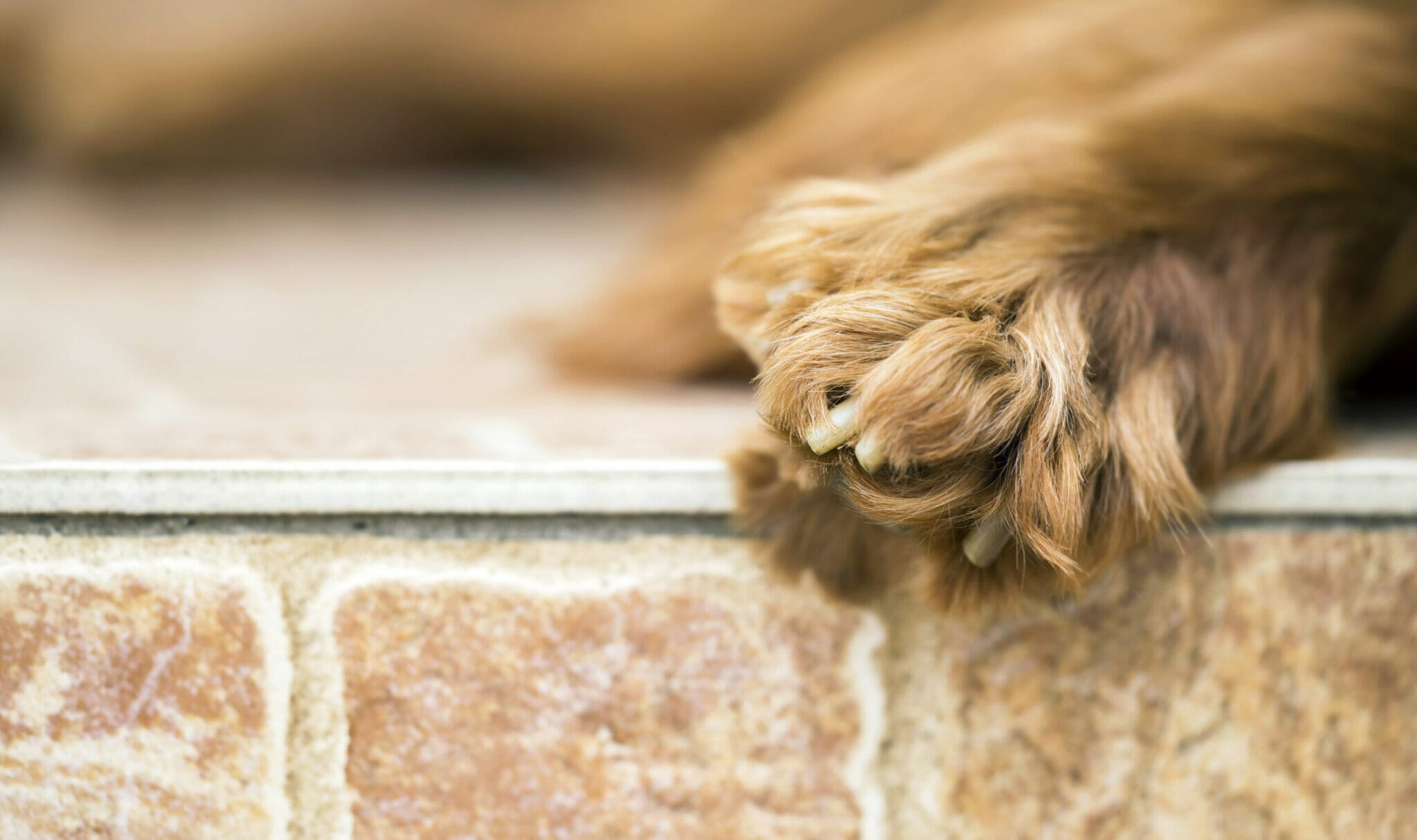
As you probably know, dogs’ nails grow continuously, just like human nails. Walking on hard surfaces wears them down a little, but dogs that mostly walk on grass or carpet, older and less active dogs, and dogs that hate nail trims often end up with overgrown nails. Dog nails also grow in a curve, so when a nail gets too long, it can curl back around into the toe pad and cause an ingrown toenail. This is incredibly painful for your pup and can lead to infection if not treated properly.
Dewclaws are especially prone to this, because they sit higher on the leg and never touch the ground. They’re also easy to forget at trimming time, so check them every time you trim the other nails.
Signs of an ingrown nail include limping, licking or chewing at a toe, swelling, redness, discharge or a bad smell. If you think your dog may have an ingrown toenail, it’s important to take them to the vet promptly. The vet will trim the nail, free it from the pad, clean the wound, and treat any infection. Don’t try to pull an embedded nail out yourself, as this is very painful and your dog may bite.
4 other common dog nail problems
Aside from ingrown toenails, there are a few other common problems that can affect your dog’s nails.
1Nail Trauma
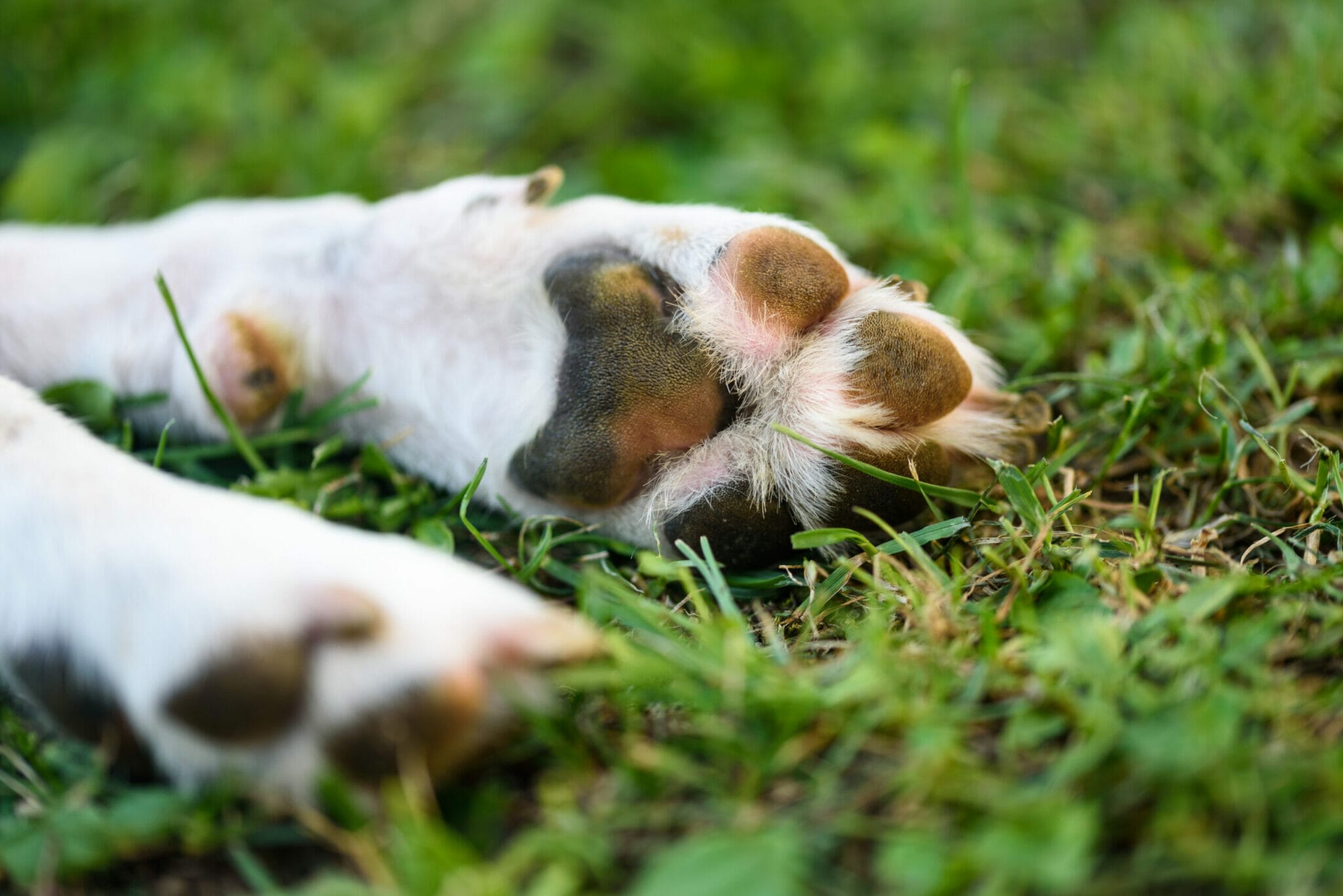
If your dog’s nails are hit too hard or catch on to something, the nail can break or tear. This is extremely painful for your dog and can lead to infection. Excessive licking of the nail can be a sign that your dog is in pain. Another sign your dog has nail trauma is if they are suddenly limping or refusing to put weight on the affected leg.
If you think your dog has nail trauma, it’s important to take them to the vet. The vet will be able to clean and bandage the wound properly to prevent infection. They may also prescribe antibiotics if necessary.
2Fungal Nail Infections
Fungal nail infections are relatively rare in dogs but can occur if your dog’s nails are constantly damp or exposed to water. The most common symptom of a fungal infection is the yellowing of the nails.
If you notice this, make sure to discuss it with the vet. The vet will be able to prescribe medication to clear up the infection.
3Bacterial Nail Infections
Bacterial nail infections are also relatively rare but can happen if your dog’s nails are constantly exposed to dirt or manure. The most common symptoms of a bacterial infection are redness and swelling around the nail bed, often with pus, discoloration or a bad smell.
Your vet can help you determine if your dog has a bacterial infection and prescribe the appropriate medication.
4Lupoid Onychodystrophy
Lupoid onychodystrophy is a condition that causes a dog’s nails to become thickened, deformed, and brittle. The cause of this condition is unknown but it is thought to be an autoimmune disorder.
If you notice these symptoms in your dog, take them to the vet. There is no cure for lupoid onychodystrophy, but many dogs do well with long-term treatment such as fatty acid supplements and medications your vet prescribes, and the nails often grow back in better shape.
How to keep your dog’s nails healthy
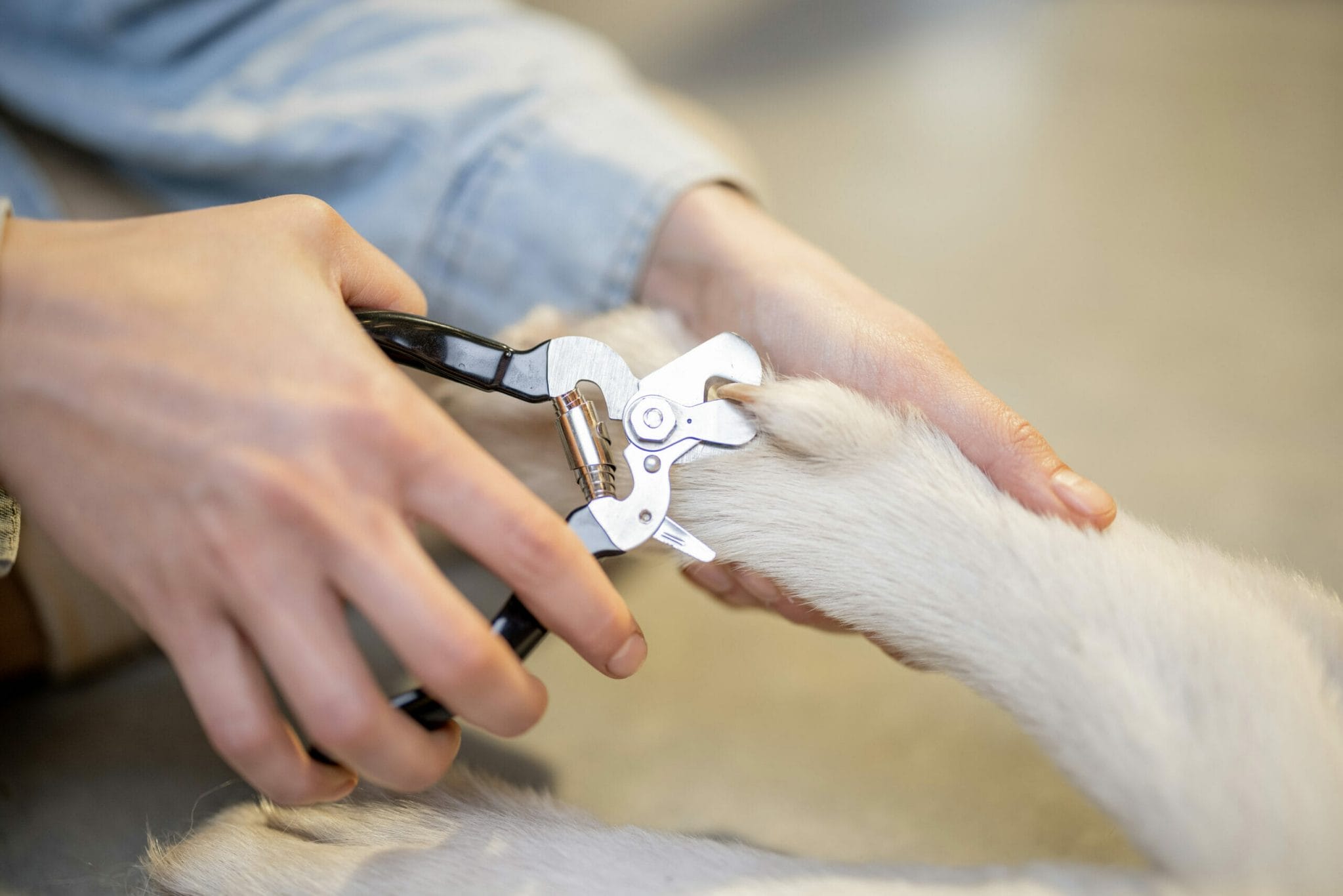
Now that we’ve gone over some of the most common problems that can affect your dog’s nails, let’s talk about how to prevent them! The best way to keep your dog’s nails healthy is to regularly trim them. This will help prevent them from getting too long and becoming ingrown. Many dogs need a trim every three to four weeks, but it varies; a good rule of thumb is that if you can hear your dog’s nails clicking on the floor, they’re due. Don’t forget the dewclaws.
There are a few different ways you can trim your dog’s nails. You can use nail clippers designed specifically for dogs, or you can use a rotary tool such as a Dremel. We compare the two approaches in how to file your dog's nails instead of clipping.
If you’re not comfortable trimming your dog’s nails yourself, you can always take them to a groomer or the vet to have it done. If your dog resists, our step-by-step guide on how to trim a dog's nails that hates it may help.
In addition to regular nail trims, you should also make sure your dog’s nails are kept clean and dry. This will help prevent infection if the nails become damaged.
Additional tips for nail trimming
- If you're using nail clippers, only cut off a small amount at a time.
- Be careful not to cut the quick (the pink part of the nail). If you do, it will bleed and be painful for your dog. We review the styptic powders for dogs that groomers keep on hand for these moments.
- If your dog has black nails, it may be difficult to see the quick. In this case, it's best to be careful and only trim a small amount off at a time.
- When you're using a rotary tool, start slowly and gradually increase the speed as you get comfortable with it.
- Make sure your dog is comfortable and relaxed during the nail trimming process. If they're anxious, it will be more difficult to trim their nails properly.
- Give your dog a treat after trimming their nails to help them associate the experience with something positive.
Final thoughts
Dogs can indeed get ingrown toenails. The best way to prevent problems with your dog’s nails is to regularly trim them and keep them clean and dry. If you’re not comfortable trimming your dog’s nails yourself, you can always take them to a groomer or the vet to have it done.
If you think your dog has an ingrown toenail, take them to the vet so they can prescribe the appropriate treatment.