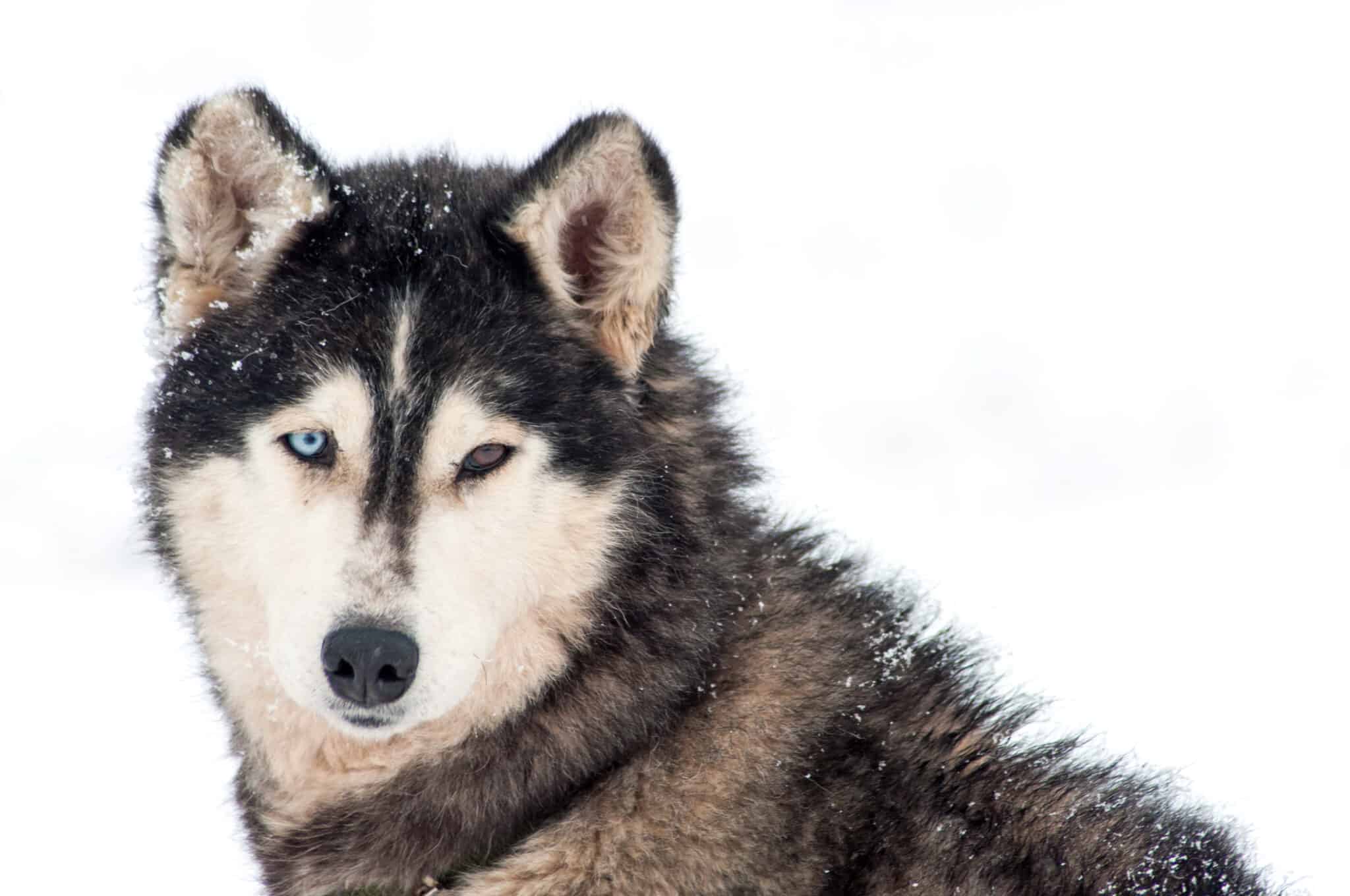

Which dogs can have blue eyes? In our breed data, 17 breeds list blue among their eye colors. Some, like the Siberian Husky, are famous for it. Others, like the Dachshund or the Great Dane, only get blue eyes with certain coat patterns.
That difference matters. A breed standard that allows blue eyes does not promise them, and many standards accept blue only on specific coat colors. Below you will find each breed with its size, weight, lifespan and temperament, plus a short explanation of where blue eyes come from.
If you are comparing breeds on more than eye color, try our dog breeds by trait tool or the dog breed selector. Tail color is another trait people search for, and we cover it in our post on dog breeds with white-tipped tails.
Siberian Husky
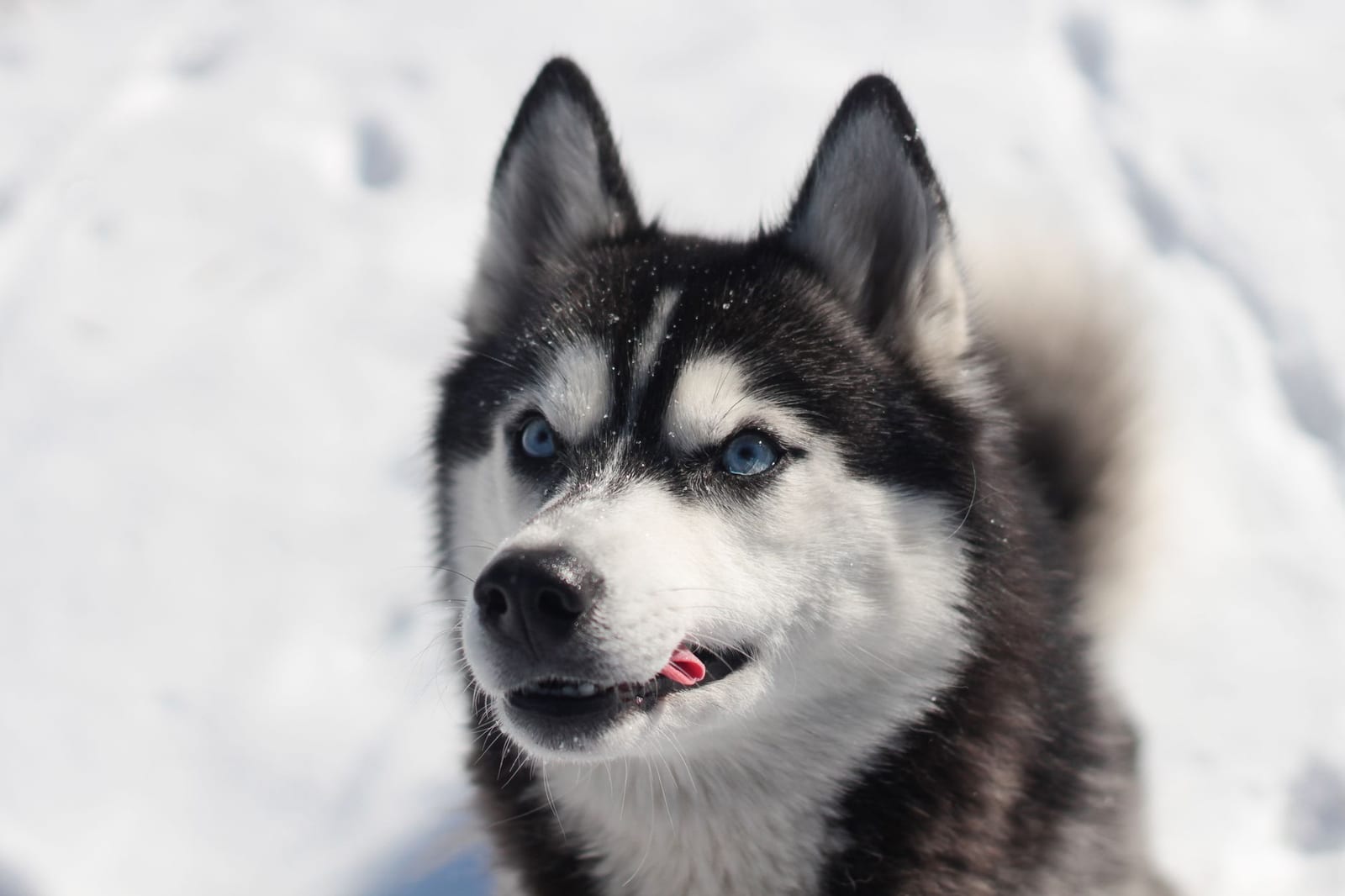
The Siberian Husky is the breed most people think of first. Our data lists brown, blue and bi-eyed (one blue eye, one brown) as the eye colors for the breed. Researchers found a specific DNA change in Huskies that is linked to blue eyes, which we cover in the section on causes below.
Huskies are medium dogs at 35 to 60 pounds, standing 20 to 23.5 inches at the shoulder. The AKC describes the temperament as loyal, outgoing and mischievous, and the lifespan is 12 to 14 years.
Practical note: a Husky with blue eyes is not a different dog from one with brown eyes. Pick for energy and temperament, because the breed needs a lot of exercise and is known for escaping yards.
Australian Shepherd
Australian Shepherds can have brown, blue, amber or bi-eyed eyes. Blue is often seen on merle-coated dogs (our data lists blue merle and red merle among the colors), but the same study that looked at Huskies also found the blue-eye DNA change in non-merle Aussies.
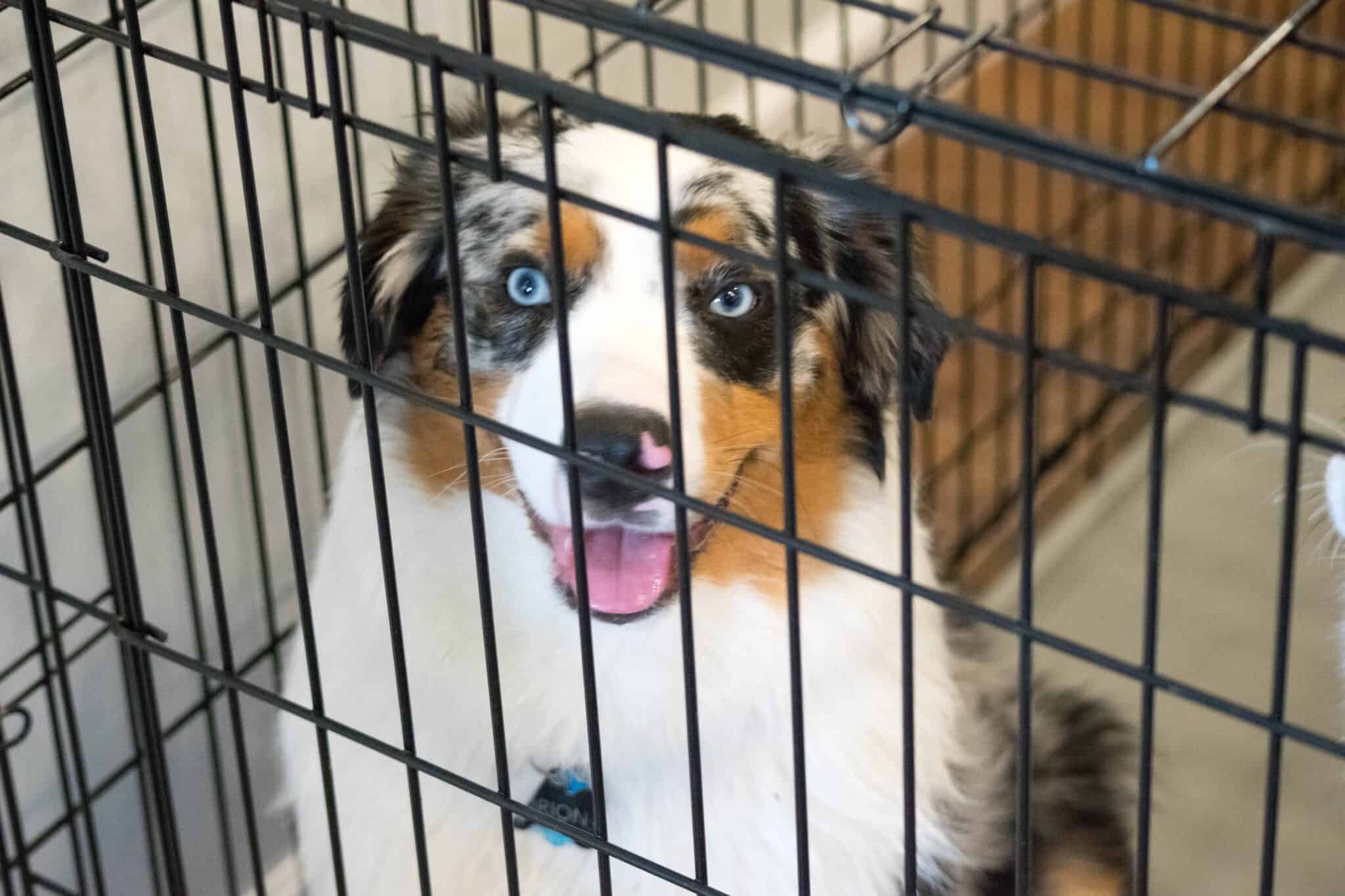
The breed is large in our data: 40 to 65 pounds, 18 to 23 inches at the shoulder, with a lifespan of 12 to 15 years. The AKC temperament words are smart, work-oriented and exuberant.
Practical note: this is a working breed with a lot of drive, so plan on daily exercise and something for its brain to do.
Miniature American Shepherd
The Miniature American Shepherd is a smaller dog with the Aussie look. Its eye colors in our data include brown, blue, hazel, amber and bi-eyed, and it comes in the same colors as the Australian Shepherd, including blue merle and red merle.
It weighs 20 to 40 pounds and stands 13 to 18 inches tall. The AKC calls it intelligent, good-natured and devoted, and it lives 12 to 13 years.
Practical note: a smaller body does not mean a lower energy level. Expect a dog that wants a job.
Border Collie
Border Collies are best known for brown eyes, but our data also lists amber, blue and bi-eyed. Blue merle is one of the coat colors in our data, and blue eyes tend to go with merle and heavily white-marked coats.
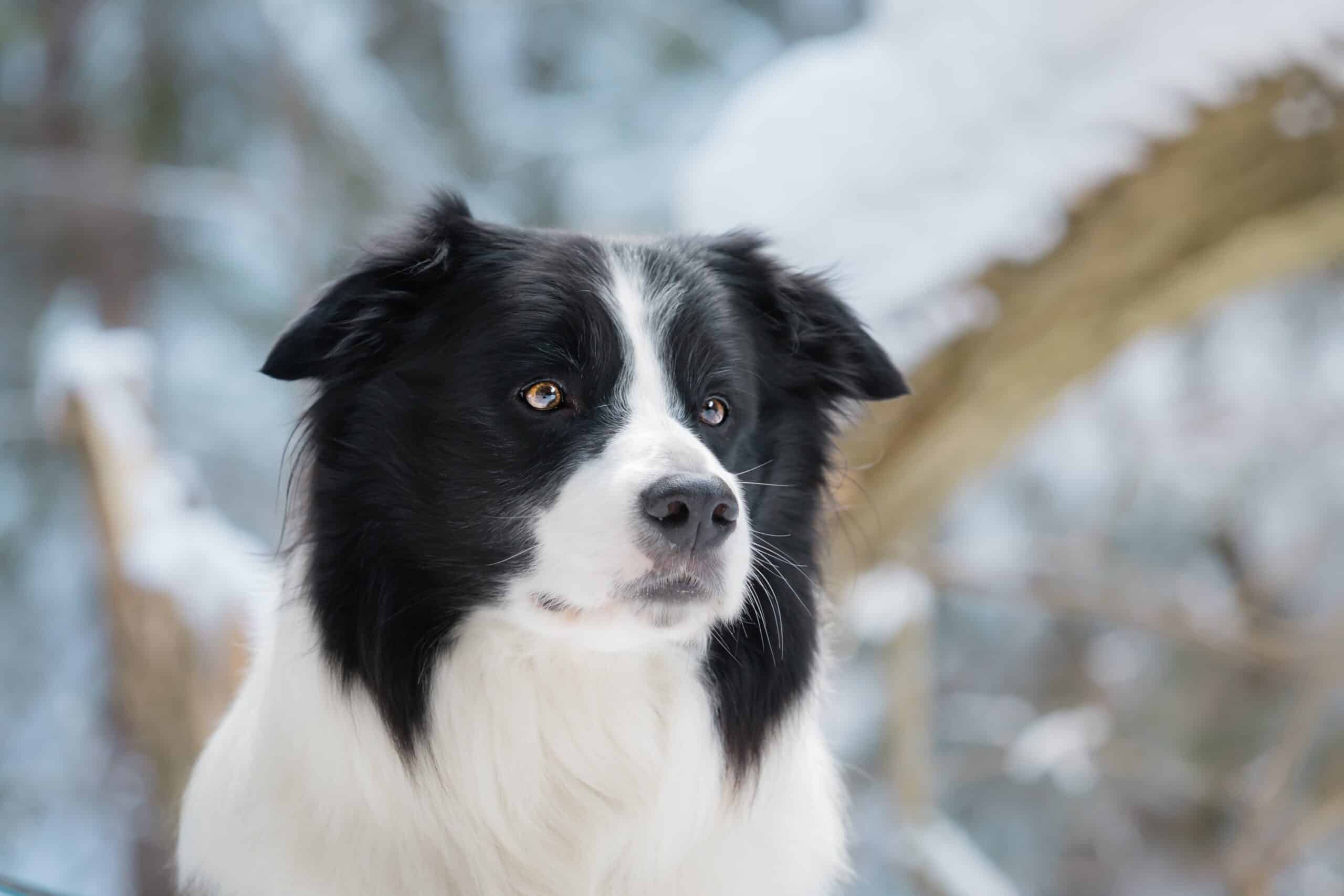
This is a medium breed at 30 to 55 pounds, 18 to 22 inches tall. The AKC calls it energetic, affectionate and smart, and the lifespan is 12 to 15 years.
Practical note: Border Collies need a lot of mental work. A blue-eyed one is no calmer than any other.
Alaskan Klee Kai
The Alaskan Klee Kai looks like a miniature Husky, and it shares the Husky's range of eye colors: brown, blue, hazel and bi-eyed. The 2018 study mentioned below found the same blue-eye DNA change in this breed.
It is a small dog at 6 to 25 pounds, 12 to 17 inches tall, and it has one of the longer lifespans on this list at 13 to 16 years. The AKC temperament words are loyal, intelligent and vigilant. Its tail curls over the back.
Practical note: the AKC lists the breed in its Miscellaneous class, so check the breeder's health testing and parent photos carefully.
Pomsky
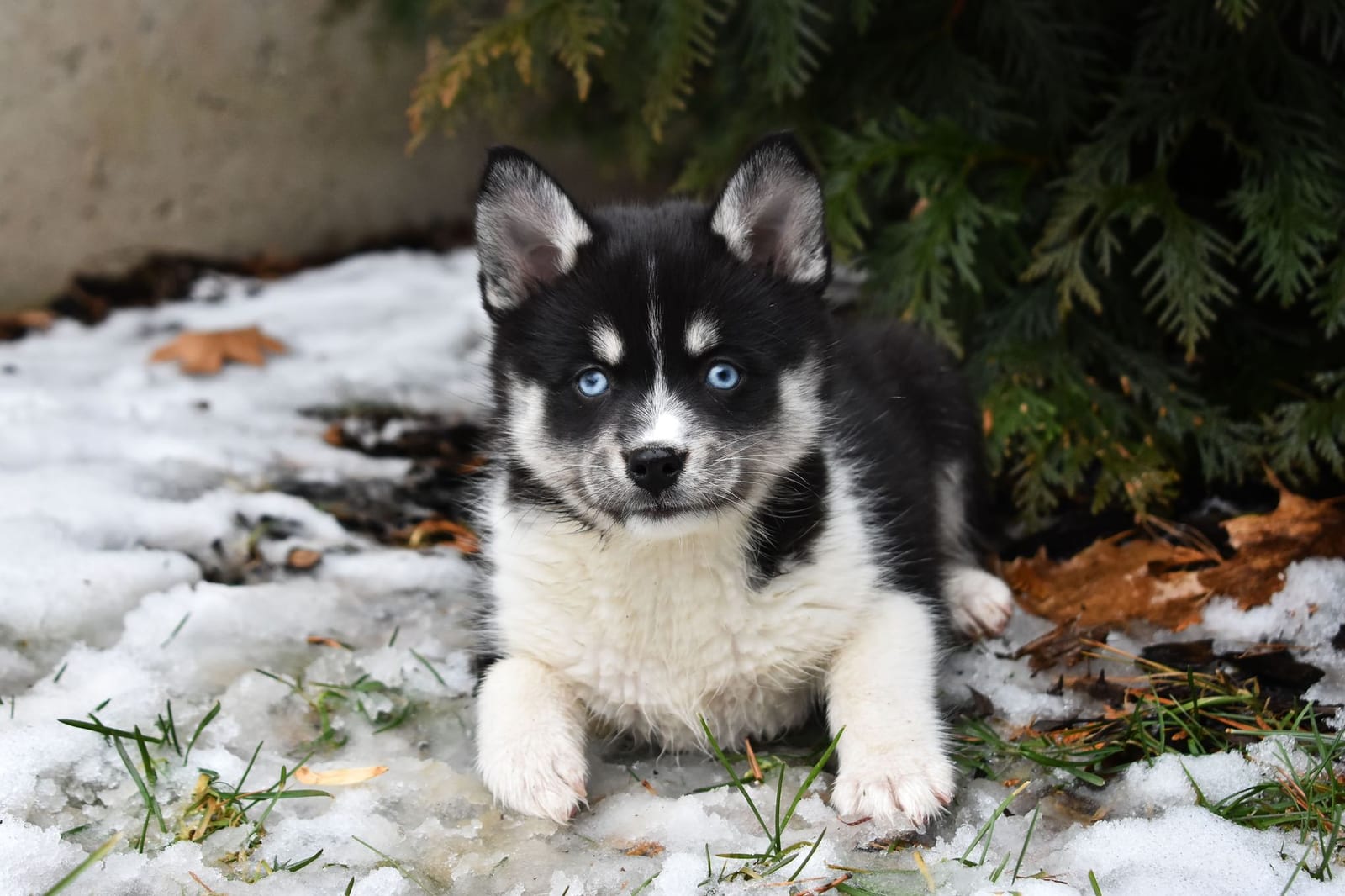
The Pomsky is a cross between a Pomeranian and a Siberian Husky, and it is not a recognized breed with a written standard. Our data lists brown, blue, hazel and bi-eyed eyes, which fits the Husky side of the cross.
Because it is a cross, size varies. Our data gives 20 to 30 pounds and 10 to 15 inches tall. The lifespan is 12 to 15 years, and the temperament is playful, curious and vocal.
Practical note: one puppy in a litter can be much larger or smaller than another, so ask to see both parents.
Cardigan Welsh Corgi
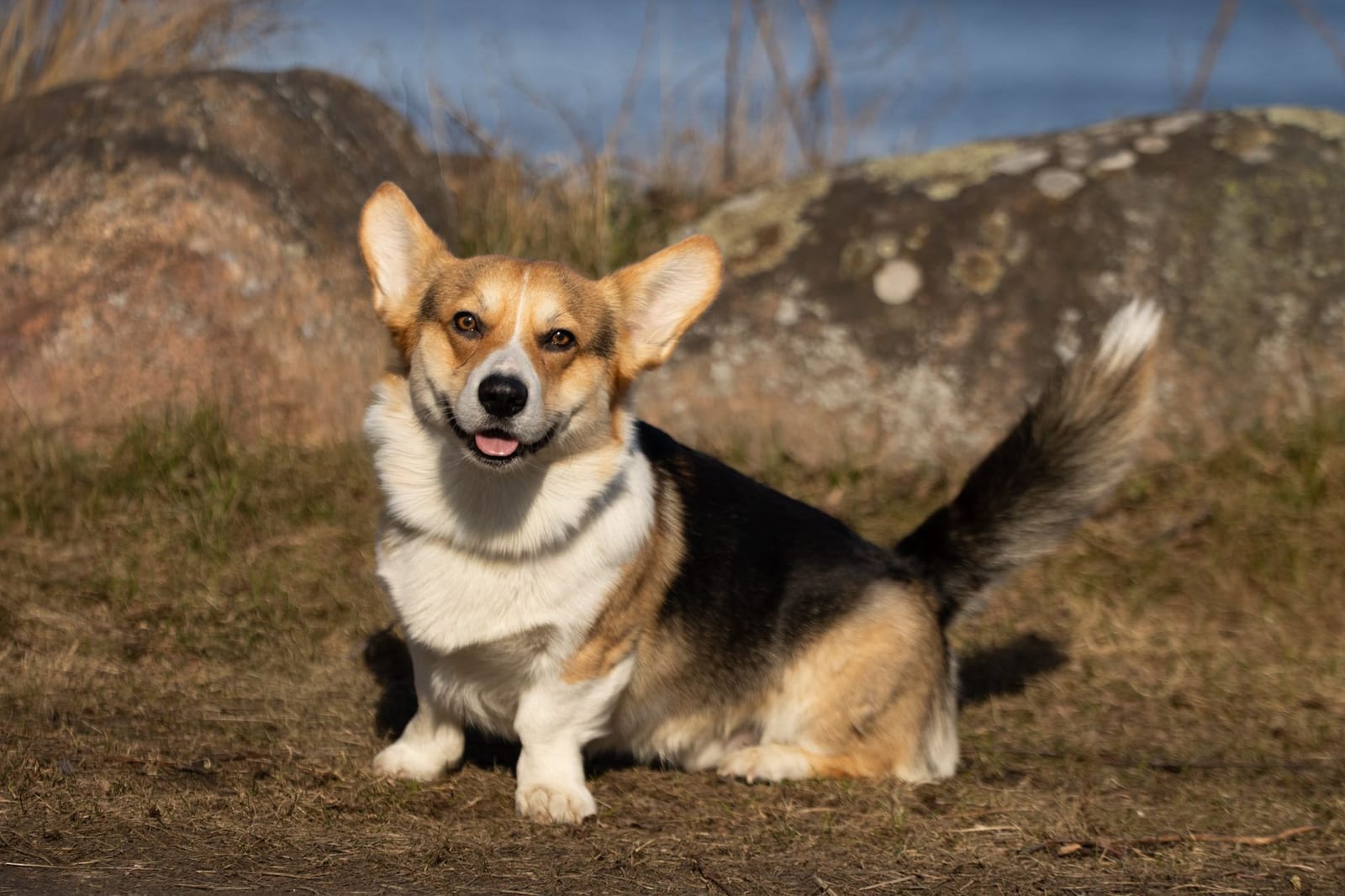
The Cardigan Welsh Corgi has brown or dark brown eyes in most dogs, and blue and bi-eyed are listed too. Blue goes with the blue merle coat, which is one of the colors in our data.
It is a medium dog on short legs, 25 to 38 pounds, only 10.5 to 12.5 inches tall. The lifespan is 12 to 15 years, and the AKC temperament words are loyal, affectionate and smart. Unlike its Pembroke cousin, it has a long, plumed tail.
Practical note: that long body and short legs put stress on the spine, so keep your Cardigan lean and avoid repeated jumping off furniture.
Catahoula Leopard Dog
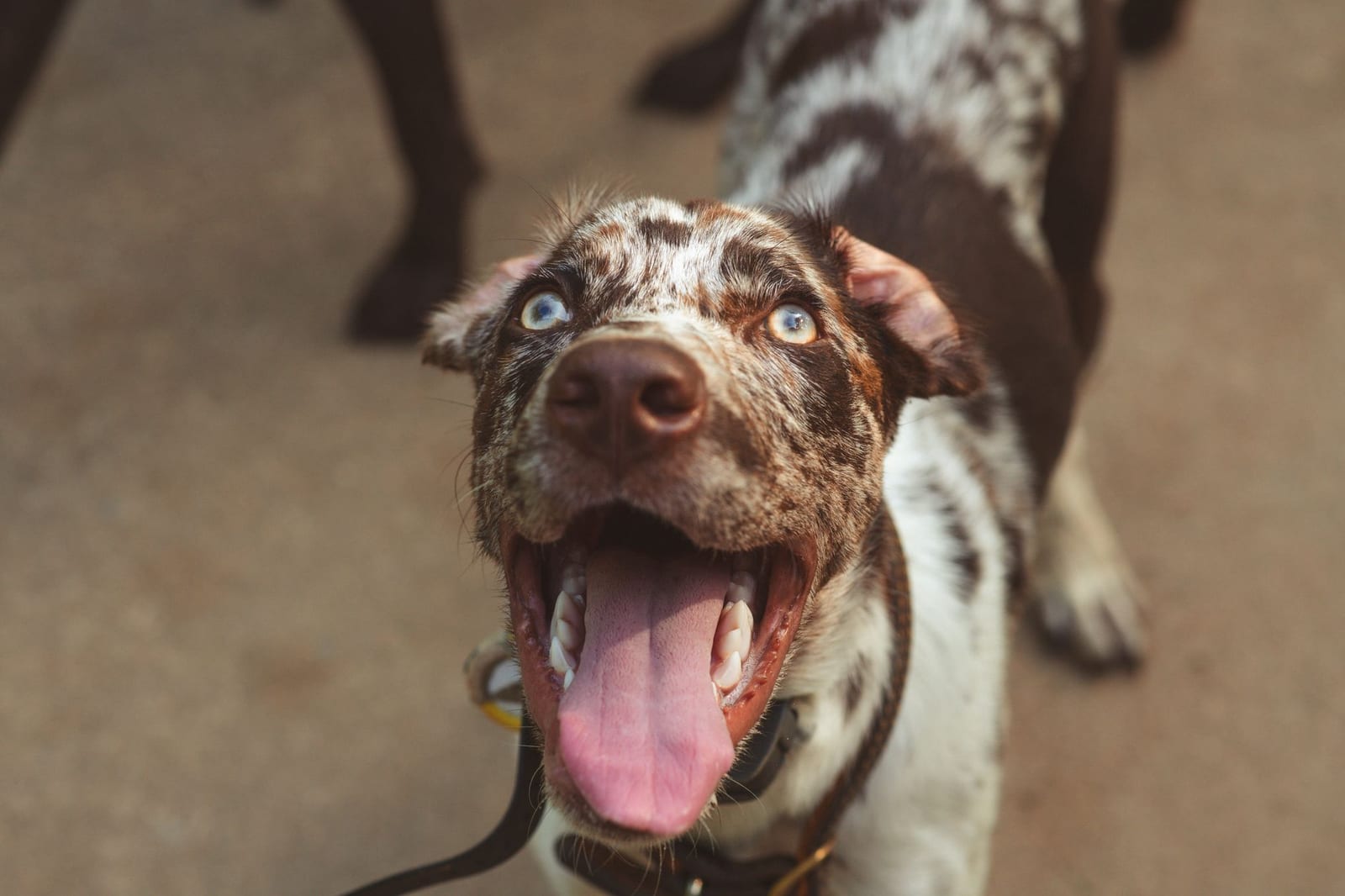
The Catahoula Leopard Dog has one of the widest ranges of eye colors on this list: brown, amber, blue, green and bi-eyed. Its coat colors include blue merle and red merle, and the eyes often go with the pattern.
It is a large, short-coated dog at 50 to 95 pounds, 22 to 24 inches tall. The lifespan is 10 to 14 years, and the AKC temperament words are independent, loyal and watchful.
Practical note: a Catahoula can be independent, so it does best with an owner who has trained working or herding breeds before.
Collie
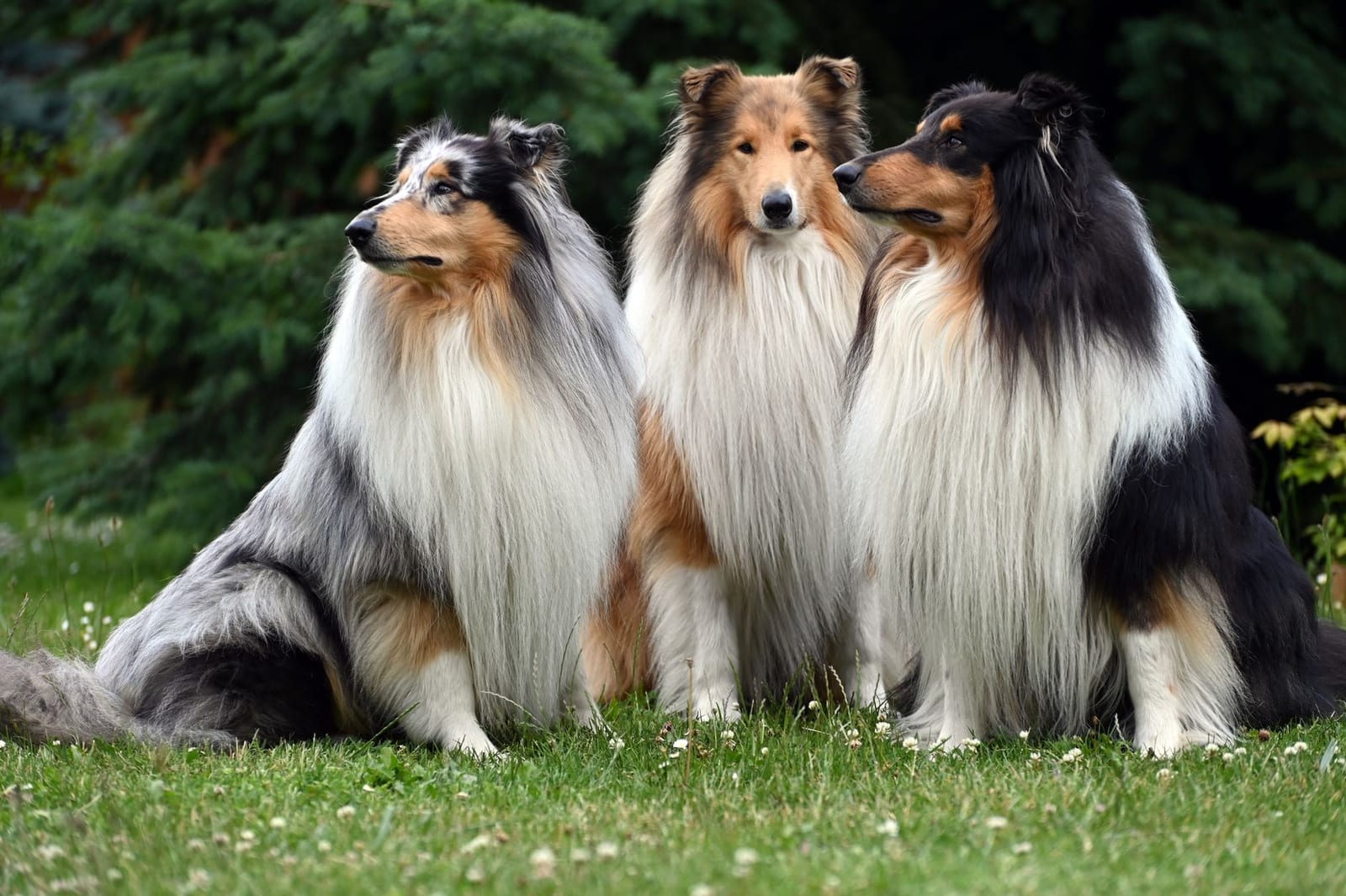
The Collie's standard colors include sable and white, tricolor, blue merle and white. Eyes are dark brown in most dogs, but blue is listed for the blue merle, along with bi-eyed.
The Collie is large at 50 to 75 pounds, 22 to 26 inches tall. The lifespan is 12 to 14 years, and the AKC temperament words are devoted, proud and graceful. It has a long, rough coat that needs regular brushing.
Practical note: if you want a blue merle Collie, ask the breeder about hearing tests for both parents. We explain why in the causes section below.
Shetland Sheepdog
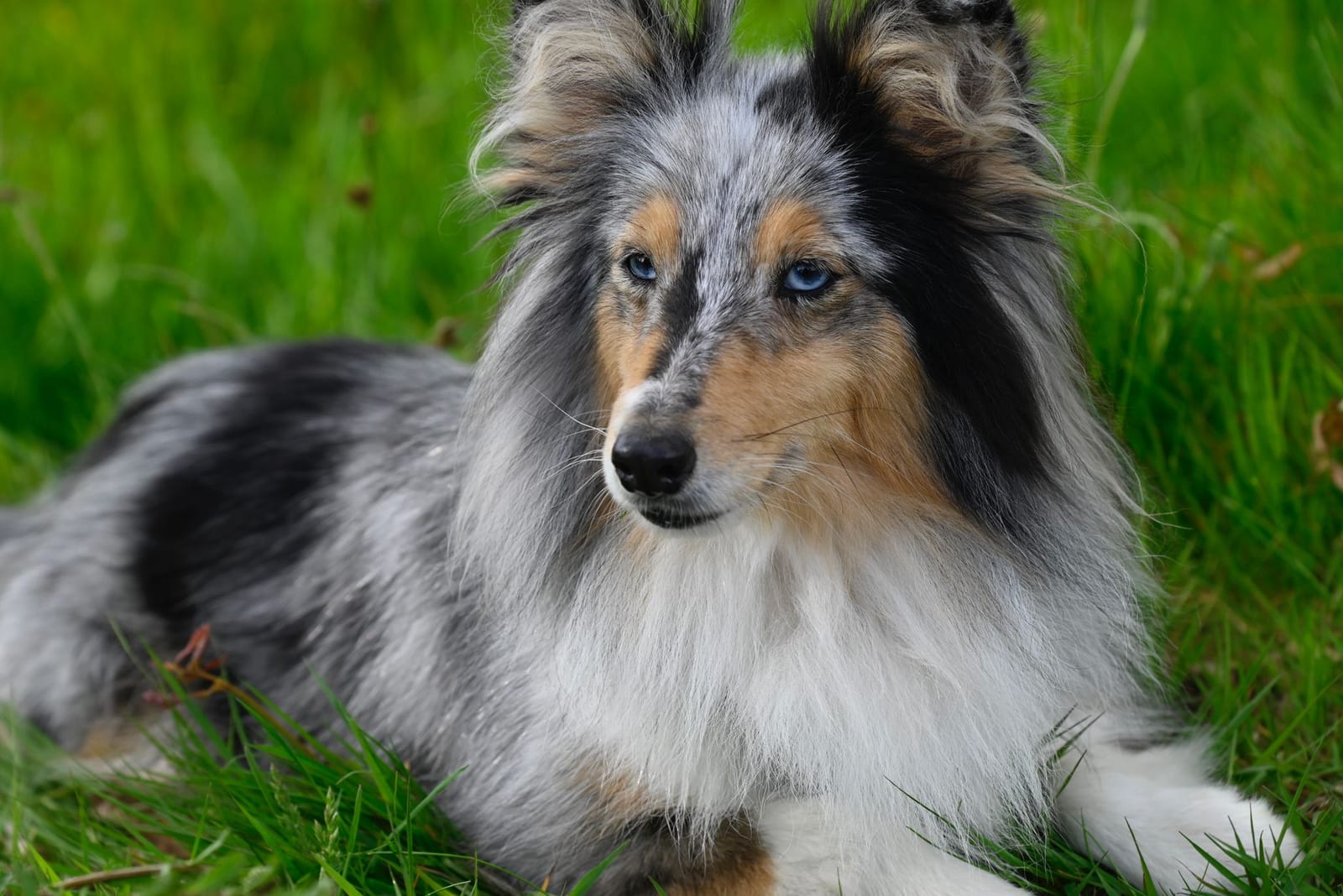
The Shetland Sheepdog is a small herding dog with a long double coat. Its standard colors include blue merle and sable merle, and the blue eyes our data lists go with the merle coats.
It weighs 15 to 25 pounds and stands 13 to 16 inches tall. The lifespan is 12 to 14 years, and the AKC temperament words are playful, energetic and bright.
Practical note: Shelties are energetic for their size and need regular exercise. Brush the double coat at least weekly.
Old English Sheepdog
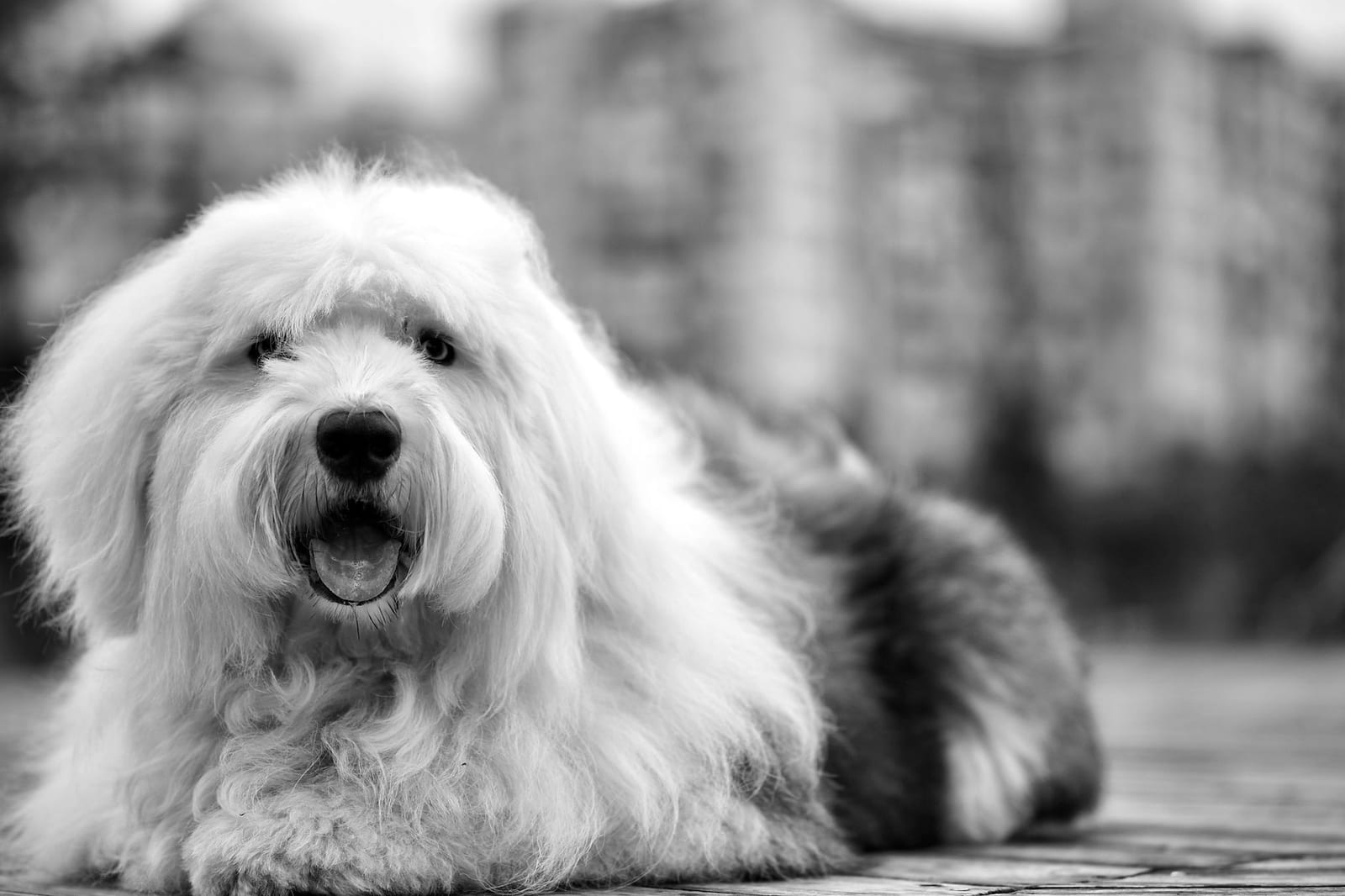
The Old English Sheepdog is a big, shaggy herding dog. Its colors include blue merle and white, and its eye colors in our data are brown, blue and bi-eyed.
It is a large dog at 60 to 100 pounds, 21 to 25 inches tall. The lifespan is 10 to 12 years, and the AKC temperament words are smart, gentle and adaptable. Its tail is naturally bobbed or docked, so some are born with a short tail.
Practical note: the long coat can mat quickly, so many owners keep it clipped.
Mudi
The Mudi is a Hungarian herding dog. Its eye colors in our data include dark brown, brown, blue and bi-eyed, and its colors include merle.
It is a medium dog at 18 to 29 pounds and 15 to 18.5 inches tall. The lifespan is 12 to 14 years, and the AKC temperament words are loyal, intelligent and active. The coat is medium length and curly.
Practical note: the breed is active and alert, so it suits owners who enjoy dog sports or long walks.
Weimaraner
The Weimaraner has a very different look from the herding breeds above: a short silver-gray coat and light eyes. Our data lists amber, gray and blue as eye colors.

It is a large dog at 55 to 90 pounds, 23 to 27 inches tall. The lifespan is 10 to 13 years, and the AKC temperament words are friendly, fearless and obedient. Puppies of many breeds start with bluish eyes that change color as they grow, so a blue eye on a very young puppy does not tell you much.
Practical note: Weimaraners are energetic sporting dogs and tend to do poorly when left alone for long hours.
Dalmatian
Dalmatians are best known for brown or amber eyes, but our data lists blue and bi-eyed as well. The coat is white with black or liver spots.
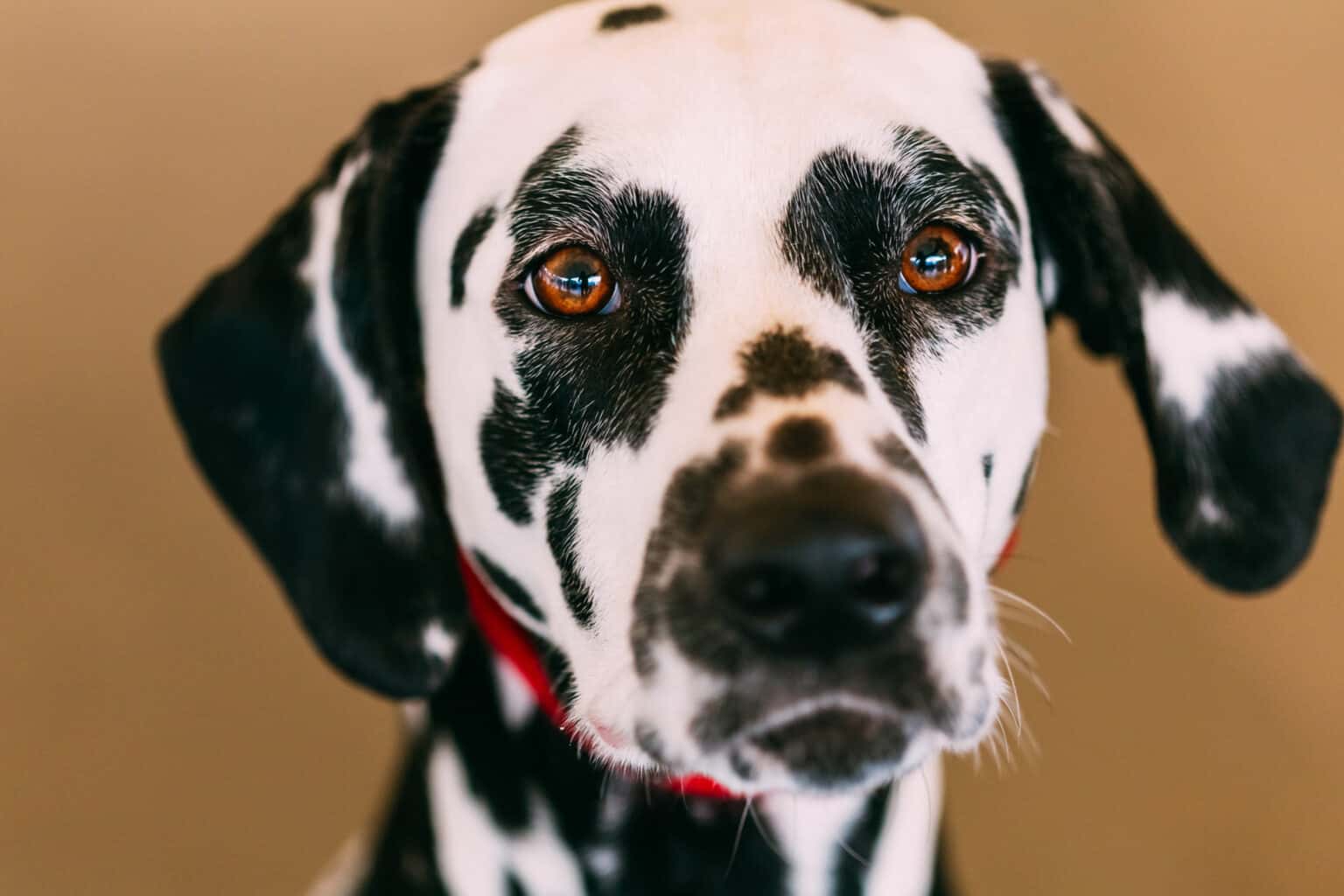
The Dalmatian is a large dog at 45 to 70 pounds, 19 to 24 inches tall. The lifespan is 11 to 13 years, and the AKC temperament words are dignified, outgoing and smart.
Practical note: Dalmatians have a well-known risk of hearing loss, so ask the breeder about hearing tests for the parents and for your puppy.
Great Dane
The Great Dane's colors include fawn, brindle, black, blue, harlequin and mantle. Eyes are usually dark, but blue and bi-eyed are listed in our data.
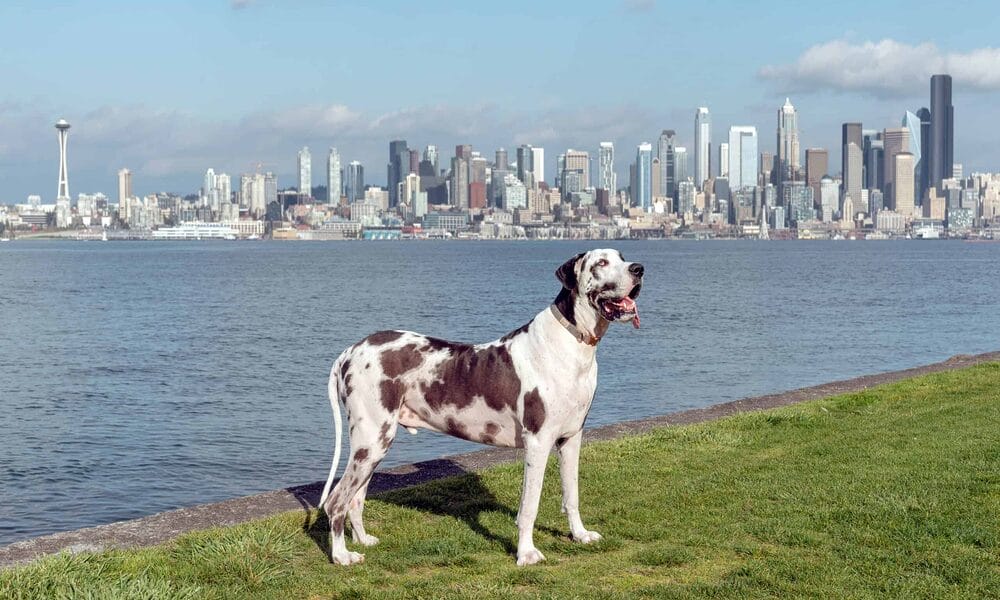
This is the giant on the list at 110 to 175 pounds, 28 to 32 inches tall. The lifespan is 7 to 10 years, and the AKC temperament words are friendly, patient and dependable.
Practical note: giant breeds cost more to feed and to treat at the vet, and the shorter lifespan is a real part of owning one.
Dachshund
The Dachshund surprises many people, but our data lists dark brown, blue and bi-eyed eyes. Blue eyes are most often tied to the dapple (merle) pattern.
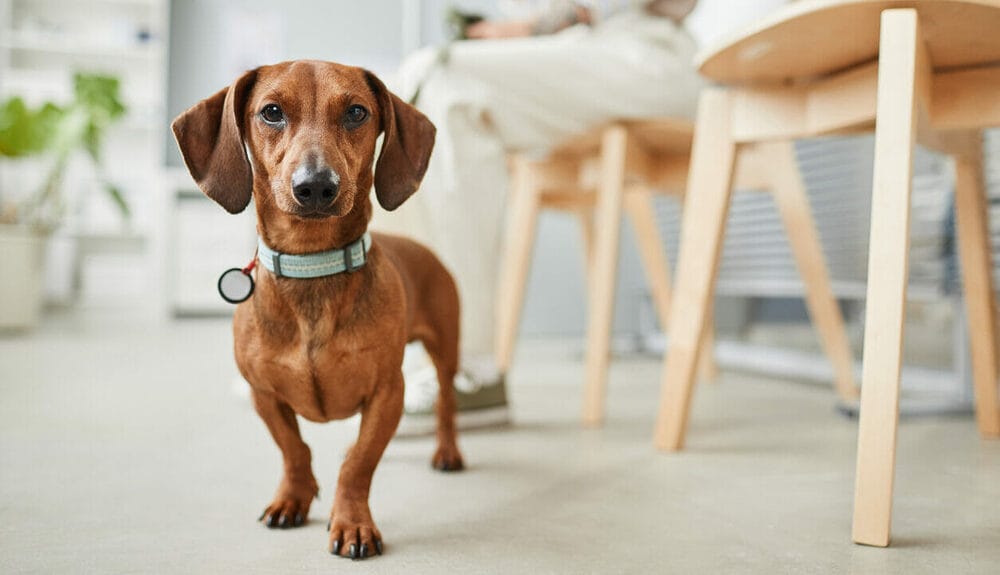
The Dachshund (the standard size) weighs 16 to 32 pounds and stands 8 to 9 inches tall. The lifespan is 12 to 16 years, and the AKC temperament words are curious, friendly and spunky.
Practical note: the long back is prone to injury. Use ramps, keep your dog lean and carry it with support under the chest and hips.
Miniature Dachshund
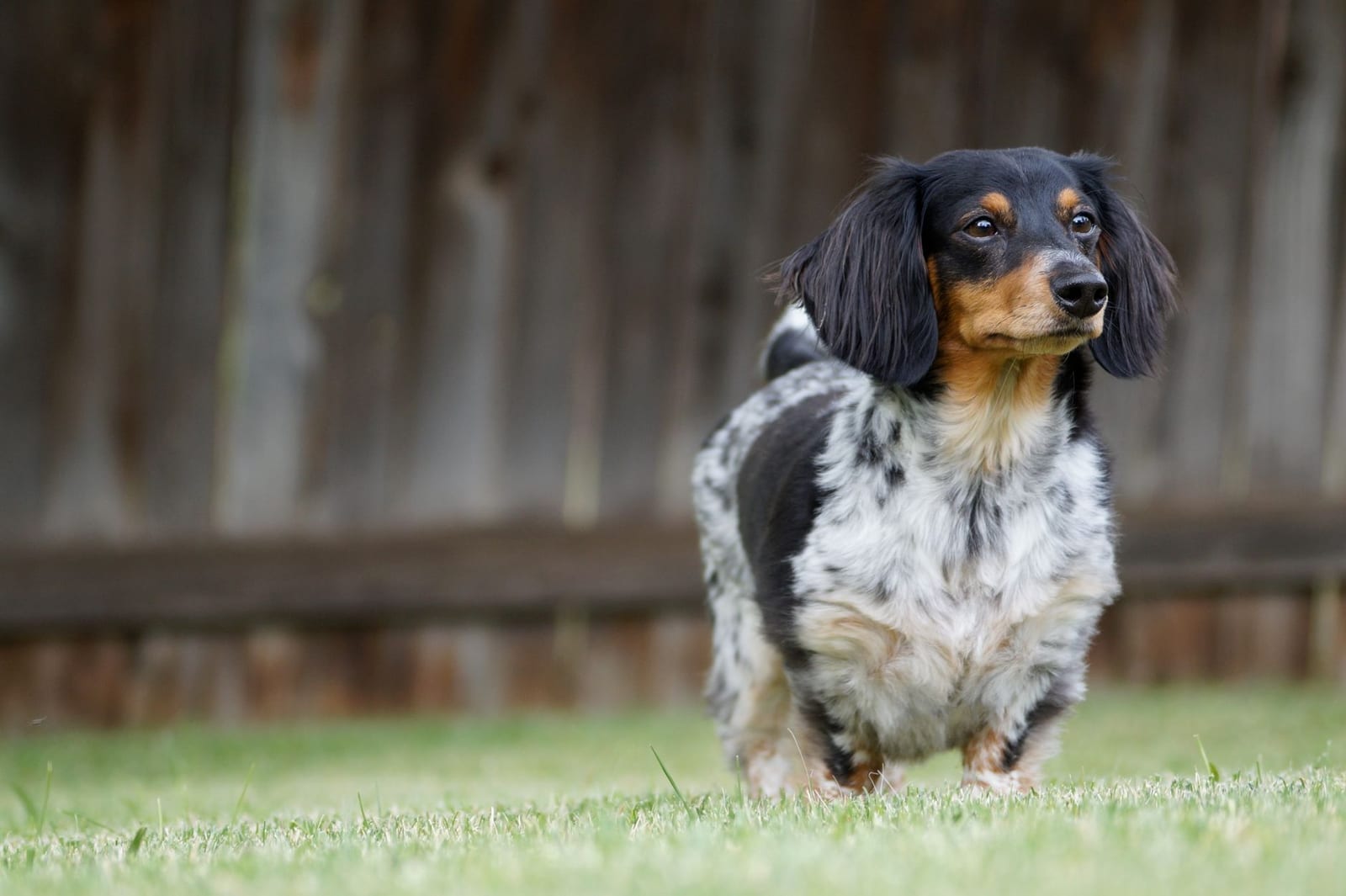
The Miniature Dachshund has the same eye colors as the standard: dark brown, blue and bi-eyed. It is much smaller at 8 to 11 pounds, 5 to 6 inches tall, and the lifespan is 12 to 16 years. The AKC temperament words are curious, friendly and spunky.
Practical note: miniatures have the same back risks as the standard size, in a lighter and more fragile body.
Why do some dogs have blue eyes?
Blue eyes in dogs have more than one cause. The merle and piebald (white spotting) coat patterns can both produce blue or odd-colored eyes, and they involve the PMEL and MITF genes. A separate 98.6-kb DNA duplication near the ALX4 gene is strongly linked to blue eyes in Siberian Huskies. The 2018 study that found it also found it in non-merle Australian Shepherds and in Alaskan Klee Kai. Outside those breeds it is rare.
The coat gene matters more than the eye color. In a 2009 study of merle dogs, 0.9% of dogs with one merle copy were deaf in both ears, against 15% of dogs with two copies. A puppy gets two copies when both parents are merle, so ask any breeder whether they ever pair two merle dogs.
A breed standard that allows blue eyes does not promise them. Ask a breeder what the parents' eyes look like and whether they were hearing tested. The AKC breed directory is a good place to read each standard. Many of these breeds also show up in our list of dog breeds with different colored eyes, and merle is covered in dog breeds with merle coats.
All 17 breeds with blue eyes at a glance
| Breed | Size | Weight | Lifespan |
|---|---|---|---|
| Alaskan Klee Kai | Small | 6–25 lb | 13–16 years |
| Australian Shepherd | Large | 40–65 lb | 12–15 years |
| Border Collie | Medium | 30–55 lb | 12–15 years |
| Cardigan Welsh Corgi | Medium | 25–38 lb | 12–15 years |
| Catahoula Leopard Dog | Large | 50–95 lb | 10–14 years |
| Collie | Large | 50–75 lb | 12–14 years |
| Dachshund | Medium | 16–32 lb | 12–16 years |
| Dalmatian | Large | 45–70 lb | 11–13 years |
| Great Dane | Giant | 110–175 lb | 7–10 years |
| Miniature American Shepherd | Medium | 20–40 lb | 12–13 years |
| Miniature Dachshund | Toy | 8–11 lb | 12–16 years |
| Mudi | Medium | 18–29 lb | 12–14 years |
| Old English Sheepdog | Large | 60–100 lb | 10–12 years |
| Pomsky | Medium | 20–30 lb | 12–15 years |
| Shetland Sheepdog | Small | 15–25 lb | 12–14 years |
| Siberian Husky | Medium | 35–60 lb | 12–14 years |
| Weimaraner | Large | 55–90 lb | 10–13 years |
Which blue-eyed breed is right for you?
Blue eyes are a small part of what makes a dog a good fit. The 17 breeds here range from the Alaskan Klee Kai at 6 to 25 pounds to the Great Dane at 110 to 175 pounds. Start with size, energy and grooming, then look at eye color as a bonus.
To compare two breeds side by side, use the dog breed comparison tool. To combine eye color with other traits, try the dog breeds by trait finder.

Get The Ideal Dog Routine, free
A 10-page guide written by a vet: a sample daily routine, exercise and alone time, and grooming and vet check schedules.
We'll email you the download link. Unsubscribe anytime.