When a Pug’s tail is down, it can simply mean they are relaxed, tired, or asleep, since many Pugs let their curl loosen when resting. But if the tail stays down while your Pug is awake and active, it can be a sign that they are anxious or sad, in pain (from a tail injury, “limber tail,” full anal glands, or a back problem), or feeling sick.
Below we walk you through each reason, the signs that mean it’s time to see the vet, and what you can do to help your Pug feel better.
What Does it Mean That my Dog’s Tail is Down?
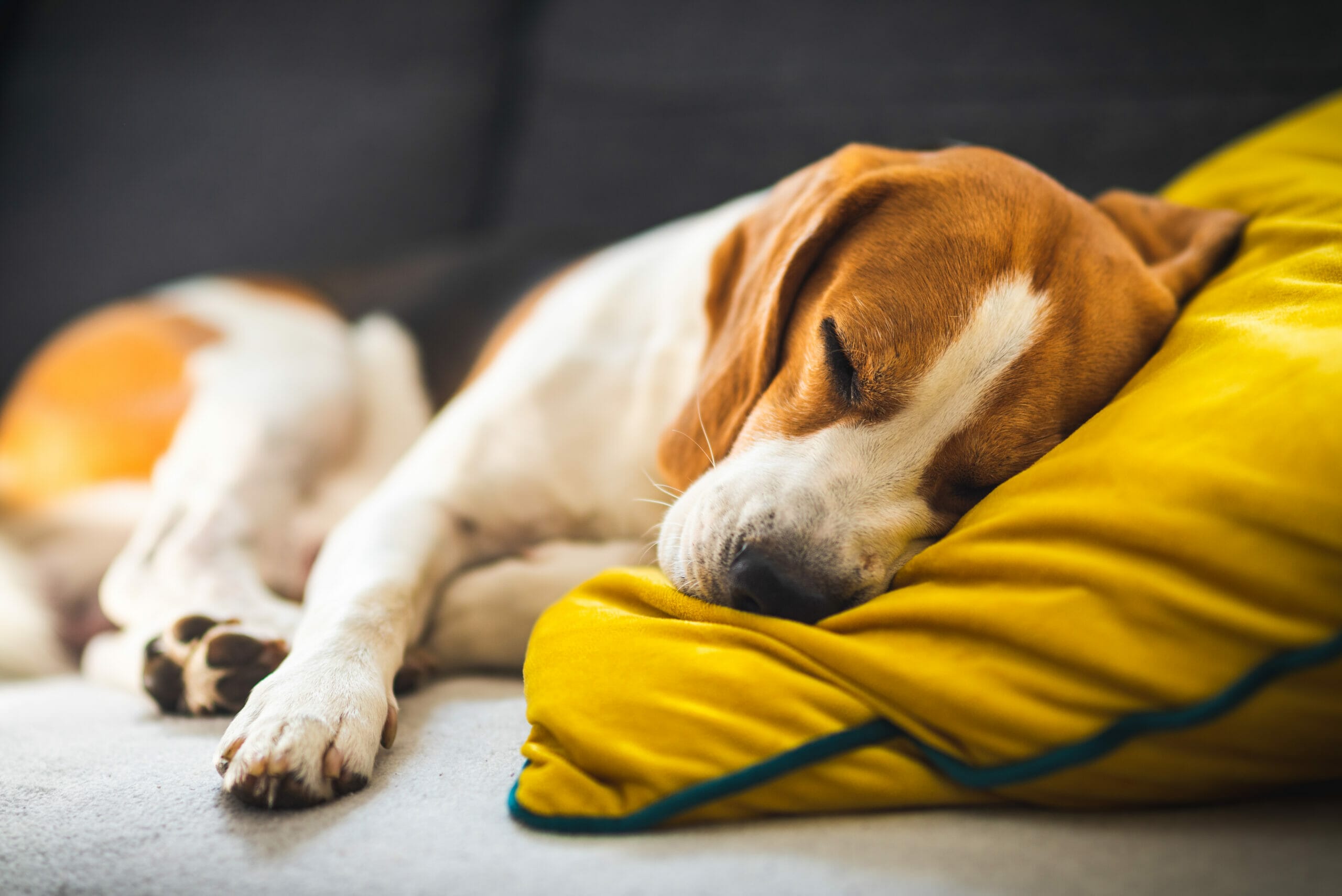
There can be a few different reasons why your Pug’s tail might be down. First, rule out the harmless one: a tail that uncurls while your Pug is sleeping or lounging is usually perfectly normal and curls back up once they’re up and about. Otherwise, it might be a sign that they are feeling sad, anxious, in pain, or even sick. If this is a behavior that is out of the ordinary for your Pug, then it’s important to take notice and see if there are any other changes in their behavior that might be clues as to why their tail is down.
1They are feeling sad or anxious
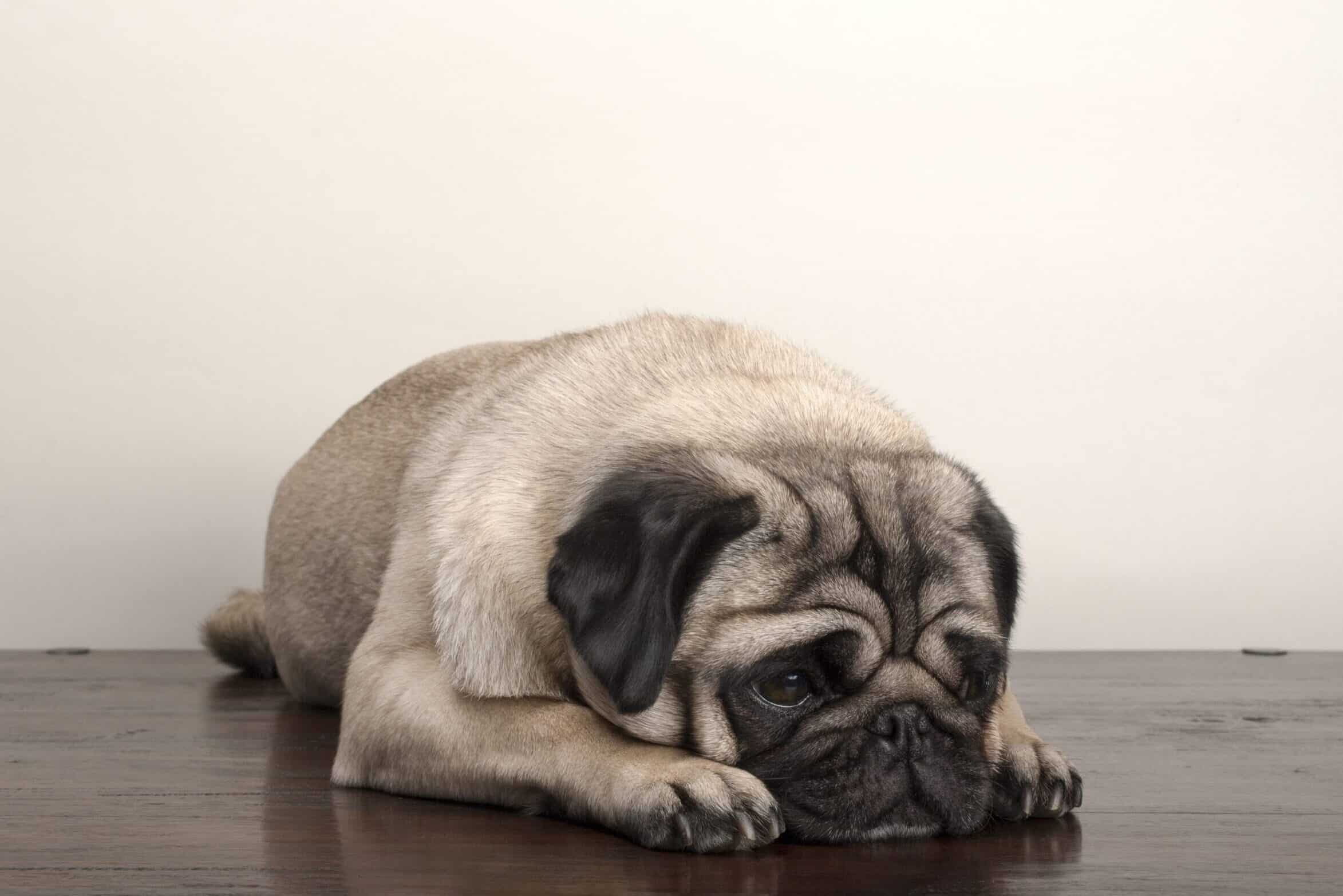
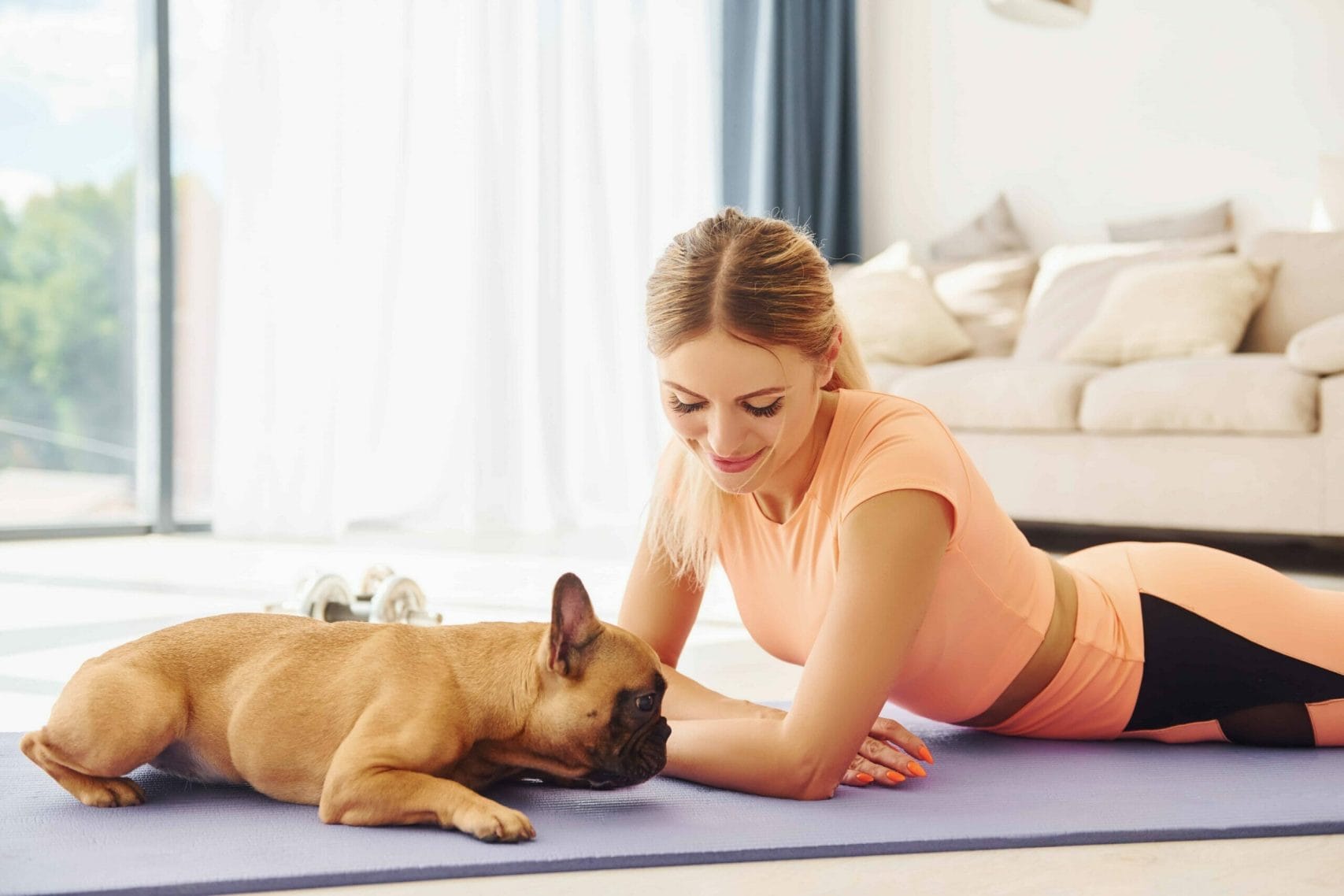
A lowered tail might be a sign that your Pug is feeling sad or anxious. This could be due to a change in their routine, such as a new pet in the house, or it could be something more serious, like separation anxiety. If you think this might be the case, you may want to talk to a behaviorist if you can’t solve the problem yourself.
2They are in pain
If your Pug is holding their tail down and you notice they are also whimpering, reluctant to sit, or limping, it might be a sign that they are in pain. This could be due to an injury, infection, or even arthritis. A tail that suddenly hangs limp after swimming, a bath, cold weather, or a lot of exercise may be “limber tail,” a painful strain of the tail muscles that usually improves within a few days with rest. Pugs are also prone to spinal problems, so a dropped tail along with wobbly or weak back legs, trouble walking, or loss of bladder control needs a vet visit right away. In any case of suspected pain, take them to the vet so they can be checked out and treated. Pugs are also one of the breeds we list in what dog breeds need their glands expressed.
3They are sick
If your Pug’s tail is down and they are also exhibiting other signs of illness, such as a loss of appetite, vomiting, or diarrhea, it might be a sign that they are sick. This could be due to a virus, infection, or even something more serious, like cancer. If you think this might be the case, make an appointment with a vet as soon as possible!
What Can I Do to Help?
If you notice that your Pug’s tail is down and they seem to be exhibiting other changes in behavior, you probably want to do anything that you can to help. Apart from taking them to a professional in the event of an emergency, here are a few things you can do to help your Pug feel more comfortable:
1Give them extra reassurance
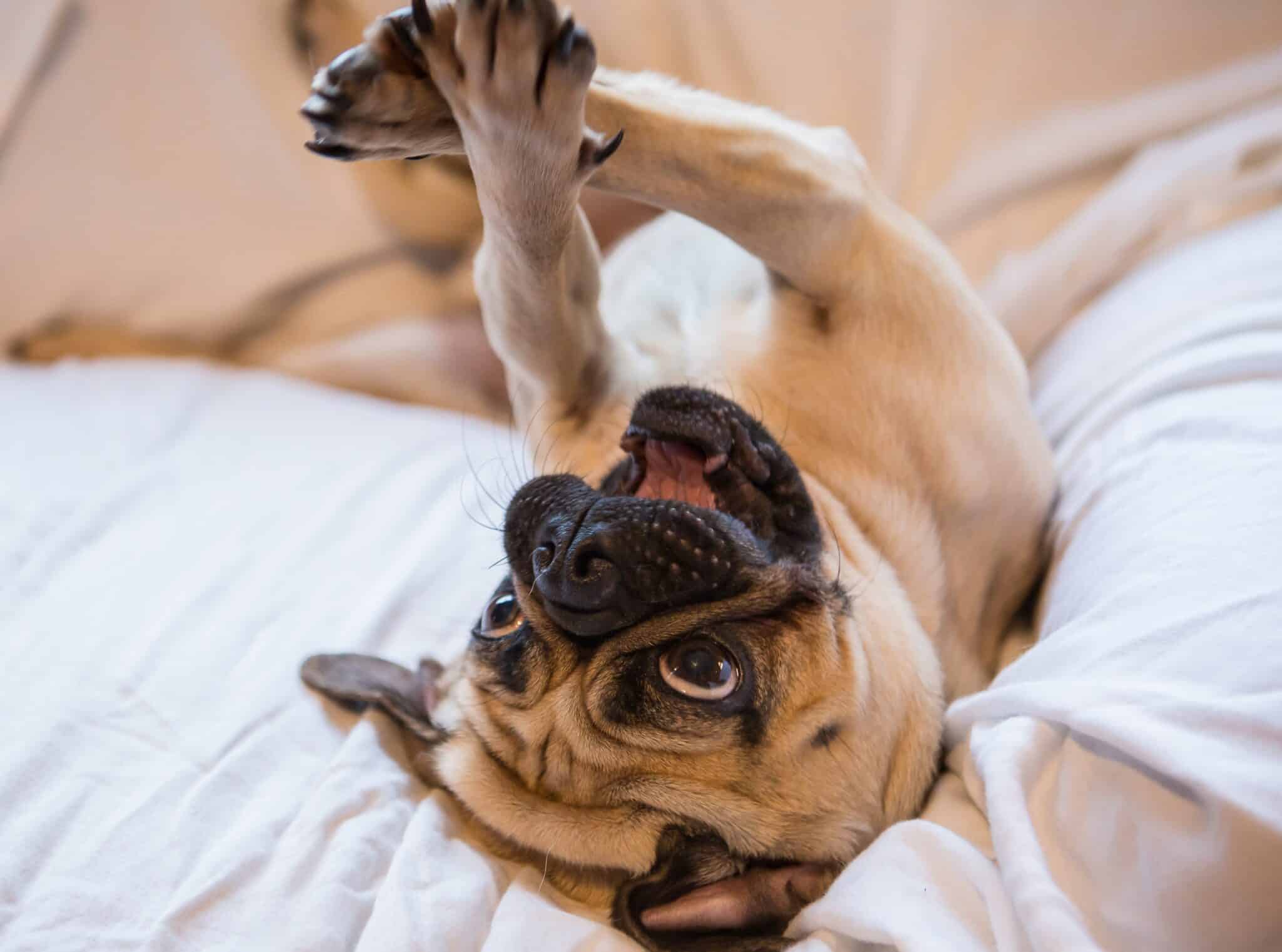
It’s important to show your Pug that you love them and give them plenty of attention. This can help them feel more secure and ease any anxiety they might be feeling. Part of their behavior could be due to anxiety and this can be soothed by being made to feel safe.
2Create a calming environment
If your Pug is feeling anxious or stressed, it can help to create a calm environment for them. This means keeping the house quiet and avoiding any stressful situations, such as loud noises or too many people. We review calming dog treats in a separate guide.
3Keep up their routine
If your Pug’s tail is down and they seem to be less active, it’s important to keep up with their normal routine as much as possible. This means taking them on walks, feeding them at the same time each day, and giving them plenty of love and attention.
4Talk to your vet
If your Pug’s tail is still down after a day or two, if they seem to be in pain, or if you notice any other symptoms, then it’s time to talk to your vet. They can help you create a plan to get your Pug back to their happy self. It’s best not to gamble with the health of your Pug!
Common Questions About Pugs’ Tails
Don’t have enough information to diagnose the issue? Here are the answers to some more common questions that dog owners have when their Pug’s tail is down or won’t curl properly anymore.
Why do Pugs curl their tails?
The Pug’s tail is naturally curled because of the way the tail bones are shaped, and it’s a hallmark of the breed. However, sometimes the tail can become uncurled due to relaxation, an injury, illness, or stress. We list other breeds with this trait in dog breeds with curly tails. If you notice that your Pug’s tail is down and they seem to be exhibiting other changes in behavior, it could be a sign of an issue.
Why does my dog’s tail not curl up anymore?
There could be a number of reasons why your dog’s tail is not curling up anymore. It could be due to one of the aforementioned issues, or it could be simply due to age and energy level, as some older Pugs hold their tails a little looser. Full or irritated anal glands can also be uncomfortable enough to make some dogs keep their tails low, especially if they’re also scooting or licking their bottom. Your vet or groomer can check and empty them if needed.
Are Pugs supposed to wag their tails?
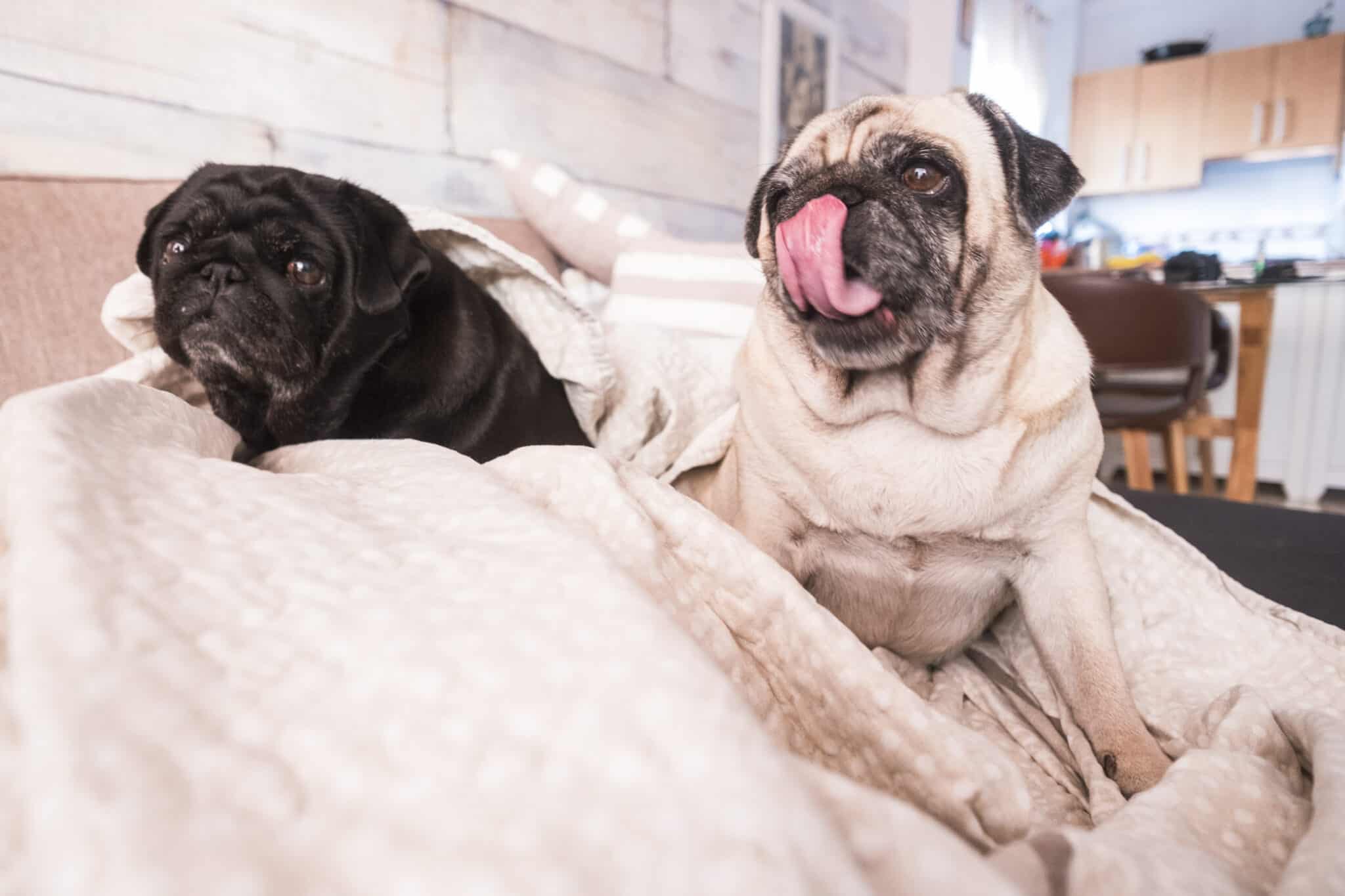
Yes, Pugs are supposed to wag their tails! However, they often don’t wag them as noticeably as other dogs due to the curled shape of their tail. If you notice that your dog’s tail is wiggling but not quite wagging, it’s usually not an issue! Injury to the tail shouldn’t be completely ruled out, but it’s still likely that this is totally natural.
What type of tail should a Pug dog have?
Most Pugs have a tail that is naturally curled. However, there are some that have a tail that is straight or even kinked. This is not necessarily an issue, as long as the tail is healthy and the dog is happy!
Key Takeaways
If your Pug’s tail is down while they’re relaxing, there’s usually nothing to worry about. But if the tail stays down and they are displaying other changes, such as pain, weakness, or a loss of appetite, it’s important to bring them to the veterinarian for evaluation.
In the meantime, there are a few things you can do to help your Pug feel more comfortable, such as giving them lots of love and attention, creating a calm environment, and keeping up with their routine.
Get The Ideal Dog Routine, free
A 10-page guide written by a vet: a sample daily routine, exercise and alone time, and grooming and vet check schedules.
We'll email you the download link. Unsubscribe anytime.