Cone Alternatives: How To Keep A Dog From Licking Stitches?
 Written by Tim de Jong
As an Amazon Associate we earn from qualifying purchases, at no extra cost to you. Disclosure

To keep a dog from licking stitches without a cone, the most reliable options are a surgical recovery suit or a snug T-shirt for wounds on the body, an inflatable or soft collar for many incisions, and a vet-applied bandage for legs and paws. Whatever you choose, supervise your dog closely at first, and switch back to a cone if they can still reach the stitches.
Stitches, whether from surgery or a wound, can often be captivating for dogs. They may lick and gnaw at the area incessantly, risking infection and prolonging healing time. Most veterinarians recommend using an Elizabethan collar, or “cone,” to prevent your dog from getting to the stitches. However, some dog parents find these devices uncomfortable and stressful for their furry friends. If your dog does need a cone, see our picks for the best dog cone for eye surgery.
Luckily, there are some cone alternatives that can help keep your pup from licking his stitches. Let’s explore a few of the most popular options. But first, why do dogs lick their stitches in the first place, and is this a bad thing?
Why dogs shouldn’t lick their stitches
Contrary to the belief of some dog parents, licking stitches is not an effective way for dogs to clean their wounds. In fact, it can actually delay healing. Although there is some evidence that dog saliva has some antibacterial properties, it still does more harm than good.
Licking stitches is particularly harmful to dogs. It can loosen or pull out the stitches and re-open the wound, which may mean a trip back to the vet for restitching. It also reintroduces bacteria to the wound, which can cause infection. And finally, licking can irritate the skin around the wound, causing further discomfort.

5 Cone alternatives to keep a dog from licking stitches
So, how do you keep your dog from licking his stitches? The most popular method is to use an Elizabethan collar, or “cone.” But as we mentioned, some dog parents find these devices stressful for their furry friends. If you’re looking for a cone alternative, here are a few of the most popular options.
1Bandages

Bandages can be an effective way to keep your dog from licking his stitches, especially on legs and paws. Ask your vet to apply or show you how to apply it, because a bandage that’s too tight can cut off circulation and cause serious damage. Check the bandage several times a day and contact your vet if it slips, gets wet or dirty, smells bad, or the toes below it look swollen or feel cold.
2Clothing

Another popular cone alternative is to dress your dog in a snug T-shirt (for chest and belly incisions, like after a spay) or a pair of boxer shorts with a hole for the tail (for rear-end incisions). This will help keep him from being able to reach his stitches. Just be sure the clothing is comfortable, not too tight, and that he can’t get it caught on something. You’ll also want to check it often to make sure it’s not irritating his skin.
3Inflatable collars

Inflatable collars are another popular cone alternative. These look like a travel pillow that sits around your dog’s neck, making it difficult for him to turn and reach his stitches. They’re generally more comfortable than traditional Elizabethan collars, and because they don’t block your dog’s vision, he can eat, drink, and sleep more normally. The downside is that many dogs can still reach their paws, lower legs, or tail area, so they work best for incisions on the body.
Softer E-collars
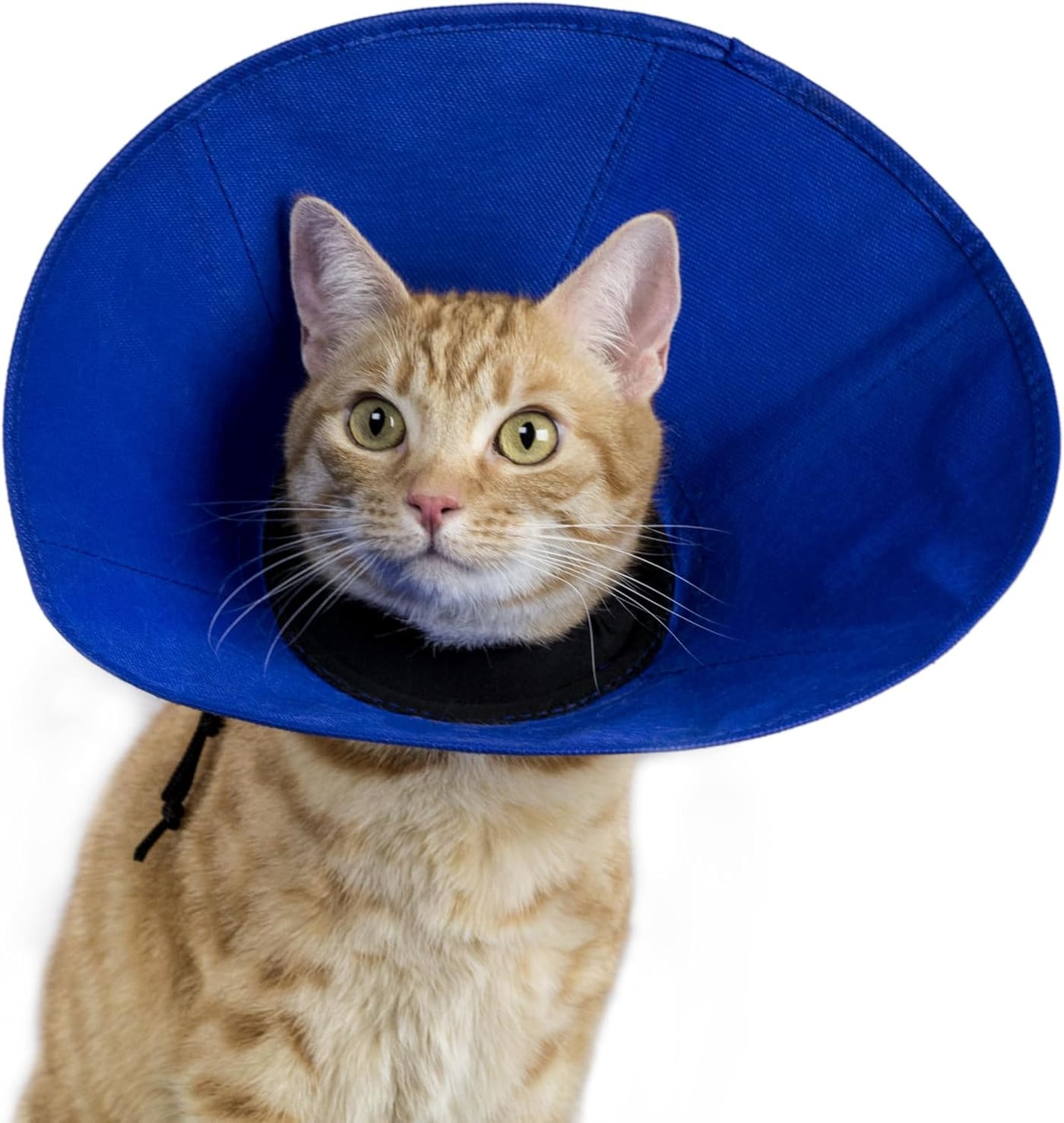
Softer E-collars are a type of Elizabethan collar that’s made from a softer material. This can make them more comfortable for your dog, which may help him be more accepting of wearing it. They also look a bit less “clunky” than traditional Elizabethan collars.
Surgical suits
Surgical suits are another popular cone alternative. These are full-body suits that cover your dog’s chest and hind end. This makes it difficult for him to reach his stitches, no matter where they are. Surgical suits can be a bit pricey, but they’re one of the most effective cone alternatives for body incisions. Make sure you get the right size so the suit covers the wound without being too tight.
Additional tips to prevent your dog from licking stitching
In addition to using a cone alternative, there are a few things to keep in mind to help prevent your dog from licking his stitches.
1Wounds require oxygen and blood flow
When using some of the above cone alternatives, it’s important to make sure the area is still getting enough oxygen and blood flow. This is necessary for healing.
2Keep the area clean and dry
It’s important to keep the area around your dog’s stitches clean and dry. Don’t bathe your dog or let him swim until your vet says the wound has healed (usually around 10 to 14 days), and only clean the incision if your vet tells you to, using the product they recommend. Avoid hydrogen peroxide and alcohol, which can damage healing tissue. You should also avoid using any lotions or creams unless prescribed, as they can make the area more appealing to lick.
3Give your dog something to chew on
Providing your dog with a toy or long-lasting chew that he enjoys can help keep him from licking his stitches. This will give him something else to focus on. Stick to calm activities, as running and jumping can strain the stitches too. For ideas, see our roundup of the best calming dog treats.
4Know when to call the vet
Check the incision at least twice a day. Call your vet if you notice increasing redness or swelling, discharge or pus, bleeding, a bad smell, missing stitches, or the edges of the wound pulling apart. Also call if your dog has managed to lick or chew at the stitches, even briefly, so the vet can decide whether the wound needs attention.
Final thoughts – How to keep a dog from licking stitches?
Dog licking stitches can be frustrating for dog parents, but there are a number of cone alternatives that can help. From bandages to inflatable collars, there are a number of options to choose from.
It’s important to find one that your dog is comfortable with and that will still allow the wound to heal properly. Make sure the alternative cone is not too tight, preventing circulation, and oxygen to the wound.
Giving your dog something to chew on can also help keep him from licking his stitches. This will provide a distraction and help him focus on something else. With a little patience, your dog will be healed up in no time.
Sources:
Get The Ideal Dog Routine, free
A 10-page guide written by a vet: a sample daily routine, exercise and alone time, and grooming and vet check schedules.
We'll email you the download link. Unsubscribe anytime.


